

Cleaning polyvinyl chloride (PVC) is straightforward and can be done effectively with common household products. In just a few simple steps, you can restore the appearance of your PVC items, whether they are pipes, flooring, or other surfaces. This guide will provide you with essential techniques to ensure your PVC stays clean and well-maintained.



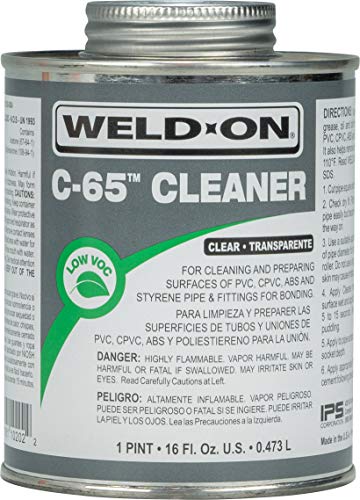
Understanding PVC and Its Uses

Polyvinyl chloride, commonly known as PVC, is one of the most widely used synthetic plastic polymers. It is characterized by its durability, resistance to moisture, and versatility, making it an ideal choice for various applications. PVC is utilized in the construction industry for pipes, siding, and window frames, as well as in flooring, plumbing, and electrical cable insulation. Understanding the specific type of PVC you are cleaning is crucial, as it can influence the cleaning method you choose. For instance, cleaning PVC pipes may differ from cleaning PVC flooring or furniture.
Essential Cleaning Supplies


To effectively clean PVC, you will need a few essential household supplies. Gather the following items:
– Mild Soap: A gentle dish soap or laundry detergent will help remove dirt and grime without damaging the surface.
– White Vinegar: This natural acid is excellent for breaking down mineral deposits and disinfecting.
– Baking Soda: A mildly abrasive powder that can help tackle stubborn stains and odors.
– Soft Cloths or Sponges: Use non-abrasive cloths or sponges to prevent scratching the PVC surface.
It is important to avoid using harsh chemicals, bleach, or abrasive cleaners, as these can cause discoloration and damage to the PVC material.
Step-by-Step Cleaning Process

Cleaning PVC is a simple process that can be completed in just a few steps. Follow this guide to ensure your PVC items are thoroughly cleaned:
1. Remove Loose Dirt and Dust: Begin by using a dry cloth or a broom to sweep away any loose dirt and dust from the surface. This will prevent scratching during the cleaning process.
2. Prepare a Cleaning Solution: Mix a solution of warm water and a few drops of mild soap. Avoid using excessive soap, as it can leave a residue on the surface.
3. Scrub the Surface: Dip a soft sponge into the soapy water and gently scrub the PVC surface. For floors or larger areas, a mop can be used. Focus on areas that seem particularly dirty or stained.
4. Rinse Thoroughly: After scrubbing, rinse the PVC with clean water to remove any soap residue. This is especially important for surfaces that will come into contact with food or drink.
5. Dry the Surface: Use a clean, dry cloth to wipe down the surface, ensuring no water remains that could lead to mold or mildew.
Top 7 PVC Applications in Various Industries (2024)
| # | Application | Industry | Common Use | Lifespan |
|---|---|---|---|---|
| 1 | Pipes | Construction | Water and sewage | 50 years |
| 2 | Flooring | Residential | Homes and offices | 20-30 years |
| 3 | Window Frames | Construction | Energy-efficient homes | 30 years |
| 4 | Siding | Construction | Exterior walls | 30 years |
| 5 | Cable Insulation | Electrical | Wiring | 20-30 years |
| 6 | Fencing | Agriculture | Property boundaries | 25 years |
| 7 | Medical Equipment | Healthcare | IV bags, tubing | 5-10 years |
Dealing with Stains and Tough Marks
Stains and tough marks on PVC surfaces can be particularly challenging, but with the right approach, they can be effectively managed. Here are some techniques to deal with stubborn stains:
1. Baking Soda Paste: For persistent stains, create a paste using baking soda and a small amount of water. Apply this paste directly to the stained area and let it sit for about 10-15 minutes. The baking soda will act as a gentle abrasive to help lift the stain.
2. Scrubbing: After allowing the paste to sit, use a soft sponge to scrub the area gently. Be careful not to apply too much pressure, as this could damage the PVC surface.
3. Rinse and Dry: Once the stain is removed, rinse the area with clean water to remove any baking soda residue. Then dry the surface thoroughly with a soft cloth.
Preventive Maintenance Tips
Maintaining the cleanliness of your PVC items is crucial for prolonging their lifespan and appearance. Here are some preventive maintenance tips:
– Regular Cleaning: Make it a habit to wipe down PVC surfaces regularly to prevent dirt and grime from building up. This can be done with a damp cloth and mild soap.
– Use of Sealants: Applying a protective sealant specifically designed for PVC can help reduce the chances of stains and discoloration, especially on outdoor surfaces exposed to the elements.
– Avoid Sharp Objects: Be cautious when using sharp objects near PVC surfaces to prevent scratches. If you need to cut something on a PVC surface, use a cutting board or protective layer.
– Proper Installation: Ensure that PVC items, particularly pipes and siding, are installed correctly to prevent leaks and long-term damage.
Safety Precautions
While cleaning PVC is generally safe, it is essential to take some precautions to protect yourself and your environment:
– Wear Gloves: Always wear gloves when cleaning to protect your skin from irritation caused by cleaning agents, even if they are mild.
– Ensure Ventilation: If you are using any cleaning agents, ensure that the area is well-ventilated. Open windows or use fans to circulate air and minimize inhalation of fumes.
– Test Cleaning Solutions: Before applying any cleaning solution to a large area, test it on a small, inconspicuous section of the PVC to ensure it does not cause discoloration or damage.
In summary, cleaning PVC is a manageable task that can significantly enhance the appearance and longevity of your items. By following these simple steps and using the right products, you can maintain the cleanliness and integrity of your PVC surfaces.
Cleaning PVC not only improves aesthetics but also contributes to the material’s durability and functionality. Implementing these tips will ensure your PVC items remain in excellent condition, whether in your home, garden, or workplace. For more cleaning resources, feel free to explore additional articles or share your own tips in the comments.
Frequently Asked Questions
What is the best method to clean polyvinyl chloride (PVC) surfaces?
The best method to clean polyvinyl chloride surfaces involves using a mixture of warm water and mild dish soap. Apply the solution with a soft cloth or sponge, gently scrubbing any stained areas. Rinse thoroughly with clean water to avoid soap residue, which can attract dirt and grime in the future.
How do I remove tough stains from PVC materials?
To remove tough stains from PVC materials, create a paste using baking soda and water. Apply the paste to the stained area and let it sit for about 10-15 minutes before scrubbing gently with a soft brush or cloth. Rinse with water to ensure all residue is removed, restoring the PVC’s appearance.
Why is it important to clean polyvinyl chloride regularly?
Regular cleaning of polyvinyl chloride is important to maintain its durability and appearance. Dirt and grime can cause discoloration and degradation of the material over time, making it less appealing and potentially compromising its integrity. Consistent maintenance ensures your PVC lasts longer and retains its aesthetic appeal.
Which cleaning products are safe for polyvinyl chloride surfaces?
Safe cleaning products for polyvinyl chloride surfaces include mild dish soaps, vinegar, and specialized PVC cleaners. Avoid harsh chemicals or abrasive cleaners, as they can damage the surface and lead to fading or cracking. Always test a small, inconspicuous area first to ensure compatibility.
How can I prevent future stains on my PVC surfaces?
To prevent future stains on PVC surfaces, regularly clean them and apply a protective sealant designed for PVC. Additionally, avoid placing items that can drip or stain directly on the surface and use coasters or mats when needed. Promptly wipe up spills to minimize the risk of staining, ensuring your PVC remains clean and vibrant.
References
- Polyvinyl chloride
https://en.wikipedia.org/wiki/Polyvinyl_chloride - https://www.cdc.gov/nceh/ehs/docs/cleaning_and_disinfecting.pdf
https://www.cdc.gov/nceh/ehs/docs/cleaning_and_disinfecting.pdf - https://www.nature.com/articles/s41598-020-70985-5
https://www.nature.com/articles/s41598-020-70985-5 - https://pubmed.ncbi.nlm.nih.gov/24668299/
https://pubmed.ncbi.nlm.nih.gov/24668299/ - https://www.sciencedirect.com/science/article/pii/S2351978917301252
https://www.sciencedirect.com/science/article/pii/S2351978917301252 - PVC | Definition, Synthesis, & Uses | Britannica
https://www.britannica.com/science/polyvinyl-chloride - https://www.reuters.com/article/us-plastic-pvc-cleaning-idUSKBN2A10U3
https://www.reuters.com/article/us-plastic-pvc-cleaning-idUSKBN2A10U3 - https://www.health.ny.gov/environmental/chemicals/pvc.htm
https://www.health.ny.gov/environmental/chemicals/pvc.htm - Google Scholar Google Scholar
https://scholar.google.com/scholar?q=cleaning+polyvinyl+chloride - Google Scholar Google Scholar
https://scholar.google.com/scholar?q=polyvinyl+chloride+maintenance+cleaning
