
How to Clean RV AC Ducts: A Step-by-Step Guide
Cleaning your RV’s AC ducts is essential for maintaining good air quality and ensuring efficient cooling. Regular cleaning prevents the accumulation of dust, mold, and other allergens that can affect your health and comfort during travels. This guide will walk you through the necessary steps to ensure your RV’s AC system runs smoothly, delivering clean air and optimal cooling performance.
Gather Necessary Tools and Materials
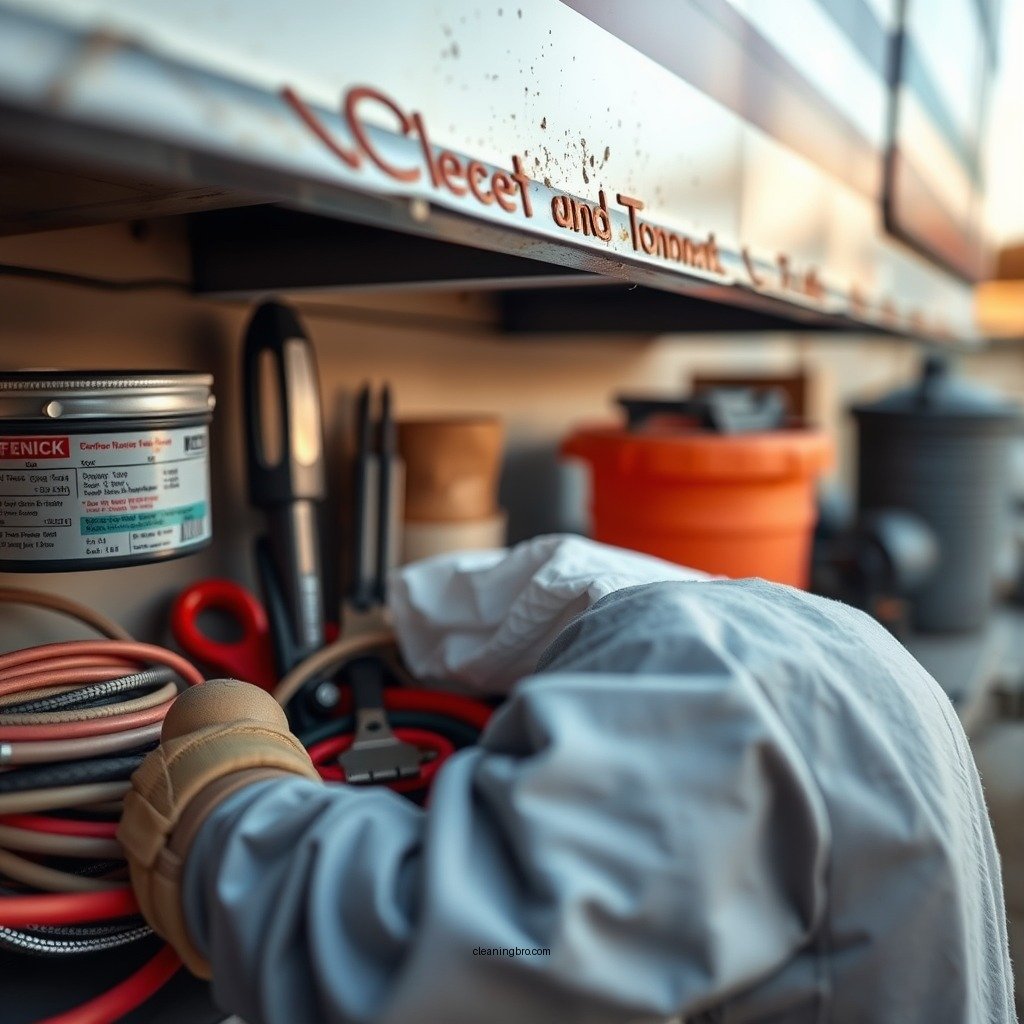
Before you begin the cleaning process, gather the necessary tools and materials. Having everything ready will streamline the task and ensure that you don’t have to interrupt your cleaning midway.
– Vacuum cleaner with hose attachment: A vacuum cleaner equipped with a hose attachment is crucial for removing dust and debris from hard-to-reach areas.
– Soft brush or cloth: Use a soft brush or cloth to gently clean the duct surfaces without causing damage.
– Mild detergent or duct cleaning solution: Opt for a non-toxic, mild detergent or a specialized duct cleaning solution to remove any stubborn dirt or grime.
By preparing these tools in advance, you can proceed with confidence, knowing you have everything you need at your fingertips.
Prepare Your RV for Cleaning
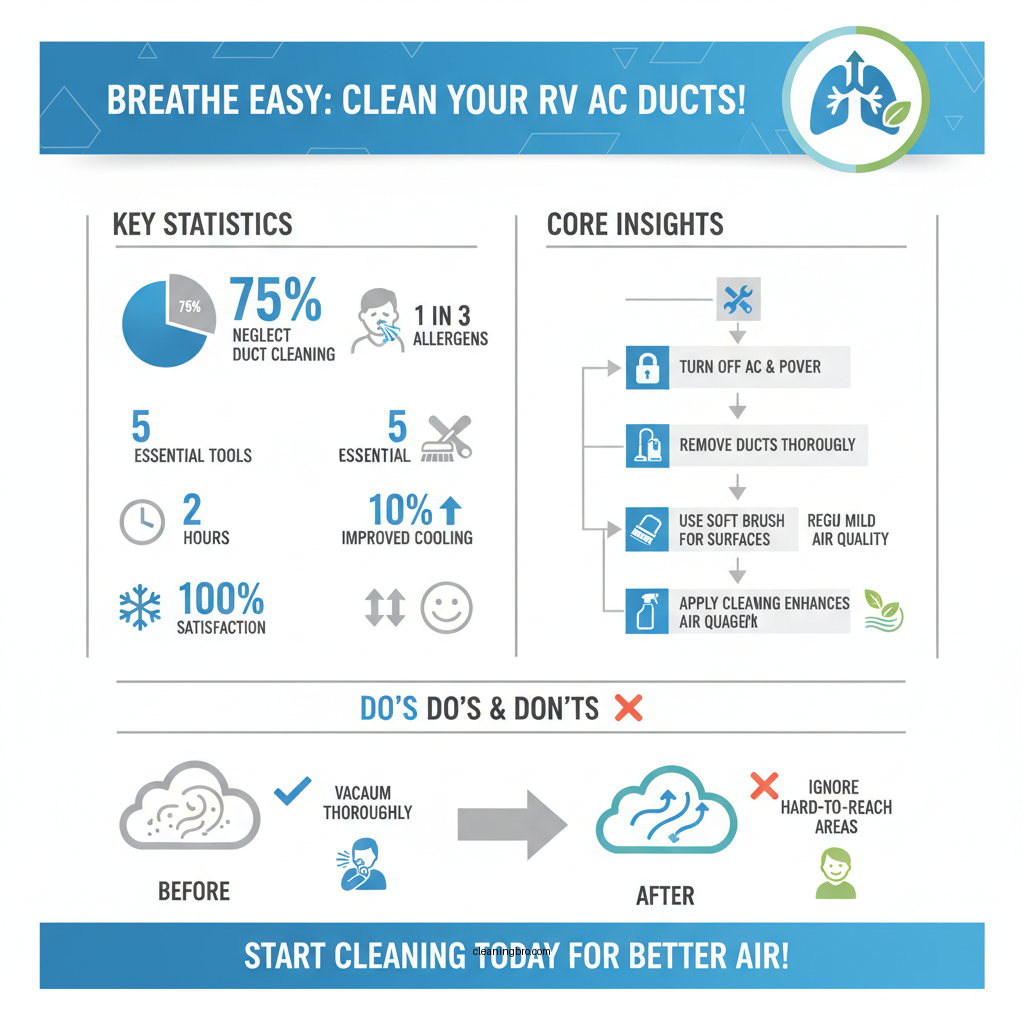
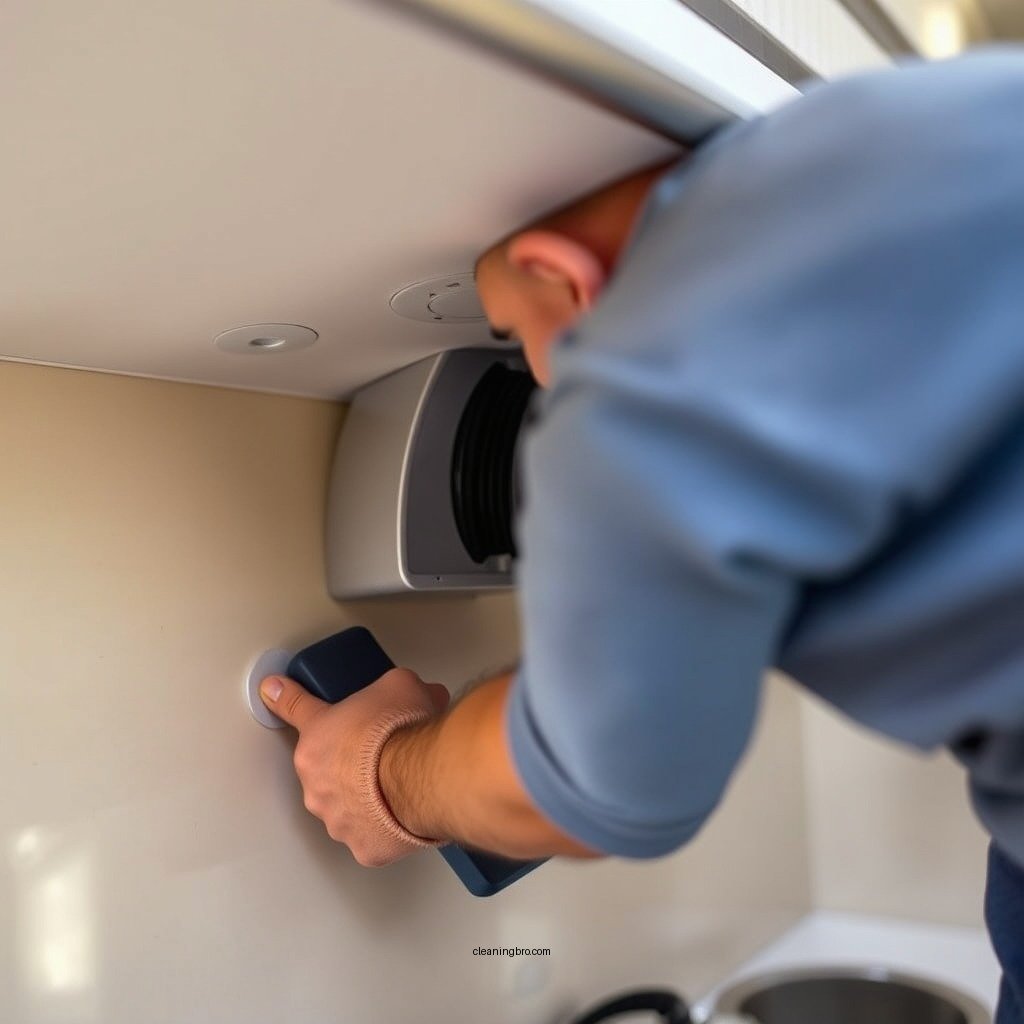
Preparation is key to an effective cleaning process. Follow these steps to ensure a safe and thorough clean:
– Turn off the AC unit and disconnect from power source: Safety should always come first. Ensure the AC unit is completely powered down to prevent any electrical issues while you clean.
– Remove any vent covers carefully to avoid damage: Using a screwdriver or your hands (depending on the type of vent cover), gently remove the covers without bending or breaking them. This will allow you better access to the ducts.
Taking these precautionary measures will not only keep you safe but also protect your RV’s components during the cleaning process.
Vacuum the Ducts

Once your RV is prepared, it’s time to vacuum the ducts. This step is essential for removing loose dirt, dust, and debris that can accumulate in the system.
– Use the vacuum cleaner with the hose attachment to remove dust and debris: Begin at the nearest vent and work your way through the duct system. Make sure to use the hose attachment to reach deep inside the ducts where dirt tends to settle.
– Ensure you reach deep into the ducts for thorough cleaning: Moving the vacuum slowly and methodically helps to capture more particles. Pay special attention to corners and bends in the ductwork, as these areas often harbor more grime.
Vacuuming is a crucial step in maintaining your RV’s air quality and ensuring it functions efficiently.
Common Contaminants Found in RV AC Ducts
| # | Contaminant | Health Impact | Cleaning Frequency |
|---|---|---|---|
| 1 | Dust | Allergies, respiratory issues | Every 3 months |
| 2 | Mold | Respiratory infections | Monthly |
| 3 | Bacteria | Infections, allergies | Every 6 months |
| 4 | Fungi | Allergies, asthma | Monthly |
| 5 | Pollen | Allergies | Every 3 months |
| 6 | Insects | Allergies, discomfort | Every 6 months |
| 7 | Dust Mites | Allergies, asthma | Every 3 months |
Clean the Vent Covers
After vacuuming the ducts, it’s important to clean the vent covers as well. This ensures no contaminants are reintroduced into the system.
– Wash the vent covers with mild detergent and warm water: Use a soft brush or cloth to scrub the covers, ensuring that you remove any built-up grime or dust. A solution of warm water mixed with a mild detergent works best.
– Dry thoroughly before reattaching to prevent moisture buildup: Ensure the covers are completely dry before putting them back in place to prevent mold and mildew growth.
This step is often overlooked but is essential for maintaining a clean and efficient air distribution system.
Inspect and Replace Filters
Filters play a critical role in maintaining the air quality in your RV. Neglecting them can lead to poor performance and health issues.
– Check the AC filters and clean or replace them as necessary: Depending on the type of filter, you may be able to wash it or may need to replace it entirely. Inspect for any signs of damage or excessive dirt buildup.
– A clean filter improves airflow and efficiency: By ensuring that your filters are clean, you facilitate better airflow, which helps your AC unit operate more efficiently and prolongs its lifespan.
Regular filter maintenance is a small task that yields significant benefits for your RV’s cooling system.
Reassemble and Test the System
After completing all cleaning steps, it’s time to put everything back together and ensure that your AC is functioning properly.
– Reattach the vent covers securely: Ensure that all screws or clips are tightly fastened, and double-check that everything is in its proper place.
– Turn on the AC unit and check for proper airflow and cooling: Allow the system to run for a few minutes, and check for any unusual sounds or lack of airflow. If everything seems normal, you can be confident that your cleaning efforts were successful.
Testing the system immediately after cleaning ensures that you can address any issues before your next trip.
Maintain Regular Cleaning Schedule
To keep your RV’s AC ducts in optimal condition, establish a routine cleaning schedule.
– Establish a routine cleaning schedule every few months: A quarterly cleaning is typically sufficient, but you may want to clean more frequently if you use your RV often or travel in dusty environments.
– Regular maintenance will prolong the life of your RV’s AC system: By staying on top of cleaning, you prevent dirt and contaminants from building up, which can lead to more serious issues down the line.
Commit to this maintenance schedule to ensure that your RV remains a comfortable and healthy space for you and your family.
Cleaning your RV AC ducts will significantly enhance your camping experience by improving air quality and comfort. By following these steps regularly, you can keep your system in top shape and enjoy a cool, refreshing atmosphere during your travels. With a little diligence and care, you will ensure that your RV remains a reliable haven on the road.
Frequently Asked Questions
How often should I clean my RV AC ducts?
It is recommended to clean your RV AC ducts at least once a year, preferably before the start of the camping season. However, if you frequently travel in dusty areas or have pets, consider cleaning them every six months to maintain optimal airflow and prevent allergens from circulating.
What tools do I need to clean RV AC ducts effectively?
To clean RV AC ducts effectively, you will need a vacuum cleaner with a long hose, a soft brush attachment, a microfiber cloth, and possibly a duct cleaning brush. Additionally, a flashlight can help you inspect the ducts for debris and mold, ensuring a thorough cleaning process.
Why is it important to clean my RV AC ducts?
Cleaning your RV AC ducts is crucial for several reasons: it improves air quality by reducing dust and allergens, enhances the efficiency of your air conditioning system, and helps prevent unpleasant odors. Neglecting this maintenance can lead to reduced airflow and potential damage to your AC unit.
What are the best methods for cleaning RV AC ducts?
The best methods for cleaning RV AC ducts include using a vacuum to remove loose debris and dust, followed by a damp microfiber cloth to wipe down the duct surfaces. For stubborn mold or mildew, a mixture of vinegar and water can be used; just ensure the ducts are completely dry afterward to prevent future growth.
Which signs indicate that my RV AC ducts need cleaning?
Signs that your RV AC ducts need cleaning include reduced airflow from the vents, musty or unpleasant odors, and visible dust or mold buildup around the vent covers. If you or your passengers experience increased allergy symptoms while using the AC, it may also indicate that it’s time for a thorough duct cleaning.
References
- Google Scholar Google Scholar
https://scholar.google.com/scholar?q=cleaning+RV+air+conditioner+ducts - https://www.nrdc.org/stories/how-care-your-rv-ac
https://www.nrdc.org/stories/how-care-your-rv-ac - https://www.cdc.gov/niosh/topics/indoorair/airconditioning.html
https://www.cdc.gov/niosh/topics/indoorair/airconditioning.html - https://www.rvtravel.com/how-to-clean-your-rv-air-conditioner/
https://www.rvtravel.com/how-to-clean-your-rv-air-conditioner/ - Google Scholar Google Scholar
https://scholar.google.com/scholar?q=maintenance+RV+AC+ducts - https://www.escap
https://www.escap - Air-Conditioning, Heating, and Refrigeration Institute | AHRI
https://www.ahrinet.org/ - Google Scholar Google Scholar
https://scholar.google.com/scholar?q=how+to+clean+rv+ac+ducts - how to clean rv ac ducts – Search results
https://en.wikipedia.org/wiki/Special:Search?search=how+to+clean+rv+ac+ducts - https://www.ncbi.nlm.nih.gov/search/research-articles/?term=how+to+clean+rv+ac+ducts
https://www.ncbi.nlm.nih.gov/search/research-articles/?term=how+to+clean+rv+ac+ducts