
How to Clean a Wool Blanket: A Step-by-Step Guide
Cleaning a wool blanket requires gentle techniques to preserve its fibers and maintain its softness. In this guide, you’ll learn the best methods to effectively clean your wool blanket, whether you prefer hand washing or using a machine. By following these steps, you can ensure your blanket stays fresh and lasts for years.
Wool is a luxurious and warm fabric revered for its insulating properties and natural moisture-wicking abilities. However, cleaning wool requires special care to maintain its characteristics. Unlike synthetic materials, wool is prone to shrinking and felting if not treated properly. Understanding the nuances of wool care is essential for extending the life of your blanket while keeping it looking as good as new.
Understanding Wool Care
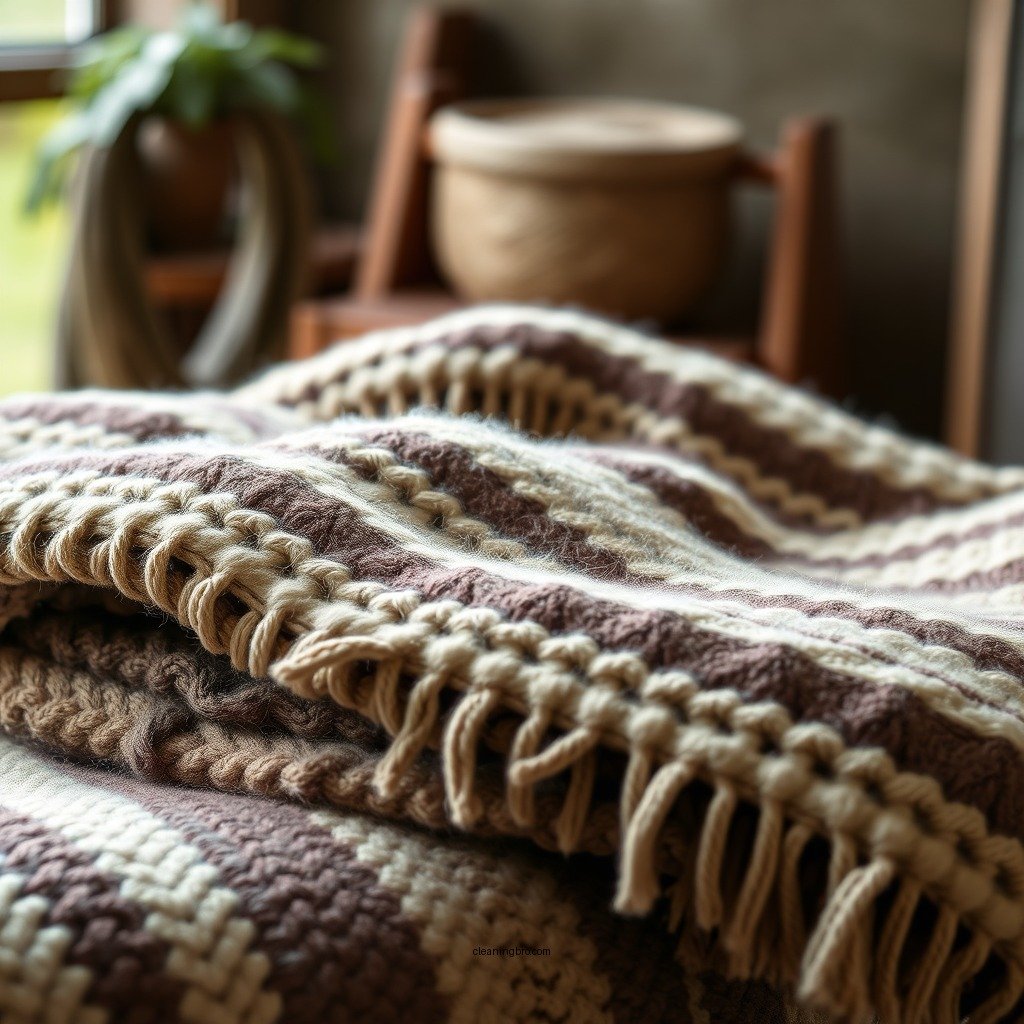
Wool is a delicate fabric that requires special handling to avoid damage. When cleaning wool, it is crucial to be aware of its unique properties. Wool fibers are naturally elastic and resilient, but they can easily become misshapen if subjected to improper washing methods. This is why it is important to read and understand the care label on your blanket, which often provides specific instructions tailored to the type of wool used and any additional materials blended with it.
Some basic care tips include:
– Avoid hot water: Hot water can lead to shrinkage and distortion of wool fibers.
– Use pH-neutral detergents: Strong detergents can strip natural oils from wool, leading to dryness and stiffness.
– Test cleaning products: Always perform a patch test on a small, inconspicuous area to ensure the product is safe for your blanket.
Hand Washing Your Wool Blanket
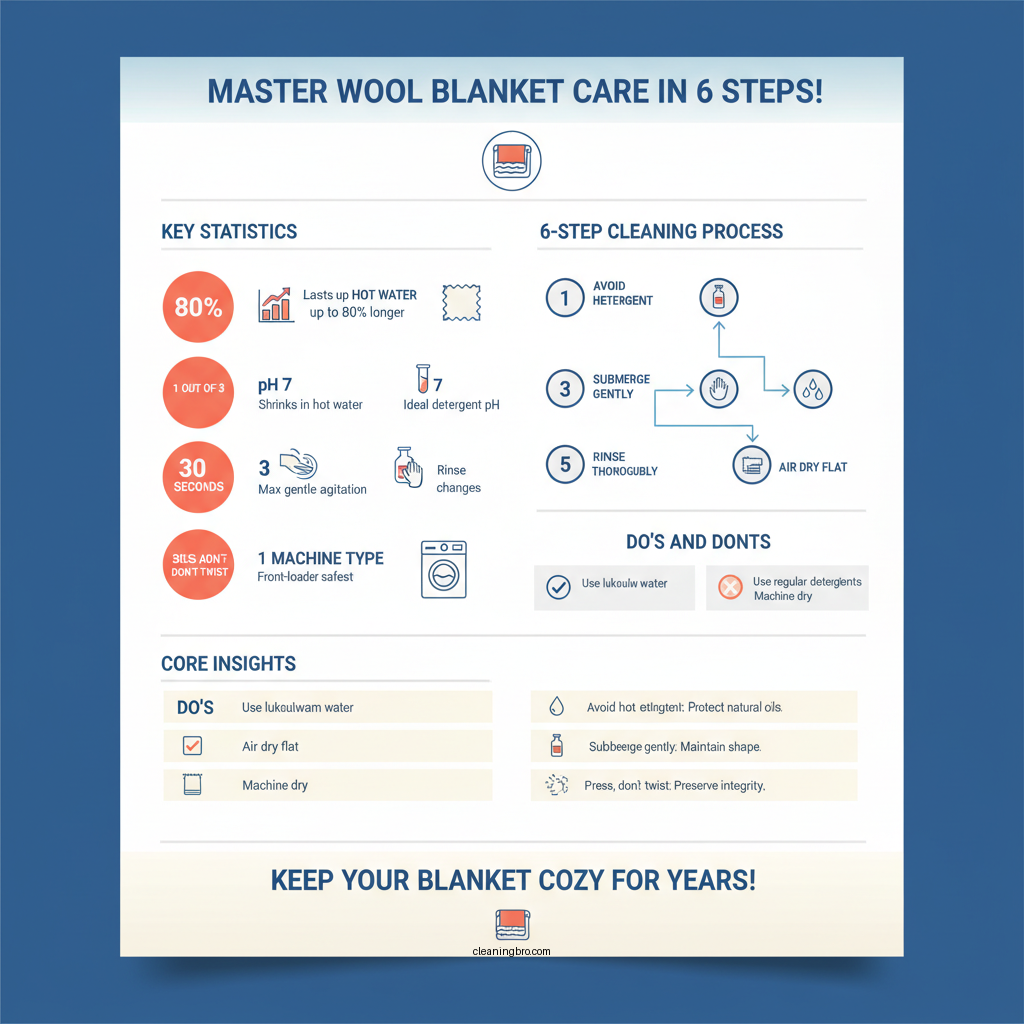

Hand washing is often the safest method for cleaning a wool blanket. Here’s a step-by-step guide on how to do it effectively:
1. Fill a tub or basin with lukewarm water. Ensure the water is not too hot, as heat can cause the wool to shrink.
2. Add a gentle wool detergent to the water. Avoid using regular laundry detergents, which may contain harsh chemicals.
3. Submerge the blanket gently into the water. Do not force it; let it float in slowly to avoid agitation.
4. Gently agitate the water with your hands to help the detergent penetrate the fibers. Be careful not to wring or twist the blanket, as this can cause stretching and distortion.
5. Rinse thoroughly with cool, clean water until all detergent is removed. It may be necessary to change the water a couple of times to ensure all soap is rinsed out.
6. Gently press out excess water by laying the blanket flat on a clean towel and rolling it up. Avoid twisting or wringing the blanket.
Machine Washing Your Wool Blanket
If you prefer to use a washing machine, follow these guidelines to protect your wool blanket:
1. Use a front-loading washing machine on a delicate cycle. Top-loading machines can be harsh on wool due to the agitation.
2. Set the temperature to cold to prevent any risk of shrinkage. Ensure that the cycle length is short and gentle.
3. Place the blanket in a mesh laundry bag to prevent snagging and to reduce agitation against the drum.
4. Use a specialized wool detergent that is designed to be gentle on the fibers.
5. Avoid fabric softeners as they can coat the wool and detract from its natural softness.
Washing Machine Settings Comparison
Washing Machine Settings for Wool Blankets
| # | Setting | Recommended Value | Notes |
|---|---|---|---|
| 1 | Cycle Type | Delicate | Gentle on wool |
| 2 | Water Temperature | Cold | Prevents shrinkage |
| 3 | Spin Speed | Low | Reduces agitation |
| 4 | Detergent Type | Wool detergent | Prevents damage |
| 5 | Load Size | Small | Avoids tangling |
Drying Your Wool Blanket
Proper drying is just as important as washing when it comes to caring for a wool blanket. Here are the steps to dry your blanket effectively:1. Avoid using a dryer, as the heat can cause significant shrinkage and damage. Instead, opt for air drying.
2. Lay the blanket flat on a clean, dry towel. This helps absorb moisture and prevents stretching.
3. Reshape the blanket to its original dimensions while it is still damp. Pay special attention to the corners and edges to ensure it dries evenly.
4. Allow it to air dry away from direct sunlight and heat sources. Direct sunlight can fade colors and degrade the fibers.
Spot Cleaning Stains
Accidents happen, and when they do, it’s important to know how to spot clean your wool blanket effectively:
1. Blot stains immediately with a clean, damp cloth to absorb excess liquid. Avoid rubbing, as this can push the stain deeper into the fibers.
2. Mix a solution of mild detergent and lukewarm water. Dampen a cloth with this mixture and gently dab at the stain.
3. Rinse with cool water to remove any detergent residue. Always test any cleaning solution on a small, inconspicuous area first to ensure it does not cause discoloration.
4. Air dry the cleaned area, ensuring it is fully dry before using the blanket again.
Storing Your Wool Blanket
Proper storage can significantly extend the life of your wool blanket. Follow these guidelines to keep it in pristine condition:
1. Ensure the blanket is clean and dry before storing to prevent mildew and odors. Even a small amount of moisture can lead to mold and other issues.
2. Use breathable storage bags, such as cotton or linen, to protect it from dust and pests. Avoid plastic bags, as they can trap moisture.
3. Store the blanket in a cool, dry place away from direct sunlight. Sun exposure can cause fading and damage over time.
4. Consider using cedar chips or lavender sachets in storage to deter moths and other pests.
Additional Tips for Wool Care
To maintain your wool blanket’s beauty and integrity, consider these additional care tips:
– Regularly air out your blanket to maintain freshness. This can help eliminate odors and keep the fibers from becoming stale.
– Avoid frequent washing; instead, spot clean as needed to prolong its life. Over-washing can lead to wear and tear on the fibers.
– Rotate usage of your blankets. By alternating between multiple blankets, you prevent excessive use on a single piece, allowing each one to rest and maintain its shape.
– Follow the manufacturer’s care instructions closely. Each wool product may have specific requirements depending on the type of wool and any treatments applied.
Maintaining your wool blanket’s beauty and integrity is simple when you follow these cleaning methods. By choosing the right washing and drying techniques, along with proper storage, your blanket will remain a cozy companion for years to come. For more tips on caring for your textiles, explore our other articles on fabric maintenance!
Frequently Asked Questions
How do you properly clean a wool blanket at home?
To clean a wool blanket at home, start by checking the care label for specific instructions. Generally, you can hand wash it in cold water using a gentle detergent specifically designed for wool. Avoid wringing or twisting the blanket; instead, gently press out excess water and lay it flat to dry.
What is the best way to remove stains from a wool blanket?
The best way to remove stains from a wool blanket is to act quickly. Blot the stain with a clean, damp cloth and a mild detergent or a specialized wool stain remover. Always test the solution on a small, inconspicuous area first to ensure it doesn’t damage the fabric.
Why is it important to use a specific detergent for washing wool blankets?
Using a specific detergent for washing wool blankets is important because traditional detergents can contain enzymes and harsh chemicals that may damage the delicate fibers of wool. Wool detergents are formulated to maintain the integrity of the fibers while effectively cleaning the blanket without causing shrinkage or felting.
Which method is better for cleaning wool blankets: hand washing or machine washing?
Hand washing is generally the best method for cleaning wool blankets, as it allows for gentle handling that reduces the risk of damage. However, if the care label indicates it’s safe, you can use a front-loading washing machine on a delicate cycle with cold water and a wool-friendly detergent to save time.
How often should you clean a wool blanket to maintain its quality?
You should clean a wool blanket every 6 to 12 months, depending on usage. If it gets frequent use or shows visible dirt, you may need to clean it more often. Regular cleaning helps maintain its quality, prevents odors, and extends the lifespan of the blanket.
References
- https://www.mayoclinic.org/healthy-lifestyle/consumer-health/in-depth/laundry-tips/art-20044757
https://www.mayoclinic.org/healthy-lifestyle/consumer-health/in-depth/laundry-tips/art-20044757 - https://www.bbc.com/future/article/20200130-how-to-clean-and-store-your-wool-jumper
https://www.bbc.com/future/article/20200130-how-to-clean-and-store-your-wool-jumper - 3 Ways to Clean a Wool Blanket – wikiHow Life
https://www.wikihow.com/Clean-a-Wool-Blanket - Google Scholar Google Scholar
https://scholar.google.com/scholar?q=cleaning+wool+blanket - Google Scholar Google Scholar
https://scholar.google.com/scholar?q=wool+blanket+care - Google Scholar Google Scholar
https://scholar.google.com/scholar?q=wool+blanket+cleaning+methods - https://www.udel.edu/home/healthy-ud/cleaning-tips/
https://www.udel.edu/home/healthy-ud/cleaning-tips/ - https://www.nytimes.com/wirecutter/blog/how-to-wash-a-wool-blanket/
https://www.nytimes.com/wirecutter/blog/how-to-wash-a-wool-blanket/ - Google Scholar Google Scholar
https://scholar.google.com/scholar?q=how+do+you+clean+a+wool+blanket - how do you clean a wool blanket – Search results
https://en.wikipedia.org/wiki/Special:Search?search=how+do+you+clean+a+wool+blanket