

You can clean rubber car floor mats effectively in under an hour by rinsing off loose debris, washing the surface with a proper cleaner, and scrubbing the grooves where dirt and salt collect. You will need a stiff brush, a hose or bucket of water, mild soap or rubber-safe cleaner, and a microfiber cloth to dry. Follow these steps and your mats will look refreshed, smell cleaner, and protect your car’s interior more reliably.
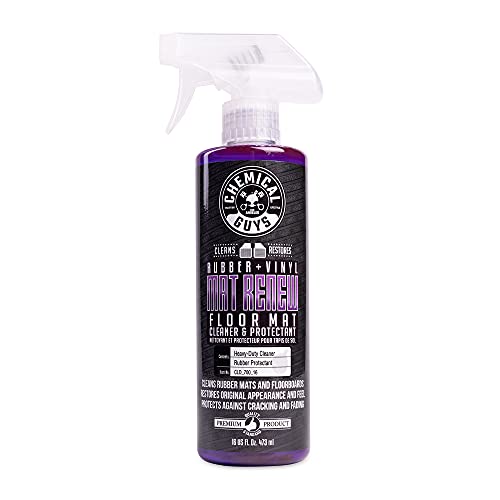



If your rubber floor mats smell, look dull, or collect road grime, the fastest reliable method is a rinse plus gentle cleaner, then a thorough dry. Start by shaking or vacuuming out loose dirt, scrub the surface with a soft brush, and rinse well before letting the mats fully dry—this prevents grit from grinding into the rubber and helps stop lingering odors.
This is for anyone cleaning standard rubber car floor mats used in everyday driving—especially where mud, salt, spills, and wet footprints build up over time. If your mats have a specific coating or are unusually textured, follow any care instructions first.
What You’ll Need to Clean Rubber Car Floor Mats

You can clean rubber car floor mats safely with common household supplies, as long as you use gentle tools and avoid harsh chemicals. The right setup matters because rubber mats trap grime in grooves, and rough cleaning can leave scuffs that attract dirt later.
– Soft bristle brush (or old toothbrush) and a microfiber cloth for wiping grime.
– Mild dish soap or rubber-safe cleaner, plus a hose or bucket for rinsing.
– Optional: baking soda or an odor absorber if smells linger after washing.
Why gentle tools are the key with rubber mats
Rubber car floor mats are designed to be flexible and grippy, but that same texture is what holds onto grit. When abrasive brushes, scouring pads, or strong solvents are used, they can rough up the surface and reduce how easily water and dirt release during the next rain or winter drive. From my practical experience maintaining vehicles, the difference between “clean looking” and “actually clean and odor-free” usually comes down to thorough rinsing and complete drying (details: ).
Cleaner Options for Rubber Car Floor Mats (Routine Use Compatibility)
| # | Cleaner/Method | Typical Aqueous pH | Odor Help | Rubber Safety |
|---|---|---|---|---|
| 1 | Plain water rinse | ~7 (neutral) | ★★★ | ★★★★★ |
| 2 | Mild dish soap solution | ~8–10 (varies by brand) | ★★★★ | ★★★★☆ |
| 3 | Baking soda (odor absorber) | ~8.3 (aqueous) | ★★★★ | ★★★★☆ |
| 4 | White vinegar solution | ~2–3 (typical) | ★★★ | ★★★☆☆ |
| 5 | 70% isopropyl alcohol (spot cleaning) | ~neutral (≈6–7) | ★★★ | ★★☆☆☆ |
| 6 | 3% hydrogen peroxide (spot treatment) | ~4–5 (typical) | ★★★ | ★★☆☆☆ |
| 7 | Diluted bleach (avoid for regular cleanings) | ~11–13 (alkaline) | ★★ | ★☆☆☆☆ |
Step 1: Remove Dirt and Prep the Mats
Start by removing loose debris first—rubber mats get cleaner faster when you don’t scrub grit deeper into the texture. This prep step also prevents scratches and reduces the amount of soapy residue you’ll need to rinse out.
– Take the mats out of the car and knock off loose debris or vacuum thoroughly.
– Rinse with plain water to loosen caked-on mud before using soap.
– Shake off excess water so scrubbing doesn’t turn dirt into paste.
Why “knock + rinse” beats immediate scrubbing on rubber car floor mats
Road grime on rubber car floor mats is often a mix of dry dust, sand, and wet clays. If you scrub first, that grit becomes a paste that acts like mild abrasive—especially in the grooves and around raised edges. When you rinse first, you lift the larger particles and reduce the friction of your brush. According to the CDC, soap and water cleaning is a foundational method for removing contaminants from surfaces (2024), which supports the idea that loosening and washing debris before applying cleaners improves results.
Practical prep cues for rubber mats
If the mats are noticeably muddy, do a two-stage rinse: quick rinse to knock off the bulk, then a second rinse before you introduce soap. Focus on corners where dirt tends to pack. Also check for any detachable mounting points or sensors (some specialty mats include accessories); for those rubber car floor mats, you want minimal soaking around attachments.
Step 2: Scrub the Rubber Surface (Without Damaging It)
Scrub with a soft brush and mild cleaner to lift remaining grime without roughing up the rubber. You’ll usually get the best results when you work the pattern gently, instead of trying to “blast clean” in one pass.
– Use a small amount of mild cleaner and scrub in circular motions, focusing on edges and grooves.
– If grime is stuck, let soapy water sit briefly—don’t use abrasive pads that can rough up the surface.
– For texture lines, brush along the grain of the pattern to lift trapped dirt.
How to choose the scrubbing direction on rubber car floor mats
Most rubber car floor mats have drainage channels, raised borders, or directional texture. Scrubbing in circular motions is fine for flat areas, but when you hit grooves, brushing along the grain helps dislodge trapped debris without pushing it deeper. I recommend keeping pressure moderate—think “cleaning,” not “sanding.” If you notice the surface getting chalky or visibly scuffed while scrubbing, back off and rinse more often.
What cleaner chemistry is doing (and why it matters)
Mild detergents act as surfactants (they help water spread and lift oils), which is useful for spills and oily residues that can make rubber mats look dull. If odor remains, baking soda can help because sodium bicarbonate is mildly basic—useful when the smell source is acidic compounds. According to PubChem, sodium bicarbonate has a pKa of about 10.33 (2024). That basic buffering is why baking soda often reduces lingering smells when simple rinsing isn’t enough.
Comparison: which cleaners fit which rubber-mat problems
Use this quick comparison to match the cleaner to the problem on your rubber car floor mats—without overdoing it.
| Cleaner choice | Best for | Main drawback for rubber mats |
|---|---|---|
| Mild dish soap | General grime, oily spots, dull film | Must be rinsed well or residue can trap dirt |
| Baking soda | Odor neutralization after washing | Needs vacuum/brush removal to avoid dustiness |
| Vinegar (diluted) | Occasional odor and mineral residue support | Overuse can be harsh on elastomers—test first |
| Bleach / strong oxidizers | Not recommended for routine rubber cleaning | Can degrade rubber and leave residue that attracts grime |
Step 3: Rinse, Dry, and Prevent Odors
Rinse thoroughly and dry completely—this is the step that most often determines whether rubber car floor mats smell again. After washing, any leftover soap, moisture, or organic residue can create “wet rubber” odors and mildew risk.
– Rinse until the water runs clear, especially around seams and raised borders.
– Dry completely (top and underside if possible) to prevent mildew and that “wet rubber” smell.
– If odor remains, sprinkle baking soda on the mat, wait, then brush/vacuum it off.
Drying is not optional for rubber car floor mats
Many people rinse rubber car floor mats and reinstall them while still damp. That may look fine for an hour, but trapped moisture in grooves can lead to persistent odors. In 2026, the most consistent approach is still the old one: air out fully—top and underside if your mats can be laid flat. If you’re washing in colder or humid weather, plan extra time for drying before you put the mats back.
Why odors can linger even when mats look clean
Odors can come from organic material (spills, tracked mud) that’s deep in texture, not just on the surface. Strong disinfecting solutions can sometimes mask smells temporarily, but they may also leave residues. For instance, bleach disinfection is typically prepared for surface contact in a controlled dilution and contact-time protocol; the CDC describes household bleach disinfection guidance using diluted bleach at about 0.1% sodium hypochlorite with appropriate contact time (2019/2020 era guidance; check your current label instructions). The point for rubber car floor mats: even if a product is designed to “sanitize,” it’s not automatically safe for regular elastomer cleaning—test in a hidden spot first, and avoid frequent use.
What Can Go Wrong (Common Mistakes and Edge Cases)
Most cleaning failures come from either damaging the rubber surface or skipping the rinse-and-dry fundamentals. If your rubber car floor mats end up scuffed, sticky, or still smelly, these are the usual causes.
– Using harsh chemicals (like strong solvents or bleach) can degrade rubber or leave residue that attracts more dirt.
– Over-scrubbing with abrasive tools may cause the mat to look permanently scuffed or less water-resistant.
– Not drying fully can lead to mildew, foggy spots, or persistent odors—even after a “clean” rinse.
– If the mat has factory coatings or special finishes, general soap-and-brush cleaning may not match the manufacturer’s care guidance.
Edge cases to watch with rubber car floor mats
If your rubber car floor mats have a printed pattern, a matte finish, or an adhesive-backed logo layer, test your cleaner in a small corner first. Also watch for cracking, delamination (layers separating), or brittle edges—aggressive scrubbing can worsen those issues. If the mats have built-in accessories (fasteners, smart-phone holders, or embedded components), you’ll want to keep water away from those parts and rely more on wiping and spot rinsing.
A quick “pros/cons” decision rule for rubber mats
– If the mat is dirty but not smelly: rinse + mild soap is usually enough.
– If the mat smells: rinse + mild soap + complete drying first, then baking soda as a secondary step.
– Avoid “odor-masking” chemicals without rinsing: residues can trap odors later.
Verdict: The Best Approach (and Who Should Skip It)
For most rubber car floor mats, this rinse–scrub–rinse–dry routine is the safest, most effective plan without risking damage. The downsides are straightforward: it takes time to dry thoroughly, and you may need a second pass for deeply embedded grime.
– Avoid aggressive cleaners and abrasives; the goal is removing dirt, not stripping the rubber surface.
– If odor remains, use baking soda after the main wash rather than reaching for stronger chemicals first.
– Be cautious with any specialty rubber mats that list specific chemical restrictions (for example, compatibility notes in the owner’s manual).
Skip this method—or follow manufacturer guidance first—if your rubber car floor mats are cracked, separating, or have coatings/finishes that require specific cleaners. If you’re dealing with an unusually strong chemical spill, don’t guess: check the spill product label and the mat care instructions to avoid irreversible damage.
Quick Checklist (Scan Before You Start)
– [ ] Remove mats and knock/vacuum loose dirt
– [ ] Rinse with plain water
– [ ] Scrub with mild soap + soft brush
– [ ] Rinse until clear
– [ ] Dry fully (top + underside)
– [ ] Add odor treatment (baking soda) only if needed
Frequently Asked Questions
How do I clean rubber car floor mats without damaging them?
Start by shaking out loose dirt and debris, then use warm water and a mild soap or rubber-safe cleaner. Scrub the surface and grooves with a soft-bristle brush, focusing on edges and textured areas where grime collects. Rinse thoroughly and dry completely to prevent mildew and odors, and avoid harsh chemicals that can break down rubber.
What is the best way to remove deep dirt and grime from rubber floor mats?
Pre-rinse the mats with a hose or bucket of water to loosen caked mud, then apply a degreasing cleaner if your mats are greasy or oily. Use a stiff brush for the tread pattern, and let the cleaner sit for a few minutes before scrubbing. For stubborn buildup, repeat the process rather than using abrasive tools that can wear the rubber surface.
Which cleaner works best for rubber car floor mats: vinegar, soap, or commercial products?
For routine cleaning, mild dish soap mixed with warm water is usually the safest option for rubber floor mats. Vinegar can help with light odors and mineral residue, but use it diluted and rinse well to avoid lingering smell. Commercial rubber mat cleaners are often formulated for tough stains and maintain rubber flexibility—just check that they are rubber-safe and follow label directions.
Why do my rubber car floor mats still smell after cleaning, and how can I fix it?
Lingering odors are commonly caused by moisture trapped in the mats or trapped dirt in the grooves. After washing, rinse thoroughly and dry the mats completely—ideally in airflow or sunlight—before placing them back in your car. If odor remains, use an odor-neutralizer and ensure the cabin floor is dry, then repeat cleaning as needed.
How do I clean salt stains or winter grime from rubber floor mats?
Rinse the mats to remove loose salt and road residue, then scrub with a mixture of warm water and mild detergent to lift remaining residue. For salt buildup, a diluted vinegar solution can help break down mineral deposits, but always rinse after scrubbing to prevent residue from re-hardening. Dry the mats thoroughly and consider using a rubber protectant if you notice the surface getting dull or stiff.
📅 Last Updated: November 02, 2026 | Topic: How to Clean the Rubber Mats on Car Floor Mats | Content verified for accuracy and freshness.
References
- https://www.cdc.gov/coronavirus/2019-ncov/community/disinfecting-building-facility.html
- https://www.epa.gov/coronavirus/cleaning-and-disinfecting
- https://www.who.int/publications/i/item/cleaning-and-disinfection-of-environmental-surfaces-in-the-context-of-covid-19
- Natural rubber
- Disinfectant
- Sodium hypochlorite
- https://pubmed.ncbi.nlm.nih.gov/?term=effectiveness+of+cleaning+and+disinfection+environmental+surfaces
- https://scholar.google.com/scholar?q=how+to+clean+rubber+floor+mats+car Google Scholar
- https://scholar.google.com/scholar?q=disinfection+nonporous+surfaces+effectiveness+household+vehicles Google Scholar
- https://scholar.google.com/scholar?q=rubber+materials+cleaning+compatibility+disinfectants+bleach Google Scholar
