How to Clean Fish Tank Decorations Effectively
Keeping your fish tank decorations clean is essential for maintaining a healthy aquatic environment. Regular cleaning not only enhances the appearance of your tank but also prevents algae buildup and harmful bacteria. In this article, you’ll learn the best methods and tips for effectively cleaning your fish tank decorations.
Understanding the Importance of Clean Decorations
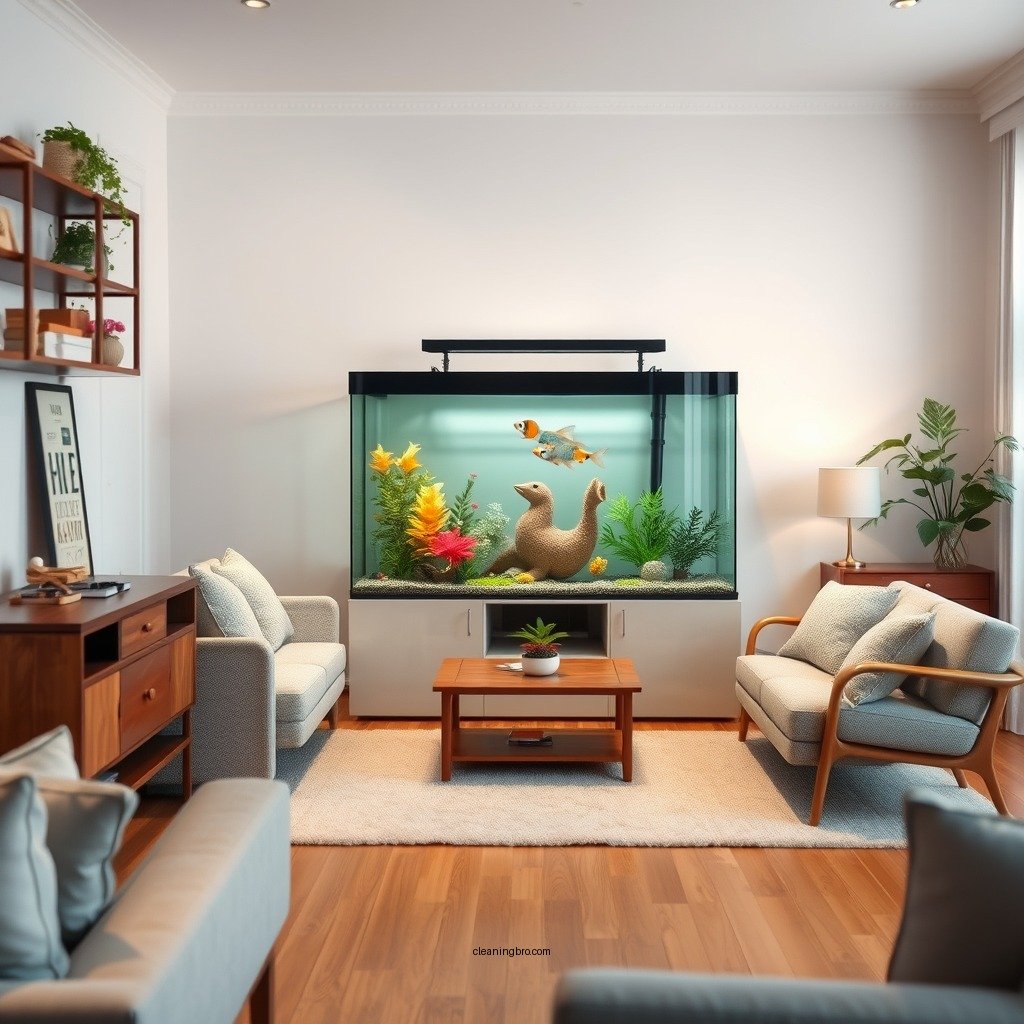
Clean decorations help maintain water quality and clarity. Over time, fish tank decorations can accumulate waste, algae, and other organic matter, which can lead to a decline in water quality. This environment is not only unappealing for human eyes but can also negatively affect the health of your fish. Algae and debris can harm fish and other aquatic life by depleting oxygen levels, promoting the growth of harmful bacteria, and creating toxic conditions.
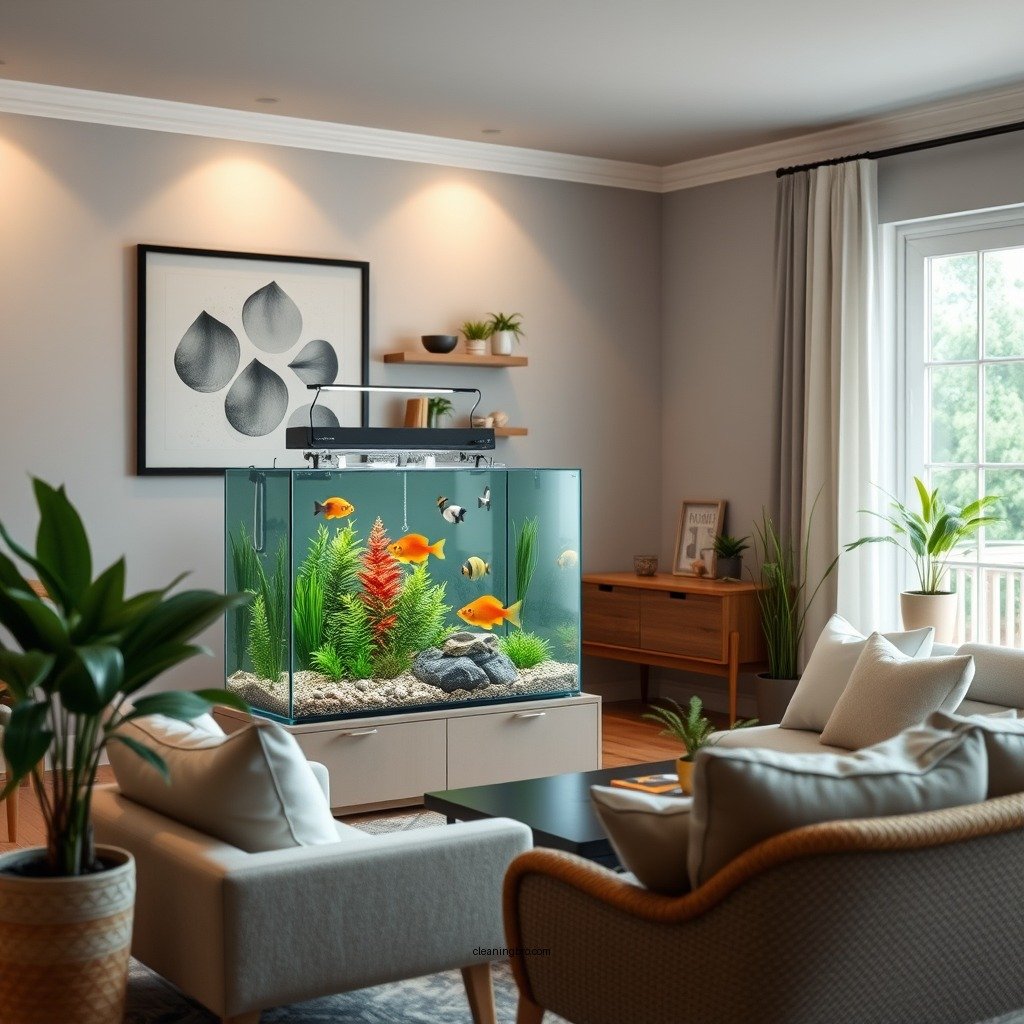
Maintaining clean decorations is also vital for the aesthetic appeal of your aquarium. A clean tank showcases vibrant fish and beautiful plants, creating a serene environment that can be enjoyed by both the aquarium keeper and visitors alike. Therefore, regular cleaning of fish tank decorations is a critical part of aquarium maintenance that should not be overlooked.
Preparing for the Cleaning Process
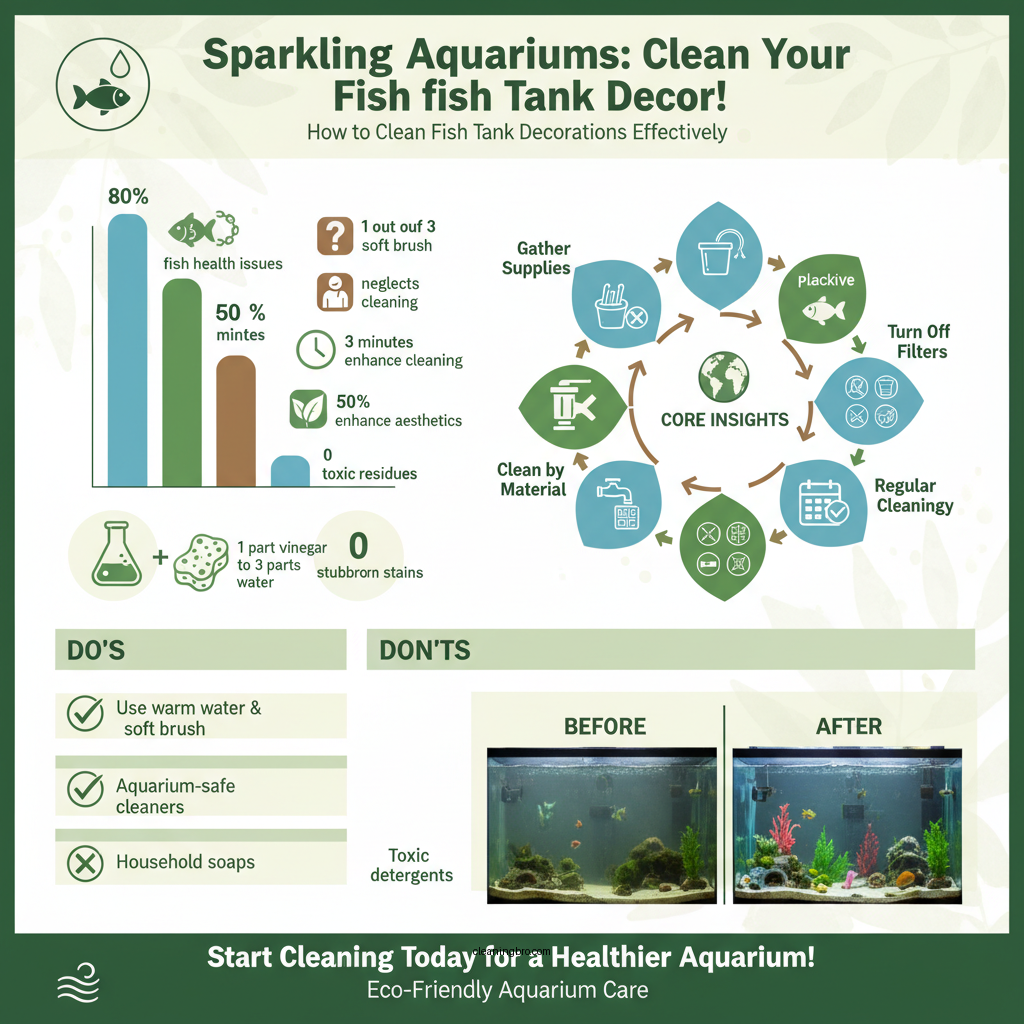
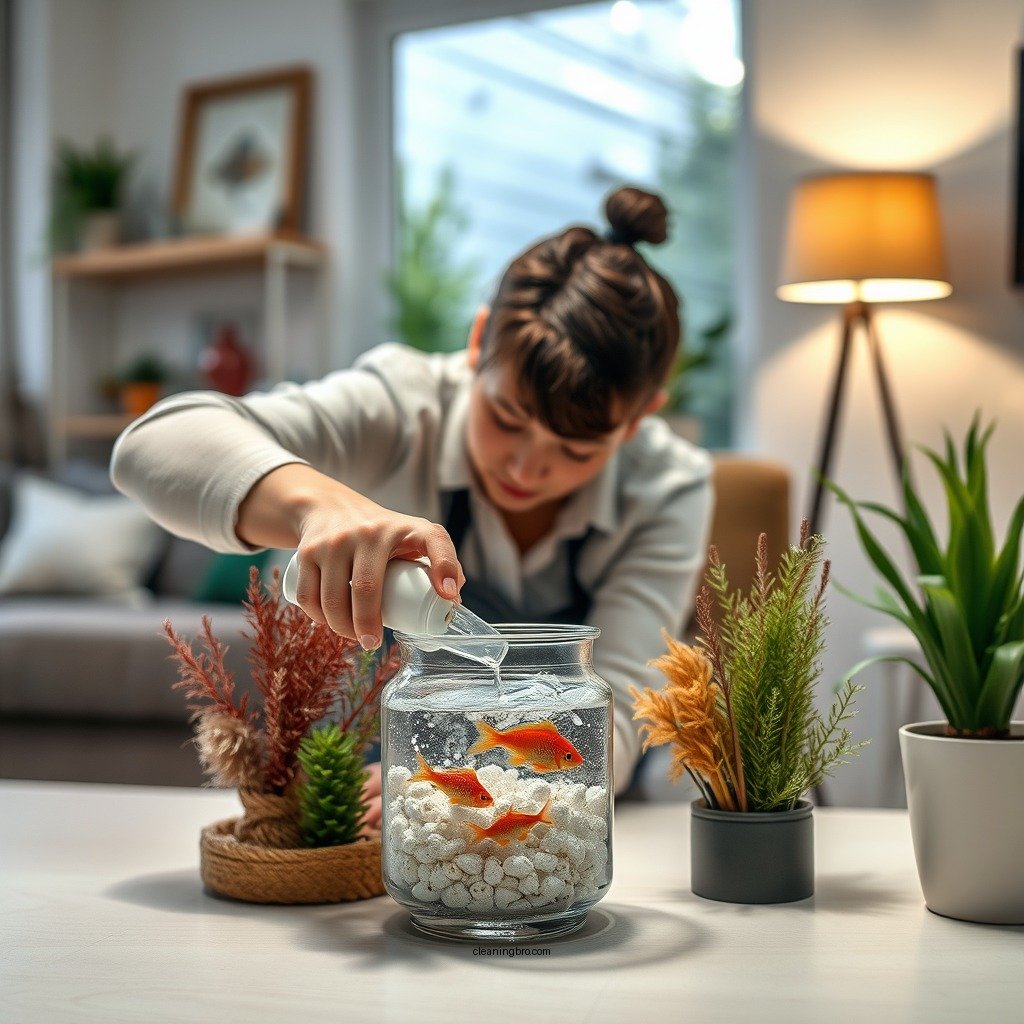
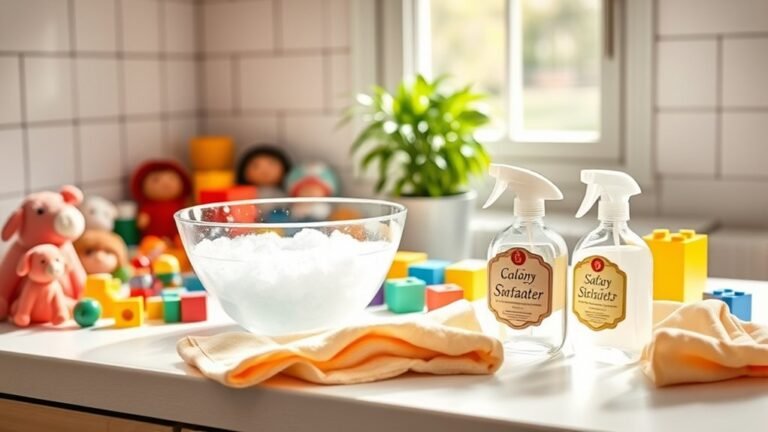
Before you start cleaning, it’s important to gather the necessary supplies to make the process smooth and efficient. Essential items include a soft brush or sponge, a bucket, and an aquarium-safe cleaner. Avoid using household soaps or detergents as they can leave toxic residues that are harmful to fish.
Next, remove the decorations from the tank carefully. It’s crucial to do this gently to avoid stressing the fish. If possible, consider placing your fish in a temporary holding tank or ensuring they have enough space to avoid overcrowding while you clean. Always remember to turn off any filtration systems before removing decorations to prevent any unnecessary turbulence in the water that could stress your fish.
Cleaning Techniques for Different Materials
Fish tank decorations come in various materials, and the cleaning methods may vary accordingly.
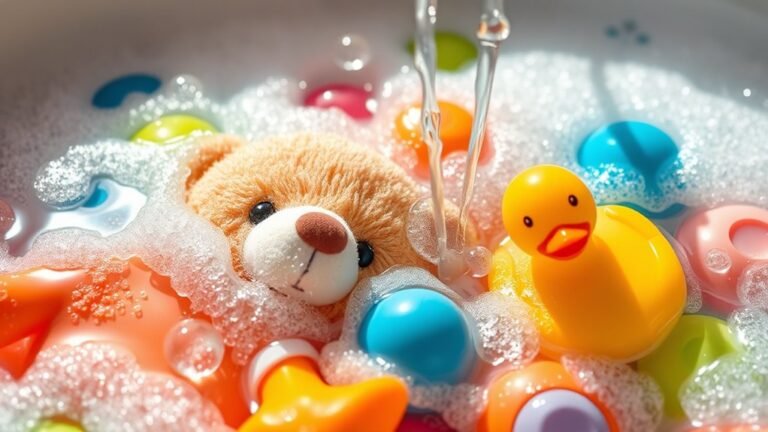
– For Plastic Decorations: Use warm water and a soft brush to scrub off any algae or debris. Make sure to avoid soaps or chemical cleaners, as they can be harmful to aquatic life. Rinsing thoroughly with warm water is essential to remove any residual dirt.
– For Resin or Ceramic Decorations: These materials can sometimes harbor stubborn stains. Soaking them in a solution of vinegar and water can effectively break down these stains. You can create a mixture of one part vinegar to three parts water and let the decorations soak for about 15-30 minutes. After soaking, scrub with a soft brush and rinse thoroughly.
– For Natural Decorations: If you have rocks or driftwood, it’s best to scrub them under running water to remove any unwanted growth without using chemicals.
– For Glass Aquascapes: If your decorations include glass or acrylic pieces, a specific glass cleaner formulated for aquariums can be used. Always ensure that it is free from ammonia and other harmful chemicals.
Top 7 Fish Tank Decoration Materials and Cleaning Methods
| # | Material | Cleaning Method | Frequency | Durability |
|---|---|---|---|---|
| 1 | Plastic | Warm water & soft brush | Monthly | High |
| 2 | Resin | Vinegar soak & scrub | Every 2 months | Medium |
| 3 | Ceramic | Vinegar soak & scrub | Every 3 months | High |
| 4 | Glass | Aquarium-safe cleaner | Bi-monthly | Very High |
| 5 | Natural (Wood, Rocks) | Scrub under running water | As needed | Medium |
| 6 | Silicone | Warm soapy water | Every 3 months | High |
| 7 | Acrylic | Soft cloth & water | Monthly | Medium |
Dealing with Algae Buildup
Algae buildup is a common issue in aquariums, and it can significantly detract from the beauty of your decorations. To effectively deal with this, you can scrub decorations with a toothbrush or an algae pad specifically designed for aquarium use. These tools are gentle enough to avoid scratching your decorations while still being effective at removing algae.
In addition to manual cleaning, consider introducing algae-eating fish or snails into your aquarium as a preventative measure. Species such as the Siamese algae eater or certain types of snails can help keep algae levels under control, thereby reducing the frequency of manual cleaning you’ll need to perform. However, always ensure that the new inhabitants are compatible with your existing fish and overall tank environment.
Rinsing and Replacing Decorations
Once you have thoroughly cleaned your decorations, the next step is rinsing. It’s crucial to rinse thoroughly with fresh water to remove any cleaning solution or residue left behind. Even aquarium-safe cleaners can leave a residue if not rinsed properly. After rinsing, allow the decorations to dry completely before placing them back in the tank. This helps ensure that no harmful substances are introduced back into the aquarium environment.
When returning decorations to the tank, consider rearranging them to create a fresh look. This not only enhances the aesthetic appeal but also allows fish to explore new hiding spots, which can reduce stress and promote natural behaviors.
Regular Maintenance Tips
Scheduling routine cleanings based on your tank’s algae growth and debris levels is essential for maintaining a healthy aquarium. Most aquarium enthusiasts recommend performing a thorough cleaning every 4-6 weeks, but this can vary based on tank conditions, such as the number of fish and plants, lighting, and feeding practices.
Additionally, monitoring the tank’s water parameters—such as pH, nitrate, and ammonia levels—can help anticipate when cleaning is necessary. Keeping a log of these parameters can aid in establishing a cleaning schedule that aligns with the specific needs of your aquarium.
Signs It’s Time for a Deep Clean
There are several signs that indicate it may be time for a deep clean of your aquarium decorations and environment:
1. Noticeable Changes in Water Clarity or Odor: If the water appears cloudy or presents an unusual odor, it may indicate that organic matter has built up and needs to be addressed.
2. Excessive Algae Growth: If decorations are heavily covered in algae, it’s time to scrub them clean and evaluate any underlying issues with water quality or lighting.
3. Decoration Discoloration: If you notice that your decorations are fading or changing color, this may be a sign that they are harboring unwanted materials or chemicals that need to be cleaned off.
Being proactive in identifying these signs can help prevent more significant issues and ensure a vibrant and healthy aquarium.
Maintaining clean fish tank decorations is crucial for the health of your aquarium. By following these cleaning techniques and maintenance tips, you can ensure a vibrant and safe environment for your aquatic life. Start implementing these practices today to enjoy a beautifully clean fish tank!
Frequently Asked Questions
What are the best methods to clean fish tank decorations without harming the fish?
The best methods to clean fish tank decorations include using warm water and a soft brush, or a non-toxic aquarium-safe cleaner. Avoid using soaps or harsh chemicals, as they can be harmful to fish. Rinse the decorations thoroughly before placing them back in the tank to ensure any residues are completely removed.
How often should I clean my fish tank decorations?
You should clean your fish tank decorations at least once a month, or whenever you perform a water change. Regular cleaning helps prevent algae buildup and maintains a healthy environment for your fish. Additionally, inspect the decorations for any signs of damage or wear during each cleaning session.
Why is it important to clean fish tank decorations regularly?
Cleaning fish tank decorations regularly is crucial to prevent algae growth, which can harm the aesthetic of your aquarium and affect water quality. Accumulated waste and debris can lead to harmful bacteria, putting your fish’s health at risk. A clean tank also enhances the overall environment, promoting fish well-being.
Which cleaning tools are recommended for aquarium decorations?
Recommended cleaning tools for aquarium decorations include a soft-bristled brush, a sponge, and a bucket specifically used for aquarium maintenance. Avoid using abrasive materials that could scratch the surfaces of your decorations. Additionally, an algae scraper can be useful for removing stubborn algae from hard surfaces.
How can I remove stubborn algae from my fish tank decorations?
To remove stubborn algae from fish tank decorations, soak the affected items in a solution of warm water and aquarium-safe vinegar for about 15 minutes. After soaking, use a soft brush to scrub the algae off gently. Rinse the decorations thoroughly before returning them to the tank to ensure all vinegar residues are removed.
References
- Aquarium
https://en.wikipedia.org/wiki/Aquarium - https://www.purdue.edu/wfs/
https://www.purdue.edu/wfs/ - https://www.cdc.gov/healthywater/drinking/home/aquarium.html
https://www.cdc.gov/healthywater/drinking/home/aquarium.html - https://www.nature.com/articles/s41598-020-60050-5
https://www.nature.com/articles/s41598-020-60050-5 - https://pubmed.ncbi.nlm.nih.gov/23655398/
https://pubmed.ncbi.nlm.nih.gov/23655398/ - https://www.britannica.com/animal/aquarium-fish
https://www.britannica.com/animal/aquarium-fish - https://www.sciencedirect.com/science/article/pii/S2351978917300147
https://www.sciencedirect.com/science/article/pii/S2351978917300147 - Google Scholar Google Scholar
https://scholar.google.com/scholar?q=how+to+clean+fish+tank+decorations - Google Scholar Google Scholar
https://scholar.google.com/scholar?q=fish+tank+cleaning+methods - Google Scholar Google Scholar
https://scholar.google.com/scholar?q=cleaning+aquarium+decorations+guidelines