

Cleaning a deer typically takes between 30 minutes to two hours, depending on factors such as experience, tools, and the size of the deer. Efficiently cleaning a deer is crucial for preserving meat quality and ensuring a hygienic processing environment. In this article, we’ll explore the various aspects that influence the time it takes to clean a deer, along with tips for making the process more efficient.
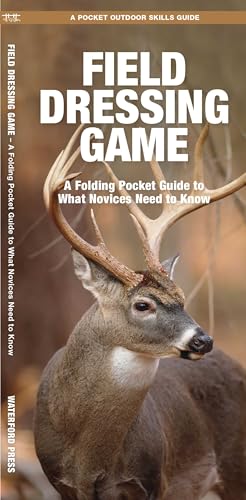



Understanding the Cleaning Process

Cleaning a deer involves several key steps, notably field dressing and skinning. Field dressing refers to removing the internal organs and preparing the carcass for further processing. This step is essential not only for meat quality but also for reducing the risk of contamination. The process begins immediately after the deer is harvested to minimize spoilage.
Following field dressing, the next step is skinning, which involves carefully removing the hide from the deer. This requires a steady hand and proper technique to avoid damaging the meat. The final step is quartering, where the carcass is divided into manageable sections for transportation and storage. Proper techniques in each of these steps are vital; they ensure that the meat remains uncontaminated and is prepared for cooking or storage in the best possible condition.
Factors Affecting Cleaning Time


Several factors can influence how long it takes to clean a deer:
1. Experience Level: A seasoned hunter or processor will typically work faster than someone who is new to the process. Familiarity with the anatomy and efficient cutting techniques can significantly reduce cleaning time.
2. Size and Condition of the Deer: Larger deer, or those that may have sustained injuries during the hunt, can take longer to clean. A deer with a larger body mass may require additional time for both field dressing and skinning, as more effort is needed to manage its weight and size.
3. Tools Used: The right tools can also make a considerable difference. Quality knives, gut hooks, and other specialized tools can streamline the cleaning process and improve efficiency.
4. Environmental Conditions: Weather and terrain can impact the speed of cleaning. Hunting in wet or cold conditions may slow the process, as hunters may take extra precautions to maintain hygiene and protect the meat.
Essential Tools for Quick Cleaning

Having the right tools on hand can significantly reduce the time it takes to clean a deer. Here’s a list of essential tools that can speed up the process:
– Hunting Knife: A sharp, durable knife is essential for skinning and gutting.
– Gut Hook: This specialized knife helps to open the abdomen without puncturing internal organs.
– Bone Saw: Useful for quartering the deer, especially if you’re working with larger species.
– Cutting Board: A portable cutting board can provide an organized workspace.
– Game Bags: These bags help protect the meat after cleaning and are essential for transport.
– Gloves: Disposable gloves can maintain hygiene and prevent contamination.
– Water Source: Access to clean water is important for rinsing tools and cleaning hands during the process.
For hunters on the go, portable cleaning kits that contain the essential tools can be invaluable. These kits often include compact knives, saws, and even storage solutions.
Essential Tools for Cleaning a Deer
| # | Tool | Purpose | Recommended Brand |
|---|---|---|---|
| 1 | Hunting Knife | Skinning and gutting | Havalon |
| 2 | Gut Hook | Opening abdomen | Outdoor Edge |
| 3 | Bone Saw | Quartering | Gerber |
| 4 | Cutting Board | Organized workspace | Field & Stream |
| 5 | Game Bags | Meat protection | Alaska Game Bags |
| 6 | Gloves | Hygiene | Duke |
| 7 | Water Source | Rinsing tools | N/A |
Step-by-Step Guide to Cleaning a Deer
Cleaning a deer can be broken down into three main steps: field dressing, skinning, and quartering. Here’s a detailed breakdown of each step:
1. Field Dressing:
– Preparation: Find a clean, flat surface, and ensure you have your tools ready.
– Cutting: Make a shallow incision in the abdomen, starting at the breastbone and going down to the pelvic area. Be careful not to puncture any organs.
– Removing Organs: Gently pull out the internal organs while cutting any connective tissue. This should be done as quickly as possible to prevent spoilage.
2. Skinning:
– Skin Removal: Start by making cuts at the legs and around the neck. Use a sharp knife to separate the hide from the meat, pulling the hide down as you cut.
– Avoiding Damage: Keep the blade angled towards the hide to avoid cutting into the meat. Work slowly and methodically.
3. Quartering:
– Dividing the Carcass: Use a bone saw to cut the deer into quarters for easier transport.
– Cleaning the Meat: Trim any excess fat or damaged areas from the meat. Rinse if necessary, and place the meat in game bags.
Tips for Maintaining an Organized Workspace:
– Lay out your tools in the order you will use them.
– Keep a trash bag nearby for disposing of entrails and other waste.
– Work with a partner if possible, as this can speed up the process and make handling easier.
Common Mistakes to Avoid
When cleaning a deer, several common mistakes can prolong the process or lead to contamination:
– Improper Cutting Techniques: Using dull knives or incorrect cutting angles can lead to more work and potential meat damage. Ensure your tools are sharp and suited for the task.
– Rushing the Process: Many hunters may attempt to hurry through cleaning, which can lead to mistakes and spoilage. Take your time, especially during field dressing.
– Ignoring Hygiene: Failing to wear gloves or not washing hands and tools can introduce bacteria into the meat. Always prioritize sanitation.
– Neglecting to Cool the Meat: After cleaning, it’s crucial to cool the meat quickly to prevent bacterial growth. This can be done by placing the meat in a cool environment or using ice packs.
Post-Cleaning Considerations
After successfully cleaning a deer, there are several important considerations for meat care and storage:
– Meat Care: Rinse the meat if necessary and pat it dry with clean cloths. Trim any fat or connective tissue that could spoil.
– Storage Options: The cleaned meat can be vacuum-sealed for long-term storage or wrapped in butcher paper for shorter durations. Ensure that the meat is kept at a consistent, cool temperature to maintain freshness.
– Sanitation: Clean all tools thoroughly after use and wash your hands. This prevents cross-contamination and prepares your gear for next time.
In summary, cleaning a deer can take anywhere from 30 minutes to two hours, influenced by various factors like experience, size, and equipment. By understanding the cleaning process and having the right tools, you can make the task more efficient. For more tips and techniques, consider exploring additional resources or joining a local hunting workshop.
Frequently Asked Questions
How long does it typically take to clean a deer after a hunt?
The time it takes to clean a deer can vary depending on your experience and the tools you have available, but generally, it takes between 30 minutes to 1 hour. If you are familiar with the process and have the right equipment, it can be done more quickly. However, beginners may take longer as they learn the best techniques for field dressing and butchering.
What are the steps involved in cleaning a deer?
Cleaning a deer involves several key steps: first, you must field dress the animal by removing the internal organs, which helps cool the meat and prevent spoilage. Next, you should skin the deer, followed by the quartering process where you separate the meat from the bones. Each step is crucial for ensuring the quality of the meat and should be done with care and cleanliness.
Why is it important to clean a deer as soon as possible?
Cleaning a deer promptly is essential to preserve the quality of the meat and prevent bacterial growth. The longer you wait, the higher the risk of spoilage, which can affect the taste and safety of the meat you consume. Additionally, a quick and effective cleaning process helps maintain the integrity of the meat, ensuring it remains fresh for processing and consumption.
What tools do I need for cleaning a deer efficiently?
To clean a deer efficiently, you’ll need a sharp knife for field dressing, a bone saw for quartering, and a pair of gloves for hygiene. Optional tools like a gut hook, a skinning knife, and a game cart can also make the process easier. Having the right equipment can significantly reduce the time spent cleaning and improve the overall quality of the meat.
Which methods are best for cleaning and processing deer meat?
The best methods for cleaning and processing deer meat include the field dressing technique, which should be done as soon as possible, followed by skinning and quartering. Many hunters also choose to hang the deer in a cool environment for several days, allowing the meat to age and enhance its flavor. Utilizing proper techniques and tools during the process ensures that you maximize the yield and quality of the meat.
References
- How to Field Dress a Deer – wikiHow
https://www.wikihow.com/Field-Dress-a-Deer - https://www.extension.purdue.edu/extmedia/FNR/FNR-123-W.pdf
https://www.extension.purdue.edu/extmedia/FNR/FNR-123-W.pdf - https://www.sciencedirect.com/topics/agricultural-and-biological-sciences/deer-processing
https://www.sciencedirect.com/topics/agricultural-and-biological-sciences/deer-processing - Deer | Characteristics, Species, Types, Family, & Facts | Britannica
https://www.britannica.com/animal/deer - https://pubmed.ncbi.nlm.nih.gov/25994940/
https://pubmed.ncbi.nlm.nih.gov/25994940/ - https://www.cdc.gov/healthypets/resources/animal-processed-foods.html
https://www.cdc.gov/healthypets/resources/animal-processed-foods.html - Google Scholar Google Scholar
https://scholar.google.com/scholar?q=cleaning+deer+time - Google Scholar Google Scholar
https://scholar.google.com/scholar?q=field+dressing+deer+techniques - Google Scholar Google Scholar
https://scholar.google.com/scholar?q=how+long+does+it+take+to+clean+a+deer - how long does it take to clean a deer – Search results
https://en.wikipedia.org/wiki/Special:Search?search=how+long+does+it+take+to+clean+a+deer
