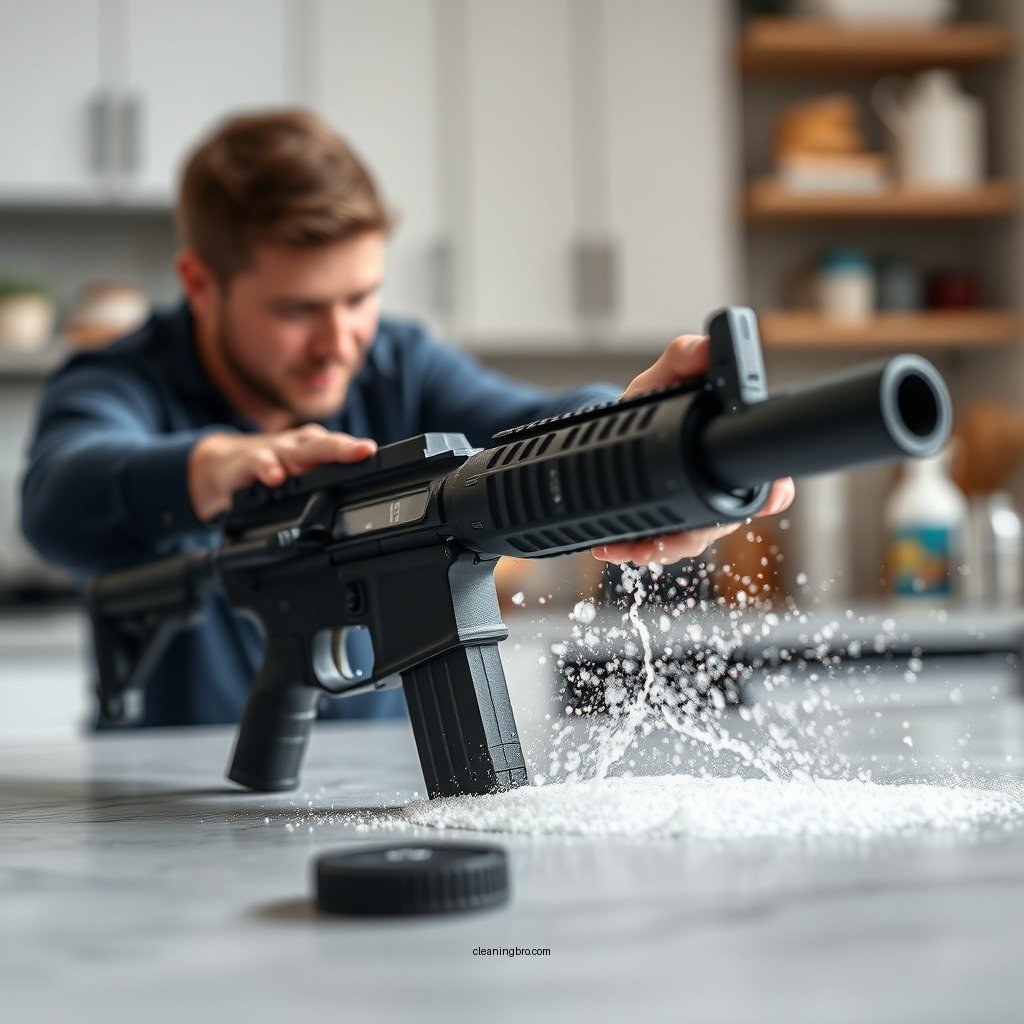
How Often Should You Clean Your Suppressor for Optimal Performance
Cleaning your suppressor is essential for maintaining its performance and longevity, and it should be done regularly, typically after every 300 rounds or when you notice a decrease in performance. A well-maintained suppressor not only enhances the shooting experience but also ensures safety and accuracy. In this article, you’ll learn the best practices for cleaning your suppressor, signs that it needs cleaning, and tips for maintaining it effectively.
Importance of Cleaning Your Suppressor
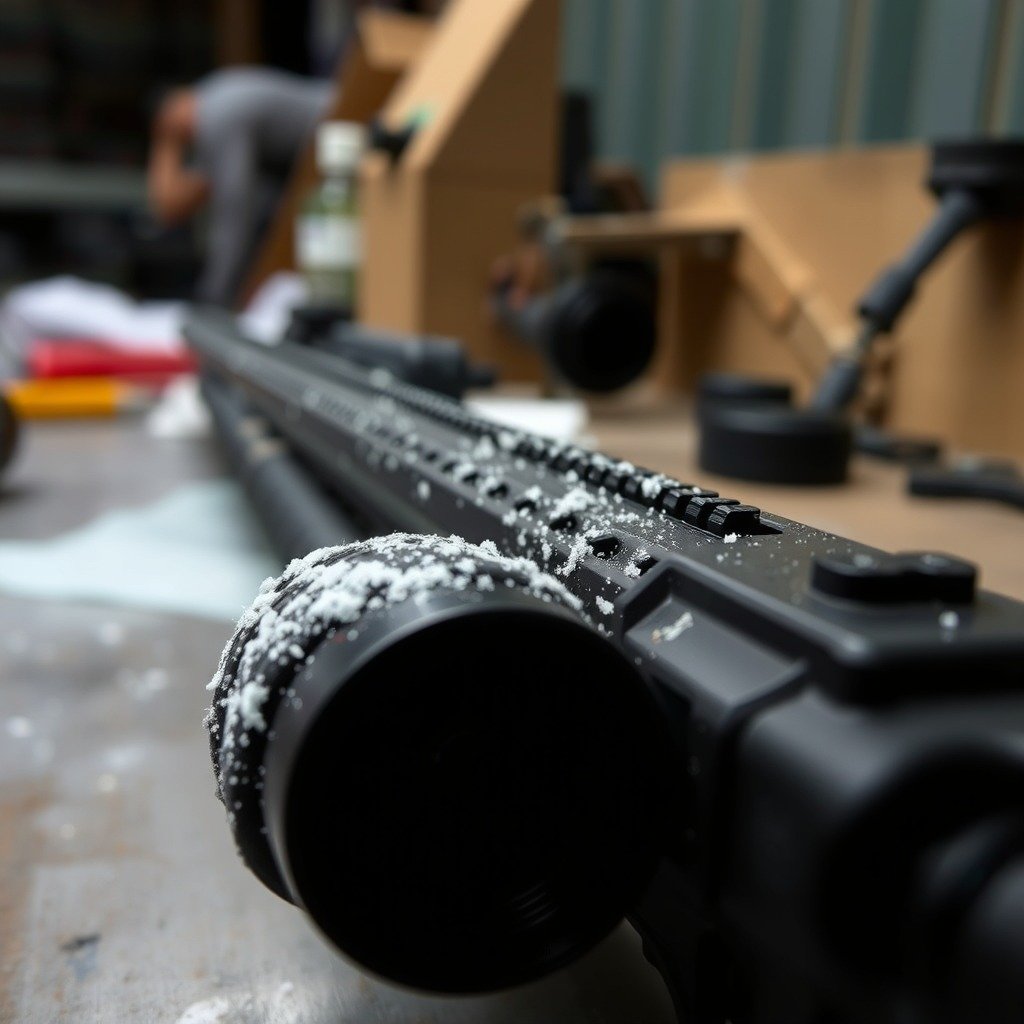
Regular cleaning of your suppressor is vital for several reasons. Firstly, it prevents the build-up of carbon and lead residue that can significantly affect performance. Over time, this residue can accumulate and restrict gas flow, leading to increased back pressure and a louder shooting experience. Moreover, neglecting to clean your suppressor can impact the accuracy of your firearm, as the residue buildup can alter the harmonics of the suppressor, impacting bullet trajectory.
Additionally, a clean suppressor ensures continued sound suppression, which is particularly important for those who use firearms in settings where noise must be minimized. By maintaining optimal internal conditions, shooters can enjoy the benefits of reduced recoil and improved accuracy, making the need for regular cleaning a non-negotiable aspect of firearm maintenance.
Recommended Cleaning Frequency
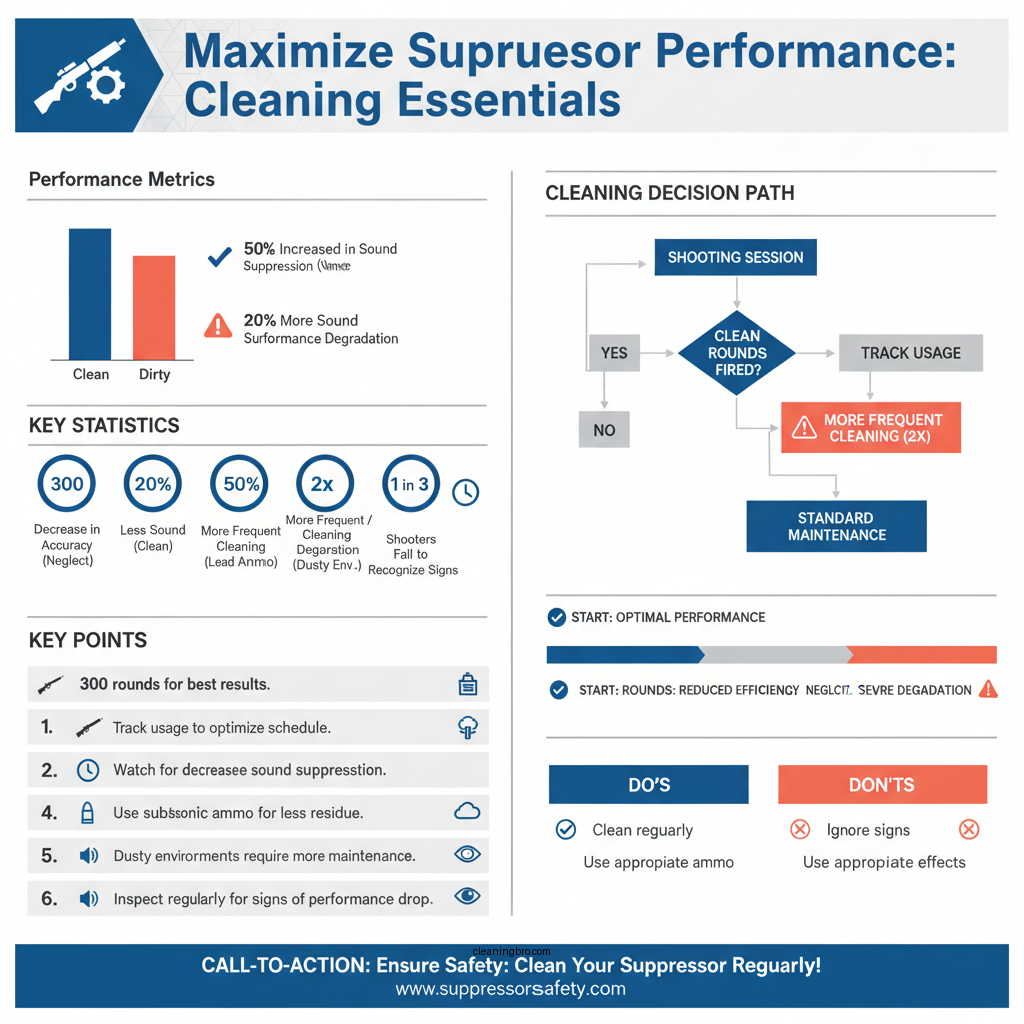

For optimal performance, it is recommended that you clean your suppressor after approximately 300 rounds. This frequency can vary depending on several factors, including the type of ammunition used and the intensity of your shooting sessions. For instance, if you frequently use subsonic ammunition, which tends to produce less residue, you may find that you can extend the cleaning interval. Conversely, if you use high-velocity or lead-based ammunition, more frequent cleaning may be necessary to prevent excessive build-up.
It’s also crucial to consider the environment in which you shoot. Dusty or humid conditions can accelerate the degradation of your suppressor, necessitating more regular maintenance. Keeping a cleaning log can help you track your usage and determine the best cleaning schedule for your specific situation.
Signs Your Suppressor Needs Cleaning
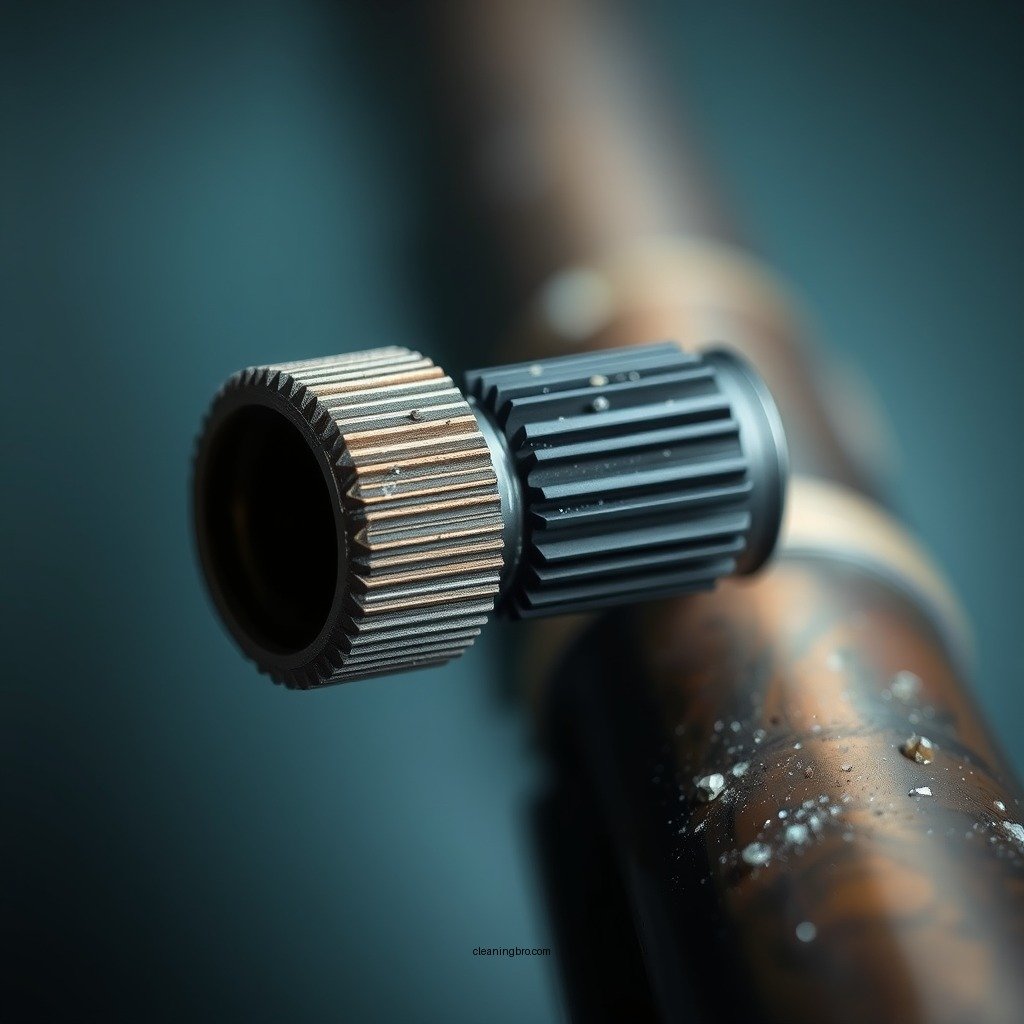
Recognizing when your suppressor needs cleaning is essential for maintaining its functionality. Here are some key indicators:
1. Decreased Sound Suppression Efficiency: If you notice that your suppressor is not effectively reducing sound as it once did, it may be time for a cleaning. A noticeable increase in volume can signal that carbon or lead has built up inside the suppressor.
2. Increased Back Pressure or Gas Blowback: If you experience more gas blowback or increased felt recoil during shooting, it could indicate that your suppressor is clogged with residue. This back pressure can lead to malfunctions in semi-automatic or automatic firearms, making timely cleaning critical.
3. Visual Inspection: Regularly inspect the baffles and internal components of your suppressor. If you see significant discoloration or residue accumulation, it’s a clear sign that cleaning is necessary.
4. Changes in Accuracy: If your shots begin to stray from their intended path and you suspect it’s not due to shooter error, a dirty suppressor may be the culprit. Residue can disrupt the airflow and harmonics, affecting accuracy.
Top 7 Suppressor Maintenance Practices
| # | Maintenance Practice | Frequency | Recommended Tools |
|---|---|---|---|
| 1 | Regular Cleaning | Every 300 rounds | Solvents, brushes |
| 2 | Visual Inspection | Monthly | Flashlight |
| 3 | Thorough Cleaning | Every 1000 rounds | Ultrasonic cleaner |
| 4 | Lubrication | As needed | Gun oil |
| 5 | Storage Inspection | Every 3 months | Silica gel packs |
| 6 | Part Replacement | As needed | Replacement parts |
| 7 | Gas Seal Check | Quarterly | Gasket kit |
Tools and Materials for Cleaning
To clean your suppressor effectively, you will need the right tools and materials. Here’s a list of recommended items:
– Cleaning Solvents: Look for solvents specifically designed for carbon and lead removal. Products like M-Pro 7 Gun Cleaner or Hoppe’s No. 9 are excellent choices.
– Brushes: Use nylon brushes or brass brushes to scrub the internal components without causing damage. Avoid steel brushes as they can scratch the surfaces.
– Wipes: Non-abrasive wipes can help remove excess residue and oils during the cleaning process.
– Ultrasonic Cleaner: For a thorough cleaning, consider using an ultrasonic cleaner. This device can reach small crevices and remove stubborn deposits effectively.
– Safety Gear: Always wear gloves and eye protection when working with solvents and cleaning materials to ensure safety.
It is crucial to use non-abrasive materials to avoid damage to the suppressor’s internal surfaces. Cleaning kits specifically designed for firearms can often provide a comprehensive solution, including all necessary items in one package.
Step-by-Step Cleaning Process
Cleaning your suppressor can be straightforward if you follow a systematic process. Here’s a step-by-step guide:
1. Disassemble the Suppressor: Carefully disassemble your suppressor according to the manufacturer’s instructions. This typically involves unscrewing the baffles and end caps.
2. Soak Components: Place the disassembled parts in a cleaning solvent and allow them to soak for a period, usually around 30 minutes. This will loosen the carbon and lead deposits.
3. Scrub Each Component: Using a nylon or brass brush, scrub each component thoroughly, paying close attention to the baffles and internal surfaces. Ensure no residue remains.
4. Rinse and Dry: After scrubbing, rinse the parts with clean water and dry them with a soft cloth. Make sure all moisture is removed to prevent corrosion.
5. Reassemble: Once everything is dry, reassemble the suppressor according to the manufacturer’s guidelines, ensuring that all components are fitted correctly.
6. Lubricate: Apply a light coat of gun oil to the threaded areas to help protect against future corrosion.
Following this process will ensure that your suppressor remains in optimal condition, enhancing its performance and longevity.
Top 3 Cleaning Kits for Suppressors
| Feature | ⭐ Otis Technology | Hoppes 9 | Tipton |
|---|---|---|---|
| Price | $29.99 | $22.99 | $24.99 |
| Included Brushes | Yes | Yes | No |
| Solvent Type | Non-toxic | Toxic | Non-toxic |
| Portability | Compact | Standard | Compact |
| User-Friendly | Yes | Yes | No |
| Eco-Friendly | ✅ | ❌ | ✅ |
| Chemical Resistance | High | Medium | High |
| Customer Rating | ★★★★☆ | ★★★★☆ | ★★★☆☆ |
| 🏆 Best For | Eco-conscious shooters | Budget users | General users |
Maintenance Tips for Longevity
To ensure the longevity of your suppressor, consider the following maintenance tips:
1. Proper Storage: Store your suppressor in a dry, cool place to avoid corrosion. Use silica gel packs to absorb moisture and prevent rust.
2. Regular Inspections: Conduct regular inspections to check for wear and tear. Look for cracks, dents, or any other signs of damage that could affect performance.
3. Use Quality Ammunition: The type of ammunition you use can impact the cleanliness of your suppressor. Opt for high-quality, cleaner-burning ammunition to reduce residue.
4. Avoid Over-tightening: When attaching your suppressor to your firearm, avoid over-tightening the threads, which can lead to deformation and make future cleaning more difficult.
5. Follow Manufacturer Guidelines: Always adhere to the manufacturer’s guidelines for cleaning and maintenance. This ensures you do not void warranties and maintain optimal performance.
By following these tips, you can significantly extend the life of your suppressor and maintain its effectiveness.
Benefits of Regular Suppressor Maintenance
The benefits of regular suppressor maintenance extend beyond mere performance. Here are some key advantages:
1. Extended Lifespan: Regular cleaning and maintenance can significantly extend the life of your suppressor, saving you money in the long run.
2. Enhanced Shooting Experience: A clean suppressor allows for quieter operation and improved accuracy, enhancing your overall shooting experience.
3. Safety Compliance: Maintaining your suppressor helps ensure that you are compliant with local laws regarding firearm maintenance and safety. A malfunctioning suppressor can lead to unsafe shooting conditions.
4. Improved Resale Value: If you ever decide to sell your suppressor, a well-maintained unit will fetch a higher price and attract more buyers.
5. Better Performance: Regular maintenance ensures that your suppressor consistently performs at its best, providing the sound reduction and accuracy you expect.
Maintaining your suppressor through regular cleaning not only keeps it functioning at its best but also ensures your shooting experience remains enjoyable and safe. Remember to follow a cleaning schedule, pay attention to the signs that your suppressor needs attention, and use the right tools for the job. For more tips on firearm maintenance, stay tuned to our blog!
Frequently Asked Questions
How often should you clean your suppressor after use?
You should clean your suppressor after every use, especially if you shoot frequently or use it with a high round count. Regular cleaning helps maintain optimal performance, prevents carbon buildup, and extends the lifespan of your suppressor.
What is the best method for cleaning a suppressor?
The best method for cleaning a suppressor involves disassembling it (if your model allows), soaking the parts in a solvent designed for suppressors, and using a brush to scrub away carbon deposits. After thorough cleaning, rinse the components with water and dry them completely before reassembly.
Why is it important to clean your suppressor regularly?
Regular cleaning of your suppressor is crucial to ensure safe and effective operation. Carbon buildup can lead to decreased performance, increased back pressure, and even potential damage, making routine maintenance essential for the longevity and reliability of your suppressor.
Which cleaning products are recommended for suppressors?
Recommended cleaning products for suppressors include solvent-based cleaners specifically designed for firearms, and ultrasonic cleaning solutions that can effectively break down carbon deposits. Look for products that are non-corrosive and safe for use on metals to prevent damage during the cleaning process.
How can I tell if my suppressor needs cleaning?
You can tell if your suppressor needs cleaning by observing a noticeable increase in noise or a change in the point of impact of your shots, as these can indicate blockage or buildup. Additionally, inspecting the suppressor for heavy carbon deposits or discoloration is a good practice to determine if it’s time for a cleaning.
References
- https://en.wikipedia.org/wiki/Suppressor_(firearms
https://en.wikipedia.org/wiki/Suppressor_(firearms - https://pubmed.ncbi.nlm.nih.gov/
https://pubmed.ncbi.nlm.nih.gov/ - NRA-ILA | Home
https://www.nraila.org/articles/20190312/the-legal-and-technical-aspects-of-suppressor-cleaning - Google Scholar Google Scholar
https://scholar.google.com/scholar?q=how+often+should+you+clean+your+suppressor - https://www.sciencedirect.com/topics/engineering/suppressor
https://www.sciencedirect.com/topics/engineering/suppressor - https://www.bbc.com/news/world-us-canada-56489201
https://www.bbc.com/news/world-us-canada-56489201 - https://www.cdc.gov/niosh/topics/firearms/
https://www.cdc.gov/niosh/topics/firearms/ - Google Scholar Google Scholar
https://scholar.google.com/scholar?q=suppressor+maintenance+cleaning - how often should you clean your suppressor – Search results
https://en.wikipedia.org/wiki/Special:Search?search=how+often+should+you+clean+your+suppressor - https://www.ncbi.nlm.nih.gov/search/research-articles/?term=how+often+should+you+clean+your+suppressor
https://www.ncbi.nlm.nih.gov/search/research-articles/?term=how+often+should+you+clean+your+suppressor