How to Clean Beer Taps: A Step-by-Step Guide
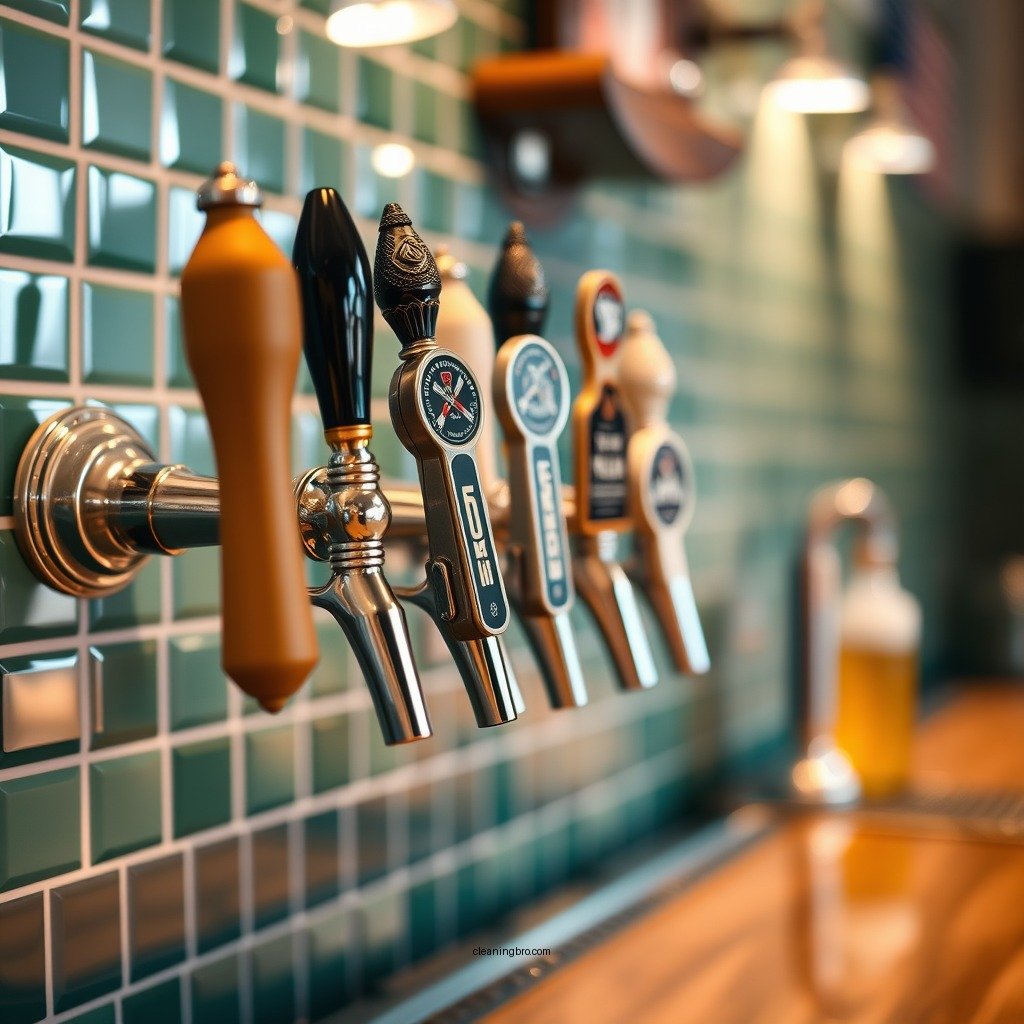
Cleaning beer taps is essential for maintaining the quality of your brew and ensuring a great tasting experience. To effectively clean beer taps, you should perform routine maintenance using the right tools and techniques. In this guide, you’ll learn the steps to thoroughly clean your beer taps and keep them in top condition.
Understanding the Importance of Cleaning Beer Taps
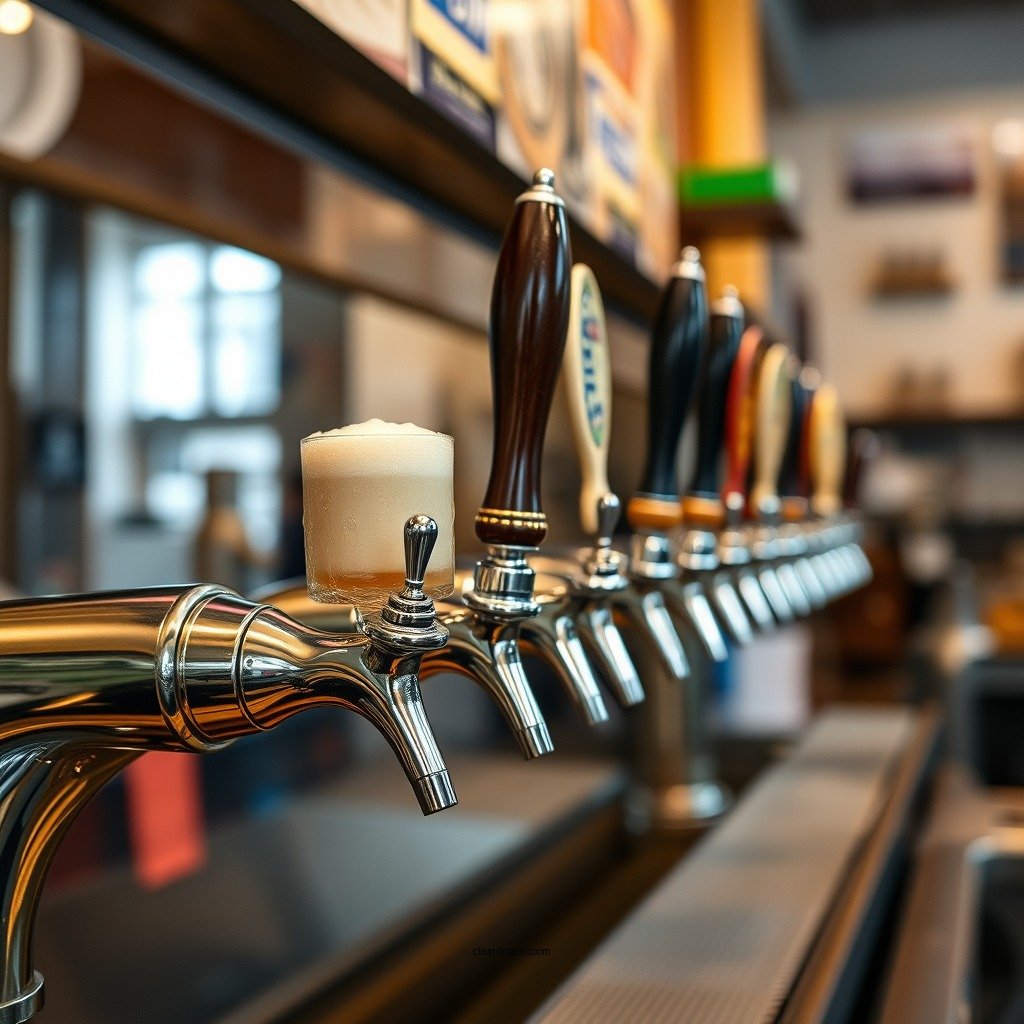
Additionally, maintaining the freshness and taste of the beer is imperative for customer satisfaction, especially if you operate a bar or restaurant. Patrons expect a clean and enjoyable drinking experience, and any compromise in quality can lead to lost business and negative reviews. By ensuring that your beer taps are clean, you cultivate a reputation for quality and care, enhancing the overall customer experience.
Tools and Supplies Needed
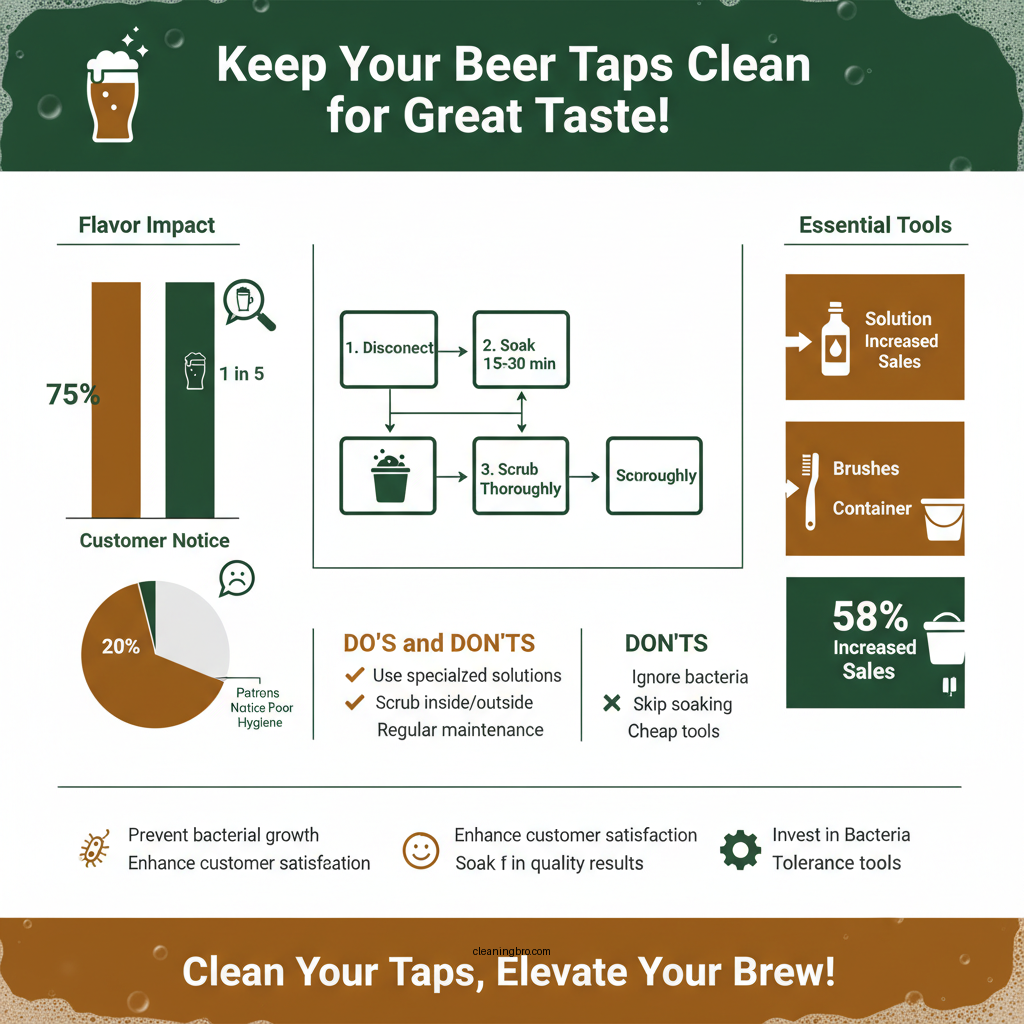
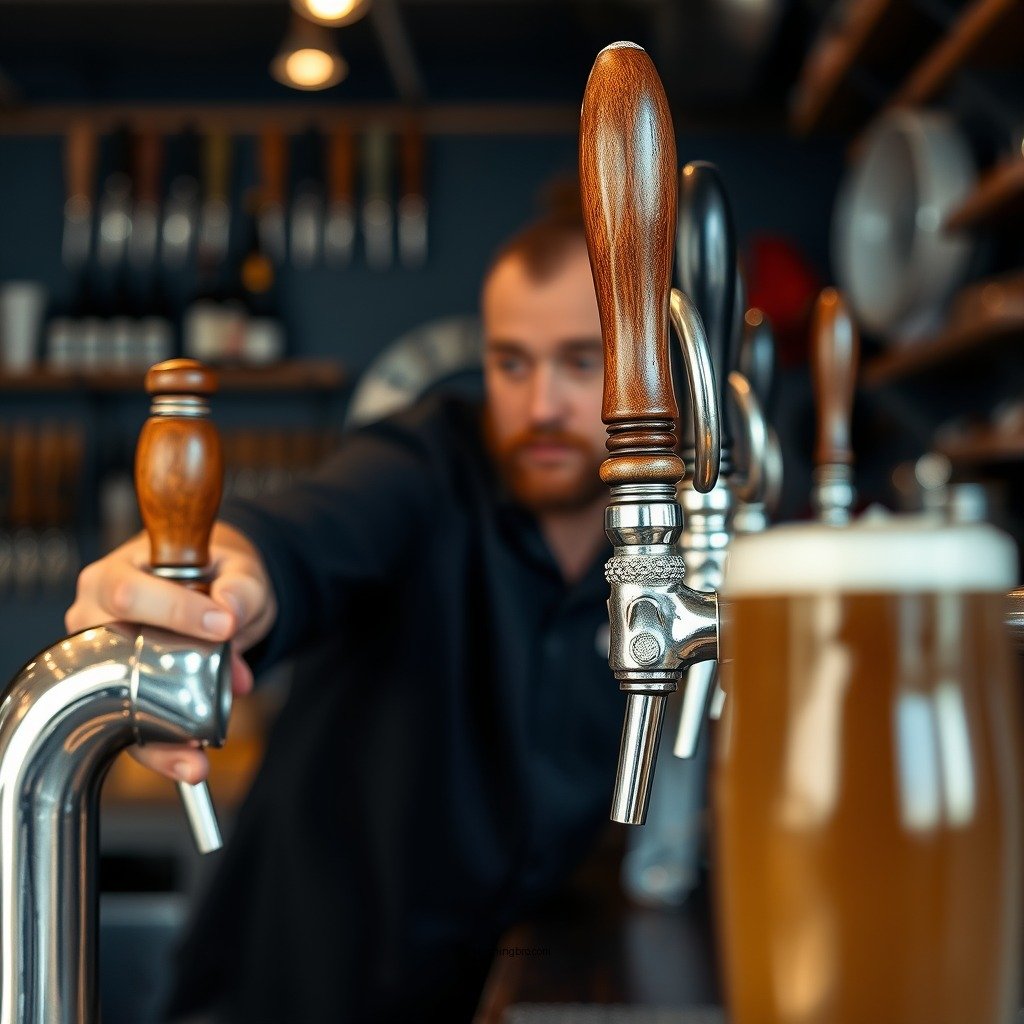
To effectively clean your beer taps, you will need the following tools and supplies:
– Cleaning Solution: Invest in a cleaning solution specifically designed for beer taps. These solutions are formulated to break down beerstone, yeast, and other residues without damaging the equipment.
– Brushes: A variety of brushes will be essential for thorough cleaning. Use a tap brush for the inside of the tap and a faucet head brush for the outside and areas that are hard to reach.
– Bucket or Container: A suitable container for soaking the tap and rinsing it after cleaning is necessary. Ensure that it can accommodate the size of your tap and cleaning solution.
Step-by-Step Cleaning Process
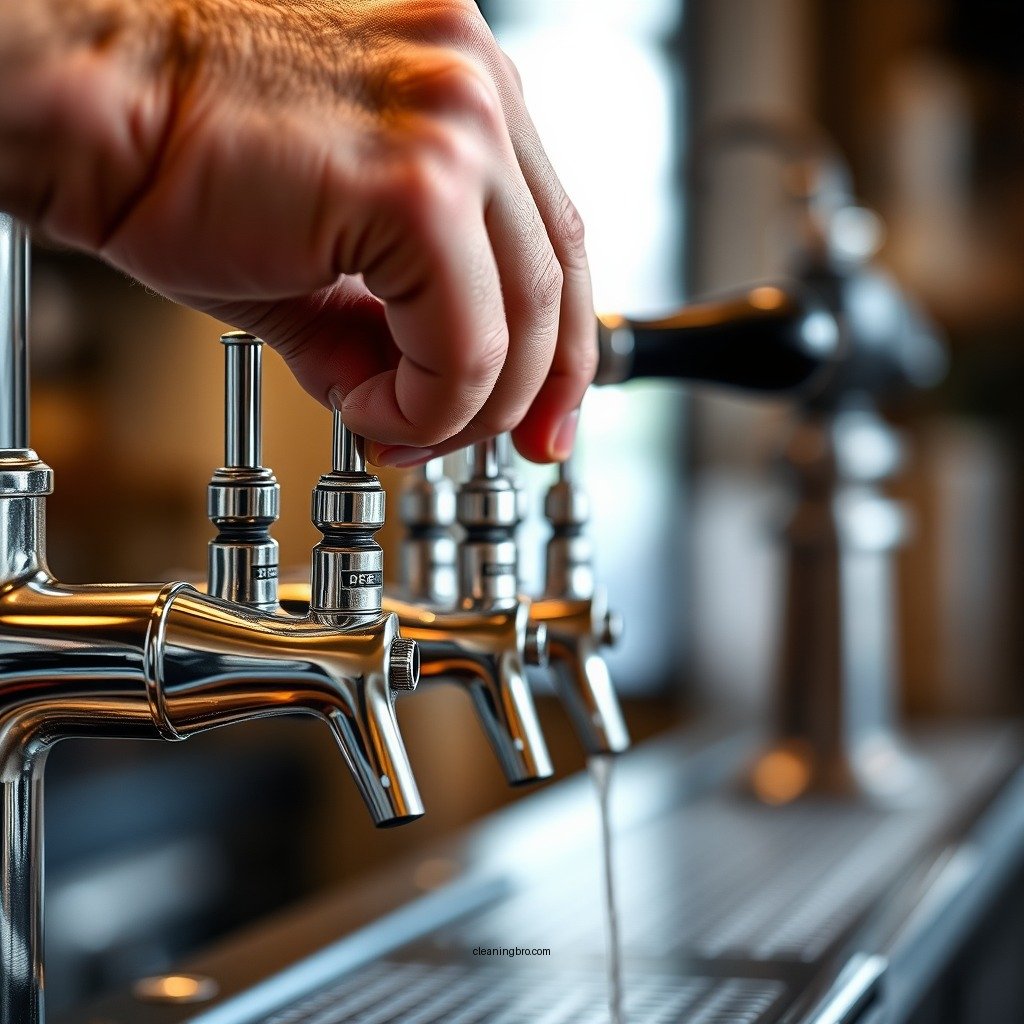
Cleaning beer taps is straightforward when you follow these steps:
1. Disconnect the Beer Line and Remove the Tap: Begin by turning off the gas supply to the keg and disconnecting the beer line from the tap. Carefully remove the tap from its mounting.
2. Soak the Tap in the Cleaning Solution: Fill a bucket or container with the cleaning solution, adhering to the manufacturer’s recommended dilution ratios. Submerge the tap completely, allowing it to soak for the recommended time, typically around 15 to 30 minutes, depending on the level of buildup.
3. Scrub the Inside and Outside of the Tap: After soaking, use a tap brush to scrub the inside of the tap thoroughly. Pay special attention to the area where the beer flows. Then, use a faucet head brush to clean the exterior and any crevices that may have accumulated dirt or grime.
4. Rinse: After scrubbing, rinse the tap under warm running water to remove any remaining cleaning solution and debris. Ensure that all nooks and crannies are thoroughly rinsed.
Rinsing and Reassembly
After cleaning, proper rinsing and reassembly are key steps:
1. Rinse the Tap Thoroughly: Use warm water to rinse the tap, ensuring that all traces of the cleaning solution are removed. Failure to do so can alter the beer’s flavor.
2. Reassemble the Tap and Reconnect It to the Beer Line: Once rinsed, reassemble the tap and securely reconnect it to the beer line, ensuring all fittings are tight.
3. Check for Leaks: After reassembly, check for any leaks by turning on the gas and pouring a small amount of beer. Monitor the connections and the tap for any signs of dripping.
Frequency of Cleaning
The frequency of cleaning beer taps depends on usage:
– Daily: If your establishment serves a high volume of beer daily, it is advisable to clean the taps every day. This ensures that any residue or buildup is promptly dealt with.
– Weekly: For bars with moderate usage, a weekly cleaning schedule may suffice. This helps maintain freshness without requiring daily labor.
– Signs that Indicate Your Taps Need Cleaning Sooner: If you notice off-flavors in the beer, excessive foam, or visual buildup on the taps or lines, it’s a clear sign that cleaning is overdue.
Additional Tips for Maintaining Beer Taps
To further ensure your beer taps remain in excellent condition, consider the following additional tips:
– Regular Inspections: Routinely inspect your beer taps for any signs of buildup or clogs. Early detection can prevent more significant issues and ensure a smooth pouring experience.
– Use a Dedicated Cleaning Kit: A dedicated cleaning kit simplifies the maintenance process. These kits typically include all necessary brushes and cleaning solutions, making it easier to adhere to your cleaning schedule.
– Educate Staff: Train your staff on the importance of cleaning beer taps and how to perform the cleaning process correctly. Having knowledgeable employees can streamline maintenance and enhance the quality of service.
Top 7 Beer Brands by Global Sales Volume (2023)
| # | Brand | Sales Volume (Million HL) | Country of Origin | Growth Rate |
|---|---|---|---|---|
| 1 | Budweiser | 34.5 | USA | +4.3% |
| 2 | Heineken | 27.1 | Netherlands | +3.8% |
| 3 | Corona | 17.5 | Mexico | +5.1% |
| 4 | Carlsberg | 12.8 | Denmark | -1.2% |
| 5 | Bud Light | 29.0 | USA | +2.9% |
| 6 | Stella Artois | 9.8 | Belgium | +6.0% |
| 7 | Foster’s | 4.1 | Australia | +2.3% |
Beer Cleaning Solutions: Best Options Compared
| Feature | ⭐ Beer Line Cleaner Pro | Brew Clean | Tap Clean Solution |
|---|---|---|---|
| Effective Against | Yeast & Bacteria | Beerstone | General Residue |
| Eco-Friendly | ✅ | ✅ | ❌ |
| Concentration Required | Dilute 1:5 | Dilute 1:3 | Ready to Use |
| Compatibility | All Systems | Most Systems | Specific Systems |
| Cost | $15.99 | $12.99 | $10.99 |
| Availability | Online & Retail | Online | Retail Only |
| Ease of Use | Simple | Moderate | Easy |
| Customer Rating | ★★★★★ | ★★★★☆ | ★★★☆☆ |
| Bulk Purchase Discount | Available | Not Available | Available |
| 🏆 Best For | Frequent Users | Occasional Cleaners | Budget-Friendly Users |
Maintaining clean beer taps is crucial for beverage quality and customer satisfaction. By following these cleaning steps and implementing a regular maintenance schedule, you can ensure that your beer is always served fresh and flavorful. Don’t forget to regularly check your taps for any signs of buildup, and consider investing in a cleaning kit to simplify the process. Keep your beer taps in top condition and enjoy the perfect pour!
Frequently Asked Questions
How often should I clean my beer taps?
It’s recommended to clean your beer taps every two weeks to maintain optimal hygiene and taste. Regular cleaning prevents the buildup of bacteria and yeast, which can affect the flavor of the beer and lead to poor pour quality.
What supplies do I need to clean beer taps effectively?
To clean beer taps effectively, you will need a beer line cleaning solution, a cleaning pump or bottle, a soft brush, and a bucket. Additionally, gloves and a cloth for drying will help ensure a thorough and hygienic cleaning process.
Why is it important to clean beer taps regularly?
Regular cleaning of beer taps is crucial because it prevents contamination that can spoil the beer’s flavor and aroma. It also helps to avoid issues like foaming, off-flavors, and clogged lines, ensuring that customers enjoy a high-quality beer experience.
What is the best method for cleaning beer taps?
The best method for cleaning beer taps involves using a dedicated beer line cleaning solution and following a systematic approach. First, disconnect the taps, then circulate the cleaning solution through the lines for about 15 minutes, and finally rinse thoroughly with clean water to ensure no residue remains.
Which types of beer line cleaners are most effective?
The most effective beer line cleaners are typically alkaline-based solutions, as they break down organic materials and residues more efficiently. Look for products specifically designed for beer systems, as they are formulated to be safe and effective without harming your equipment.
References
- 3 Ways to Clean a Beer Tap – wikiHow Life
https://www.wikihow.com/Clean-a-Beer-Tap - https://www.cdc.gov/healthywater/drinking/cleaning.html
https://www.cdc.gov/healthywater/drinking/cleaning.html - https://www.ncbi.nlm.nih.gov/pmc/articles/PMC5908891/
https://www.ncbi.nlm.nih.gov/pmc/articles/PMC5908891/ - https://www.sciencedirect.com/topics/food-science/beer-tap
https://www.sciencedirect.com/topics/food-science/beer-tap - Beer | Definition, History, Types, Brewing Process, & Facts | Britannica
https://www.britannica.com/topic/beer - https://www.unl.edu/food/cleaning-beer-taps
https://www.unl.edu/food/cleaning-beer-taps - https://www.scu.edu.au/engineering/cleaning-beer-taps/
https://www.scu.edu.au/engineering/cleaning-beer-taps/ - Google Scholar Google Scholar
https://scholar.google.com/scholar?q=cleaning+beer+taps - Google Scholar Google Scholar
https://scholar.google.com/scholar?q=beer+taps+sanitation - Google Scholar Google Scholar
https://scholar.google.com/scholar?q=cleaning+methods+for+beer+taps