
Cleaning your chicken coop regularly is essential for the health and well-being of your flock. Generally, a thorough cleaning should be done at least once a month, but frequency can vary based on factors like the number of chickens and coop size. By understanding the cleaning needs of your coop and implementing an effective maintenance schedule, you can significantly improve the quality of life for your chickens and the safety of their environment. This article will guide you through the recommended cleaning schedule and best practices for maintaining a healthy environment for your chickens.
Understanding the Importance of Coop Cleaning
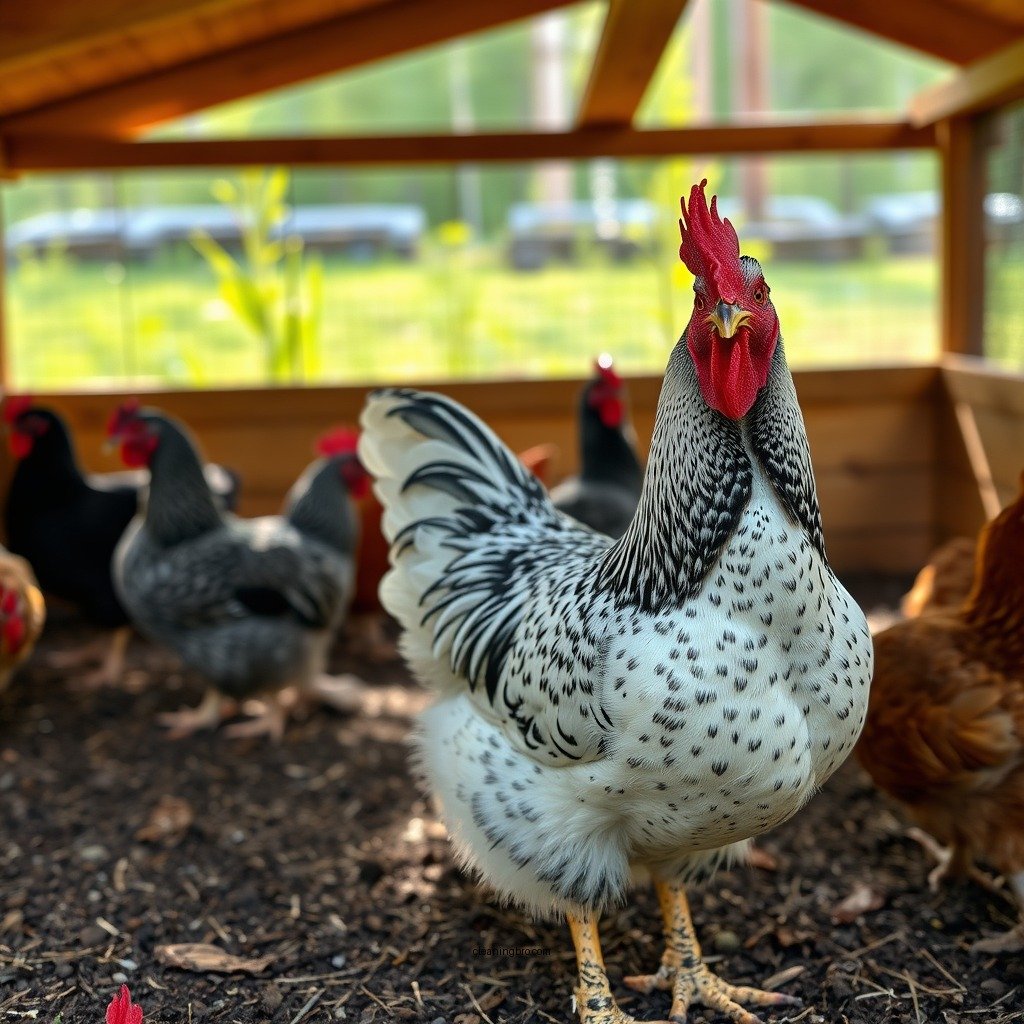
The importance of cleaning your chicken coop cannot be overstated. Regular cleaning serves two primary purposes: preventing the build-up of harmful bacteria and parasites and reducing unpleasant odors, which significantly improves air quality for your chickens.

Harmful bacteria, such as Salmonella and E. coli, can thrive in dirty environments, leading to serious health issues for your flock. Parasites like mites and lice can also infest your chickens, causing stress and discomfort that can ultimately affect egg production and overall health. A clean coop minimizes these risks, ensuring a healthier flock. Additionally, a clean environment contributes to better air quality, which is crucial for the respiratory health of your chickens. Unpleasant odors can indicate high levels of ammonia from droppings, which can irritate your chickens’ respiratory systems.
Factors Influencing Cleaning Frequency
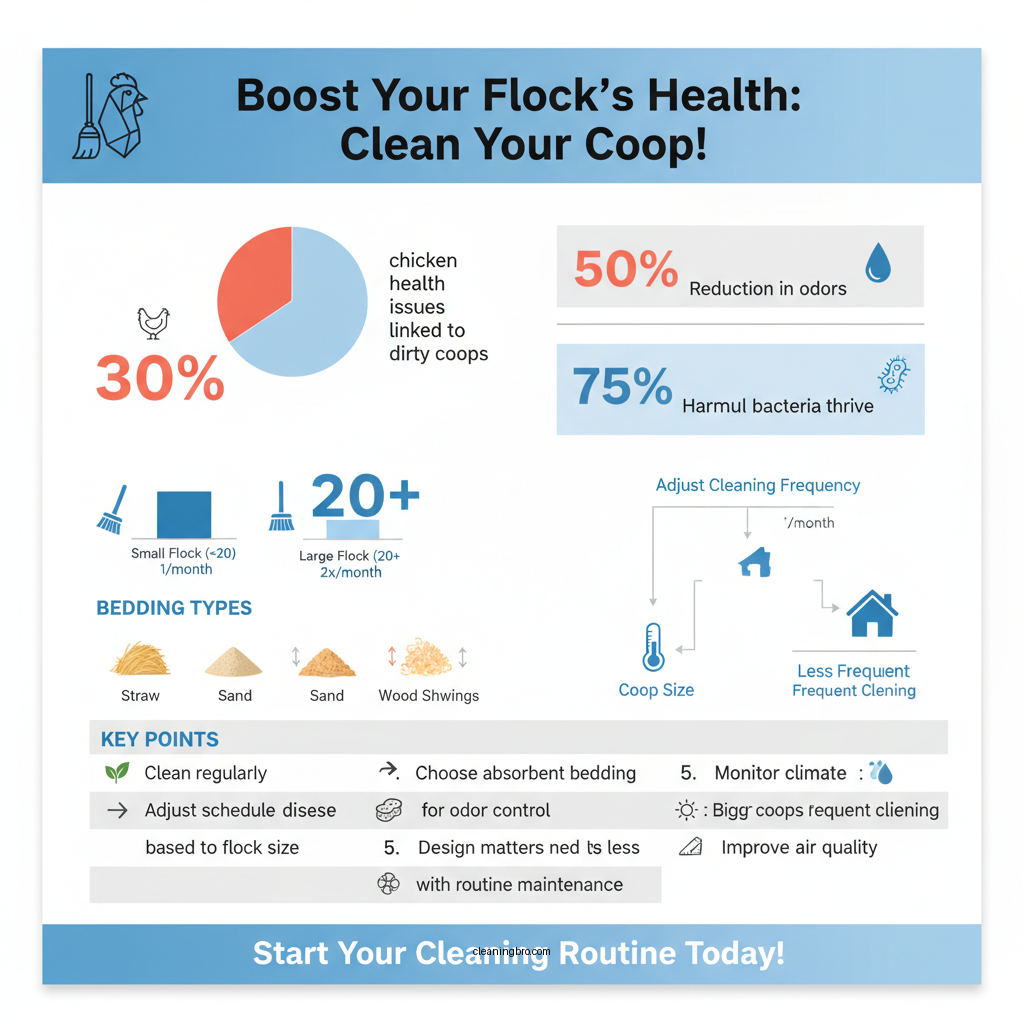
Several factors influence how often you should clean your chicken coop:
– Number of Chickens: More birds result in more waste. If you have a large flock, you may need to clean more frequently to keep the coop sanitary.
– Type of Bedding: Different bedding materials have varying absorbency and odor control capabilities. For instance, straw may require more frequent changes compared to sand or wood shavings, which can help absorb moisture and odors effectively.
– Climate: In warmer climates, waste can decompose quickly, leading to faster build-up of harmful bacteria. Conversely, damp conditions can cause mold growth, requiring more frequent cleaning.
– Coop Size and Design: A larger coop may allow for some waste accumulation without immediate cleaning, but it will still require regular maintenance. Smaller coops may need more frequent attention to prevent overcrowding of waste.
Understanding these factors can help you tailor a cleaning schedule that meets the specific needs of your flock.
Recommended Cleaning Schedule
Establishing a regular cleaning schedule is key to maintaining a healthy chicken coop. Here’s a breakdown of what that schedule might look like:
– Daily: Spot clean the coop by removing droppings and uneaten food. This simple task can go a long way in keeping the environment clean and reducing odors.
– Weekly: Change the bedding and perform a thorough inspection for any signs of pest infestations. During this time, you should also check feeders and waterers for cleanliness.
– Monthly: Conduct a deep clean of the coop, which includes removing all bedding, scrubbing surfaces, and disinfecting the area. This is also a good time to evaluate your coop’s overall condition and make any necessary repairs.
– Seasonally: Depending on your climate, a more thorough cleaning in the spring and fall can help prepare your coop for seasonal changes, addressing issues like mold or excess moisture.
By adhering to this schedule, you can ensure that your chickens live in a clean and healthy environment.
Top 7 Chicken Coop Cleaning Practices (2023)
| # | Practice | Frequency | Benefits |
|---|---|---|---|
| 1 | Spot Cleaning | Daily | Reduces bacteria and odor |
| 2 | Bedding Change | Weekly | Improves health and comfort |
| 3 | Deep Cleaning | Monthly | Eliminates pests and diseases |
| 4 | Inspections | Weekly | Identifies potential issues |
| 5 | Disinfecting Surfaces | Monthly | Reduces pathogens |
| 6 | Ventilation Checks | Weekly | Improves air quality |
| 7 | Moisture Control | Weekly | Prevents mold growth |
Deep Cleaning Your Chicken Coop
Deep cleaning your chicken coop is a vital process that helps maintain a healthy environment for your flock. Here are steps to ensure an effective deep clean:
1. Preparation: Remove all chickens from the coop and place them in a safe, secure location.
2. Disassembly: Take apart any removable components such as nesting boxes and feeders to clean them thoroughly.
3. Scrubbing: Use safe, non-toxic cleaners suitable for poultry. Vinegar and baking soda are excellent natural options for cleaning surfaces without harmful residues.
4. High-Touch Areas: Pay special attention to areas that are frequently touched or where chickens spend most of their time, such as perches and nesting boxes.
5. Rinse and Dry: Rinse off any cleaning solutions and allow the coop to dry completely before reintroducing your chickens.
Implementing a deep cleaning routine monthly can prevent disease outbreaks and ensure your chickens remain comfortable and healthy.
Seasonal Considerations
Seasonal changes can greatly impact your cleaning routine. Here are some considerations to keep in mind:
– Spring and Fall: These are ideal times for a comprehensive deep clean, as you can prepare your coop for the warmer or cooler months ahead. During these cleanings, focus on improving ventilation and ensuring that bedding is adequate for the upcoming season.
– Summer: In hotter months, pay special attention to moisture control. Ensure that the coop is well-ventilated to prevent heat stress, and consider using fans if necessary.
– Winter: During colder months, it’s vital to manage moisture levels while ensuring adequate ventilation. Wet bedding can lead to frostbite, so check for any damp areas regularly.
By adjusting your cleaning schedule according to the seasons, you can provide the best possible environment for your chickens throughout the year.
Signs Your Coop Needs Cleaning Sooner
Even with a regular cleaning schedule, there are signs that your coop may need cleaning sooner than planned. Watch for:
– Strong Odors: If you notice a pungent smell, it’s a clear indication that droppings have accumulated and need immediate attention.
– Visible Waste Build-Up: Any visible droppings on the floor or bedding indicate that the coop is overdue for cleaning.
– Decreased Egg Production: A sudden drop in egg production can sometimes be linked to poor living conditions. If your chickens seem stressed or uncomfortable, cleaning may help alleviate the issue.
– Unusual Chicken Behavior: If your chickens are pecking at each other or showing signs of stress, it could be a result of an unsanitary environment.
Being vigilant and responsive to these signs can help maintain the health and productivity of your flock.
Tips for Maintaining a Clean Coop
In addition to following a cleaning schedule, there are several proactive steps you can take to maintain a clean coop:
– Use Quality Litter: Choose a good quality litter that absorbs moisture effectively. Materials like straw, wood shavings, or sand can help manage waste and odors.
– Implement a Dust Bath Area: Chickens enjoy dust bathing, which helps them keep their feathers clean and free from parasites. Providing an area with fine sand or dirt can contribute to overall cleanliness.
– Regular Inspections: Conduct regular inspections to check for signs of pests and disease. This can help catch any issues before they escalate.
– Educate Yourself: Stay informed about chicken health and best practices for coop maintenance. Engaging with local poultry associations or online forums can provide valuable insights.
By applying these tips consistently, you can ensure that your chicken coop remains clean, safe, and conducive to the health of your flock.
Maintaining a clean chicken coop is vital for the health of your birds and the quality of their eggs. By understanding the factors that affect cleaning frequency and following a proper schedule, you can ensure a healthy living environment for your flock. Start implementing these practices today for a happier, healthier chicken coop!
Frequently Asked Questions
How often should I clean my chicken coop for optimal health?
You should clean your chicken coop at least once a week to maintain optimal health for your flock. Regular cleaning helps prevent the buildup of harmful bacteria and parasites, which can cause illness in chickens. Additionally, consider doing a deep clean every 1-3 months, depending on the size of your coop and number of chickens.
What are the signs that my chicken coop needs cleaning?
Signs that your chicken coop needs cleaning include a strong odor, accumulation of droppings, and visible dirt or debris. If you notice a decrease in egg production or your chickens seem less active, it may also indicate that the living conditions are not sanitary. Regular inspections can help you stay ahead of these issues.
Why is it important to clean my chicken coop regularly?
Cleaning your chicken coop regularly is crucial for the health and well-being of your chickens. A clean environment reduces the risk of diseases, pests, and parasites, which can all negatively affect egg production and overall flock vitality. Moreover, a tidy coop can make your chickens feel more comfortable and secure.
What is the best way to clean a chicken coop effectively?
The best way to clean a chicken coop effectively is to first remove all bedding and waste, then scrub surfaces with a mixture of water and vinegar or an appropriate poultry-safe cleaner. After rinsing, allow the coop to dry before adding fresh bedding. Regularly checking and maintaining ventilation can also help keep the coop cleaner longer.
Which cleaning supplies are safe for my chicken coop?
Safe cleaning supplies for your chicken coop include vinegar, baking soda, and other non-toxic cleaners specifically designed for poultry use. Avoid harsh chemicals and bleach, as they can be harmful to chickens. Always ensure that any cleaning products used are thoroughly rinsed away to prevent any residue that could affect your flock’s health.
References
- https://www.extension.purdue.edu/extmedia/4h/4h-112.pdf
https://www.extension.purdue.edu/extmedia/4h/4h-112.pdf - https://www.tn.gov/agriculture/section/agriculture-education/chicken-coop-care
https://www.tn.gov/agriculture/section/agriculture-education/chicken-coop-care - https://extension.unh.edu/resource/chicken-coop-management
https://extension.unh.edu/resource/chicken-coop-management - https://www.canr.msu.edu/resources/chicken-coop-cleaning-and-management
https://www.canr.msu.edu/resources/chicken-coop-cleaning-and-management - https://www.cdc.gov/healthypets/pets/chickens.html
https://www.cdc.gov/healthypets/pets/chickens.html - https://www.who.int/health-topics/animal-health#tab=tab_1
https://www.who.int/health-topics/animal-health#tab=tab_1 - Google Scholar Google Scholar
https://scholar.google.com/scholar?q=how+often+should+i+clean+my+chicken+coop - Google Scholar Google Scholar
https://scholar.google.com/scholar?q=chicken+coop+management+cleaning+frequency - Google Scholar Google Scholar
https://scholar.google.com/scholar?q=caring+for+chickens+sanitation+practices - how often should i clean my chicken coop – Search results
https://en.wikipedia.org/wiki/Special:Search?search=how+often+should+i+clean+my+chicken+coop
