How Often to Clean AC Coils: A Practical Guide
Cleaning your AC coils is essential for maintaining efficiency and prolonging the life of your air conditioning system. Generally, it’s recommended to clean your AC coils at least once a year, but certain conditions may require more frequent attention. In this article, you will learn the best practices for cleaning AC coils, signs that indicate when they need cleaning, and tips for maintaining them effectively.
Understanding AC Coil Functionality
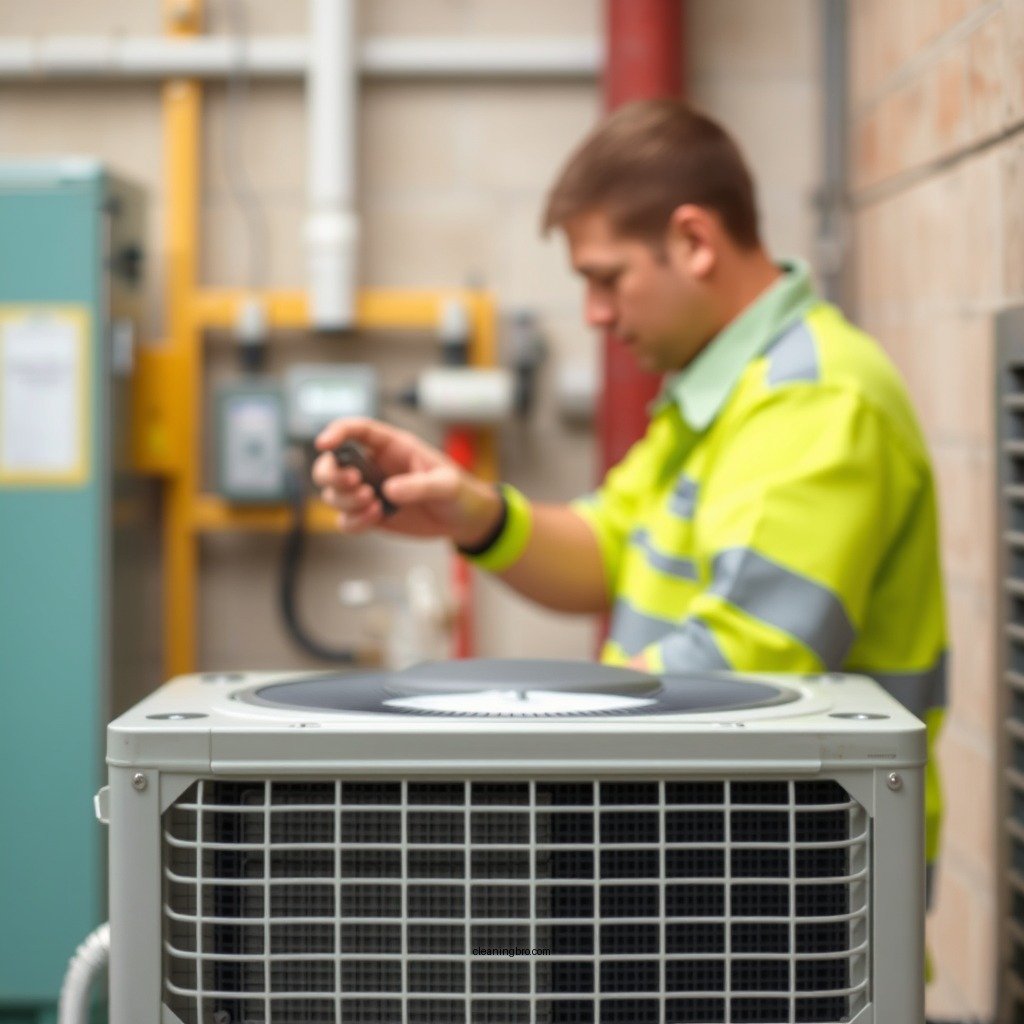
AC coils play a crucial role in the heat exchange process within your air conditioning system. There are two primary types of coils: evaporator coils and condenser coils. The evaporator coils absorb heat from the indoor air, while the condenser coils release heat outdoors. Their efficiency directly impacts the cooling performance of your system. When coils accumulate dirt and debris, they struggle to facilitate this heat exchange, resulting in reduced cooling output and increased energy consumption. Over time, this can lead to system strain, higher utility bills, and premature failure of the air conditioning unit.
Dirty coils can also lead to other complications, such as ice formation on the evaporator coils, which can cause further damage to the system. Thus, understanding the functionality of AC coils underscores the importance of regular cleaning and maintenance.
Recommended Cleaning Frequency
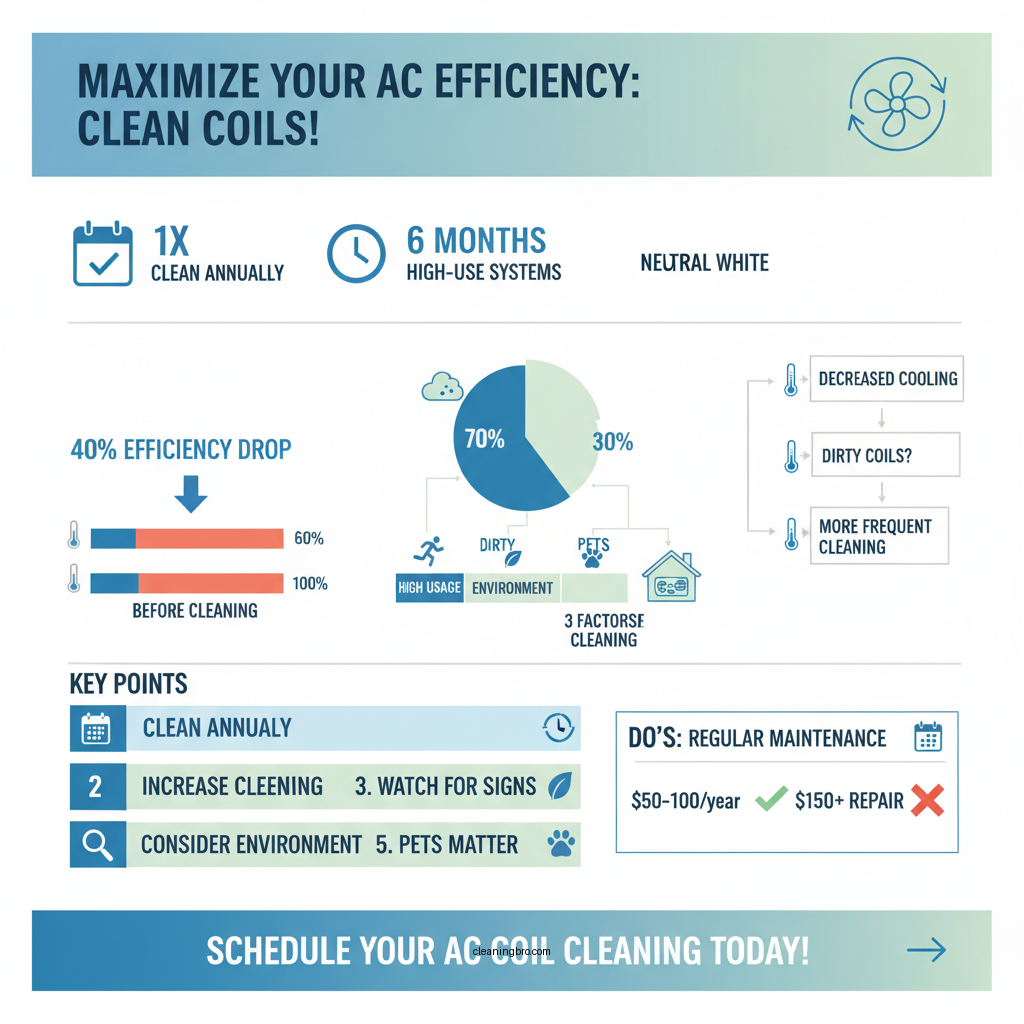
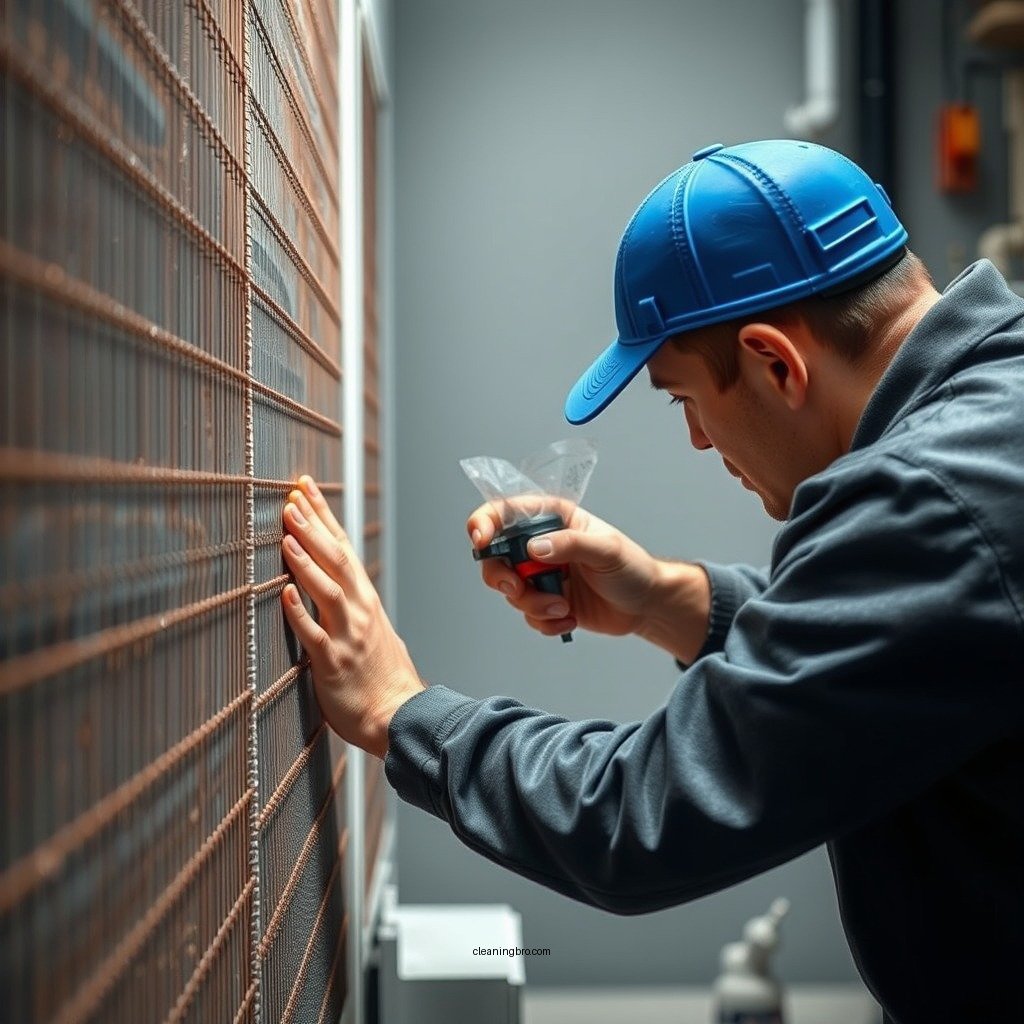
The general recommendation is to clean your AC coils at least once a year, preferably in the spring before the peak cooling season begins. This annual maintenance ensures that the system operates at peak efficiency when it is needed most. However, several factors can influence how often you should clean your coils:
– High Usage: If you use your air conditioning frequently, such as in warmer climates or during prolonged hot seasons, consider cleaning the coils every six months to ensure optimal performance.
– Environmental Factors: Areas with high pollen counts, dust, or nearby construction can lead to increased dirt accumulation on the coils. In such cases, more frequent cleaning may be necessary.
– Pets: Homes with pets may also see a buildup of fur and dander, which can block airflow and reduce the efficiency of the system, indicating a need for more regular cleaning.
Establishing a cleaning schedule based on these factors can help maintain the efficiency and longevity of your air conditioning system.
Signs Your AC Coils Need Cleaning
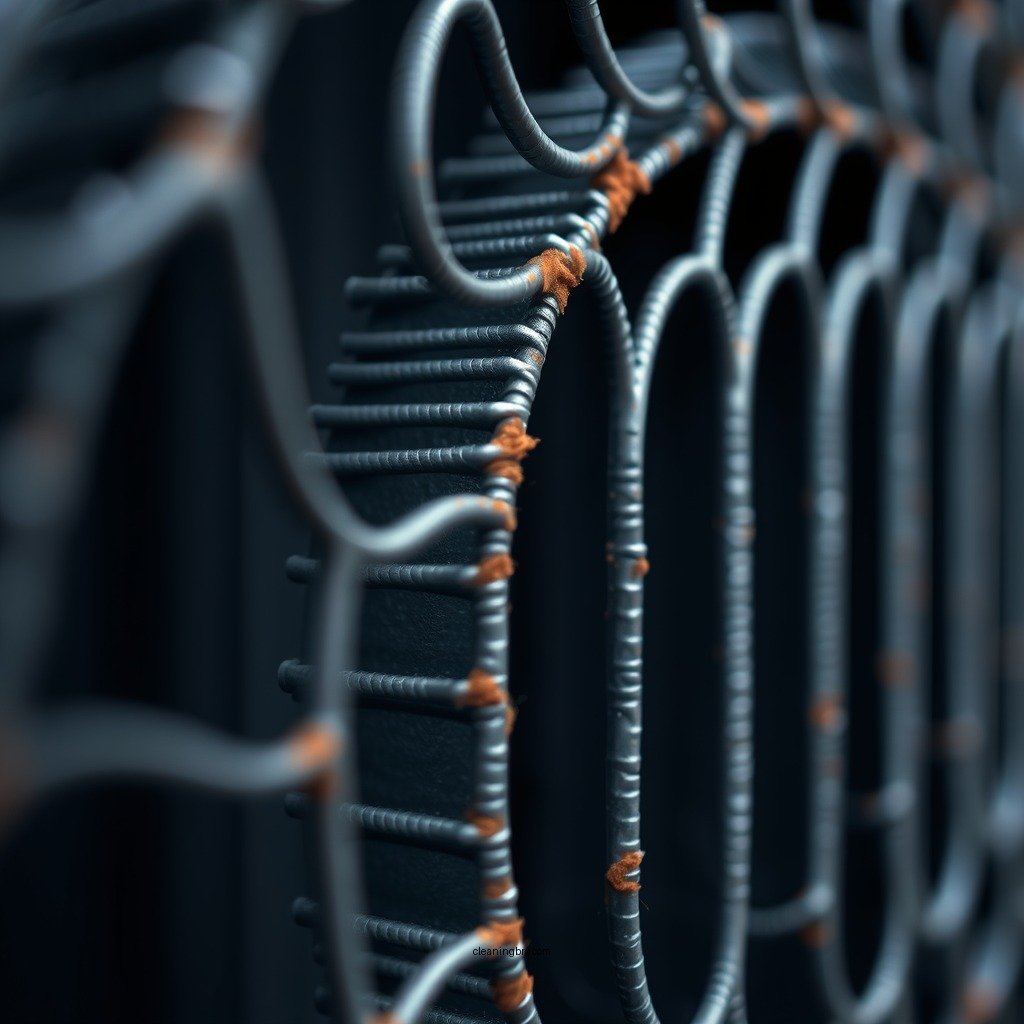
Recognizing the signs that your AC coils need cleaning can prevent costly repairs and maintain comfort in your home. Here are a few indicators to watch for:
– Noticeable Decrease in Cooling Efficiency: If you find that your air conditioning system is struggling to cool your home to your desired temperature, this could indicate dirty coils.
– Increased Energy Bills: A sudden spike in your energy bills, without any change in usage patterns, may suggest that your system is working harder due to inefficient coil performance.
– Ice Formation: If you notice ice forming on the evaporator coils, it’s often a sign that airflow is restricted, typically due to dirt buildup.
– Unusual Noises: Odd sounds from your AC unit, such as hissing or clanking, may also suggest that components are overworking due to dirty coils.
Being vigilant about these signs can help you take timely action, ensuring efficient performance from your air conditioning system.
Top 7 Reasons to Clean AC Coils Regularly
| # | Benefit | Impact on Efficiency | Cost Savings |
|---|---|---|---|
| 1 | Improved Airflow | ✔️ Increases | Saves 10-15% |
| 2 | Enhanced Efficiency | ✔️ Boosts | Reduces costs by 20% |
| 3 | Extended Lifespan | ✔️ Prolongs | Avoids major repair costs |
| 4 | Lower Repair Costs | ✔️ Decreases | Savings of 30% |
| 5 | Better Air Quality | ✔️ Improves | Avoids health costs |
| 6 | Consistent Comfort | ✔️ Maintains | Enhances comfort |
| 7 | Eco-Friendly Operation | ✔️ Reduces | Supports green initiatives |
DIY Cleaning vs. Professional Services
When it comes to cleaning AC coils, you have two primary options: performing the cleaning yourself or hiring a professional service. Each approach has its advantages and disadvantages.
DIY Cleaning
– Cost-Effective: Cleaning your AC coils yourself can save you money on service fees. Basic tools, such as a soft brush and a vacuum cleaner, along with a coil cleaner, can often suffice.
– Control: Handling the cleaning yourself allows you to monitor the condition of your coils closely and address any issues as they arise.
However, DIY cleaning does come with its challenges:
– Limited Expertise: Without professional experience, you may overlook critical components during cleaning, leading to incomplete cleaning or even damage.
– Safety Risks: AC units can contain hazardous materials, and cleaning them improperly may pose safety risks including electrical hazards.
Professional Services
Hiring a professional to clean your AC coils can be beneficial for several reasons:
– Thorough Cleaning: Professionals have the expertise and tools to perform a comprehensive cleaning, ensuring all parts of the system are maintained correctly.
– Time-Saving: Having a professional service can free up your time and ensure the task is done efficiently.
Yet, professional services come at a cost. It’s important to weigh these factors and determine which option suits your needs and budget best.
DIY Cleaning vs. Professional Services: Which is Better?
| Criteria | ⭐ DIY Cleaning | Professional Services |
|---|---|---|
| Cost | Low | High |
| Time Required | Variable | Fixed |
| Expertise Required | Basic | Advanced |
| Thoroughness | Moderate | High |
| Safety | Low Risk | Low Risk |
| Equipment Needed | Basic Tools | Specialized Tools |
| Frequency | Annual | As Needed |
| Overall Effectiveness | Moderate | High |
| 🏆 Best For | Budget-conscious homeowners | Those seeking thorough maintenance |
Tips for Maintaining Clean AC Coils
Regular maintenance is key to ensuring your AC coils remain clean and efficient. Here are some effective tips to consider:
– Regular Inspections: Schedule routine inspections to identify any buildup on the coils and ensure they are functioning correctly.
– Clear Debris: Keep the area around the outdoor unit free of debris such as leaves, dirt, and grass clippings. This will promote proper airflow and reduce the chances of dirt accumulating on the coils.
– Change Filters: Regularly replace or clean air filters, as clogged filters can restrict airflow and contribute to dirty coils.
– Install a Protective Cover: Consider using a protective cover for the outdoor unit during seasons when it’s not in use. This can help minimize dirt accumulation.
– Monitor Performance: Keep an eye on the performance of your AC. If you notice any changes in airflow or cooling efficiency, investigate further.
By implementing these maintenance tips, you can enhance the longevity and efficiency of your air conditioning system.
Seasonal Maintenance Checklist
To ensure your AC is prepared for the heavy lifting it will do during the summer months, create a seasonal maintenance checklist. Here are essential tasks to include:
1. Coil Cleaning: Clean both the evaporator and condenser coils.
2. Filter Replacement: Change the air filters to promote optimal airflow.
3. Check Refrigerant Levels: Ensure the refrigerant is at the correct level to maintain efficiency.
4. Inspect Ductwork: Look for any leaks or obstructions in the duct system that may hinder airflow.
5. Test the Thermostat: Ensure the thermostat is functioning correctly for accurate temperature control.
6. Lubricate Moving Parts: Apply lubricant to moving components to reduce wear and tear.
7. Check Drain Lines: Ensure the condensate drain is clear to prevent water damage.
By completing these tasks, you’ll help your air conditioning system perform optimally throughout the hot months, ensuring comfort and energy efficiency.
Benefits of Regular Coil Cleaning
Investing time in regular coil cleaning offers several significant benefits:
– Enhanced Efficiency: Clean coils allow for better heat exchange, ensuring your air conditioning system functions at its peak. This can lead to lower energy consumption and reduced utility bills.
– Increased Lifespan: Regular maintenance can extend the life of your AC unit. By preventing excessive strain from dirt buildup, the components can last longer and reduce the likelihood of costly repairs.
– Improved Indoor Air Quality: Clean coils contribute to better air quality by preventing contaminants from circulating indoors, leading to a healthier environment.
– Fewer Breakdowns: A well-maintained unit is less likely to experience unexpected malfunctions. Regular cleaning can prevent sudden breakdowns and keep your system running smoothly.
The advantages of regular coil cleaning are clear, making it an essential part of any air conditioning maintenance routine.
Regularly cleaning your AC coils is key to maintaining optimal performance and energy efficiency. Utilize the tips outlined here to keep your system running smoothly and consider scheduling a professional cleaning if you notice any signs of dirt buildup. Taking proactive steps will not only enhance your comfort but also save you money in the long run. With proper care, your air conditioning system can deliver reliable cooling for years to come.
Frequently Asked Questions
How often should I clean my AC coils?
It’s recommended to clean your AC coils at least once a year to ensure optimal efficiency and performance. However, if you live in a dusty environment or use your AC frequently, consider cleaning them every six months. Regular maintenance not only prolongs the lifespan of your unit but also improves indoor air quality.
What are the signs that my AC coils need cleaning?
Signs that your AC coils need cleaning include decreased cooling efficiency, increased energy bills, and unusual noises coming from the unit. You may also notice ice buildup on the coils or a musty odor in your home, indicating that dirt and debris are obstructing airflow and affecting performance.
Why is it important to clean AC coils regularly?
Cleaning AC coils regularly is crucial because dirt and grime accumulation can lead to decreased efficiency, higher energy consumption, and potential system failure. When coils are dirty, your AC has to work harder to cool your space, which can result in costly repairs and reduced lifespan of the unit.
What is the best method for cleaning AC coils?
The best method for cleaning AC coils involves using a soft brush to remove loose dirt and a specialized coil cleaner to tackle stubborn grime. After applying the cleaner, rinse the coils gently with water to avoid damaging them. For optimal results, consider hiring a professional HVAC technician, especially for intricate cleaning tasks.
Which tools do I need to clean my AC coils effectively?
To clean your AC coils effectively, you will need a soft brush, a vacuum with a brush attachment, coil cleaner, and a garden hose for rinsing. Additionally, wearing gloves and eye protection is recommended for safety. Having these tools on hand will help you maintain your AC system and ensure it runs efficiently.
References
- Air Conditioner Maintenance | Department of Energy
https://www.energy.gov/energysaver/maintaining-your-air-conditioner - https://www.epa.gov/indoorairplus/maintaining-your-air-conditioner
https://www.epa.gov/indoorairplus/maintaining-your-air-conditioner - https://www.cdc.gov/healthyhomes/healthyair/air_conditioning.html
https://www.cdc.gov/healthyhomes/healthyair/air_conditioning.html - HUD Home | HUD.gov / U.S. Department of Housing and Urban Development (HUD)
https://www.nhl.gov/health/cleaning-air-conditioning-coils.htm - Air-conditioning | Types, Benefits & Maintenance | Britannica
https://www.britannica.com/science/air-conditioning - https://www.who.int/news-room/fact-sheets/detail/indoor-air-quality
https://www.who.int/news-room/fact-sheets/detail/indoor-air-quality - https://pubmed.ncbi.nlm.nih.gov/10903973/
https://pubmed.ncbi.nlm.nih.gov/10903973/ - Google Scholar Google Scholar
https://scholar.google.com/scholar?q=how+often+to+clean+ac+coils - Google Scholar Google Scholar
https://scholar.google.com/scholar?q=air+conditioning+maintenance+guidelines - how often to clean ac coils – Search results
https://en.wikipedia.org/wiki/Special:Search?search=how+often+to+clean+ac+coils