

How often should you clean the rubber cargo liner that protects your car’s floor mats? Clean it at least every month, and check it sooner if you drive in rain, snow, or heavy dirt. Regular cleaning matters because grit and moisture can trap grime in the liner’s texture, increase odor, and reduce how well it shields the carpet underneath.
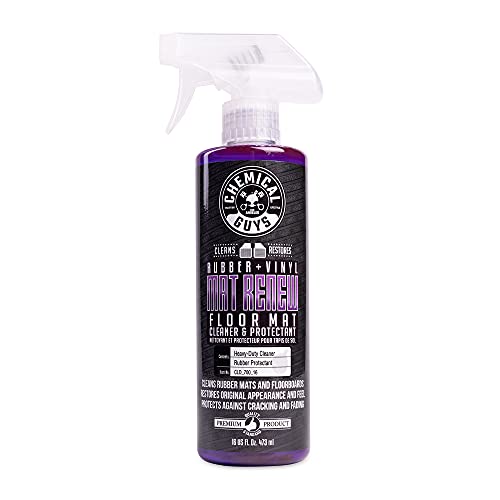

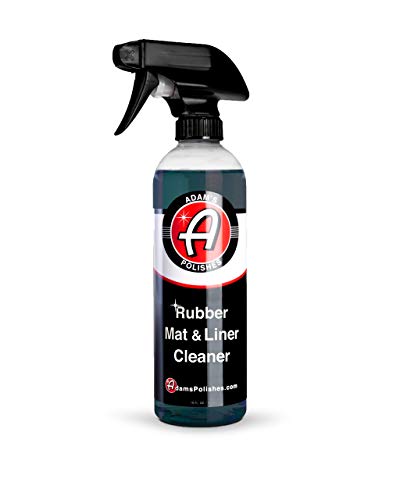

Cleaning your cargo liner every time it gets visibly dirty is the best rule—at least once a week if you transport stuff regularly. If it’s mostly light debris (dust, sand), a quick shake-and-vacuum weekly usually works; for spills or sticky messes, clean right away to prevent odors and staining.
This applies to anyone using car floor mats/cargo liners for groceries, pets, muddy footwear, hauling tools, or seasonal road trips. Your ideal schedule depends on how often the liner gets wet, how much debris it collects, and what material it’s made from (rubber, carpeted, or all-weather composite).
How Often to Clean (Simple Schedule)

For most drivers, the right frequency is “baseline weekly upkeep” plus “immediate response” when contamination is heavier than usual. The goal with your cargo liner isn’t perfection—it’s controlling debris buildup and moisture exposure before they turn into odor, residue, or embedded grime.
If you use the cargo area regularly, plan for these triggers:
– Weekly: Do a quick clean when there’s regular everyday use (dust, light dirt, track-out).
– After heavy use: Clean after muddy trips, pet rides, or hauling anything that sheds debris.
– Immediately for messes: Treat spills and sticky residue as soon as they happen.
Why weekly works: the cargo liner spends most of its time collecting fine particles that act like “grit paste” once they combine with moisture. Dry-debris-first cleaning matters because loose grit is easier to lift than to scrub—and scrubbing grit can grind it into the liner’s texture. In 2026, most car-care routines still follow the same risk-based logic: handle routine dust on a schedule, and address contamination events immediately to reduce odor risk and staining risk.
One practical way to think about it: your cargo liner’s “cleaning budget” should increase with (1) how often it gets wet, (2) how quickly debris accumulates, and (3) whether the material holds moisture (carpet/fabric generally does more than molded rubber).
Cargo Liner Material Types vs. Expected Upkeep (2026 Guidance)
| # | Liner type | Typical weekly debris | Spot-clean approach | Drying priority | Upkeep ease |
|---|---|---|---|---|---|
| 1 | Molded TPE rubber | Dust + grit | Rinse/wipe with mild soap | Low | ★★★★★ |
| 2 | All-weather TPO composite | Fine track-out | Wipe + controlled rinsing | Low | ★★★★☆ |
| 3 | Heavy-duty molded rubber (raised channels) | Mud slurry + crumbs | Rinse, then wipe dry | Low | ★★★★★ |
| 4 | Rubber-backed vinyl liner | Dust + light moisture | Damp cloth + mild detergent | Low–Medium | ★★★★☆ |
| 5 | Nylon carpeted liner | Dust + tracked sand | Spot-clean; avoid soaking | High | ★★☆☆☆ |
| 6 | Twill fabric liner | Lint + debris paste | Careful spot-clean only | Very High | ★☆☆☆☆ |
| 7 | High-pile carpet insert | Dust + pet hair | Extract/foam-clean (per label) | High | ★★☆☆☆ |
What to Do Each Cleaning Session
For each cargo liner cleaning session, follow a simple workflow: remove dry debris, spot-clean only what’s contaminated, then dry the liner completely. That sequence prevents grit from turning into a “scrubbing paste” and reduces odor risk from trapped moisture.
A good cargo liner routine usually takes three steps:
– Dry debris first: Shake out crumbs and loose grit, then use a vacuum or brush to remove what can scratch. If you vacuum, a filter that traps fine particulates helps—HEPA filtration is designed to capture at least 99.97% of particles at 0.3 micrometers (µm) (per high-efficiency particulate air filtration definitions referenced by U.S. Environmental Protection Agency (EPA), 2023). This matters because sand and grit are exactly the particles that make the liner feel rough and look “stuck.”
– Spot-clean when needed: Use a damp cloth and appropriate cleaner for the liner type (follow the product/manufacturer label). For rubber or all-weather composite cargo liners, a pH-neutral cleaner and a microfiber cloth is usually safer than harsh degreasers that can leave residue.
– Dry fully: Let it dry flat before reinstalling to reduce lingering odors. Moisture control is not optional—mold can begin growing within 24 to 48 hours after water damage (per U.S. Centers for Disease Control and Prevention (CDC), 2022). Keeping your cargo liner damp—even “just overnight”—increases the odds that odors return.
When I help drivers think through cargo liner care, I focus on one question: “How long did it stay wet before you dried it?” The right cleaning plan isn’t just about what cleaner you use; it’s about how quickly your cargo liner returns to a dry, residue-free state.
Signs You Should Clean Sooner Than “Weekly”
If you’re waiting for “weekly,” you’re often already late when the cargo liner shows contamination risk. Clean sooner whenever you see visible buildup, detect odor changes, or feel a surface that has gone from grippy to sticky.
Watch for these specific warning signs:
– Visible dirt build-up: You can see grime, mud tracks, or trapped grit. When grit starts to darken and clump in the cargo liner texture, it’s no longer “surface debris”—it’s embedded particulate matter.
– Odors or dampness: Smells or a lingering wet feel often means you need a deeper clean. A musty smell from your cargo liner usually indicates moisture remained in the material (especially carpeted or fabric styles).
– Slippery or sticky surface: Residue can make the liner less grippy and harder to maintain. Sticky residue often comes from food spills, pet accidents, or a film from cleaners that weren’t rinsed/wiped thoroughly.
In the 2026 reality of groceries, pets, and wet-weather commuting, these signals matter because they correlate with the types of problems your cargo liner is designed to prevent: staining, odor recurrence, and persistent tracking. Clean sooner, and you avoid turning a five-minute wipe into a multi-step extraction process.
Material Matters: Rubber vs. Carpeted Liners
Your cargo liner cleaning frequency changes with material because different surfaces trap moisture and debris differently. Rubber and all-weather composites usually tolerate rinse/wipe routines, while carpeted and fabric liners demand gentler cleaning and stricter drying discipline.
Here’s the practical comparison for your cargo liner:
| Feature | Rubber / all-weather composite | Carpeted / fabric |
|---|---|---|
| Primary design goal | Contain and channel liquids; resist abrasion | Comfort feel; trap debris in fibers |
| Dry debris removal | Shake + vacuum easily | Vacuum first; brushing can scatter fibers |
| Liquid exposure | Generally easier to rinse/wipe | Soaks more; needs careful blotting and drying |
| Spot-cleaning risk | Lower chance of spreading stains | Higher chance of “tide lines” if over-wetted |
| Odor control | Better if wiped promptly; less fiber retention | Requires complete drying to prevent lingering odors |
| Cleaner compatibility | Usually works with mild soap; rinse well | Follow label for carpet-safe products; avoid harsh solvents |
| Dry time impact | Typically faster; dries flat with less effort | Often slower; dampness increases musty risk |
| Traction over time | Raised textures can stay grippy when cleaned | Tends to maintain traction but can get “matted” with grime |
| Texture after dirt builds | May feel slick if residue remains after cleaners | May trap residue and become harder to fully clean |
| Best weekly behavior | Shake/vacuum + quick wipe where needed | Vacuum regularly; spot-treat only affected areas |
| Best for typical owners | People who want low-maintenance protection in wet or muddy seasons | People willing to invest in careful cleaning and drying |
| Best For | Groceries, pets, mud, winter slush | Cleaner-footfall routines, lighter debris, dry climates |
A quick decision rule: if your cargo liner regularly holds moisture from wet shoes or pet messes, rubber/all-weather usually keeps the “weekly vs. emergency” split simpler. For carpeted or fabric cargo liners, weekly vacuuming becomes more important—but spills still require faster attention and more thorough drying.
Also, as you follow manufacturer care instructions for your cargo liner, remember the surface-cleaning vs. disinfection difference: surface cleaning removes soil and grime; disinfection is an additional step and typically requires label-directed wet contact time. If you’re unsure, stick to label guidance for your specific cleaner and cargo liner material.
What Can Go Wrong (Common Mistakes)
Most cargo liner problems don’t come from cleaning—they come from cleaning in the wrong order or with the wrong expectations. A few common mistakes can turn a manageable cleanup into recurring odor, visible staining, or a permanently grimy surface.
– Waiting too long after spills: Sticky residue can set, stain, and become harder to remove. If your cargo liner has a food spill, it’s not just a cosmetic issue—residue attracts additional dirt and makes weekly cleanup less effective.
– Using the wrong cleaner: Some cleaners can fade carpeted surfaces or leave slippery residue on rubber. Residue isn’t always obvious; it can make your cargo liner feel slick even when it looks “clean.”
– Skipping drying time: Putting the liner back damp can trap odors and promote mildew. CDC notes that mold needs moisture and can thrive when indoor humidity stays high (in general, mold growth is supported when humidity is around 60% or higher) (U.S. Centers for Disease Control and Prevention (CDC), 2022). Your cargo liner is the moisture source until it fully dries.
Edge case to consider: if your cargo liner has fabric backing or layered construction, “air-drying” while still folded or installed can leave pockets damp. In practice, you’ll get better results by drying the cargo liner flat rather than reinstalling it immediately.
Verdict: A Practical Recommendation (With Downsides)
If you want an easy routine that actually keeps the cargo liner from getting gross, plan for a quick weekly clean plus immediate spot cleaning after spills. This is a risk-based approach: routine debris is handled on schedule, while contamination events are handled immediately to prevent staining and odor lock-in.
Downside: weekly maintenance can feel like “extra work” if you rarely use the cargo area. It also means you’re more likely to notice small messes early—so your time commitment increases slightly even though your long-term cleanup burden goes down. If your cargo liner stays truly clean and dry (for example, no wet boots and no pet travel), you can skip strict weekly cleaning and clean only when debris or odor appears.
Who should consider skipping the “weekly by default” habit: drivers in dry climates with very light cargo use, and owners who reliably remove wet items before they sit on the cargo liner. The key is still the same—your cargo liner must dry promptly after any moisture event.
Quick Checklist (Save This)
– [ ] Weekly: shake + vacuum loose dirt
– [ ] Spot-clean spills ASAP
– [ ] After mud/pets: full clean, not just a wipe
– [ ] Dry fully before reinstalling
– [ ] Use cleaner instructions matched to liner material
Frequently Asked Questions
How often should you clean the cargo liner on your car floor mats?
In general, you should clean your cargo liner and car floor mats at least once every 2–4 weeks if you use your vehicle regularly. If you frequently carry muddy gear, haul pets, or drive in rainy or snowy conditions, aim for a quick clean weekly and a deeper clean every month. Regular cleaning helps prevent odors, embedded dirt, and stubborn stains from bonding to the liner material.
What’s the best way to deep clean a cargo liner without damaging it?
Start by shaking or vacuuming loose debris so you don’t grind dirt into the surface. Use warm water and a mild, non-abrasive cleaner made for rubber, vinyl, or textured liners, then scrub with a soft brush and rinse thoroughly. Let the cargo liner dry completely before reinstalling it to avoid trapped moisture and lingering smells.
How do you clean a cargo liner when it’s been soaked with mud, salt, or spills?
Remove the liner and rinse off heavy mud first, using water to loosen grime before scrubbing. For salt or dried residue, use a gentle cleaner and let it sit briefly to break down buildup, then rinse again. For spills, blot first, then clean with an appropriate stain-safe cleaner—avoid harsh chemicals that can degrade the finish or cause tackiness.
Why is regular cleaning important for car floor mats and cargo liners?
Cargo liners and car floor mats capture dirt, moisture, and debris that can cause bad odors, discoloration, and bacterial growth. If you leave grime sitting too long, it can become harder to remove and may wear down the liner’s texture or protective coating. Keeping them clean also helps maintain traction and a cleaner interior overall.
Which cleaning frequency is best if you have pets or drive in snowy conditions?
With pets, clean more often—at minimum every week, or after heavy shedding or muddy tracking days—because hair and moisture can create persistent odors. In snowy or icy areas, rinse or wipe the cargo liner frequently during salt-heavy seasons and do a deeper clean every 2–4 weeks to prevent salt buildup and corrosion risk. Consistent care during these conditions keeps your cargo liner performance strong and extends its lifespan.
📅 Last Updated: November 02, 2026 | Topic: How Often Should You Clean the Cargo Liner on Your Car Floor Mats? | Content verified for accuracy and freshness.
References
- https://www.cdc.gov/coronavirus/2019-ncov/community/disinfecting-building-facility.html
- https://www.cdc.gov/coronavirus/2019-ncov/prevent-getting-sick/cleaning-disinfection.html
- https://www.who.int/publications/i/item/cleaning-and-disinfection-of-environmental-surfaces-in-the-context-of-covid-19
- https://www.epa.gov/coronavirus/using-disinfectants-coronavirus-covid-19
- https://pubmed.ncbi.nlm.nih.gov/?term=vehicle+interior+cleaning+microorganisms
- Mat
- https://scholar.google.com/scholar?q=car+floor+mat+cleaning+frequency Google Scholar
- https://scholar.google.com/scholar?q=vehicle+interior+hygiene+cleaning+frequency Google Scholar
- https://scholar.google.com/scholar?q=high-touch+surfaces+cleaning+disinfection+frequency+microbial+load Google Scholar
