How to Clean a Painting: Essential Tips for Preservation
Cleaning a painting is a delicate process that requires precision and care to avoid any damage while effectively removing dirt and grime. In this article, you’ll learn the best practices for cleaning different types of paintings, from oils to watercolors, ensuring their preservation and longevity. Understanding the nuances of each painting type and employing the correct techniques will help maintain the beauty and value of your artwork.
Understanding the Type of Painting
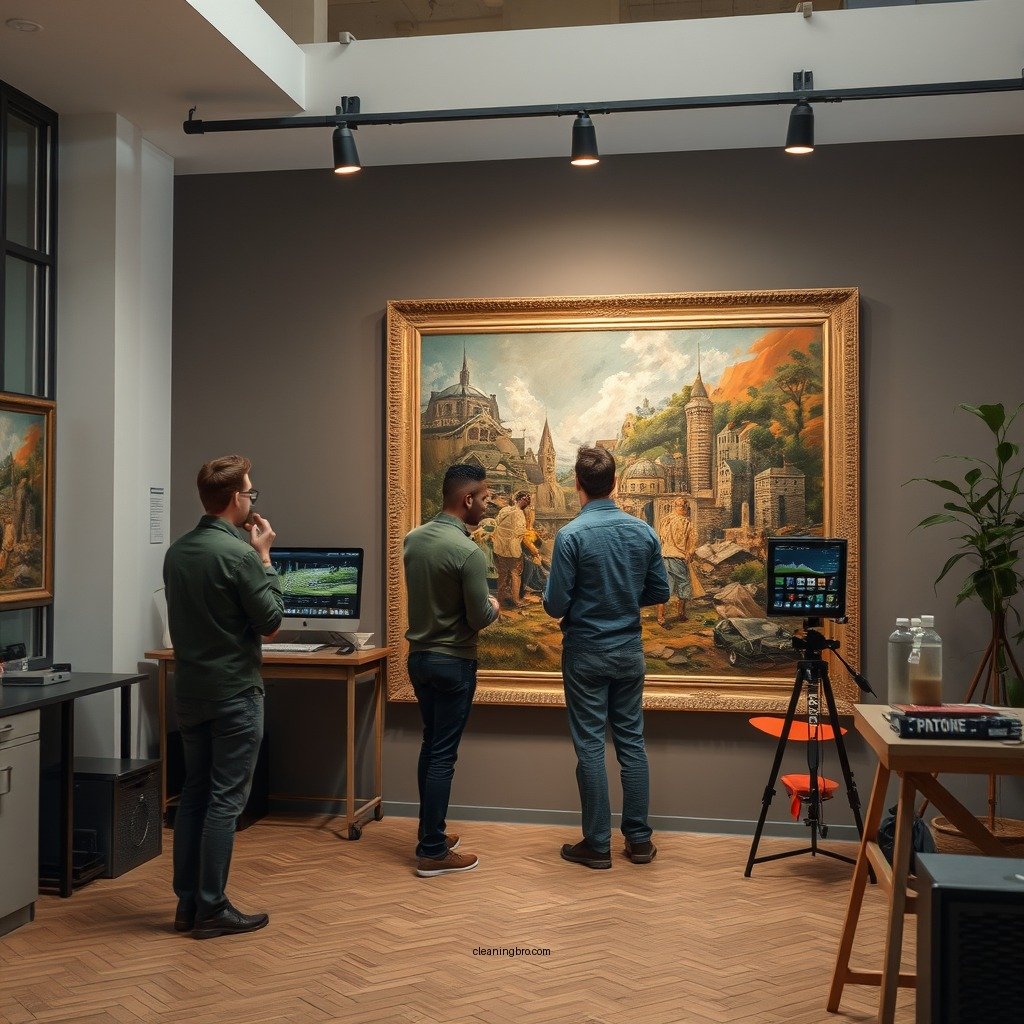
Before embarking on cleaning a painting, it’s crucial to distinguish between the various types of artwork—namely oil, acrylic, watercolor, and mixed-media paintings. Each of these mediums has unique properties that dictate specific cleaning requirements and sensitivities.
– Oil Paintings: Known for their rich texture and vibrant colors, oil paintings are often more resilient but can attract dust and grime. They may also yellow over time due to the oil medium.
– Acrylic Paintings: These are water-based and dry quickly. They are generally more durable than oils, but improper cleaning can lead to discoloration or damage.
– Watercolor Paintings: Watercolors are particularly fragile due to their reliance on water for application. Excess moisture can easily damage the paint and paper.
– Mixed-Media: This genre can combine various materials (e.g., paper, fabric, paint) and thus may require different cleaning techniques based on the components involved.
Understanding these distinctions will guide you in choosing the correct cleaning methods and tools for each painting type.
Gather the Right Supplies


Equipping yourself with the right cleaning supplies is vital for the preservation of your paintings. Here’s a list of necessary tools:
– Soft Brushes: A gentle brush will help remove dust without scratching the surface of the painting.
– Microfiber Cloths: These are ideal for wiping surfaces without leaving lint or causing scratches.
– Mild Cleaners: Preferably pH-neutral and non-abrasive, these cleaners are essential for safe cleaning.
– Cotton Swabs: Useful for reaching tight corners and delicate areas where dirt accumulates.
– Distilled Water: For damp cleaning, distilled water avoids minerals and impurities that could damage the artwork.
Using pH-neutral and non-abrasive cleaning agents is crucial, as these products will not react negatively with the painting’s materials, helping to maintain their integrity.
Assessing the Painting’s Condition

Before cleaning, it is essential to carefully assess the painting’s condition. Look for:
– Loose Paint: Check if any paint is flaking or peeling. If so, cleaning may aggravate the damage.
– Flaking: Identify areas where the paint surface is unstable.
– Prior Repairs: Examine any previous restoration work, as these areas may require special care.
– Visual Inspection: Use a magnifying glass if necessary to detect dirt, grime, or any other elements needing attention.
Understanding the painting’s condition will help you determine the level of cleaning required and whether professional intervention is necessary.
Common Issues in Different Painting Types
| # | Painting Type | Common Issues | Recommended Cleaning Method |
|---|---|---|---|
| 1 | Oil Paintings | Yellowing, dust accumulation | Soft brush, pH-neutral cleaner |
| 2 | Acrylic Paintings | Dust, discoloration | Damp cloth, mild soap |
| 3 | Watercolor Paintings | Water damage, fading | Dry brush, avoid moisture |
| 4 | Mixed-Media | Material degradation, dust | Gentle brush, specialized care |
Cleaning Techniques for Different Paintings
Each painting type requires tailored cleaning techniques to ensure safe maintenance:
– Oil Paintings: Use a soft brush to gently remove dust, taking care not to disturb the paint surface. If needed, a cloth lightly dampened with a pH-neutral cleaner can be applied, but ensure it does not soak through the canvas.
– Acrylic Paintings: For acrylics, a slightly damp microfiber cloth can effectively remove dirt. Be cautious with moisture, as too much can cause blurring or lifting of the paint.
– Watercolor Paintings: These require the utmost care. Use a dry brush or a soft cloth to gently remove dust. Avoid any moisture, as it can cause the paint to run or damage the paper.
– Mixed-Media: Depending on the materials, a gentle brush or cloth will suffice. Always test cleaning methods in an inconspicuous area first to avoid unexpected damage.
Dealing with Stains and Spots
Stains can be particularly challenging when it comes to preserving paintings. Here are common types of stains and appropriate removal techniques:
– Grease and Oil Stains: Use a soft cloth with a small amount of mild soap. Dab gently without rubbing to prevent spreading the stain.
– Water Spots: For water stains on acrylic or oil paintings, a dry cloth can often lift the mark. If persistent, professional cleaning may be required.
– Dust and Dirt Buildup: Regular dusting with a soft brush can prevent buildup, making future cleaning easier.
For serious stains or extensive damage, it’s advisable to consult professional restoration services. They have the expertise, tools, and cleaning agents that safely address complex issues without risking further harm to the artwork.
Preventative Measures for Future Care
Taking preventative measures can significantly enhance the longevity of your paintings. Here are some tips:
– Display Away from Direct Sunlight: UV rays can fade artwork over time, so consider placing paintings in areas with controlled lighting.
– Control Humidity Levels: High humidity can cause mold and deterioration, especially in mixed-media and watercolor paintings. Aim for a consistent indoor humidity level of around 40-50%.
– Regular Maintenance: Establish a routine to check for dust and dirt accumulation. Regular light dusting can prevent the need for more intensive cleaning.
– Protective Framing: Use UV-filtering glass or acrylic when framing to shield paintings from harmful light and environmental factors.
When to Consult a Professional
While many cleaning tasks can be handled independently, certain signs indicate that it’s time to seek expert help:
– Visible Damage: If you notice significant flaking, cracks, or other visible damage, a professional can assess and remedy the situation safely.
– Extensive Stains: For stubborn stains that do not respond to home cleaning methods, professionals can employ advanced techniques that are safe for the painting.
– Age and Value: If the painting is an antique or carries substantial financial or sentimental value, professional cleaning is recommended to ensure its preservation.
Consulting a professional has its benefits. Experts are trained to handle delicate materials and can often bring paintings back to their original glory without risking further damage.
Summarizing the proper techniques for cleaning a painting is crucial to maintaining its beauty and value. By understanding the type of painting, using the right supplies, and applying appropriate cleaning methods, you can preserve your artwork for years to come. If in doubt, don’t hesitate to consult a professional for assistance. Start taking care of your paintings today!
Frequently Asked Questions
What are the best methods to clean a painting without damaging it?
The best methods to clean a painting depend on its medium. For oil paintings, a soft brush or a microfiber cloth can gently remove dust. Watercolors and acrylics may require a slightly damp cloth, but always test a small area first to ensure no damage occurs.
How can I safely remove grime and dirt from an old painting?
To safely remove grime from an old painting, start by using a soft, dry brush to lift dust. If more cleaning is needed, use a cotton swab lightly moistened with distilled water to target specific areas, avoiding excessive moisture that can damage the artwork.
Why is it important to clean a painting regularly?
Regular cleaning of a painting is essential to prevent the buildup of dirt, dust, and grime, which can degrade the artwork over time. Accumulated dirt can also attract pests and lead to discoloration, impacting both the aesthetic and value of the painting.
Which tools are best for cleaning different types of paintings?
For oil paintings, use soft bristle brushes and microfiber cloths. Watercolors benefit from soft, damp sponges, while acrylics can be cleaned with a gentle cloth. Always avoid harsh chemicals and opt for tools specifically designed for art preservation.
How often should I clean my paintings to maintain their condition?
It is advisable to clean paintings every 6 to 12 months, depending on their environment. In dusty or humid settings, more frequent cleaning may be necessary to protect the artwork from damage and preserve its longevity.
References
- https://www.nga.gov/learn/conservation/preservation/cleaning-paintings.html
https://www.nga.gov/learn/conservation/preservation/cleaning-paintings.html - https://www.arts.gov/publications/cleaning-paintings
https://www.arts.gov/publications/cleaning-paintings - – American Institute for Conservation
https://www.culturalheritage.org/resources/technical-papers/cleaning-paintings - Google Scholar Google Scholar
https://scholar.google.com/scholar?q=cleaning+paintings - Google Scholar Google Scholar
https://scholar.google.com/scholar?q=art+conservation+painting+cleaning - Google Scholar Google Scholar
https://scholar.google.com/scholar?q=art+preservation+cleaning+methods - https://www.britannica.com/art/preservation-of-paintings
https://www.britannica.com/art/preservation-of-paintings - Google Scholar Google Scholar
https://scholar.google.com/scholar?q=how+to+clean+a+painting - how to clean a painting – Search results
https://en.wikipedia.org/wiki/Special:Search?search=how+to+clean+a+painting - https://www.ncbi.nlm.nih.gov/search/research-articles/?term=how+to+clean+a+painting
https://www.ncbi.nlm.nih.gov/search/research-articles/?term=how+to+clean+a+painting