How to Clean a Reverse Osmosis System: A Step-by-Step Guide
Cleaning a reverse osmosis system is crucial for maintaining its efficiency and ensuring the quality of your water. A clean system not only provides better-tasting and purer drinking water but also prolongs the lifespan of your unit. In this guide, you’ll learn the proper cleaning procedures, when to perform maintenance, and the materials needed to keep your reverse osmosis system running smoothly.
Understanding the Reverse Osmosis System

Reverse osmosis (RO) systems work by filtering water through a semi-permeable membrane, which removes impurities, contaminants, and dissolved solids as water passes through. This technology is highly effective in producing clean drinking water, making it a popular choice for both residential and commercial use.
Regular maintenance and cleaning of the RO system are vital to its performance. Over time, sediments and contaminants can build up in the filters and membranes, leading to reduced efficiency and water quality. Routine cleaning not only ensures optimal operation but also prevents costly repairs or replacements down the line.
When to Clean Your Reverse Osmosis System
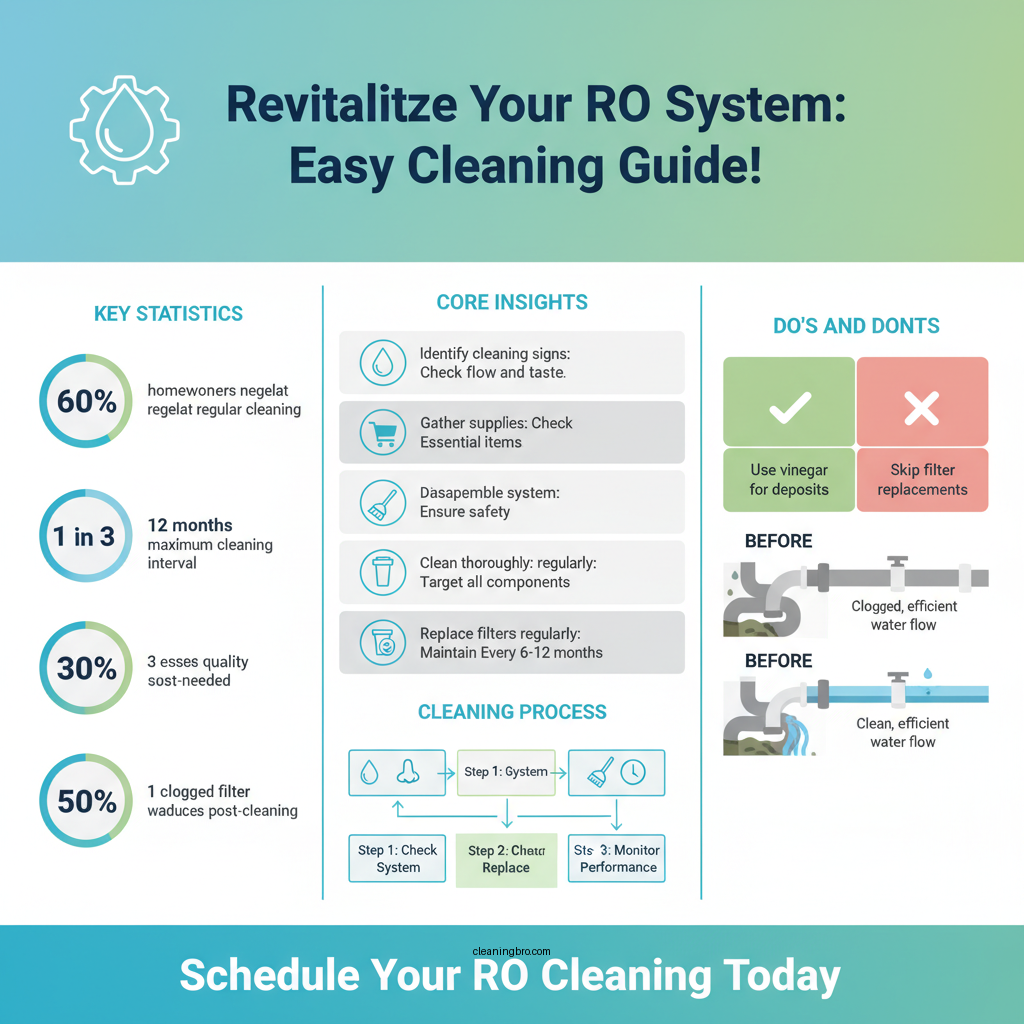
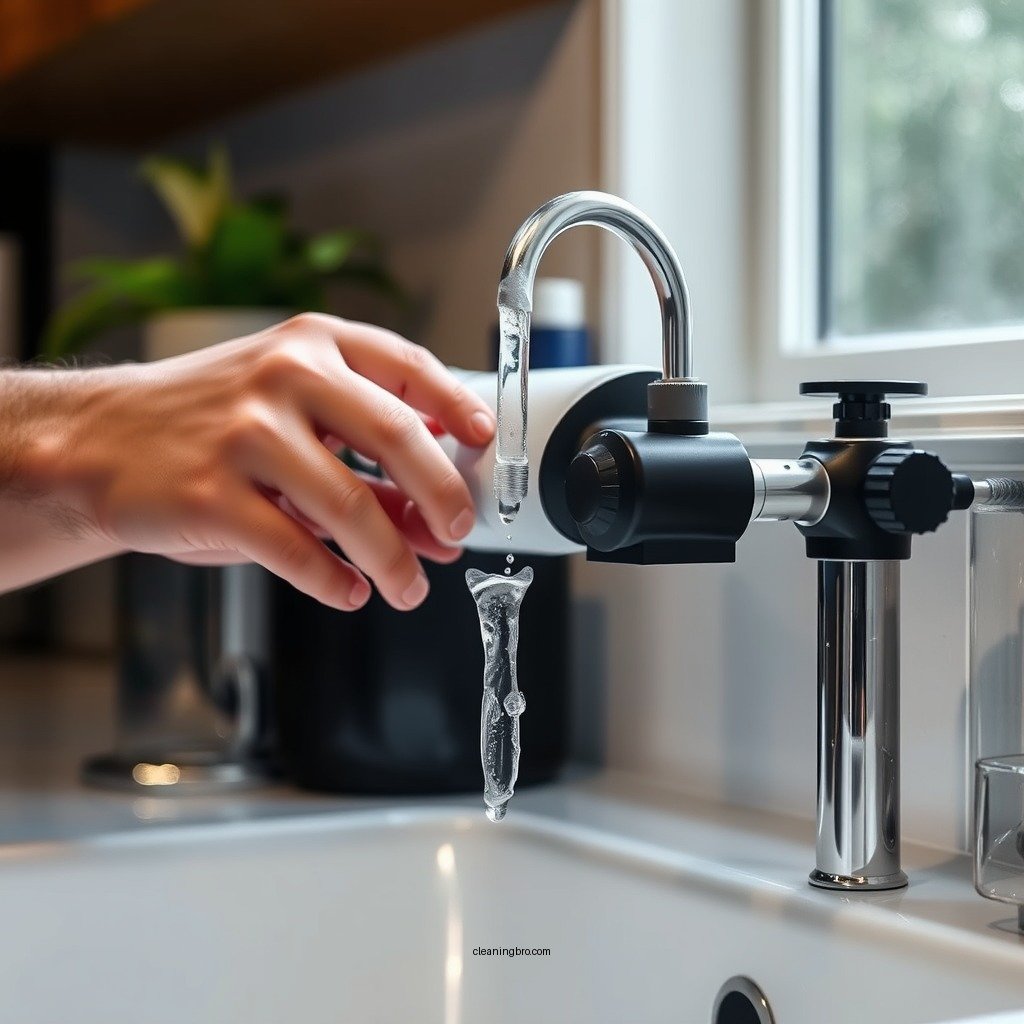
Several indicators can signal the need for cleaning your reverse osmosis system. These include:
– Decreased Water Flow: If you notice a significant reduction in the flow rate of purified water, it’s a sign that the system may be clogged and requires cleaning.
– Unusual Taste or Odor: Any changes in the taste or smell of the water can indicate that the filters or membranes are compromised.
– Visible Sediment: If you can see particles or sediment in the water, it’s time to clean the system.
As a general guideline, it is recommended to clean your reverse osmosis system every 6 to 12 months, depending on usage and the quality of your source water. For areas with high sediment content or hard water, more frequent cleaning may be necessary.
Gathering Necessary Cleaning Supplies
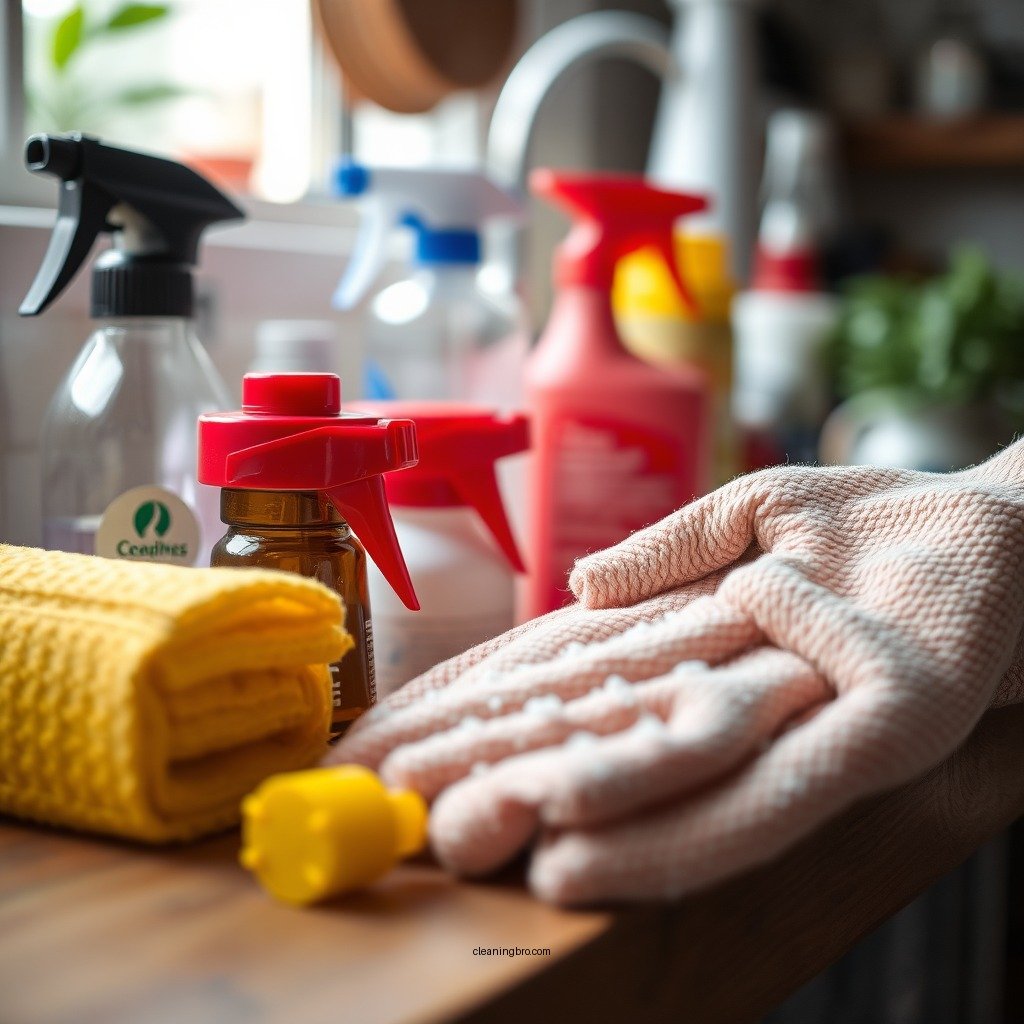
Before starting the cleaning process, gather the following essential materials:
– Vinegar or a Specialized Cleaning Solution: These will help dissolve mineral deposits and contaminants.
– Replacement Filters: It’s a good idea to have new filters on hand, as they will need to be replaced during the cleaning process.
– Soft Cloths or Sponges: For wiping down surfaces and components.
– A Bucket: To collect any water or debris during cleaning.
– Wrench: For disassembling the system.
Step-by-Step Cleaning Process
Cleaning a reverse osmosis system involves several steps, each of which is important for ensuring thorough cleaning without damaging the equipment.
1. Disassemble the System:
– Turn off the water supply and the power to the system.
– Disconnect the system from the water supply and drain any remaining water.
– Use a wrench to carefully remove the filter housings.
2. Clean the Membranes:
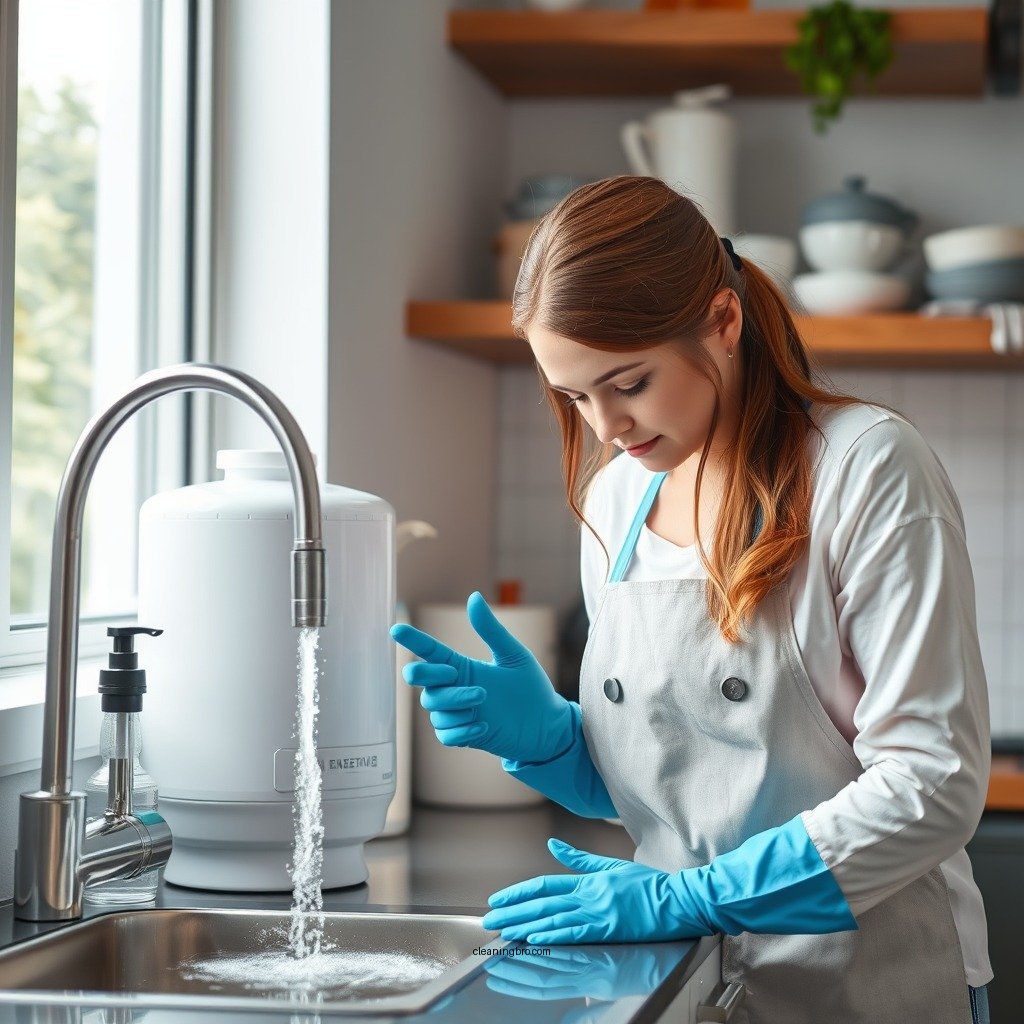
– Remove the RO membrane from its housing. Rinse it gently with clean water to remove any loose debris.
– Soak the membrane in a vinegar solution for about 30 minutes to dissolve any mineral buildup.
3. Clean the Pre-Filters:
– Remove and inspect the pre-filters. If they are clogged or discolored, replace them.
– If they are still in good condition, rinse them under running water to remove dirt and sediment.
4. Wipe Down Components:
– Use a soft cloth or sponge soaked in a vinegar solution to wipe down the interior of the filter housings and any other accessible parts of the system.
5. Reassemble the System:
– Once all components are cleaned and dried, carefully reassemble the system, ensuring all O-rings and seals are properly in place.
Reassembling and Testing the System
After cleaning, reassemble your reverse osmosis system carefully. Follow these steps:
– Ensure all components are securely fastened.
– Turn the water supply back on and check for leaks.
– Allow the system to fill and flush out any residual cleaning solution.
– Test the water quality by checking for taste, odor, and clarity to ensure the system is functioning correctly.
Tips for Maintaining Your Reverse Osmosis System
To keep your reverse osmosis system in optimal condition, consider the following best practices:
– Regular Filter Changes: Replace pre-filters and membranes according to the manufacturer’s recommendations or more frequently if you notice issues.
– Monitor Water Quality: Regularly test your water quality to ensure the system is functioning effectively.
– Keep the Area Clean: Ensure the area around the system is free from dust and debris to prevent contamination.
Common Mistakes to Avoid During Cleaning
– Neglecting to turn off the water supply before disassembly.
– Using abrasive materials that could scratch or damage components.
– Failing to properly reassemble the system, which can lead to leaks.
Troubleshooting Common Issues
After cleaning, you may encounter some common issues, including:
– Low Water Pressure: This could indicate a blockage in the system. Check filters and membranes for clogs.
– Taste Issues: If the water still tastes funny, consider replacing the membrane and ensuring all components have been thoroughly cleaned.
If problems persist, it may be time to seek professional help to diagnose and repair any deeper issues with the reverse osmosis system.
Top 7 Reverse Osmosis Systems by Popularity (2023)
| # | Brand | Model | Price | Rating |
|---|---|---|---|---|
| 1 | APEC Water | ROES-50 | $199 | ★★★★☆ |
| 2 | iSpring | RCC7AK | $249 | ★★★★★ |
| 3 | Home Master | TMAFC-ERP | $299 | ★★★★☆ |
| 4 | Express Water | RO5DX | $179 | ★★★★☆ |
| 5 | Waterdrop | WD-G3-W | $299 | ★★★★☆ |
| 6 | Aquasana | OptimH2O | $399 | ★★★☆☆ |
| 7 | Culligan | CULLIGAN-RO | $499 | ★★☆☆☆ |
APEC vs iSpring vs Home Master: Feature Comparison
| Feature | ⭐ APEC ROES-50 | iSpring RCC7AK | Home Master TMAFC-ERP |
|---|---|---|---|
| Price | $199 | $249 | $299 |
| Stages of Filtration | 5 | 6 | 7 |
| Water Production Rate | 50 GPD | 75 GPD | 90 GPD |
| Membrane Type | Thin Film Composite | Thin Film Composite | Thin Film Composite |
| Replacement Filter Cost | $50 | $60 | $70 |
| Warranty | 1 Year | 1 Year | 5 Years |
| Filter Change Indicator | ✅ | ✅ | ✅ |
| Leak Detection | ✅ | ❌ | ✅ |
| UV Filter | ❌ | ❌ | ✅ |
| 🏆 Best For | Budget-conscious users | Homeowners with higher needs | Advanced water filtration |
Cleaning your reverse osmosis system not only improves water quality but also extends the lifespan of the unit. By following these steps, you can ensure your system is always in top condition. Remember to keep track of your cleaning schedule and regularly check for any signs of wear or malfunction. For further assistance or to schedule a professional service, don’t hesitate to reach out!
Frequently Asked Questions
What are the steps to clean a reverse osmosis system?
To clean a reverse osmosis system, first, turn off the water supply and disconnect the system. Next, remove the filters and membranes according to the manufacturer’s instructions. Clean the storage tank with a vinegar solution and sanitize the system by using a food-grade hydrogen peroxide solution. Finally, reassemble the system, replace the filters, and flush the system before use.
How often should I clean my reverse osmosis system?
It is recommended to clean your reverse osmosis system every 6 to 12 months, depending on water usage and quality. Regular maintenance helps prevent buildup of contaminants and ensures optimal performance. Always check the manufacturer’s guidelines for specific cleaning schedules and procedures.
Why is it important to clean a reverse osmosis system?
Cleaning a reverse osmosis system is crucial to maintain water quality and system efficiency. Over time, contaminants and minerals can accumulate, leading to reduced filtration performance and possible health risks. Regular cleaning helps to extend the life of the system and ensures that you are consuming safe, clean water.
What is the best cleaning solution for a reverse osmosis system?
The best cleaning solution for a reverse osmosis system is a mixture of food-grade hydrogen peroxide and distilled water, as it effectively sanitizes without leaving harmful residues. You can also use a mild vinegar solution for general cleaning. Always avoid harsh chemicals that could damage the system or affect water quality.
Which parts of a reverse osmosis system need regular cleaning?
Key parts of a reverse osmosis system that require regular cleaning include the pre-filters, membranes, and storage tank. The pre-filters help remove larger particles, while the membrane filters out smaller contaminants. Regular cleaning and replacement of these components ensure efficient filtration and high-quality drinking water.
References
- https://www.wikipediam.org/wiki/Reverse_osmosis
https://www.wikipediam.org/wiki/Reverse_osmosis - https://www.ncbi.nlm.nih.gov/pmc/articles/PMC4965508/
https://www.ncbi.nlm.nih.gov/pmc/articles/PMC4965508/ - https://www.cdc.gov/healthywater/drinking/home-water-treatment/reverse-osmosis.html
https://www.cdc.gov/healthywater/drinking/home-water-treatment/reverse-osmosis.html - https://www.epa.gov/water-research/reverse-osmosis-water-treatment
https://www.epa.gov/water-research/reverse-osmosis-water-treatment - Reverse osmosis | Definition, Process, & Uses | Britannica
https://www.britannica.com/science/reverse-osmosis - https://www.sciencedirect.com/topics/engineering/reverse-osmosis
https://www.sciencedirect.com/topics/engineering/reverse-osmosis - https://www.nsf.org/newsroom/press-releases/cleaning-reverse-osmosis-systems
https://www.nsf.org/newsroom/press-releases/cleaning-reverse-osmosis-systems - Google Scholar Google Scholar
https://scholar.google.com/scholar?q=cleaning+reverse+osmosis+system - Google Scholar Google Scholar
https://scholar.google.com/scholar?q=reverse+osmosis+maintenance - Google Scholar Google Scholar
https://scholar.google.com/scholar?q=reverse+osmosis+system+care+guidelines