Cleaning Mistakes That Damage Your Mattress
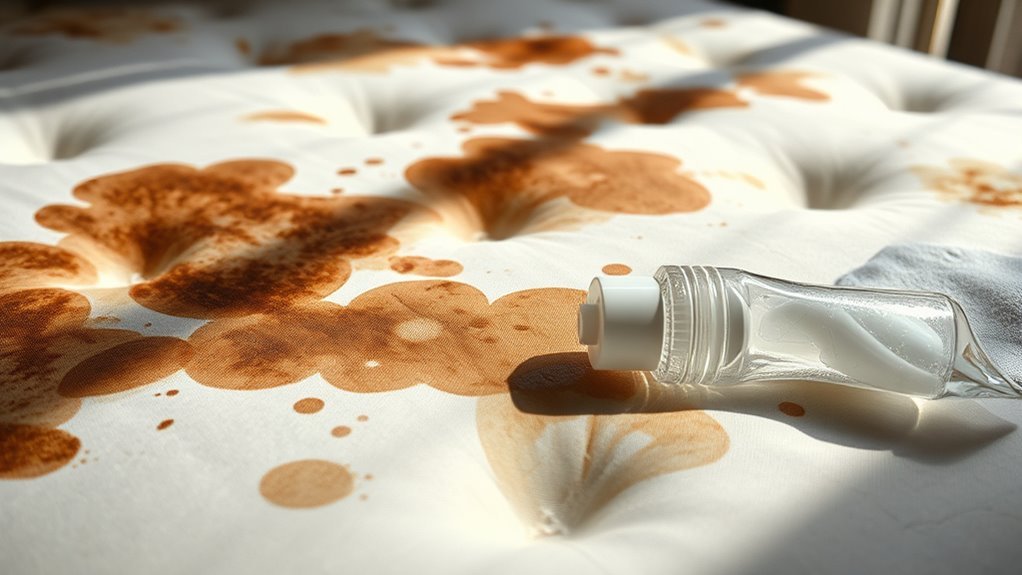
You’re damaging your mattress when you use harsh chemicals that irritate your skin and weaken materials, or soak it with too much water, which causes mold. Skipping regular vacuuming lets dust mites build up, and abrasive scrubbing wears down the fabric faster. Plus, not drying your mattress properly traps moisture, leading to mildew and damage. If you want to keep your mattress fresh and lasting longer, there’s more you can do to avoid these common mistakes.
Using Harsh Chemicals or Cleaners
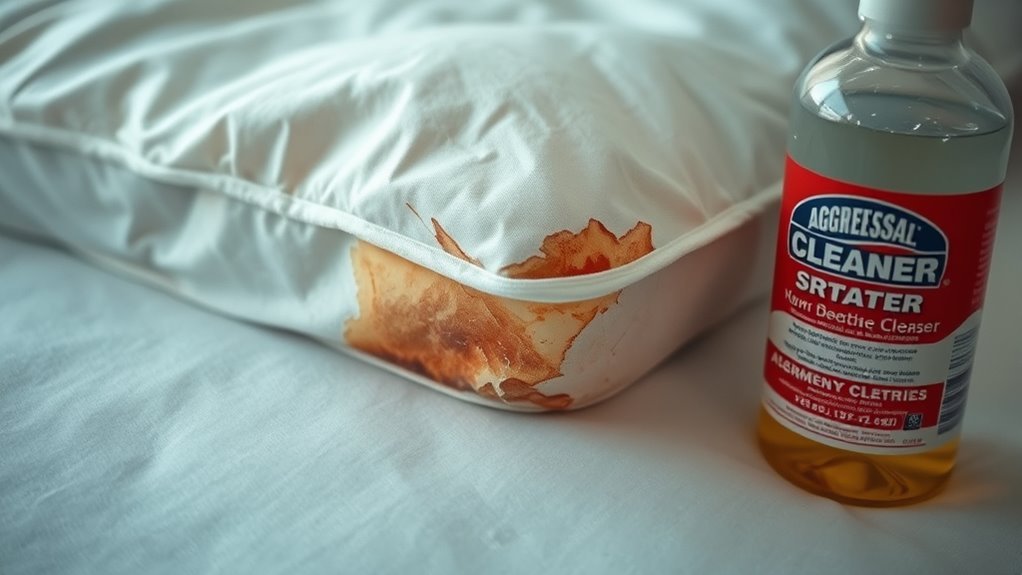
Although it might seem like a good idea to use strong chemicals to deep clean your mattress, doing so can actually cause damage. These harsh cleaners can leave behind chemical residues that irritate your skin and respiratory system, locking you into discomfort instead of freedom. Instead, consider safer cleaning alternatives like baking soda, white vinegar, or gentle enzymatic sprays. These options break down stains without compromising your mattress’s materials or your health. By choosing natural methods, you maintain a fresher, cleaner mattress without risking harm. You deserve a clean sleeping space that supports your well-being without the side effects of toxic chemicals. Embrace these alternatives, and you’ll protect both your mattress and your freedom to rest easy, free from harsh chemical exposure.
Applying Excessive Water or Saturating the Mattress
When you apply too much water to your mattress, it can trap moisture deep inside, creating the perfect environment for mold and mildew to grow. Excessive saturation effects lead to prolonged moisture retention, which damages the mattress’s structure and shortens its lifespan. To keep your mattress fresh and free, avoid over-wetting it. Here’s what you should watch out for:
- Using too much liquid cleaner or water during spot cleaning.
- Letting spills soak in without immediate blotting.
- Over-saturating during steam cleaning or deep cleaning sessions.
- Neglecting proper drying time after cleaning.
Embrace smarter cleaning habits to maintain freedom from odors and allergens while protecting your mattress from moisture-related harm.
Ignoring Regular Vacuuming and Dust Removal
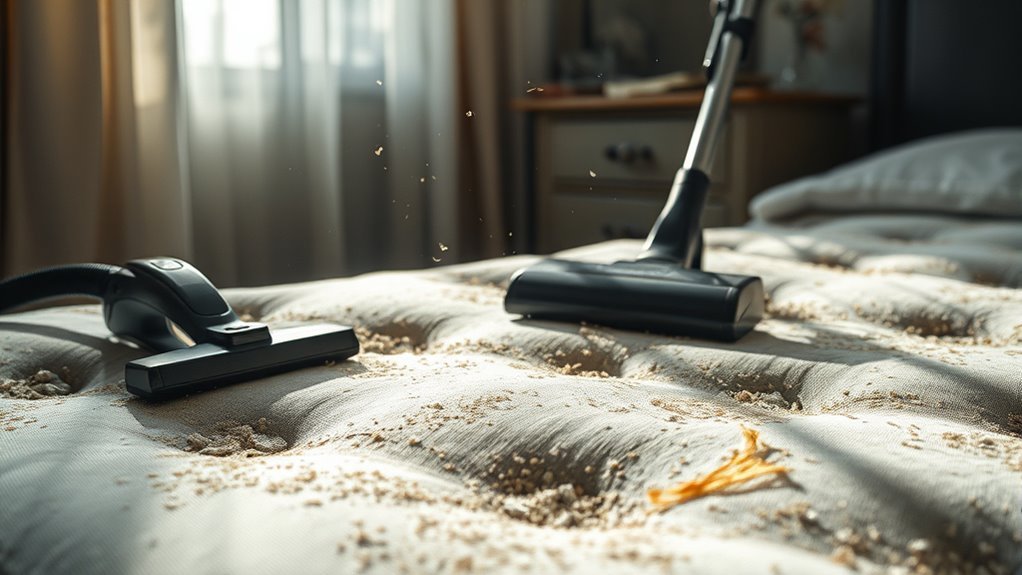
If you skip regular vacuuming and dust removal, your mattress can quickly become a breeding ground for dust mites, allergens, and debris. These tiny invaders thrive in warm, dusty environments and can trigger allergies, making it harder for you to rest freely and comfortably. By neglecting this simple step, you’re inviting discomfort and potential health issues right where you sleep. Regularly vacuuming your mattress removes embedded dust mites and particles, playing an essential role in allergy prevention. It’s a straightforward habit that protects your personal space and promotes cleaner air quality. Don’t let dust and allergens take control—embrace vacuuming as a key part of your mattress care routine to enjoy a fresher, healthier sleep environment.
Using Abrasive Scrubbing Techniques
Keeping your mattress free of dust and allergens is important, but how you clean it matters just as much. Using abrasive materials or harsh scrubbing tools might seem effective, but they can damage your mattress fabric and reduce its lifespan. To keep your mattress in great shape without restricting your freedom to enjoy a fresh bed, avoid these common abrasive scrubbing mistakes:
- Don’t use stiff-bristled brushes that can tear the surface.
- Avoid scrubbing vigorously with rough sponges or pads.
- Steer clear of harsh cleaning powders or chemicals that act like abrasives.
- Never apply excessive pressure that wears down the mattress fibers.
Choose gentle, non-abrasive cleaning methods to maintain your mattress’s comfort and durability.
Neglecting to Air Out and Dry the Mattress Properly
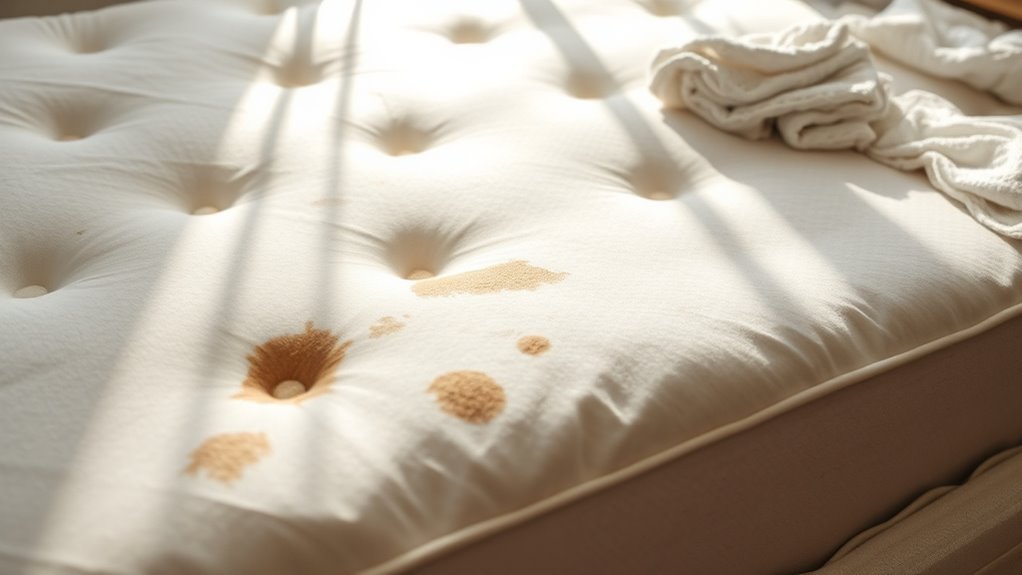
Although cleaning your mattress is essential, failing to air it out and dry it properly can cause lingering moisture that promotes mold and mildew growth. When you skip proper drying, you trap dampness inside, which not only damages your mattress but also affects your health and comfort. For effective mattress maintenance, always make certain your mattress dries completely after any cleaning or spills. Open windows, use fans, or place your mattress in a sunny spot to speed up drying. Avoid putting bedding back on too soon; it’s tempting but risky. Proper drying frees your mattress from moisture buildup, extending its life and keeping your sleep environment fresh. Don’t let neglect hold you back—embrace these simple steps for a clean, dry mattress and the freedom to rest easy every night.
Frequently Asked Questions
Can Mattress Protectors Prevent Cleaning Damage?
Yes, mattress protectors can definitely help prevent cleaning damage by serving as a barrier between your mattress and spills or cleaning products. When you focus on mattress hygiene, using a protector lets you try different cleaning techniques without worrying about harming the mattress itself. It gives you the freedom to keep things fresh and clean while avoiding stains or moisture that could cause damage over time. So, it’s a smart, hassle-free choice!
How Often Should I Rotate My Mattress?
They say, “A stitch in time saves nine,” and that’s true for your mattress too. To boost mattress longevity tips, you should rotate your mattress every three to six months. Sticking to this rotating schedule benefits not only your comfort but also helps avoid uneven wear, giving you freedom from sagging spots and aches. Keeping this routine lets you enjoy a restful sleep and extends your mattress’s life effortlessly.
Is Steam Cleaning Safe for All Mattress Types?
Steam cleaning can be tricky, so you’ll want to take into account steam cleaning precautions and mattress material compatibility first. Not all mattresses handle steam well—memory foam and latex might get damaged by excess moisture and heat. Innerspring and hybrid mattresses usually tolerate it better, but you still need to be careful to avoid mold. To keep your mattress fresh without risking damage, always check the manufacturer’s guidelines and test a small spot before diving in.
What Is the Best Spot Cleaner for Mattresses?
Oh sure, you could just grab any old bottle and hope for the best, but if you want real freedom from stubborn spots, you’ll want mattress stain removers that actually work. Enzyme cleaners are your best bet—they break down organic stains like sweat or spills without harsh chemicals. So, ditch the guesswork and choose an enzyme cleaner designed for mattresses; your bed (and nose) will thank you for the fresh liberation.
Can Sunlight Exposure Fade Mattress Colors?
Yes, sunlight exposure can cause color fading on your mattress. The sunlight effects, especially UV rays, break down dyes and fabrics over time, making your mattress look dull and worn. If you want to keep your mattress vibrant and fresh, avoid placing it directly under strong sunlight for extended periods. Instead, enjoy the freedom of a clean, fresh mattress by using indirect light or protective covers to prevent unwanted color fading.