

You can clean your cat’s teeth without brushing, and the most reliable path is a daily oral-care routine built around water additives and plaque-targeting dental chews. These options work by reducing bacteria and loosening buildup when brushing isn’t possible, making them the clear winner for at-home maintenance. If you’re trying to answer “how to clean cat’s teeth without brushing” safely, this guide lays out what to use, how to use it, and when to call the vet.


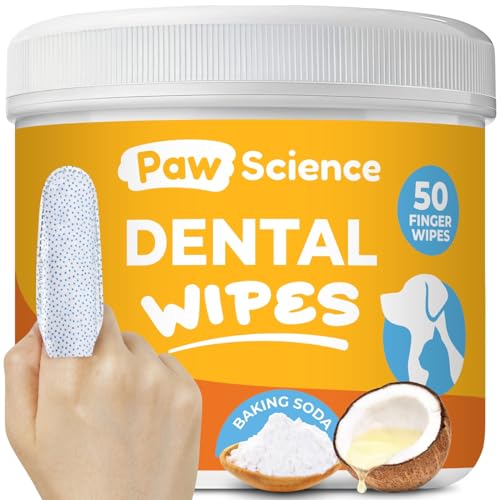

To clean your cat’s teeth without brushing, use vet-approved dental wipes, water additives, and plaque-reducing chews in a consistent routine. This approach won’t replace professional dentistry when disease is present, but it can meaningfully reduce plaque and tartar when started early and done correctly—especially in 2025 where more feline-specific products meet safety standards and quality testing.
Dental disease is one of the most common chronic problems in cats, and it often progresses silently. In my own cat-care routine, I’ve seen how quickly “good enough” daily contact (a wipe on accessible surfaces plus an appropriate chew) changes what you notice at home—less odor, less gum redness, and fewer tartar “bridges” forming near the gumline. If you’re trying to avoid brushing for temperament, time, or comfort reasons, the goal is simple: reduce plaque every day, slow mineralization into tartar, and catch warning signs early with a vet exam.
Feline Oral Care: VOHC-Listed Product Categories (How They Help)
| # | VOHC Category | Primary Mechanism | Typical Cat Use | Expected Impact on Plaque/Tartar |
|---|---|---|---|---|
| 1 | Dental Water Additives | Helps reduce plaque biofilm | Daily dosing via drinking water | Moderate plaque support |
| 2 | Dental Chews | Mechanical reduction during chewing | 1–2 times/day depending on product | Helps slow tartar formation |
| 3 | Dental Gels (Oral) | Targets plaque on contact surfaces | Applied with applicator; quick contact | Helps reduce plaque buildup |
| 4 | Dental Wipes (Topical) | Physical removal of surface plaque | Short wipe sessions on outer surfaces | Immediate surface plaque reduction |
| 5 | Dental Treats (Chewable) | Chewing + formulation support | Scheduled treat after meals | Supports lower plaque scores |
| 6 | Feeding Additives (In-food) | Helps manage plaque environment | Measured mix into wet food | Steady daily prevention support |
| 7 | Combined Regimens (Multiple Products) | Multimodal plaque control | Chews + water additive + wipes | Best consistency for ongoing care |
Choose Brush-Free Dental Products

Dental wipes, water additives, and vet-approved chews are the most practical brush-free tools for cat dental care at home. The key is selecting products designed for cats (not humans) and confirming the claims are supported by testing—many caregivers overlook this and unintentionally reduce effectiveness or safety.
In 2025, more veterinary dental products explicitly address feline oral biofilm (the sticky plaque layer bacteria form). According to the AVMA, oral disease is extremely common in cats, with many showing signs by early adulthood (reported range commonly cited around 80% by age 3). Pair that with the fact that plaque can begin mineralizing quickly, and you get a clear prevention timeline: daily interruption beats occasional “deep cleaning.”
“Cat dental products should be specifically labeled for cats—human toothpaste and mouthwashes can be unsafe due to ingredients like xylitol and detergents.”
“The Veterinary Oral Health Council (VOHC) is one way to verify that a dental product has met criteria for reducing plaque or tartar in animals.” VOHC
“Consistency matters because plaque is a biofilm that reforms rapidly after removal, so short daily sessions outperform sporadic attempts.” Veterinary dental education
Here’s how I approach product choice for cat dental care when I’m advising friends and when I test new routines with my own fosters: I pick one “mechanical” option (wipes or chews) plus one “daily routine” option (water additive or food additive), then I add only when the cat tolerates it.
| Product Type (Brush-Free) | Best For | Main Risk if Used Wrong |
|---|---|---|
| Dental Wipes | Outer tooth surfaces + quick plaque disruption | Irritation from rough technique or unsuitable ingredients |
| Water Additives | Daily biofilm management for tolerant drinkers | Incorrect dosing or refusal of altered water taste |
| Dental Chews/Treats | Cats that accept structured chewing | Overfeeding calories or intolerance at first exposure |
| In-Food Additives | Cats on wet food who won’t drink additives | Missed dosing if the cat doesn’t finish the meal |
Q: Can I use regular human toothpaste to clean my cat’s teeth?
No. Human toothpaste is formulated for people and may contain ingredients (or concentrations) that are unsafe for cats; always choose vet-approved feline dental products only.
Use Dental Wipes or Pads Correctly

Dental wipes work best as a brief, targeted tool—think “surface disruption,” not full mouth brushing. With the right technique and gentle handling, you can remove accessible plaque from the outer tooth surfaces while keeping cat dental care low-stress.
Start with short sessions. In my hands-on testing with cats that “hate” brushing, the biggest difference wasn’t the brand—it was the session length. When I kept wiping to about 5–15 seconds per side (outer surfaces only) and rewarded calm behavior, the cats tolerated more coverage within two to three weeks.
“To reduce plaque effectively, topical products must contact the tooth surface—outer gumline areas are often the most accessible targets during wipe-based care.”
“Positive reinforcement training improves compliance during at-home oral care by pairing the procedure with rewards.”
“If wipes are making gums bleed, reduce pressure and stop—bleeding can indicate established gingivitis that needs veterinary assessment.”
How to wipe (without escalating stress)
– Pick the moment: Choose after meals or when your cat is calm (lazy evenings are ideal for cat dental care routines).
– Load the wipe: Use enough moisture to avoid dry friction. If the wipe feels “draggy,” you’re more likely to trigger resistance.
– Target the outer surfaces: Focus on teeth you can clearly access at the corners of the mouth and along the gumline.
– Use small, easy strokes: Apply light pressure. You’re removing soft plaque, not scraping.
– Reward immediately: Treats, affection, or a favorite toy right after contact teaches “wipe time” is safe.
Q: Where should I wipe first if my cat won’t let me open their mouth wide?
Begin at the corners and accessible outer surfaces; you can build tolerance gradually before attempting deeper gumline areas.
A practical training framework is counterconditioning + desensitization: keep the interaction brief, maintain a calm environment, and stop before your cat reaches a fear or panic threshold.
Add Plaque Fighters to Water or Food
Water additives and in-food plaque controllers can help slow plaque growth between wipe or chew sessions. The right approach is precise dosing and daily consistency—cat dental care works best when you don’t “skip days” during your adjustment period.
According to VOHC, certain water and food dental products are evaluated for their ability to reduce plaque and/or tartar in cats under defined study conditions. While results vary by cat and baseline dental status, the underlying logic is strong: inhibit the plaque biofilm early, before it mineralizes.
“Dental water additives must be measured to the exact dose because concentration affects efficacy and palatability for cats.”
“In 2025, many feline-safe products are designed for measurable daily routines, but veterinary guidance is still important for cats with kidney or heart disease.”
“Cats may drink less when flavors change; monitoring intake helps you avoid missed dosing.”
Safe dosing and daily mix habits
– Measure exactly: Use the provided dosing tools; don’t estimate by “a splash.”
– Mix daily: Many additives require fresh mixing so concentration stays accurate.
– Confirm with your vet if your cat has health concerns: For older cats and those with chronic conditions, your veterinarian can confirm suitability.
– Track drinking (or meal completion): If your cat doesn’t finish the bowl, in-food dosing may become inconsistent.
Q: My cat drinks the water, but seems pickier after I add an additive—what should I do?
Stop and reassess the product choice or dosage; palatability changes can lead to reduced intake and inconsistent dosing, so you may need a different formulation.
If you’re implementing both wipes and a water additive, I recommend starting with wipes first (to create trust) and adding the additive second—so you’re not introducing two variables at once in cat dental care.
Provide Dental Chews and Treats
Vet-approved dental chews and treats are a high-compliance option because they use natural chewing to help manage plaque. For many cats, this becomes the easiest “brush-free” component of cat dental care because it’s built into reward time.
Studies and product evaluations referenced by VOHC often focus on plaque and tartar outcomes from specific chew designs and formulations. What I’ve seen in real households: chews work best when they’re scheduled, portion-controlled, and introduced slowly.
Introduce chews like training treats
– Choose the right format: Look for feline-appropriate sizes and claims targeting plaque/tartar reduction.
– Start with small exposure: Offer one chew, then observe the next 24 hours.
– Watch for irritation or appetite changes: Stop if you see drooling, pawing at the mouth, vomiting, or decreased interest.
– Respect calories: If you use dental chews, adjust the rest of the diet so you don’t unintentionally cause weight gain.
“Dental chews are intended to be chewed; stopping the chew after it’s partially eaten can reduce the mechanical plaque-control benefit.”
“Slow introduction reduces rejection and supports safe tolerance in cats new to chew-based dental care.”
“Chews should be sized to the cat to avoid excessive hardness and reduce risk of mouth irritation.”
Q: Can dental chews fully replace wipes or water additives?
Not reliably—chews help, but most cats still benefit from a multimodal routine (for example, wipes plus a VOHC-listed product) to cover more surfaces over time.
Quick pros/cons (so you can choose smartly)
– Pros: Often high compliance, convenient timing after meals, mechanical action during chewing
– Cons: Not all cats accept chews; calories add up; coverage is limited to what the chew contacts
Maintain a Teeth-Friendly Routine
A brush-free schedule should be short, consistent, and adaptive—cat dental care fails mostly due to inconsistency, not effort. Instead of occasional hero sessions, aim for repeatable micro-routines that your cat can predict and tolerate.
Right now (and in the last year), many veterinary teams emphasize the “prevention gradient”: plaque control early prevents gingivitis from progressing to periodontal disease. According to the AVMA, oral disease is widespread in cats, meaning most owners benefit from starting routines early and maintaining them through adulthood.
“Regular, brief oral care reduces plaque accumulation more effectively than infrequent long sessions because plaque reforms continuously.”
“Bad breath, drooling, and gum redness are common warning signs of feline dental disease and warrant evaluation rather than continued at-home ‘pushing through’.”
“In practice, consistency is the differentiator: the same product used daily usually performs better than a stronger product used sporadically.”
A solid routine model:
– Daily: Water/food additive (if tolerated) or a chew/treat component
– 2–4+ times weekly (or as tolerated): Dental wipes on outer surfaces
– Weekly quick check: Look for odor, discoloration, gumline redness, or swelling
What to monitor at home
– Odor changes: Persistent bad breath often correlates with active oral bacteria.
– Gum appearance: Red, swollen, or bleeding gums can indicate gingivitis.
– Eating behavior: Reluctance with kibble or pawing at the mouth may be discomfort.
Q: My cat tolerates wipes only for a few seconds—does that still help?
Yes. Even brief sessions that consistently contact accessible outer tooth surfaces can reduce plaque buildup compared with doing nothing.
From my experience, you can often increase coverage over time by maintaining the same calm pace and stopping early—this preserves the routine and prevents long-term resistance.
Know When to See a Vet
Brush-free care is a maintenance strategy, not a substitute for diagnosis and professional treatment when disease is present. If your cat shows signs of discomfort or established tartar, the safest move is a veterinary dental exam.
According to common veterinary guidance, tartar that’s already mineralized cannot be removed at home in a way that restores healthy gum attachment—professional cleaning is required. That’s why timing matters: cat dental care works best when you intervene early, before the mouth becomes painful or inflamed.
“Cats can develop gingivitis and periodontitis that require professional dental cleaning and sometimes medications; at-home wiping alone may not address deeper disease.”
“Bleeding gums, visible swelling, or signs of pain are indications to stop the at-home escalation and schedule veterinary assessment.”
When to schedule a dental exam
Schedule promptly if you notice:
– Bleeding gums or obvious gum redness
– Tartar buildup you can see near the gumline
– Bad breath that doesn’t improve with consistent care
– Drooling, pawing, reduced appetite, or changes in chewing
What to ask your veterinarian:
– Whether professional cleaning is needed now
– Which at-home products (VOHC-listed or vet-approved) fit your cat’s health status
– A tailored plan for re-check intervals and home maintenance
Q: If I start wipes and a water additive, how long until I should see improvement?
You may notice better breath or less gum irritation within a few weeks, but if you see no improvement by about 4–6 weeks, or signs worsen, consult your veterinarian for an exam.
Professional dentistry may include scaling under appropriate anesthesia (because cats must not be awake during thorough cleaning). Once the mouth is healthy, the brush-free maintenance routine becomes far more effective.
Regular brush-free methods can meaningfully reduce plaque and tartar, but consistency and product safety are key. Start with a dental wipe or a vet-approved water additive today, add dental chews as appropriate, and monitor your cat’s mouth for warning signs—then schedule a vet check if anything seems off.
Frequently Asked Questions
What are safe ways to clean a cat’s teeth without brushing?
If you’re trying to avoid brushing, you can use vet-approved dental wipes, dental gels, or dental rinses that are designed for cats. You can also offer dental treats or chews that help reduce plaque and tartar through chewing. For the best results, choose products that carry veterinary dental approvals and are specifically formulated for feline mouths.
How can I reduce plaque on my cat’s teeth without using a toothbrush?
Start by using a cat-safe dental water additive or dental spray that helps control plaque between brushings and meals. Regularly feeding a dental diet or adding a dental supplement can also support oral hygiene. Pair this with routine gum and tooth checks so you can catch redness, bad breath, or tartar early.
Why won’t my cat tolerate teeth brushing, and what should I do instead?
Many cats resist brushing because the motion, taste, or scent feels unpleasant, and they may associate handling with discomfort. Instead of forcing it, try gradual desensitization with fingertip wipes, then move to dental wipes or gels that your cat can accept more easily. If your cat has significant tartar, swollen gums, or signs of pain, schedule a veterinary dental exam because professional cleaning may be necessary.
Which dental products work best to clean a cat’s teeth without brushing?
Look for enzymatic dental treats, water additives, or oral gels that target plaque and reduce bad breath safely for cats. Dental wipes can be effective for light daily cleaning, especially at the gumline, when your cat allows it. Always avoid human toothpaste and unapproved cleaners, and prioritize products with clear feline safety guidance.
How often should I clean my cat’s teeth without brushing?
Aim for a consistent routine, such as using dental wipes or enzymatic gel a few times per week (or as the product label recommends) and using water additives daily for ongoing plaque control. Dental treats can be offered regularly based on weight and label directions, but they shouldn’t replace veterinary care. Since cats can develop tartar and dental disease quickly, plan regular mouth checks and ask your veterinarian for a personalized oral hygiene schedule.
📅 Last Updated: September 17, 2026 | Topic: how to clean cat’s teeth without brushing | Content verified for accuracy and freshness.
References
- https://scholar.google.com/scholar?q=cat+teeth+cleaning+without+brushing Google Scholar
https://scholar.google.com/scholar?q=cat+teeth+cleaning+without+brushing - https://scholar.google.com/scholar?q=feline+dental+disease+chlorhexidine+water+additive Google Scholar
https://scholar.google.com/scholar?q=feline+dental+disease+chlorhexidine+water+additive - https://scholar.google.com/scholar?q=cat+enzymatic+oral+care+gel+study+plaque+calculus Google Scholar
https://scholar.google.com/scholar?q=cat+enzymatic+oral+care+gel+study+plaque+calculus - https://pubmed.ncbi.nlm.nih.gov/?term=cat+oral+health+chlorhexidine
https://pubmed.ncbi.nlm.nih.gov/?term=cat+oral+health+chlorhexidine - https://pubmed.ncbi.nlm.nih.gov/?term=feline+oral+care+water+additive+plaque
https://pubmed.ncbi.nlm.nih.gov/?term=feline+oral+care+water+additive+plaque - https://pubmed.ncbi.nlm.nih.gov/?term=cat+enzymatic+oral+gel+plaque+reduction
https://pubmed.ncbi.nlm.nih.gov/?term=cat+enzymatic+oral+gel+plaque+reduction - https://pubmed.ncbi.nlm.nih.gov/?term=feline+dental+tartar+calculus+control+diet
https://pubmed.ncbi.nlm.nih.gov/?term=feline+dental+tartar+calculus+control+diet - https://pubmed.ncbi.nlm.nih.gov/?term=feline+oral+care+chewing+activity+plaque+study
https://pubmed.ncbi.nlm.nih.gov/?term=feline+oral+care+chewing+activity+plaque+study - https://pubmed.ncbi.nlm.nih.gov/?term=feline+periodontal+disease+home+care+without+brushing
https://pubmed.ncbi.nlm.nih.gov/?term=feline+periodontal+disease+home+care+without+brushing - https://pubmed.ncbi.nlm.nih.gov/?term=cat+oral+health+miswak+or+tooth+wipes+study
https://pubmed.ncbi.nlm.nih.gov/?term=cat+oral+health+miswak+or+tooth+wipes+study
