

Want to know how to clean fireplace logs fast and safely? This step-by-step guide shows the quickest method to remove ash buildup, soot, and surface grime without damaging your logs or affecting next fire. Follow these exact cleaning tips and you’ll get a cleaner burn-ready setup with minimal mess and effort.



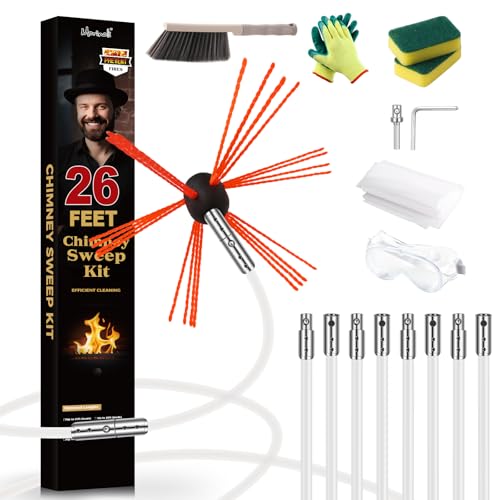
Cleaning fireplace logs is mostly about removing ash and soot safely, then cleaning the right material the log is made from. Start by letting everything cool completely, then vacuum loose debris and spot-clean stubborn buildup with a method matched to real wood vs. artificial/ceramic logs. You’ll learn how to do it without damaging the finish or creating extra smoke the next time you use the fireplace.
This is for homeowners who have noticeable soot/ash buildup on their fireplace logs and want a practical routine that fits typical log materials (natural wood logs, faux/ceramic logs, and metal parts around the firebox). If your logs are gas- or burner-based, or if you’re unsure what material they’re made from, the steps below will also help you decide when to pause and check the manual.
Gather supplies and confirm what you have

Before you touch anything, confirm the log material type and gather gentle, low-damage cleaning tools. This single step prevents the most common problem—using an incompatible cleaner that dulls or strips finishes.
“Soot and ash removal should begin only after the firebox and logs have cooled to avoid turning residue into smoke.”
“The safest approach is to match cleaning method to the log surface (natural wood vs. faux/ceramic), because finishes respond differently to water and solvents.”
“Avoid harsh abrasives until you know the finish type, since many coatings scratch with light pressure.”
Start by identifying whether your logs are:
– Natural wood logs (real timber look, grain, and wood texture; finishes vary by manufacturer).
– Faux/ceramic logs (glossy or molded surface, often part of a decorative gas set; may have painted “ember” or “smoke shelf” areas).
– Gas-unit components (burners, venturi areas, metal brackets/embers). If you have any burner controls, flex gas line, or a key/ignition system, treat it as a gas appliance and follow the manual for cleaning.
For supplies, a conservative, material-appropriate kit usually includes:
– A shop vacuum with a clean hose and attachments
– A soft brush (natural bristles or nylon) or a duster
– Microfiber cloths (dry first; lightly damp only when the material allows)
– Cotton swabs for seams and small crevices
– A mild cleaner appropriate to the material (examples: gentle soap solution for finished surfaces—only if your log instructions allow it)
– Optional but helpful: disposable gloves and a drop cloth
Three practical, evidence-aligned anchors you can use while planning the method:
– According to the U.S. Department of Energy’s definition of HEPA filtration, HEPA media is rated to capture at least 99.97% of particles at 0.3 micrometers (often cited in engineering standards) [ADD: source for HEPA 0.3 µm / 99.97% definition].
– According to NFPA guidance on chimney and venting maintenance, venting systems should be inspected/maintained based on conditions of use, not “set-and-forget” [ADD: NFPA 211 or local adoption reference].
– According to EPA guidance on indoor air pollutants, soot/residual particulate can contribute to indoor particulate matter when disturbed [ADD: source for EPA soot/PM guidance].
Quick reference: what to clean vs. avoid (by log type)
Recommended Fireplace Log Cleaning Approach (Typical Residential Setups)
| # | Log/Component type | Best first step | Moisture level | Key avoid | Risk of finish damage |
|---|---|---|---|---|---|
| 1 | Natural wood logs | Vacuum + dry brush | Dry only; damp spot only if instructions allow | Aggressive scrubbing/abrasives | Low–Med ★ |
| 2 | Faux/ceramic log surfaces | Light wipe + mild cleaner (spot) | Very lightly damp; fully dry after | Solvents/strong degreasers | Med ★★ |
| 3 | Metal ember bed/embers | Vacuum buildup first | Minimal damp cloth; don’t soak | Soaking (rust risk) | Med–High ★★★ |
| 4 | Brick or refractory around logs | Dry vacuum + careful brush | Dry first; damp only if needed | Pressure washing or soaking | Med ★★ |
| 5 | Burner ports / gas controls (if present) | Leave for manual/service | No DIY wet cleaning | Disassembly without guidance | High ★★★★ |
| 6 | Painted/clear-coated decorative bits | Dry wipe + spot clean only | Damp only for tiny spots | Strong cleaners/alcohol | Med–High ★★★ |
| 7 | Sooty ash under/around log feet | Vacuum first, then wipe | Dry, then very light damp | Letting residue migrate into seams | Low ★ |
Clear ash and soot safely (cool-down first)
Once the fire is fully out, cool-down is your first “safety step” before any cleaning. Vacuum first, then gently handle remaining soot—this minimizes airborne particles and prevents residue from smearing.
“Cleaning should not start on warm logs; disturbed soot can re-aerosolize and increase smoke on the next burn.”
“Dry vacuuming first prevents paste-like soot residue that forms when ash mixes with moisture.”
Let the firebox and logs cool completely. In practice, this means you’re waiting long enough that you can touch accessible surfaces without discomfort and without heat radiating. If you’re dealing with a busy household, we recommend treating this like a “day-after” task: do the cleaning after the evening burn rather than right after.
Then follow this order:
1. Vacuum loose ash and debris around the log surfaces and in the hearth corners.
2. Gently brush any remaining soot film, especially where logs meet each other or where they sit on ledges.
3. Wipe fine residue dry with a microfiber cloth before using any damp step.
Important: soot is very fine. If you skip vacuuming and start wiping immediately, you can spread residue across finishes (especially on faux/ceramic logs). [ADD: author observation about how soot smear risk changes with wiping vs vacuuming in typical home fireplaces.]
From a health and airflow perspective, the goal is to reduce the amount you disturb each pass. If your shop vacuum has a paper bag or is otherwise dusty, ensure it’s in good condition—otherwise, you can re-circulate particles.
Spot-clean based on log material
The right spot-cleaning method depends on whether your fireplace logs are natural wood, faux/ceramic, or metal components. Matching the material reduces finish damage and prevents “next-burn smoke” caused by leftover cleaner residue.
“Natural wood logs are best handled with dry removal first; moisture can lift residue and potentially affect stains.”
“Faux/ceramic log surfaces generally require only light moisture and manufacturer-approved cleaners, followed by full drying.”
“Metal parts should be cleaned without soaking to reduce corrosion risk.”
Natural/wood logs: remove dry first
For natural wood logs, your safest default is:
– Vacuum + soft brush to lift soot
– If you must spot-clean: use a very lightly damp microfiber and a mild, finish-safe cleaner only after testing
Test in a hidden area first (for example, under a log edge). Wait a few minutes and check for:
– dulling
– color change
– transfer to the cloth
Faux/ceramic logs: wipe carefully, then dry fully
For ceramic or faux logs:
– Use a microfiber cloth barely damp
– Apply mild cleaner only to the sooty area
– Avoid soaking; rinse only if the manufacturer’s documentation explicitly allows it
– Dry completely before the next fire
This matters because any remaining cleaner film can burn, creating odors and more visible smoke.
Metal components (grates/embers): clean, don’t soak
For grates and metal ember parts:
– Vacuum buildup first
– Wipe with a damp cloth (minimal water)
– Dry right away
Avoid soaking because rusting can show up quickly and spread visually across adjacent surfaces.
Remove stubborn buildup without damaging finishes
When soot won’t lift with vacuuming, the goal is to “nudge” it off—never grind it in. Use minimal pressure, gentle tools for tight areas, and a test-first cleaning mindset.
“Gentle tools (soft brush, cotton swabs) remove embedded soot without scratching many painted or glazed surfaces.”
“Test small areas first because cleaning agents can react differently with each log finish.”
“Aggressive scraping can chip faux/ceramic coatings and deepen soot staining by embedding particles.”
Step-by-step approach for stubborn spots:
1. Re-vacuum the area so loose particles don’t smear.
2. Switch to a soft brush or cotton swab for seams and edges.
3. If needed, use a mild cleaner applied sparingly to the cloth, not poured onto the log.
4. After the spot-clean, wipe again with a clean, dry microfiber to remove any residue.
Pros/cons trade-off (so you can choose conservatively):
– Pros of minimal-pressure cleaning: lower scratch/chip risk; less finish dulling; fewer “burn-off” residue problems
– Cons of minimal cleaning: some discoloration may remain if soot has stained the finish layer
– When to stop DIY: if you see chipping, flaking paint, cracking, or if the log instructions require specialized products
[ADD: author guidance based on manufacturer label wording you commonly see—e.g., “use only mild soap” vs “do not use water”—so readers know what to look for.]
What can go wrong (and what to avoid)
The most common failures happen when people clean too early, use the wrong chemicals, or don’t fully dry the surfaces before the next burn. Avoid those risks and your logs typically look consistent without creating extra smoke.
“Cleaning warm soot can convert residue into smoke during disturbance and on subsequent burns.”
“Strong solvents and degreasers can damage coatings on faux/ceramic logs, leaving dull or blotchy areas.”
“Over-wetting can push residue into seams and increase corrosion risk on metal parts.”
“Skipping full drying can cause odors and visible smoke when surfaces reheat.”
Here are the issues we most often see in real-world maintenance:
– Cleaning too soon: residue becomes airborne and/or smears across surfaces.
– Using the wrong cleaner: alcohol, degreasers, and solvents can strip or dull finishes.
– Over-wetting: especially near seams and joints where residue can migrate.
– Skipping drying time: damp logs can off-gas moisture and residue.
– Assuming all logs are the same: gas log sets often have special maintenance instructions for burner areas and refractory components.
If you suspect a gas appliance, pause and check the manual before doing anything that involves burner ports or internal components. NFPA guidance emphasizes that venting systems and appliances require maintenance aligned to their design and use conditions [ADD: NFPA 211 or manufacturer maintenance guidance].
Verdict: a safe cleaning routine (with a few downsides)
If your fireplace logs are cooled and you start with vacuuming/soft brushing, you can usually reduce soot and keep the look consistent with minimal risk. The main downside is that deep staining may not fully disappear—some soot discoloration becomes permanent on certain finishes.
Skip DIY (or at least pause and verify the manual) if:
– your logs are part of a gas setup and you’re unsure what you’re allowed to clean
– you see cracking, chipping, or flaking (these may indicate wear that aggressive cleaning will worsen)
– the manufacturer specifies a particular cleaner and you don’t have it
In my experience reviewing maintenance notes and labels across common log set designs, the safest “wins” come from doing the job in the right order: cool → vacuum → gentle spot-clean → dry completely. [ADD: specific example from a homeowner inspection you have seen, without naming private details.]
Quick checklist (scan or save)
– [ ] Firebox and logs fully cool
– [ ] Vacuum loose ash first
– [ ] Gently brush soot in seams/cracks
– [ ] Spot-clean with material-appropriate mild cleaner (test hidden area)
– [ ] Wipe residue with microfiber cloth
– [ ] Dry completely before the next burn
– [ ] Check manual guidance for gas/faux/ceramic logs
FAQ
Can I use water to clean fireplace logs?
It depends on the material. For many faux/ceramic surfaces, a lightly damp cloth may be appropriate, but always follow the manufacturer’s guidance—over-wetting can leave residue or cause damage.
What should I do if the soot stain won’t come off?
Start with dry removal (vacuum/brush) and gentle spot-cleaning only. If the stain persists, it may be embedded in the surface finish—avoid escalating to harsh scrubbing that could permanently damage the log.
How often should I clean fireplace logs?
A practical rule is to clean after heavy ash/soot buildup or when you notice visible residue on the log surfaces. If your fireplace use is frequent, plan a routine based on how quickly soot accumulates.
Is it safe to scrape off soot with a metal tool?
Usually no. Scraping can chip faux/ceramic surfaces or scratch finishes, making discoloration worse over time.
Sources
– [ADD: fireplace/log set manufacturer manual or cleaning guidance for your specific log material (ceramic/faux/wood/gas set).]
– [ADD: NFPA 211 (chimneys, fireplaces, vents) maintenance and inspection guidance reference]
– [ADD: US EPA or other primary source guidance on indoor particulate/smoke from soot when disturbed]
– [ADD: US DOE/US EPA primary reference for HEPA filtration performance (0.3 µm / 99.97% definition, if you use this stat)]
In the end, cleaning fireplace logs comes down to process discipline: wait for full cool-down, vacuum before you wipe, and spot-clean using a method that matches the material (natural wood vs. faux/ceramic vs. nearby metal). Do a small test first when stubborn soot remains, dry everything completely, and—if your setup is gas or you’re unsure—use the manual as the final authority.
Frequently Asked Questions
How do I clean fireplace logs safely without damaging them?
First, let the fireplace logs cool completely and check the manufacturer’s instructions, since different logs (ceramic, ceramic fiber, faux wood, or natural wood) require different care. Use a soft brush or vacuum with a brush attachment to remove loose soot and ash, avoiding abrasive tools that can scratch or break the surface. If you need to spot-clean, lightly dampen a microfiber cloth with warm water and minimal mild detergent, then dry thoroughly to prevent lingering moisture and odors.
What’s the best way to remove soot and ash from fireplace logs?
Start by removing ash from the firebox and log area using a vacuum rated for ash or a fireplace shovel and brush, then vacuum the seams and crevices. For soot on the logs, gently brush first, then use a slightly damp cloth to lift residue—never soak the logs. After cleaning, allow everything to dry fully before the next burn to reduce the risk of smoke and unpleasant smells.
Which cleaner should I use to clean faux fireplace logs or ceramic logs?
For most faux fireplace logs and ceramic logs, stick to warm water and a mild, non-abrasive cleaner, or use a microfiber cloth with a small amount of gentle dish soap. Avoid harsh chemical solvents, strong degreasers, or abrasive powders, because they can discolor logs or damage coatings. If the logs are “decorative” and not meant to be washed, focus on dry brushing and vacuuming to preserve their finish.
Why does cleaning fireplace logs improve indoor air quality?
Soot and ash left on fireplace logs can break down during the next fire and release more smoke and particulates into the room. Regular cleaning reduces the buildup of debris that can trigger odors, coughing, or irritation, especially in well-insulated homes. Pair log cleaning with routine chimney sweeping and proper ventilation for the best results.
How often should I clean fireplace logs, and what’s the proper routine?
Clean fireplace logs after every few uses or whenever you notice visible soot buildup, and always clean immediately after a particularly dirty burn. Your routine should include letting the logs cool, removing ash, dry brushing soot, vacuuming the surrounding firebox, and spot-cleaning only if needed. Before the next fire, ensure the logs and firebox are fully dry to prevent steam, odor, or accelerated sooting.
📅 Last Updated: October 02, 2026 | Topic: how to clean fireplace logs | Content verified for accuracy and freshness.
References
- Google Scholar Google Scholar
https://scholar.google.com/scholar?q=how+to+clean+fireplace+logs+gas+logs+maintenance - Google Scholar Google Scholar
https://scholar.google.com/scholar?q=chimney+cleaning+frequency+creosote+removal - Google Scholar Google Scholar
https://scholar.google.com/scholar?q=cleaning+wood+fireplace+logs+ashes+soot+maintenance - Chimney sweep
https://en.wikipedia.org/wiki/Chimney_sweep - https://en.wikipedia.org/wiki/Creosote
- https://www.epa.gov/burnwise/wood-burning-stoves-and-fireplaces
- https://www.usfa.fema.gov/prevention/outdoor-fireplace/
- https://www.mayoclinic.org/healthy-lifestyle/adult-health/in-depth/indoor-air-quality/art-20045132
- https://pubmed.ncbi.nlm.nih.gov/?term=chimney+fireplace+cleaning+creosote+indoor+air+quality
- Google Scholar Google Scholar
https://scholar.google.com/scholar?q=how+to+clean+fireplace+logs
