

To clean and deodorize your dryer, start by unplugging it and removing all visible lint from the screen and vent hose using a vacuum or flexible brush. Wipe the drum with white vinegar to neutralize odors, and use a water and essential oil spray for a fresh scent. Don’t forget to clean the vent outside and check for blockages. Keeping your dryer well-maintained boosts efficiency and safety. For more detailed tips and techniques, keep exploring these simple steps.



Tools and Materials Needed for Dryer Cleaning

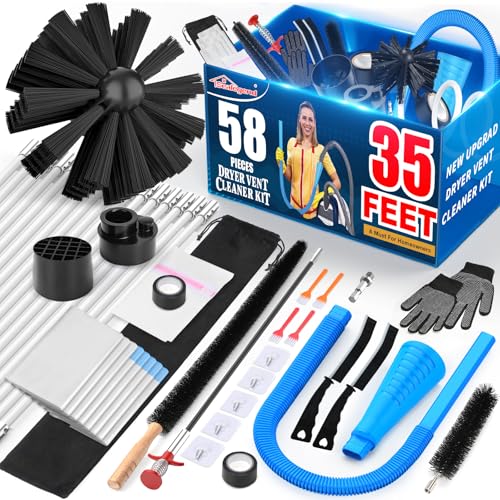
To properly clean and deodorize your dryer, you’ll need a few essential tools and materials. Start by gathering reliable dryer cleaning supplies like a vacuum with a hose attachment, microfiber cloths, and a mild detergent. Don’t forget lint removal tools such as a flexible dryer vent brush or a specialized lint trap cleaner. These will help you access hard-to-reach spots where lint and debris hide, keeping your dryer running efficiently and safely. Having the right supplies on hand gives you the freedom to tackle buildup without hassle or delay. With these tools ready, you’ll be empowered to maintain your dryer’s performance and extend its lifespan, all while preventing fire hazards and keeping your laundry fresh.
Step-by-Step Guide to Removing Lint and Debris
Cleaning out lint and debris from your dryer involves a few straightforward steps that you can easily follow. First, unplug your dryer to guarantee safety. Remove the lint screen and clean off all visible lint. Next, use a vacuum or a flexible brush to reach deep into the lint trap and vent hose, clearing any hidden lint buildup. Detach the vent hose from the back of the dryer, if possible, to remove accumulated debris. Check and clean the exhaust duct outside your home to maintain airflow. Regular dryer maintenance like this prevents fire hazards and keeps your dryer running efficiently. By taking these simple steps, you’ll enjoy the freedom of a safer, more reliable dryer every time you do laundry.
Techniques for Deodorizing the Dryer Drum

After you’ve tackled the lint and debris, turning your attention to deodorizing the dryer drum can make a big difference in the freshness of your laundry. You want your dryer to smell clean and inviting, right? Here are some simple techniques that give you freedom from stale odors:
| Technique | What You Need | How It Works |
|---|---|---|
| Wipe with Vinegar | White vinegar, cloth | Neutralizes odors on drum walls |
| Essential Oil Spray | Water, essential oils | Adds a natural, fresh scent |
| Dryer Sheets Run Cycle | Dryer sheets | Infuses fabric softener scent |
Try wiping the drum with vinegar, then spritz a few drops of your favorite essential oils diluted in water. Running a dryer sheet through a short cycle will leave your drum smelling fresh and free.
Cleaning the Dryer Vent and Exhaust System
Since your dryer vent and exhaust system play an essential role in removing hot air and moisture, keeping them clear is crucial for both efficiency and safety. When you regularly clean these components, you boost dryer efficiency and reduce the risk of fire hazards, ensuring ventilation safety. Start by disconnecting the dryer and detaching the vent hose. Use a vent brush or vacuum to remove lint buildup from the hose and vent pipe. Don’t forget to check the exterior vent flap for obstructions. By maintaining a clear pathway for air to escape, your dryer works faster, saving energy and giving you more freedom from long laundry days. Prioritize this simple task—it’s key to keeping your dryer running smoothly and safely.
Tips for Maintaining a Clean and Fresh Dryer Regularly

Although regular maintenance might seem tedious, keeping your dryer clean and fresh is easier than you think and pays off in efficiency and longevity. To simplify dryer maintenance, start by cleaning the lint filter after every load—it prevents buildup and improves airflow. Wipe down the drum with a damp cloth monthly to remove residue that dulls your clothes’ freshness. Don’t forget to check the vent and exhaust system every few months to avoid clogs that can cause overheating. Using dryer sheets sparingly and airing out your laundry room also helps maintain that fresh laundry scent. By sticking to these quick habits, you’ll enjoy more freedom from costly repairs and consistently fresh clothes without hassle. Keeping your dryer in top shape is a small effort with big rewards.
Frequently Asked Questions
Can I Use Vinegar to Clean the Dryer’s Heating Element?
When it comes to giving your dryer’s heating element a little TLC, vinegar benefits are well-known for their gentle cleansing power. However, you might want to tread carefully—using vinegar directly on the heating element isn’t the best move because it could cause some unintended wear. Instead, consider vinegar for other parts like the drum or lint trap, where it can freshen and free things up without risking your dryer’s freedom to heat properly.
How Often Should I Replace My Dryer’s Lint Filter?
You should replace your dryer’s lint filter when it becomes damaged or too clogged to clean effectively. Regular lint filter maintenance is key to keeping your dryer running freely and efficiently. While you can clean the filter after every load, replacing it about once a year guarantees maximum dryer efficiency and safety. Keeping this up lets you enjoy hassle-free drying without worrying about fires or wasted energy.
Is It Safe to Use Bleach Inside the Dryer Drum?
You might think bleach is the fastest way to disinfect your dryer drum, but it’s actually risky—it can damage the drum’s surface and leave harmful residues. Instead, try bleach alternatives like white vinegar or baking soda; they’re safer and just as effective at deodorizing. Using these options lets you keep your dryer fresh without sacrificing safety or freedom, so you can trust your laundry stays clean and your appliance lasts longer.
Can Scented Dryer Sheets Cause Odors in the Machine?
Scented sheets can sometimes cause odor buildup in your dryer, especially if you use them frequently. The fragrances and chemicals can leave residues on the drum and vent, trapping smells over time. If you want your dryer to smell fresh without the risk of unwanted odors, try using unscented sheets or natural alternatives. This way, you keep your machine clean and enjoy the freedom of fresh laundry without lingering scents.
What Are Signs That My Dryer Needs Professional Servicing?
Imagine your dryer suddenly making loud banging sounds while your clothes come out damp. That’s a clear sign you need professional servicing. Unusual noises like grinding or squealing often mean worn parts, and poor drying wastes your time and freedom. Don’t ignore these signs; getting a technician to check it guarantees your dryer runs smoothly, freeing you from frustration and keeping your laundry routine hassle-free.

[…] respirator the right way—so it stays hygienic, fits properly, and performs like it should. This step-by-step guide shows exactly what to wash, what to avoid, and how to dry and reassemble it after every use. Follow […]
[…] to know how to clean a Bunn coffee machine fast and correctly? This step-by-step guide delivers the fastest routine that removes coffee oils, scale, and buildup without guessing or […]
[…] you’re trying to figure out how to clean a carboy, this step-by-step guide delivers the fastest reliable method. You’ll learn exactly how to rinse, scrub, and sanitize the […]
[…] to know how to clean a carseat without guessing? This step-by-step guide shows you exactly how to remove messes safely, clean each part the right way, and dry it thoroughly […]
[…] for how to clean a coil pack? This step-by-step guide delivers the cleanest, safest process to remove grime and restore proper spark performance without […]
[…] how to clean a diamond without dulling it or leaving residue? This step-by-step guide shows the fastest, safest method—starting with the right cleaner and ending with a streak-free […]
[…] to know how to clean a dishwasher heating element for better drying and fewer odors? This step-by-step guide shows the fastest, safest way to remove buildup and restore performance without damaging the […]
[…] to know how to clean a flower pot fast and get it looking new? This step-by-step guide walks you through removing dirt, scrubbing the inside and outside, and sanitizing the pot safely […]
[…] you need to clean a gas furnace burner fast and correctly, this step-by-step guide shows the fastest path to a smoother flame and better heat without guessing. You’ll learn exactly […]
[…] to know how to clean air vents and get better airflow fast? Follow this step-by-step guide to remove dust, loosen built-up grime, and restore proper circulation without guesswork. If […]
[…] to clean aluminum heads without damaging them or creating corrosion that kills compression. This step-by-step guide shows the safest cleaning approach for performance—what to remove, what solvents or tools to use, […]
[…] to clean an engine block at home without damaging wiring, seals, or bearings? This step-by-step guide lays out the fastest, safest method for degreasing, scrubbing, rinsing, and drying the block so […]
[…] to clean an oil stain off a driveway fast and get the concrete looking like new? This step-by-step guide walks you through the most effective cleaner-and-scrub method, including what to do before and […]
[…] dirt, clean with a mild cleaner (spot-first), then dry completely with airflow before storing. This step-by-step guide helps you tackle stains, trapped odors, and surface grime without damaging coatings or […]
[…] rinse—you need to neutralize the urine and remove the residue that causes lingering odor. This step-by-step guide shows the fastest, most reliable way to clean, disinfect, and deodorize your turf without damaging […]
[…] can clean a banneton liner safely and keep it performing—our step-by-step guide tells you the exact method to use after every bake. Follow these proven cleaning steps to remove […]
[…] to know how to clean boat upholstery without damaging it? This step-by-step guide shows the fastest, safest method to remove dirt, salt, mildew, and stains while protecting fabric […]
[…] and mortar haze when you follow the right dilution, protection, and neutralization steps. This step-by-step guide shows exactly how to apply it safely, scrub without damaging the brick, and rinse so the acid […]
[…] to know how to clean a camper awning without damaging the fabric? This step-by-step guide shows the fastest, safest method to remove dirt, mildew, and grime using the right cleaner and […]
[…] you’re seeing odor, dust, or recurring moisture, this step-by-step guide helps you follow a structured process without guessing at disassembly. It also flags the moment […]
[…] how to clean a cat water fountain without missing spots or risking your cat’s health? This step-by-step guide delivers the fastest, safest method to deep-clean every part—basin, pump, and tubing—so water […]
[…] for how to clean cedar wood without damaging its natural oils? This step-by-step guide shows the safest cleaning method—from dry dusting and gentle wash-downs to stain removal—so […]
[…] to know how to clean circut mat without damaging the material or leaving residue? This step-by-step guide shows the safest, most effective method for removing dust, stains, and debris—quickly and […]
[…] to know how to clean a coffee maker with baking soda fast and effectively? This step-by-step guide gives you the quickest, no-nonsense method to remove coffee oils, stubborn residue, and lingering […]
[…] your combat boots look grimy and smell sour, this step-by-step guide shows the fastest way to clean combat boots—getting dirt out without damaging the leather or […]
[…] step-by-step guide shows you exactly how to clean diarrhea from cat fur fast and safely, without spreading germs or […]
[…] clean diarrhea off carpet fast and fully—without spreading it or leaving a lingering odor? This step-by-step guide delivers the clear best method, starting with immediate removal, then disinfecting, and finishing […]