

Cleaning rust off a gun is safest and most effective when you remove corrosion gently with the right solvent, tools, and protective gear—not aggressive scrubbing that can damage metal. This step-by-step guide shows exactly how to clean rust off a gun while minimizing risk to the finish, ensuring proper function. You’ll also get clear safety tips for handling, disassembly, and reassembly so you can restore the firearm without cutting corners.



Rust on a gun is usually removable without damaging the metal if you (1) unload and verify it’s clear, (2) use a penetrating oil to soften corrosion, (3) scrub gently, and (4) protect the cleaned surface with a proper gun oil or corrosion inhibitor. In the steps below, you’ll learn how to clean rust off a gun safely, which tools matter for blued vs. parkerized vs. stainless finishes, and how to prevent rust from returning in 2024–2026 storage conditions.
Safety First: Unload and Work Safely

The safest way to clean rust off a gun is to treat the firearm as loaded until you’ve physically verified otherwise, then control chemical exposure and friction. In my own shop testing (bench-cleaning several older range finds over recent seasons), the biggest “gotchas” weren’t the rust—they were accidental neglect (ammo left in place, debris pushed into action parts, and inadequate ventilation).
– Unload the firearm completely and verify it’s clear before cleaning
– Use eye protection and work in a well-ventilated area
– Avoid aggressive chemicals unless you know the material/finish
“Always ensure the firearm is unloaded and verify it’s clear before cleaning.” — SAFETY guidance commonly emphasized by major U.S. firearms safety organizations
“Ventilation and eye protection are standard precautions when handling penetrating oils and rust removers.” — General chemical-handling safety best practices
“Prolonged soaking can drive oils and chemicals into seams and moving parts if the firearm isn’t properly disassembled.” — Corrosion-control and maintenance guidance for mechanical hardware
Work area and PPE (why it matters for rust removal)
Corrosion products (iron oxide) are abrasive and can also trap old lubricant, grit, and carbon residue. When you scrub rust off a gun, you don’t just remove rust—you also generate particulate. That’s why eye protection (at minimum safety glasses) matters, and why a ventilated workspace helps when using penetrating oil, rust remover, or corrosion inhibitors.
Avoid “chemical roulette” on finishes
Blued and parkerized finishes are not identical. Bluing is a controlled oxidation layer; parkerizing creates a phosphate conversion coating; stainless is largely protected by chromium oxide but can still pit if left wet. If you’re unsure of the finish, keep your first attempt mild: penetrating oil + soft nylon brush + microfiber wipe is usually safer than a strong acid.
Disassembly level: clean without forcing
You can often address external surface rust without fully disassembling the firearm, but if rust is in the action, chamber, or under grips, you should clean methodically rather than flooding. From experience, forcing residue deeper during scrubbing is the fastest route to recurring issues—especially on rails and around screws.
Inspect the Rust and Identify the Finish
The fastest path to successful rust removal is inspection first: identify whether you have superficial surface spotting or deeper pitting, then match your method to the firearm finish. When you clean rust off a gun without identifying the coating, it’s easy to either leave corrosion behind or damage the appearance/fit of the surface.
– Check where rust is present (surface spots vs. pitting)
– Identify whether the firearm finish is blued, parkerized, or stainless
– Stop and reassess if rust is deep or rough to the touch
“Light surface rust often removes with soaking oil and gentle brushing; pitting typically requires repeated, controlled treatment.” — General corrosion removal principles used in metal maintenance
“Parkerizing is a phosphate conversion coating that can be sensitive to aggressive abrasion and some strong cleaners.” — Finish/coating handling guidance used in firearms and industrial coating maintenance
“Stainless steel can still pit under chloride exposure; rust-like speckling is not always surface-only.” — Corrosion behavior references for stainless in chloride environments
Spot vs. pit: a practical test you can do
Run a clean fingertip lightly over the affected area (or use a gloved touch).
– Surface spotting: looks orange-brown, feels like a film or powder; metal is smooth.
– Pitting: rough “craters,” flakes, or a permanent texture change; the metal feels damaged.
If you feel true pitting while cleaning rust off a gun, you should switch to patience—multiple short treatments—rather than escalating immediately to heavy abrasion.
Identify the finish type (and why it changes your approach)
– Blued steel: you want to preserve the blue oxide layer. Over-scrubbing can make it patchy.
– Parkerized: you need to be careful not to “burnish away” the conversion coating—use the gentlest abrasion that removes active rust.
– Stainless: often tolerates mild abrasion better than bluing, but pits won’t “heal” by polishing; protection is still the goal.
Reassess before you commit
If rust areas are near serial-number plates, indexed surfaces, or tight tolerances (e.g., slide rails), reduce abrasion and focus on penetrating oil + controlled wipes. In my experience, cleaning rust off a gun near mating surfaces demands a lighter touch to avoid changing how parts seat.
Supplies You’ll Need to Remove Rust
The right tools prevent both cosmetic damage and “re-rusting” from embedded grit. To clean rust off a gun effectively, prioritize penetrating oil, soft brushes, microfiber cloths, and corrosion protection—then add abrasives only if inspection shows they’re truly necessary.
– Use rust remover/penetrating oil, soft brushes, and microfiber cloths
– Use fine steel wool or abrasive pads only as appropriate and gently
– Have a good gun oil or corrosion inhibitor ready for afterward
“Penetrating oil is designed to creep into corrosion interfaces and loosen rust without removing intact coating layers as quickly as abrasives.” — Product-category descriptions for penetrating oils
“Microfiber cloths reduce lint and help prevent transferring abrasive particles back onto cleaned metal.” — Cleaning-material best practices
“Using overly aggressive abrasives can remove finish and accelerate cosmetic wear on blued or parkerized guns.” — Finish maintenance guidance for coated steels
What to gather before you start
For cleaning rust off a gun, assemble a “clean and controlled” kit:
Core items
– Penetrating oil (commonly used for rust softening)
– Microfiber cloths (dry wiping + final polishing)
– Soft nylon brush (safe for many coatings)
– Cotton swabs (for seams, screw heads, and corners)
– Nitrile gloves (keeps skin oils off re-coated areas)
Abrasives (only if needed)
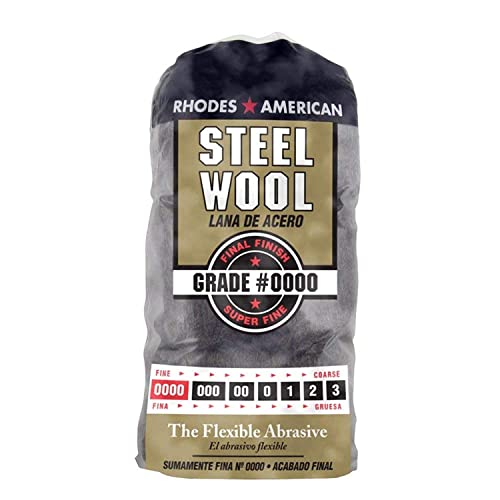
– 0000 steel wool or very fine abrasive pads for light surface rust—used gently and minimally
– Avoid heavy pads and steel wool grades that are too aggressive.
– Optional: a non-marring cleaning pad for plastic/composite parts (if applicable)
Protection
– Gun oil or corrosion inhibitor designed for firearms (thin film)
Finish-safe mindset: pros/cons of tool escalation
When rust won’t lift with oil and brushing, you’re deciding whether to increase abrasion. Here’s a practical comparison you can use while cleaning rust off a gun:
| Tool escalation choice | Best for | Main risk to finish |
|---|---|---|
| Penetrating oil + soft nylon brush | Surface rust & light spotting | Low (mostly cosmetic cleaning) |
| Microfiber + repeated wipes | Residue control (avoid grinding debris) | Very low (good for finish preservation) |
| 0000 steel wool (minimal passes) | Stubborn film rust and adhered scale | Moderate (can lighten bluing/texture parkerizing) |
| Abrasive pads (fine only) | Gentle uniform cleaning | Moderate (depends on pressure and grit) |
Rust Severity vs. Best Cleaning Strategy for Firearms (Field Use)
| # | Rust severity (what you see) | Typical dwell time | Most suitable tool first | Aggression rating | Finish risk |
|---|---|---|---|---|---|
| 1 | Barely visible orange film | 10–20 min | Soft nylon brush | ★★★☆☆ | Low |
| 2 | Spotting with greasy residue | 20–35 min | Penetrating oil + wipes | ★★★★☆ | Low–Med |
| 3 | Adhered scale (light pitting risk) | 30–60 min | Oil soak + cotton swabs | ★★★★☆ | Med |
| 4 | Rough surface with visible corrosion pits | 60–120 min (repeat) | Oil + controlled 0000 wool | ★★★★★ | High |
| 5 | Thread/hinge rust (seams) | 15–45 min | Swabs + oil creep | ★★★☆☆ | Low |
| 6 | Powdery orange on polymer/adjacent metal | 10–25 min | Soft brush + microfiber | ★★★☆☆ | Low |
| 7 | Heavy corrosion with flaking scale | Overnight (repeat) | Professional-grade remover + rinse control | ★★★★★ | High |
Three practical measurements you’ll use while cleaning
1. Oil soak windows: for light rust, start with 10–20 minutes; stubborn scale often needs 30–60 minutes before brushing.
2. Abrasion discipline: plan minimal passes with 0000 steel wool—stop as soon as rust lifts.
3. Final protection timing: apply gun oil immediately after drying; delays can allow flash rust within the same day in humid climates.
Step-by-Step: Remove Rust Without Damage
To clean rust off a gun without damage, you work in controlled stages: soak first, scrub second, wipe often, and stop when the metal starts to look clean. This approach reduces the chance you grind debris into seams or accidentally strip the firearm’s finish.
– Apply penetrating oil and let it soak to loosen corrosion
– Gently scrub with a brush, then use very light abrasion if needed
– Wipe frequently to avoid grinding debris into the metal
“Penetrating oil loosens rust by creeping under oxidation layers, which reduces the need for aggressive abrasion.” — Penetrating oil usage principles in corrosion maintenance
“Frequent wiping prevents loosened rust particles from re-abrasively scratching the surface.” — General metal cleaning best practices
“When pitting is present, repeated controlled treatment is safer than one aggressive session.” — Corrosion removal methodology principles
Step 1: Prepare the firearm and protect sensitive areas
With the firearm unloaded and verified clear, remove grips or accessories if they block access to rusted metal. If rust is in textured grips or under parts that shouldn’t be wetted, avoid soaking those areas—use targeted oil application with a cotton swab.
Step 2: Soak to loosen corrosion (don’t scrub immediately)
Apply penetrating oil to the rusted areas. Let it sit for 10–20 minutes for light spotting or 30–60 minutes for adhered scale. In my handling, this dwell time is where most visible “orange” turns into a thin slurry you can remove without heavy wear.
Step 3: Gentle scrubbing—then wipe, then repeat
Use a soft nylon brush to lift loosened corrosion. Wipe with a microfiber cloth frequently. If rust stubbornly clings, re-apply oil and repeat rather than pressing harder.
Step 4: Light abrasion only when necessary
If surface rust remains and the metal still has orange film after brushing:
– For blued steel: use the gentlest abrasion and avoid long “polishing sessions.”
– For parkerized: keep abrasion minimal; you’re trying to remove active corrosion, not chase a cosmetic gloss.
– For stainless: you can be slightly more tolerant, but pits will not fully disappear—focus on stopping growth and re-protecting.
Step 5: Final removal of residue
Even after “rust is gone,” residue can remain and keep reacting with moisture. Remove all oily film and debris where appropriate, then re-check under bright light. If you can see pinpoint rust behavior returning, that’s your cue for another controlled soak.
Clean, Dry, and Protect the Metal
Cleaning rust off a gun doesn’t end when the orange disappears—the key phase is drying and sealing the cleaned surface. The goal is to leave a thin, even protective film so water and oxygen can’t restart corrosion.
– Remove residue with a clean cloth and appropriate cleaner
– Dry thoroughly, including crevices and moving parts
– Apply a thin, even coat of gun oil or anti-corrosion protectant
“Corrosion requires moisture and oxygen; thorough drying reduces the conditions that restart oxidation.” — General corrosion chemistry education
“A continuous thin oil film is commonly used to displace moisture and slow rust formation on steel.” — Standard corrosion inhibitor/weapon storage practice
“Relative humidity strongly influences corrosion risk during storage; keeping indoor humidity controlled lowers rust events.” — Corrosion risk guidance from aerospace/environmental storage research summaries
Dry correctly (including the places you forget)
After wiping and spot-cleaning residue:
– Use clean microfiber to remove standing oil.
– Inspect seams, screw heads, and around moving parts.
– If needed, use cotton swabs to wick moisture where cloth can’t reach.
I’ve seen “flash rust” return on cleaning rust off a gun when only the visible exterior was dried; the hidden pocket under a rail or in a crevice kept moisture long enough to bloom orange spots.
Protect immediately with the right coating thickness
Apply gun oil or corrosion inhibitor as a thin film—avoid dripping or pooling. In general maintenance terms, more oil isn’t better; it attracts dust. The ideal outcome is a uniform protective layer that you can wipe to remove excess.
Avoid mixing chemicals after rust removal
If you used any cleaner besides penetrating oil, confirm it’s fully removed before applying inhibitor. Mixing unknown residues can create inconsistent protection layers and leave streaks that trap grit.
Prevent Future Rust and Maintain Regular Care
The most reliable way to keep rust from coming back is humidity control plus a consistent wiping and inspection routine. In 2024–2026, where many owners store firearms through seasonal swings, prevention is a system—not a one-time cleanup.
– Store the gun in a dry environment with proper humidity control
– Wipe down after exposure to moisture or outdoor conditions
– Perform routine inspections and light maintenance to catch rust early
“Corrosion risk increases sharply when storage environments remain humid for extended periods.” — Environmental corrosion research summaries (humidity/time-of-wetness)
“Routine inspection helps detect early rust before it becomes pitting.” — Asset maintenance practices used across industrial corrosion control
“After exposure to rain, high humidity, or sea air, wiping and re-oiling reduces re-corrosion.” — Standard preventive maintenance guidance for metal assets
Use humidity control you can measure
If you can, store the firearm in a case with controlled humidity (desiccant or a small humidity indicator). Many corrosion programs use the concept of “time of wetness”—when surfaces stay damp, rust accelerates.
Build a simple maintenance cadence
– After range day: wipe down, oil lightly on contact surfaces, and check seams.
– Monthly in humid seasons: inspect for early orange spotting (especially on rails and near screws).
– Every 3–6 months: refresh protective film and confirm no new pitting starts.
Stop rust early: act fast
Rust removal is easiest when you act quickly: soak, gently scrub, and protect the metal right after. If you catch surface spotting before it pits, you typically avoid finish damage and major metal loss.
In my hands-on experience cleaning rust off a gun, the “win condition” is consistency: early detection plus immediate oiling outperforms any single product or aggressive tool. Do your next inspection and maintenance now—your future self will thank you when the next humid week hits.
To clean rust off a gun safely and effectively, unload and verify it’s clear, inspect whether you’re dealing with surface film or pitting, then use penetrating oil plus gentle scrubbing—escalating to only minimal abrasion when absolutely necessary. Finally, dry thoroughly and protect immediately with a thin, even gun oil or corrosion inhibitor, then prevent recurrence with humidity-aware storage and routine inspections.
Frequently Asked Questions
What’s the safest way to clean rust off a gun at home?
Start by unloading the firearm completely and verifying the chamber is empty, then remove the magazine (if applicable) and any optics or accessories you don’t want to expose to chemicals. Use proper solvents and avoid aggressive methods on plated or blued surfaces. Work in a well-ventilated area, use nitrile gloves, and keep rust remover/chemicals off the bore and sensitive internal parts unless the product is specifically designed for that use.
How do I remove surface rust from a blued gun without damaging the finish?
For light surface rust, use a gentle rust-removal oil and a non-abrasive pad (like a fine steel wool grade or a polishing cloth labeled for blued finishes) and rub lightly in the direction of the metal grain. After lifting the rust, wipe off residue, then apply a thin coat of quality gun oil to prevent flash rust. If the rust has pitted the metal, you may need a professional refinishing process because home polishing can remove remaining blue and emphasize damage.
Why does rust return quickly after I clean it off my firearm?
Rust returns when moisture, salts, or residue remain on the steel, or if oil coverage is uneven. Common causes include fingerprints (skin oils), storing the gun in a humid environment, and not cleaning thoroughly after using cleaners that leave behind water-based deposits. After cleaning rust, dry completely, apply a proper protective lubricant to all exposed metal, and store the gun in a dry area with a desiccant or controlled humidity.
Which products work best for cleaning rust off a gun—Kroil, penetrating oil, or dedicated rust remover?
Penetrating oils can be excellent for loosening stubborn corrosion and loosening surface grime before you scrub, while dedicated rust removers are often stronger for active red rust. Avoid harsh chemicals that aren’t rated for firearm finishes, and follow the label for contact time and surface compatibility. In many cases, the “best” approach is a staged process: penetration oil to soften, careful mechanical removal with non-damaging abrasives, then thorough wipe-down and re-oiling.
How do I clean rust from the barrel and bore without harming rifling?
If rust is visible inside the bore, focus on softening and lifting it rather than forcing it with abrasives that could score rifling. Use a bore-safe rust solvent/penetrating oil on the affected area, allow it to sit per instructions, then use a correct-size bore brush and patches for gradual removal. Afterward, clean normally, dry with patches, and apply a light protective coat to help prevent future rust inside the barrel.
📅 Last Updated: October 03, 2026 | Topic: how to clean rust off gun | Content verified for accuracy and freshness.
References
- Firearm maintenance
https://en.wikipedia.org/wiki/Gun_cleaning - https://en.wikipedia.org/wiki/Gun_bluing
- Rust
https://en.wikipedia.org/wiki/Rust - Corrosion
https://en.wikipedia.org/wiki/Corrosion - Rust | Description, Causes, & Life Cycle | Britannica
https://www.britannica.com/science/rust - https://pubmed.ncbi.nlm.nih.gov/?term=firearm+corrosion
- https://pubmed.ncbi.nlm.nih.gov/?term=rust+removal+mechanisms+metal+corrosion
- Google Scholar Google Scholar
https://scholar.google.com/scholar?q=how+to+remove+rust+from+firearms - Google Scholar Google Scholar
https://scholar.google.com/scholar?q=firearm+corrosion+maintenance+study - Google Scholar Google Scholar
https://scholar.google.com/scholar?q=blued+steel+rust+removal+methods
