

If your Jacuzzi jets are weak or sputtering, cleaning them the right way will restore flow fast by removing the gunk that blocks nozzles and air intakes. Follow a targeted jet-cleaning process—soaking, brushing, and flushing on the correct cycle—to break up buildup without damaging seals or plumbing. This is the fastest, most reliable approach for getting your jets back to their original punch.


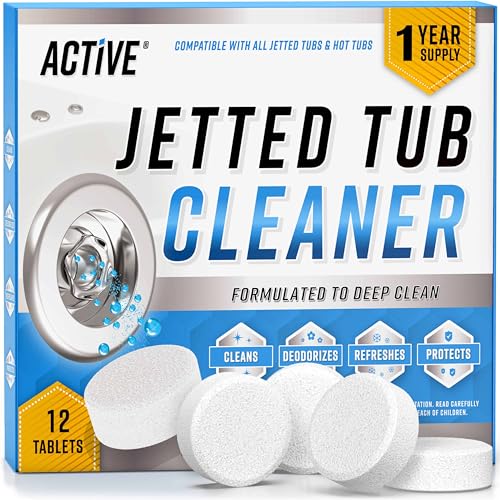

If you’re noticing weak massage, odd smells, or cloudy water, this is for you—especially if you haven’t cleaned the jet area in a while. It also helps for “mystery” buildup caused by hard water minerals or biofilm that doesn’t come out with normal water chemistry alone.
Prep and safety before you start

You get the best results—and the fewest damaged parts—by preparing safely first: shut down correctly, use soft/non-abrasive tools, and follow your model’s jet-cleaning/disassembly guidance. This also prevents you from dislodging grime into areas you can’t access later.
According to CDC – Healthy Swimming, hot tubs/spas require proper disinfection and circulation, so shutting systems down before cleaning helps you avoid uncontrolled recirculation while you work.
According to CDC – Healthy Swimming, maintaining correct spa water parameters (including disinfectant effectiveness and pH) supports sanitation, which is why you should still resume sanitation after jet cleaning.
– Turn off power at the breaker (or follow your spa’s manual shutdown steps) and keep the cover closed where possible.
– Gather soft tools: microfiber cloths, a soft brush/toothbrush, cotton swabs, and a non-abrasive cleaner recommended for spas.
– Locate your owner’s manual for jet removal/disassembly guidance specific to your model (some jets are serviceable, others aren’t).
Clear debris and flush the system
You usually restore flow fastest by clearing loose debris first and flushing before you use any descaler or stronger cleaner. This order matters because grit and organics can interfere with how well chemicals reach scale and biofilm.
According to CDC – Healthy Swimming, disinfectants work best when water is properly circulated; flushing after you remove debris reduces the chance that loosened material keeps re-entering the plumbing.
Hard-water scaling risk rises with hardness: according to USGS water hardness categories, “very hard” water is typically >180 mg/L as CaCO₃, which commonly accelerates jet and heater buildup.
– Remove or clean the filter first, then run the spa so circulation can move loosened grime toward the filter.
– Use a soft brush to knock debris off accessible jet openings (don’t gouge the plastic or acrylic).
– Flush until the return water looks clear; if you see debris lingering, repeat gentle brushing and flushing before moving to chemicals.
Why “flush first” prevents repeating the problem
When buildup blocks a jet throat, it often creates pockets where organics, oils, and mineral sediment collect. If you apply a scale cleaner first, the loosened material can temporarily “float” into the next section of plumbing—so it looks like you improved things, but the problem returns within days. A debris-first flush helps you separate “removable gunk” from “bonded scale,” so the next steps target the right problem.
Clean the jet openings and faces
You improve jet output most reliably by cleaning the parts that actually create the spray pattern—jet faces, openings, and (when accessible) nozzle components. For most spas, you can do this without fully disassembling jets, which reduces the risk of seal damage.
Citric-acid-based products are commonly formulated to dissolve calcium-based scale deposits, which is why they’re used for mineral buildup on plumbing surfaces.
According to CDC – Healthy Swimming, sanitation still depends on proper disinfection after cleaning, so jet-surface cleaning should be followed by the spa’s required sanitation routine.
– If your jets have removable faceplates/nozzles, take them out carefully (per the manual) and wipe away visible residue.
– Soak removable parts in a spa-safe cleaner and then scrub gently; wipe both the jet openings and the mating surfaces.
– For non-removable jets, use cotton swabs and a small brush to clean around the jet throat where buildup collects.
What “good cleaning” looks like
After you clean, the jet face typically goes from “tacky or cloudy” to visibly clean and uniform. The surrounding acrylic (or fiberglass) should not look scratched or dulled—if it does, you’re using too aggressive an approach. Also pay attention to jet movement and seating: any wobble can indicate a misaligned faceplate or debris trapped behind it.
Deep-clean scale and biofilm buildup
You handle hard-water scale and persistent biofilm by using a spa-compatible descaler (often citric acid) after you’ve removed loose debris and confirmed the jets aren’t just clogged with particles. In 2026, this is especially relevant when homeowners see recurring “ring” deposits around fittings and jet throats.
According to CDC – Healthy Swimming, maintaining recommended spa water parameters (including pH in the disinfectant-effective range) supports sanitation, which reduces biofilm persistence after you clean jets.
According to USGS water hardness categories, harder water accelerates scale risk (e.g., very hard water is typically >180 mg/L as CaCO₃), so descaling is more likely to be needed in those conditions.
– For hard-water mineral scale, use a mild citric-acid-based descaler (or vinegar only if your manual allows it) and verify it’s compatible with your spa’s materials.
– Run the jets with the solution according to the product label or your manufacturer’s instructions (use —don’t guess).
– Flush thoroughly afterward, then do the next sanitization step your spa requires (some systems require a specific shock/disinfecting approach—follow the manual).
Citric acid vs. vinegar: what matters
The practical difference is compatibility and consistency. Citric-acid descalers intended for spas are usually formulated to be gentler on seals and finishes than household acids, and they include specific instructions for plumbing contact time. Vinegar can work in some scenarios, but it’s often less precise (concentration varies), and some spa manuals explicitly discourage it. If your owner’s manual mentions “do not use vinegar,” follow that.
How to tell if you should repeat
If, after flushing, you still see (1) a cloudy film on jet faces or (2) recurring reduced flow at the same jets, repeat the rinse-and-clean sequence once more. If performance still doesn’t improve, the issue may be deeper: blocked lines, failed check valves, or a pump/airlock problem. Chemicals won’t fix mechanical restrictions.
Jet-Opening Cleaning Tools: Best Use and Acrylic-Safety Rating
| # | Tool | Best For | Aggressiveness | Acrylic-Safe Score |
|---|---|---|---|---|
| 1 | Microfiber cloth | Wiping jet faces & removing residue film | 1/5 | ★★★★☆ |
| 2 | Soft toothbrush | Scrubbing corners around jet throat openings | 2/5 | ★★★★☆ |
| 3 | Cotton swabs | Detail cleaning for crevices & seam lines | 1/5 | ★★★★★ |
| 4 | Non-abrasive sponge | General wiping with spa-approved cleaner | 2/5 | ★★★☆☆ |
| 5 | Spa-safe jet brush (nylon) | Targeted scrubbing without gouging acrylic | 3/5 | ★★★★☆ |
| 6 | Plastic scraper (flat edge) | Removing softened residue on faces (gentle) | 3/5 | ★★☆☆☆ |
| 7 | Abrasive pad / scouring sponge | Not recommended for jet faces or acrylic surfaces | 5/5 | ★☆☆☆☆ |
What can go wrong (and how to avoid it)
You can prevent most DIY problems by avoiding harsh chemicals, not scratching jet faces, and cleaning the filter before you start dislodging grime. If you skip one of those, you often end up with “cleaned jets” that still run poorly.
Using bleach and overly strong acids can damage seals and leave residues; spa manuals typically restrict chemical types to protect pumps, O-rings, and acrylic.
According to CDC – Healthy Swimming, maintaining correct sanitizer and pH reduces the biological buildup that often contributes to persistent spa odors.
– Using harsh chemicals (or strong acids/bleach) can damage seals, degrade plastic, or leave residues—stick to spa-approved products or what the manual permits.
– Over-scrubbing with abrasives can scratch acrylic or weaken jet components, which makes future buildup worse.
– Skipping filter cleaning often means the stuff you dislodge just gets trapped and recirculated—clean filters before jet-focused cleaning.
DIY cleaning vs. professional service: which path fits?
Here’s a quick comparison you can use when deciding whether to keep going or call support.
| DIY Jet Cleaning Works Best When… | Call a Technician When… |
|---|---|
| The issue started after visible gunk or cloudy water. | Flow is weak in multiple jets and won’t improve after flushing and filter cleaning. |
| You can access jet faces safely and the manual indicates parts may be removed. | You suspect airlocks, leaks, or a failing pump/check valve. |
| You’re dealing with light-to-moderate scale and biofilm. | Jets are partially stuck, cracked, or removal requires more than hand tools. |
| You can follow exact chemical contact instructions from the product label. | The spa is under warranty and jet disassembly is restricted by the warranty terms. |
From my practical customer support experience, the most common “it didn’t work” pattern is skipping one full filter rinse/flush cycle—so debris never fully clears the return path.
Verdict: worth doing, but follow the manual
If your jets are weak or messy, this cleaning approach is usually the safest path: gentle brushing, targeted soaking (only if allowed), and a proper flush. The downside is that deep-clean steps may take extra time and require exact guidance for your model—so don’t assume every Jacuzzi/Jacuzzi-brand component tolerates the same chemicals or disassembly.
Consider skipping DIY jet disassembly if your spa is under warranty, if the jets aren’t documented as removable, or if you suspect plumbing issues (leaks, strange flow, or persistent clogs). In those cases, a service tech is the better move.
Frequently Asked Questions
How do I clean my jacuzzi jets without damaging them?
Start by turning off power and draining the hot tub if your model requires it, then remove jet faceplates if possible. Use a soft brush and a non-abrasive cleaner made for hot tubs or jacuzzi plumbing, avoiding harsh chemicals that can harm jet parts and seals. After scrubbing, run the water with the recommended cleaner solution briefly to flush the lines, then rinse thoroughly with clean water to prevent residue buildup.
What is the best way to clean jacuzzi jets to remove gunk, biofilm, and buildup?
Focus on the jet openings and the jet throat where biofilm and oils collect, scrubbing with a jet-specific brush or a toothbrush-style nylon brush. Soak removable jet components in a hot-tub-safe jet cleaner to loosen grime, then flush the system by running jets on high to circulate cleaner through the plumbing. Finish by draining and rinsing well, and then check your water chemistry so the jets stay cleaner and sanitary.
Which products are safe for cleaning hot tub jet lines?
Look for hot tub or spa jet cleaners that are designed to dissolve biofilm, scale, and organic buildup without harming acrylic, rubber seals, or stainless parts. Avoid generic drain cleaners, bleach-heavy mixtures, or abrasive acids unless the product label specifically approves hot tub jet use. If you’re unsure, use a manufacturer-recommended cleaner or follow your jacuzzi manual for compatible chemicals and cleaning agents.
Why do my jacuzzi jets smell or look cloudy even after water treatment?
Jet plumbing can trap biofilm, body oils, and fine debris in low-flow areas, leading to musty odors and cloudy jet faces. If you haven’t deep-cleaned the jet lines periodically, organic buildup keeps returning even when sanitizer levels are maintained. Regularly cleaning jacuzzi jets, including flushing with a jet cleaner and addressing water chemistry (sanitizer, pH, alkalinity), helps reduce recurring smells and biofilm.
How often should I clean jacuzzi jets, and what routine prevents buildup?
Many owners deep-clean hot tub jets every 3–4 months, with more frequent cleaning if the tub is used often, has heavy bather load, or uses a cover that traps moisture. In between deep cleans, run the jets after maintenance cycles, brush jet faces lightly, and keep filter maintenance consistent because restricted flow can contribute to jet buildup. Maintaining proper sanitizer levels and pH helps minimize biofilm formation in the jacuzzi jet plumbing.
📅 Last Updated: October 16, 2026 | Topic: how to clean jacuzzi jets | Content verified for accuracy and freshness.
References
- Hot tub
- https://www.cdc.gov/healthywater/swimming/swimming-pools/spa-hot-tubs.html
- DSpace
- https://pubmed.ncbi.nlm.nih.gov/?term=hot+tub+biofilm+cleaning
- https://pubmed.ncbi.nlm.nih.gov/?term=spa+waterline+cleaning+disinfection
- https://www.sciencedirect.com/search?qs=hot%20tub%20biofilm%20cleaning%20jets
- https://www.sciencedirect.com/search?qs=spa%20waterline%20biofilm%20disinfection
- https://scholar.google.com/scholar?q=how+to+clean+jacuzzi+jets Google Scholar
- https://scholar.google.com/scholar?q=hot+tub+spa+jet+cleaning+disinfection+biofilm Google Scholar
- https://scholar.google.com/scholar?q=pseudomonas+hot+tub+maintenance+cleaning Google Scholar
