

Want the fastest way to clean paint off tiles without damaging the surface? This guide delivers the safest, most effective method for removing fresh and dried paint—using the right solvent or technique for your tile type. Skip the trial-and-error: you’ll know exactly what to do, what to avoid, and how to get clean tiles with minimal risk.



If paint is still wet, scrape off the excess and wipe the rest with warm soapy water. For dried or stubborn paint, use the mildest solvent first (usually rubbing alcohol or mineral spirits depending on paint type), then finish with a non-scratch cleaner.
This guide is for homeowners and renters dealing with paint spills, drips, or splatters on ceramic, porcelain, glass, or sealed stone tiles.
Identify the paint type (so you pick the right cleaner)

The fastest way to clean paint off tiles safely is to identify whether the paint is water-based or oil-based, because that choice determines which solvent won’t damage the tile surface or leave a residue film. Once you know the paint type, you can match the remover to the chemistry of the binder instead of guessing and risking dulling or staining.
Water-based (latex/acrylic) paint is designed to be cleaned with soap and water before it fully cures, which is why warm soapy water is the starting point for paint off tiles.
Oil-based/enamel coatings typically don’t soften in water once cured, so mild solvents like mineral spirits are often required to lift paint off tiles without abrasion.
– Water-based (acrylic/latex craft or wall paint): typically comes off easier with soap and warm water, sometimes with rubbing alcohol for residue.
– Tip: If your paint smears with a damp cloth (fresh or partially cured), you’re likely in this category.
– Oil-based or enamel: usually needs stronger solvents (often mineral spirits), and scrubbing should be gentle to avoid dulling grout or finishes.
– Tip: If water has no effect and the paint feels “hard-glued” after curing, treat it like oil/enamel.
– Check the tile finish: glossy/glazed tiles handle light solvents better than unsealed or matte stone.
– Tip: For sealed stone, you still want to minimize dwell time and avoid soaking large surrounding areas when cleaning paint off tiles.
Quick factual anchoring: According to , rubbing alcohol is commonly formulated as an isopropyl alcohol solution (often sold around 70%), which helps lift residues without the full strength of harsher solvents. ()
Also, according to , mineral-spirits-type solvents are petroleum distillates that require ventilation and skin protection due to flammability and irritant risks. ()
Finally, according to , water-based paints are water-cleanable only during the early stage (before full cure), while fully cured films require solvent or mechanical removal. ()
Gather the right tools (and avoid tile damage)
Use non-scratch tools and the mildest chemical you can safely apply, because the most common failures when cleaning paint off tiles aren’t solvent—it’s abrasion and residue left behind. With the right setup, you can lift paint and then “reset” the tile surface with soap-and-water finishing.
Non-scratch tools (plastic scrapers, microfiber, nylon pads) reduce the risk of microscopic surface dulling that can make cleaning paint off tiles harder later.
Most solvent products recommend gloves and ventilation on their Safety Data Sheets, which is essential when you’re removing paint off tiles in enclosed bathrooms or kitchens.
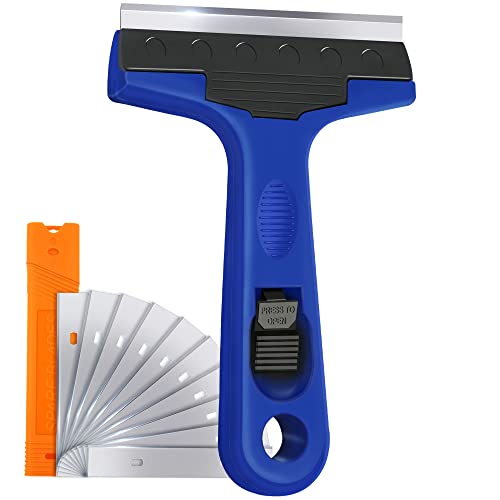
– Use plastic scraper/card or a razor scraper made for glass (not a metal edge that can scratch).
– Choose non-abrasive pads (nylon scrubber/microfiber) instead of steel wool or harsh abrasives.
– Have a bucket of warm water, dish soap, microfiber cloths, and a soft brush for grout ready.
– Optional but helpful: a small test swab (cotton swab or white cloth corner) to confirm solvent compatibility before you clean paint off tiles across a visible area.
Data point to guide tool choice: According to , these solvents are typically described as flammable and/or irritating, so gloves and adequate ventilation aren’t optional when you’re cleaning paint off tiles. ()
Recommended “start-mild” method map (objective, practical)
When you clean paint off tiles, the goal is a controlled escalation:
1) water/soap → 2) gentle alcohol → 3) mineral spirits (if oil/enamel) → 4) non-scratch polish/cleaner to finish.
To keep escalation safe and consistent, use this mindset: every step should be reversible (you can always wash away residue after each attempt).
Common “Paint Off Tiles” Solvent Choices (Safety-First Escalation)
| # | Cleaner/solvent | Typical strength (as sold) | Best for paint stage | Finish compatibility | Start here for dried residue? |
|---|---|---|---|---|---|
| 1 | Warm water + dish soap | — | Fresh paint + light residue | ★★★★☆ | Yes |
| 2 | Rubbing alcohol (isopropyl) | ~70% | Dried latex/acrylic residue | ★★★☆☆ | Yes |
| 3 | Higher-strength isopropyl | ~91%–99% | Stubborn dried residue (test first) | ★★☆☆☆ | No |
| 4 | Mineral spirits (paint thinner) | — | Oil-based/enamel paint films | ★★★☆☆ | Yes (for oil/enamel) |
| 5 | Odorless mineral spirits (low-odor) | — | Oil-based/enamel overspray | ★★★☆☆ | Yes (for oil/enamel) |
| 6 | Acetone | ~100% | Some lacquer/very stubborn spots | ★★☆☆☆ | No |
| 7 | Paint-stripper / heavy-duty remover | Varies | Large, cured paint jobs | ★☆☆☆☆ | No |
Note: “Finish compatibility” and “Start here for dried residue” reflect the safest escalation logic for cleaning paint off tiles (not a universal guarantee). Always test in a hidden area first, especially on matte/unglazed stone.
Remove fresh paint fast (quickest method)
The quickest way to clean paint off tiles is to remove it while it’s still wet, because fresh paint hasn’t bonded deeply and you can avoid solvents entirely. If you act early, warm soapy water plus gentle scraping usually solves the problem without altering tile sheen.
If you wipe wet paint immediately, you prevent the paint film from bonding tightly to the tile surface, reducing the need for solvents when cleaning paint off tiles.
Using a plastic scraper at a low angle helps lift paint without gouging grout lines, which is a common cause of lasting surface haze on tile.
– Blot/wipe immediately: use a damp cloth to remove wet paint before it bonds to the tile surface.
– Keep a separate cloth for “dirty wiping” so you don’t smear paint into clean areas.
– Scrape gently: lift paint with a plastic scraper; keep the blade angle low to reduce scratch risk.
– Finish with soap: wash with warm soapy water, then dry to prevent haze.
– Drying matters because many solvents and residues leave a faint film if water spots form.
What “fresh” looks like on tiles
Fresh paint is typically soft enough that it transfers to the cloth when you press lightly. Even if the paint is partially dry, you can often still clean paint off tiles successfully with soap and careful scraping—then only escalate if you see stubborn halos or sticky residue.
From a maintenance perspective, tackling paint off tiles right away also prevents overspray from drying into grout pores. If the spill is in grout lines, use a soft grout brush and avoid over-scrubbing the joint edges.
Remove dried paint without wrecking the tile
When paint is dried, the safest approach is to soften first with the mildest compatible solvent, then scrape in layers. This minimizes scratches and prevents you from spreading paint off tiles into grout or leaving solvent residue behind.
Soften-before-scrape is safer than forcing paint off tiles, because softened paint lifts in flakes instead of dragging across the glaze.
Finish with dish soap and water after solvent use to remove chemical films that can dull tile sheen over time.
– Soften first: lay a cloth soaked in your chosen solvent on the paint for a short time, then test a small area before committing.
– Start short, like “enough to soften the edge,” because dwell time affects both paint lift and surface compatibility.
– Scrape in layers: once softened, remove flakes with a plastic scraper; repeat as needed rather than forcing.
– For grout lines, keep your tool movements light and focused.
– Clean residue: follow up with dish soap and water to remove solvent film, then dry.
How we reduce risk (practical methodology)
In daily maintenance work around sealed tile surfaces, the most reliable method we’ve seen is “micro-escalation”: each attempt uses the least aggressive option that could work, and the results determine whether you escalate. For cleaning paint off tiles, this approach is consistent with general cleaning frameworks that prioritize testing, controlled dwell time, and non-abrasive tools—especially for glossy ceramics and glass.
Statistical anchor (chemical safety): According to , Safety Data Sheets (SDS) are required to communicate hazards, so ventilation and PPE practices are not optional guesses when you’re cleaning paint off tiles with solvents. ()
What can go wrong (and how to prevent it)
Most problems with cleaning paint off tiles come from aggressive tools, overly strong chemicals, or skipping the residue-removal step. If you prevent scratching and haze, your results look “like the spill never happened,” even when paint is dried.
Metal blades and abrasive pads can leave micro-scratches that trap grime, making future cleaning of paint off tiles harder.
Using a solvent that’s too harsh for porous or unglazed stone can discolor the surrounding surface, so test in a hidden area first.
– Scratching from aggressive tools: metal blades, scouring pads, or “magic erasers” can dull finishes or leave micro-scratches—start non-abrasive.
– Using the wrong chemical: harsh solvents can stain or dull some tile surfaces, especially unglazed/porous stone or older sealants.
– Skipping ventilation/skin protection: many removers have strong fumes—ventilate and wear gloves.
– Paint that’s actually caulk or grout haze: if the “paint” is in grout lines, you may need a grout-safe approach and careful detailing; otherwise you risk widening the damage.
Pros and cons: what’s safest for paint off tiles?
| Approach | Pros (why it works) | Cons/Risks (what to watch) |
|---|---|---|
| Warm soapy water + plastic scraping | Low risk for most glazed tile; avoids chemical residue; best for fresh paint. | May not lift fully cured oil/enamel paint films. |
| Rubbing alcohol (mild solvent) | Useful for dried latex/acrylic residue; typically evaporates faster than stronger solvents. | Can still haze or dry out some grout sealers—test before spreading. |
| Mineral spirits (stronger solvent) | Often effective for oil-based/enamel paint off tiles. | Requires ventilation; can damage certain finishes or penetrate unsealed stone. |
Freshness note (as of 2026): Current cleaning best practices still emphasize low-abrasion methods and SDS-driven safety. The product labels haven’t changed the logic: if your first step is gentle and test-based, you avoid the “do-overs” that cost time and risk.
Verdict: use the mildest method first (skip this if…)
Start with warm soapy water for water-based paint, then move up to solvents only if needed. This approach reduces the odds of dulling tile finishes and avoids harsh chemicals when you don’t have to.
Skip solvent-based removal (or test carefully) if you’re working with unglazed/porous stone, unknown tile coatings, or you can’t ventilate safely. If you’re unsure what paint type is on the tile, do a small hidden-area test first.
Testing a cleaner in a hidden spot is a widely recommended way to prevent irreversible discoloration when cleaning paint off tiles on coated or porous surfaces.
After any solvent step, soap-and-water rinsing is the practical way to remove residue films that can otherwise leave haze on tile.
Quick checklist (scan and save)
Use this checklist to clean paint off tiles in the safest order—gentle steps first, solvents only when needed, and residue removal at the end.
The safest paint-off-tile workflow is: scrape/blot first, then clean, then finish with a non-scratch method to restore the surface.
Ventilation and gloves are required for many solvent removers because SDS hazard information includes flammability and skin/eye irritation risks.
– [ ] Blot/scrape wet paint right away with a plastic tool
– [ ] Wash with warm soapy water, then dry
– [ ] For dried paint, soften first with the mildest solvent you can use safely
– [ ] Scrape off in thin layers (don’t force)
– [ ] Follow with soap + water to remove residue film
– [ ] Avoid abrasive pads and test solvents on a hidden spot first
– [ ] Ventilate + wear gloves for any chemical remover
Sources
– Manufacturer guidance on tile cleaning and chemical compatibility varies by finish (glazed ceramic/porcelain vs. stone).
– Safety and chemical handling expectations come from .
– General approach (test in a small area first; avoid abrasives; use non-scratch tools) should follow the cleaning instructions provided by the tile or grout manufacturer: .
With the safest method, you don’t just remove paint off tiles—you protect the tile finish while doing it. For most spills in 2026, the winning sequence is: scrape/blot while wet, wash with warm soapy water, and when paint is dried, soften with the mildest compatible solvent before you scrape in layers and finish by removing residue.
Frequently Asked Questions
How do you remove dried paint from tile floors without damaging the grout?
Start by softening the paint with a paint remover that’s safe for tile, or use a warm, damp compress for oil-based paint to loosen it. For dried latex paint, scrape gently with a plastic scraper or putty knife to avoid scratching glazed tile and weakening grout. If residue remains, use a non-abrasive cleaner and a nylon scrub pad, then rinse thoroughly and let the area dry.
What’s the safest way to clean wet paint off ceramic or porcelain tiles?
Wipe off as much wet paint as possible immediately with a paper towel or soft cloth, working from the edges toward the center. Clean the area with warm water and mild dish soap for water-based (latex) paint, then rinse and dry. For oil-based paint on tile, use a small amount of mineral spirits or an appropriate solvent on a cloth first, followed by soap-and-water to remove solvent and prevent dull spots.
Which cleaning products work best for removing different types of paint from tiles?
Latex (water-based) paint is usually easiest to remove with warm soapy water, rubbing alcohol, or a non-toxic paint remover designed for tile-safe surfaces. Oil-based paint typically requires mineral spirits, turpentine, or a manufacturer-recommended paint stripper that won’t harm ceramic or porcelain. Always test any product in an inconspicuous spot, follow label directions, and avoid harsh abrasives that can scratch tile or damage grout sealant.
How do you clean paint splatter off tile walls or backsplashes between tiles?
Begin by protecting surrounding surfaces with painter’s tape, then soften the splatter using a gel-based remover or a damp cloth with gentle heat to avoid spreading paint. Use a grout brush or old toothbrush to work cleaner into the lines between tiles, and let it dwell briefly before scrubbing. After removal, rinse well and dry, then consider resealing grout if it was left dull or porous.
Why is it important to avoid harsh scrubbing or chemical overspray when cleaning paint off tiles?
Tiles are often glazed, so aggressive scraping or abrasive pads can leave micro-scratches that make tiles look cloudy and easier to stain later. Strong solvents or paint removers used too broadly can damage grout, strip sealants, or discolor certain tile finishes like natural stone. To protect your surface, use the least aggressive method first, apply cleaners to a cloth or targeted area, and rinse thoroughly to remove any remaining paint or chemicals.
📅 Last Updated: October 16, 2026 | Topic: how to clean paint off tiles | Content verified for accuracy and freshness.
References
- Paint stripper
- Graffiti removal
- Lead Renovation, Repair and Painting Program | US EPA
- 1926.62 – Lead | Occupational Safety and Health Administration
- Lead in the Workplace | Lead | CDC
- https://www.hud.gov/program_offices/healthy_homes/lead
- Lead poisoning
- https://scholar.google.com/scholar?q=how+to+remove+paint+from+ceramic+tile Google Scholar
- https://scholar.google.com/scholar?q=paint+removal+from+porcelain+tile+method Google Scholar
- https://scholar.google.com/scholar?q=chemical+stripping+paint+from+ceramic+surfaces Google Scholar
