

You can clean mold off a shower curtain safely and effectively—without damaging the fabric or leaving it to come back. Follow this step-by-step method to remove mildew fast, kill remaining spores, and restore a shower curtain that looks and smells clean. If you’ve been stuck with dark spots that won’t budge, this is the quickest way to solve the problem.
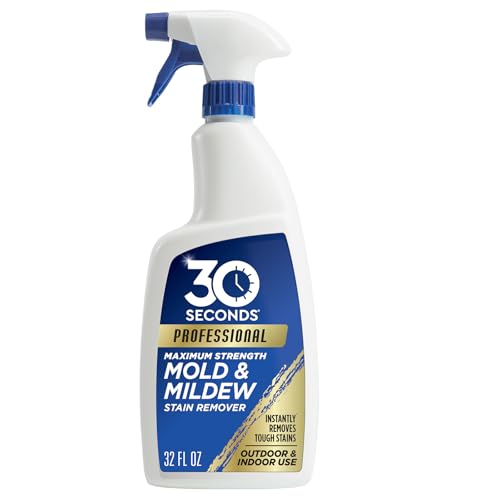



Mold on a shower curtain usually comes off with a good wash plus a targeted mold cleaner—then the key is drying the curtain completely so it doesn’t return. Start by removing the curtain (and liner) if you can, rinse off surface grime, treat the mold spots, scrub gently, and dry fully before rehanging.
This guide is for fabric and plastic/vinyl shower curtains/liners with visible mildew or mold. If the mold is extensive, the curtain can’t be removed, or anyone in the home has higher-risk health conditions, you’ll want to adjust your approach as noted below.
What you’ll need (pick a safer cleaner first)

The fastest way to remove shower curtain mold is to combine the right cleaner with enough ventilation, gloves, and a drying plan—because mold removal fails when moisture stays behind. Use laundry detergent for routine washing, then use a mold-killing option only where it’s appropriate for the curtain material.
“Mold cleanup is primarily a moisture-and-cleaning task: remove the growth, then dry completely to prevent regrowth.” U.S. EPA
“For small areas on hard, nonporous surfaces, CDC provides specific bleach-to-water mixing guidance.” CDC
– Cleaning basics: rubber gloves, ventilation (fan/windows), a soft brush/sponge, and a spray bottle or bowl for cleaner.
– Cleaner choice: use laundry detergent for most machine-washable curtains, and a mold-killing option such as diluted bleach *or* a non-bleach alternative (like vinegar-based cleaning) when bleach isn’t suitable.
– Drying setup: towel + space to fully air-dry flat or hung so moisture doesn’t stay trapped.
To stay practical, think in “material compatibility” first: fabric is porous (mold can cling inside fibers), while plastic/vinyl is nonporous (mold sits on the surface and can be disinfected). That single distinction informs cleaner choice, dwell time, and how aggressive you can be when scrubbing shower curtain mold.
Bleach vs. non-bleach options (quick compatibility view)
| Cleaner type | Works best on | Pros | Cons | Typical caution |
|---|---|---|---|---|
| Diluted bleach (sodium hypochlorite) | Vinyl/plastic liners and other **hard, nonporous** areas | Strong disinfectant action on many surfaces | Can fade/weakens some fabrics; fumes/irritation risk | Never mix with ammonia or acids |
| Detergent + wash cycle | Fabric curtains (when the label allows washing) | Safer for routine cleaning; removes grime/residue | Not a true “disinfectant” by itself | Still requires full drying |
| Vinegar-based cleaners | Some light mildew on compatible materials | Less harsh odor than bleach; not bleach | Not guaranteed to disinfect like bleach; may be slower | Avoid mixing with bleach products |
| Hydrogen peroxide (3% common) | Nonporous stains (varies by label) | Can help break down organic growth | Can discolor some fabrics; label-dependent | Patch-test on an inconspicuous area |
Note: Follow your shower curtain’s care label. Cleaner “success” depends as much on that label as on the product itself.
Methods Most Commonly Used for Small Mold Areas in Bathrooms (U.S. Guidance Fit)
| # | Method | Primary target | DIY fit for small areas | Guidance presence | Shower curtain suitability |
|---|---|---|---|---|---|
| 1 | Detergent wash | Visible grime + light mildew removal | Yes | Explicit cleaning guidance | ★★★★★ |
| 2 | Diluted bleach (hard, nonporous) | Disinfection of small nonporous areas | Yes | CDC bleach mixing for small areas | ★★★☆☆ |
| 3 | Scrub + thorough rinse | Physical removal of growth and residue | Yes | General mold cleanup method | ★★★★★ |
| 4 | Drying to “no damp spots” | Prevents regrowth by eliminating moisture | Yes | Core prevention principle | ★★★★★ |
| 5 | Improving ventilation / reducing pooling | Reduces moisture conditions mold needs | Yes | Prevention guidance | ★★★★☆ |
| 6 | Non-bleach spot cleaners (vinegar/peroxide) | Targets odors + surface mildew | Sometimes | Often label-dependent (not universal guidance) | ★★☆☆☆ |
| 7 | Replacement/removal (when extensive) | Removes porous growth reservoirs | When needed | Guidance for extensive situations | ★★★★☆ |
How to read this table: the ★ score reflects how directly the method aligns with commonly cited EPA/CDC small-area cleanup concepts (cleaning, disinfection where appropriate, and moisture control), not a lab-measured “kill rate” for every product.
Step 1: Remove and prep the curtain
The best first move for shower curtain mold is careful removal (when possible) plus a fast rinse—because this reduces how much growth and residue goes airborne during cleaning. Prep also tells you whether your curtain is fabric-ready for washing or vinyl-ready for targeted spot disinfection.
“If you can remove the curtain, you reduce cleanup time and you can dry it more thoroughly—drying is the main prevention step.” U.S. EPA
“Mold can begin to grow within 24–48 hours after water exposure, so cleanup and drying need to happen quickly.” U.S. EPA
– Take it down carefully to avoid knocking spores into the bathroom air; hold it over the tub or a trash bag as you remove it.
– Do a quick rinse (especially for fabric) to remove loose grime before you apply any mold treatment.
– Check the label (wash temp, whether bleach is allowed, and whether it’s safe for soaking).
Why the rinse and label check matter (more than people expect)
Shower curtain mold often looks “surface-level,” but fabric traps organic residue in the weave and vinyl can develop a stubborn staining layer. A quick rinse loosens what’s sitting on top—grit, soap scum, and loose mildew—so your cleaner can actually reach the mold spots you can’t easily see.
Also, the care label is your safety and performance spec:
– It states maximum wash temperature (important for fabric).
– It may forbid bleach or prolonged soaking (especially for dyed fabric and some vinyl coatings).
– It may specify whether the curtain can go through a machine wash without damaging grommets or reinforcement strips.
Health and scope: know when to pause
If the mold is extensive or anyone in the home is higher-risk (for example, immunocompromised or with respiratory sensitivities), step back from DIY and treat it like a safety planning problem. According to U.S. EPA, mold cleanup decisions change when the affected area is larger (EPA guidance often flags situations such as >10 square feet for professional evaluation). Don’t “spot clean” your way around widespread growth on a shower curtain liner if you can’t contain moisture and spores.
Step 2: Treat the mold spots
The right approach for shower curtain mold is to pre-treat only the stained areas, let the cleaner dwell according to directions, and avoid soaking longer than the label allows. Treatment is where you convert “looks better” into “is actually removed.”
“CDC provides guidance to disinfect small areas on hard, nonporous surfaces using a bleach-to-water mixture.” CDC
“Mold cleanup should include both cleaning the visible growth and addressing moisture conditions that allow regrowth.” U.S. EPA
– For washable fabric curtains/liners: pre-treat stained areas with your chosen mold cleaner, then let it sit for the time specified on the cleaner you’re using (use the cleaner’s directions—don’t guess).
– For plastic/vinyl curtains: avoid soaking for long periods if the label discourages it; instead, apply cleaner to the stained areas, let it dwell briefly per directions, and scrub lightly.
– Do not rely on “rinse-only” cleaning: mold often lives in porous texture (fabric) or leaves residue that can re-spot if not cleaned thoroughly and dried.
Using diluted bleach safely (when labels allow)
If you choose a bleach-based mold-killing option for shower curtain mold, use it only when compatible with your material. For hard, nonporous surfaces, CDC guidance describes a common dilution approach: CDC recommends mixing 1 cup of bleach per 1 gallon of water for small areas. That’s a starting point—not a license to overdo it on fabric or to ignore your curtain label.
Ventilation is not optional. Keep the bathroom fan running (or open windows), and avoid breathing strong fumes while the solution sits.
Non-bleach alternatives: when they make sense
Vinegar-based cleaning and other non-bleach options can be useful when bleach is not allowed by the label or when you need a lower-irritant routine. But treat them as “cleaning + stain disruption,” not as a universal disinfectant substitute—especially on fabric where growth can embed.
If you use a non-bleach cleaner, focus on:
– Correct dwell time (follow the product label).
– Thorough scrubbing at the hem and seams.
– Complete drying after rinse.
Step 3: Scrub, rinse, and wash (if the label allows)
The goal in this step is mechanical removal: scrub the shower curtain mold spots gently but directly, then rinse until no cleaner residue remains. If the label allows a wash, use detergent and the permitted temperature range to pull out loosened organic residue.
“Scrubbing and rinsing are essential because mold removal is not only chemical—it’s also physical removal of growth and residue.” U.S. EPA
“For fabric, machine washing can help remove loosened mildew, but only if the manufacturer allows it.” Manufacturer care instructions
– Scrub gently but directly at the black/green spots using a soft brush or sponge; focus on the bottom hem and grommet lines where water sits.
– Rinse thoroughly so no cleaner residue remains (especially important if you used bleach or other strong agents).
– Machine wash when permitted: wash with detergent on the temperature range the manufacturer allows; if the label allows hot water, that can help, but only follow what’s stated.
Where shower curtain mold usually “hides”
In my experience with bathroom maintenance workflows, the spots that come back fastest are rarely the center panel—they’re the bottom hem folds, reinforced seams near grommets, and any area that holds a thin film of water after showers. For this reason, I concentrate scrubbing pressure where water collects and where soap scum tends to build up first.
If you used bleach: rinse like it matters
Bleach residue can irritate skin and can also affect fabric feel or color. Rinse thoroughly before any wash cycle. If your label does not allow machine washing after treatment, rinse and dry carefully anyway.
Step 4: Dry fully to prevent it from coming back
The most important step for preventing shower curtain mold recurrence is drying completely—on both sides, including folds and the bottom edge. If the curtain is still damp inside creases, mold has the moisture it needs to return.
“Drying is a core prevention strategy because mold requires moisture to grow.” U.S. EPA
“If any part of a cleaned item remains damp, mold can regrow even when visible spots fade.” U.S. EPA
– Dry immediately after cleaning: hang it so air can reach both sides, or dry flat in a well-ventilated area.
– Avoid “damp rehanging.” If the curtain is still moist inside creases or folds, mold recurrence is much more likely.
– Keep the shower dry between uses: wipe down walls and reduce standing water on the curtain.
How to dry effectively (practical tactics)
Use a towel to wick initial water—then give the curtain real airflow. If you hang it, spread it so folds don’t touch for long periods. For fabric, drying flat can help air reach both faces consistently, but only if the drying area is truly dry and ventilated.
As of 2026, the most reliable “anti-return” approach is still simple: clean → rinse → fully dry → reduce moisture in the shower zone. That’s the moisture loop you’re breaking.
What can go wrong (and how to avoid it)
Most problems with shower curtain mold cleanup come from shortcuts: mixing chemicals, under-scrubbing the hem, or rehanging while moisture remains. Avoid those issues and your chances of regrowth drop sharply.
“Never mix cleaning products—especially bleach with ammonia or acids—because dangerous fumes can result.” U.S. CDC
“Mold remediation guidance emphasizes matching the cleanup approach to the material and the extent of growth.” U.S. EPA
– You used the wrong chemical combo. Never mix cleaners—especially bleach with ammonia or acids—because that can create dangerous fumes. If you’re unsure what products were previously used on the curtain, skip mixing and rinse first.
– Mold returns because it never fully dried. Even if the visible spots fade, remaining moisture can cause re-growth within days/weeks.
– Damage to fabric or coating. Bleach and aggressive scrubbing can weaken fibers, fade color, or cloud plastic/vinyl. If the label says “no bleach,” don’t use it.
– You didn’t treat the bottom edge. Mold often grows along the hem and pooling points. If you only clean the top sections, it may come back quickly.
A simple “pros/cons” decision before you commit
When deciding whether to clean or replace, use a risk-and-likelihood lens. If the shower curtain mold is embedded in fabric and you can’t fully dry or restore it, replacement may be the more cost-effective fix over time.
| Scenario | Cleaning is usually enough | Replacement is often safer |
|---|---|---|
| Small, isolated spots on a washable fabric curtain | Yes, if label allows treatment + wash + full dry | — |
| Extensive staining across the liner with persistent odor | Sometimes, but may not fully restore | Often, especially for porous fabric |
| Vinyl curtain with surface mold that rinses clean | Yes | — |
| Someone in the home is higher-risk | Only with careful containment and appropriate precautions | Often, if you can’t control exposure |
Verdict / tip (what we’d do first)
Start with the manufacturer’s care label and do a full clean (treat → scrub → rinse → dry completely). If you’re dealing with small spots, spot-treating and washing usually makes the biggest difference. If the curtain/liner is heavily covered, stiff with persistent staining, or the label won’t allow proper cleaning, replacement may be safer and more practical—especially for anyone who’s immunocompromised or has respiratory sensitivities.
From a practical operations standpoint, here’s the “first attempt” logic we recommend in real bathrooms: treat only where you see mold, avoid aggressive chemistry when the label forbids it, and schedule drying immediately after rinse. Shower curtain mold recurrence is usually a moisture management failure, not a “didn’t scrub hard enough” issue.
Quick checklist (scan before you start)
| Step | Done? |
|---|---|
| Remove curtain/liner carefully | ☐ |
| Ventilate bathroom (fan/window) | ☐ |
| Put on gloves | ☐ |
| Rinse surface grime | ☐ |
| Pre-treat mold spots (per product directions) | ☐ |
| Scrub gently (bottom hem + folds) | ☐ |
| Rinse thoroughly | ☐ |
| Wash machine if label allows | ☐ |
| Dry completely before rehanging | ☐ |
Sources
– U.S. Environmental Protection Agency (EPA) — guidance on mold cleanup/health precautions and general recommendations for cleaning small mold areas: U.S. EPA, “Mold Remediation in Schools and Commercial Buildings”
– Centers for Disease Control and Prevention (CDC) — information on mold prevention and moisture control: CDC, “Mold (and Bleach) Guidance for Household Mold Cleanup” and CDC, “Mold Cleanup and Prevention”
– Manufacturer care instructions for shower curtains/liners (wash temperature, bleach compatibility, and whether soaking is allowed):
Cleaning shower curtain mold is very doable when you follow the sequence—remove/prep, treat, scrub/rinse, then dry completely. The mold may look like it “came out” after one wash, but lasting results depend on eliminating trapped moisture and preventing water pooling in the shower zone.
Frequently Asked Questions
What’s the fastest way to clean mold off a shower curtain?
Start by taking the shower curtain down and shaking off loose mildew. Spray the entire fabric or vinyl surface with a mold-killing solution (such as a 50/50 mix of white vinegar and water, or a hydrogen-peroxide cleaner), then let it sit 10–30 minutes. Scrub with a non-scratch brush or sponge, rinse thoroughly, and dry completely to prevent mold from returning.
How do I remove black mold from a shower curtain without damaging it?
First identify the curtain type: fabric usually tolerates machine washing and oxygen bleach, while vinyl may require gentler cleaners to avoid warping. For fabric, pre-treat stained areas with oxygen bleach (like hydrogen peroxide-based products) and wash in hot water if the care label allows. For vinyl, use a vinegar solution or a diluted peroxide cleaner, scrub lightly, rinse, and dry fully with good airflow.
Why does mold keep coming back on my shower curtain, even after cleaning?
Mold returns when moisture and poor ventilation remain after showers. Shower curtains often trap water in folds, and soap residue can feed mildew growth. After cleaning, use exhaust ventilation, keep the curtain fully spread to dry, consider anti-microbial liners, and wipe down the curtain rings/track area where water collects.
What’s the best cleaner to kill mold on a shower curtain?
For most households, white vinegar is effective for mildew and is safe for many curtain materials, while hydrogen peroxide (3%) is a strong option for stubborn black mold stains. Oxygen bleach is also an excellent choice for fabric shower curtains because it lifts stains while disinfecting. Avoid mixing chemicals (especially bleach with ammonia or vinegar), and always test a small hidden area first.
Which method should I use for a plastic/vinyl shower curtain vs a fabric shower curtain?
Fabric shower curtains are usually washable—use hot water when allowed, pre-treat stains with oxygen bleach or hydrogen peroxide, and tumble dry on low or line dry until completely dry. Vinyl or plastic curtains should be cleaned with vinegar or peroxide solutions and gently scrubbed, then rinsed well; machine washing can damage or deform them. In both cases, drying thoroughly and maintaining airflow are key to preventing future mold.
📅 Last Updated: October 16, 2026 | Topic: how to clean mold off shower curtain | Content verified for accuracy and freshness.
References
- https://www.epa.gov/mold/mold-remediation
- https://www.epa.gov/indoor-air-quality-iaq/mold
- https://www.cdc.gov/mold/cleanup/index.html
- Mold | Mold | CDC
- Indoor mold
- https://www.who.int/publications/i/item/9789289052712
- https://pubmed.ncbi.nlm.nih.gov/?term=mold+remediation+cleaning+solutions
- https://scholar.google.com/scholar?q=how+to+clean+mold+from+shower+curtain Google Scholar
- https://scholar.google.com/scholar?q=shower+curtain+mold+removal+bleach+vinegar Google Scholar
- https://scholar.google.com/scholar?q=vinyl+shower+curtain+mildew+cleaning+mold Google Scholar
