

Get paint off concrete with the fastest, most reliable removal method—using the right solvent or stripper first, then the correct mechanical scrubbing to lift residue cleanly. This guide walks you through effective steps for different paint types and conditions, so you don’t waste time or damage the slab. You’ll end with a concrete surface that’s properly cleaned and ready for re-coating or sealing.
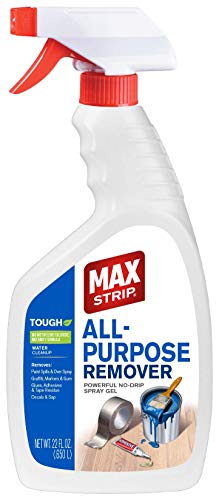



Start by scraping loose paint, then use a stripper/solvent matched to the paint type, and finish with thorough rinsing. If the paint is dried or old, plan on pairing controlled mechanical removal (with dust control) with a compatible chemical stripper—this approach removes the bond without unnecessarily damaging the concrete surface.
If you’re dealing with overspray, a spill, or old drips on a driveway, patio, garage floor, or basement slab, this guide is for you. It’s especially useful when you don’t know whether you’re dealing with latex, oil-based, or unknown paint and want a practical path that stays surface-safe.
What you need to figure out first

Before you pick a solvent, identify the paint type and assess the concrete condition—this largely determines what will work (and what could smear, etch, or lift coatings). In practice, the “right” method is the least aggressive option that’s compatible with both the paint chemistry and the concrete’s finish (sealed vs unsealed).
According to OSHA’s respirable crystalline silica standard, concrete dust exposure controls are required when grinding, cutting, or abrasive methods create silica dust.
Paint removal chemistry depends on whether the paint binder is water-based (often latex) or solvent/oil-based; mismatched chemicals can smear residue rather than dissolve it.
Sealed concrete is more vulnerable to stripper/solvent damage because coatings and sealers can soften, discolor, or lift under chemical exposure.
Identify the paint type (latex vs oil-based vs unknown)
Start with a simple rule: latex (water-based) typically cleans up with soap and water and softens with mild cleaners, while oil-based/solvent-based paints usually require stronger chemistry (solvent-type removers or purpose-made strippers). If you can’t identify it from the label or job history, use a “test a small spot” approach on an inconspicuous area—then watch for two things: (1) whether the paint turns rubbery/soft, and (2) whether the concrete surface changes.
Check concrete condition: sealed, unsealed, or already fragile
Concrete that’s sealed or coated (common in garages and basements) behaves differently from bare slab. A chemical stripper can damage the sealer even when it successfully loosens paint. Also inspect for fragile surfaces—spalling, flaking, or existing surface scaling—because aggressive scraping or abrasion can enlarge the damaged area.
Decide how aggressive you can be
Thin overspray and fresh drips often come off with scraping and light cleaning. Thick layers, multiple coats, or long-dried residue usually need mechanical removal plus chemical dwell time. Your goal is to use the minimum energy needed to break the paint’s bond to concrete—especially if this slab is expected to remain sealed or coated.
Concrete dust reality check (why identification matters)
If your plan involves scraping that becomes “grinding” (power sanding, angle grinders, or abrasive blasting), you’re no longer just doing paint removal—you’re creating construction dust. As of 2026, OSHA’s silica requirements remain the baseline for dust control expectations when concrete dust could contain crystalline silica. If you’re not sure you can manage dust safely, shifting to chemistry-first (or a pro) is often the smarter option for both surface protection and compliance.
Safety and prep before you start
You can’t safely “shortcut” safety: before chemical or mechanical removal, set up PPE and controls so you’re not inhaling concrete dust or exposing skin/eyes to stripper chemicals. This section is your checklist for preventing common incidents—smears, burns, and silica dust exposure—before you touch the paint.
OSHA sets a 8-hour TWA respirable crystalline silica PEL of 50 µg/m³ for covered work in construction.
OSHA’s HazCom rule requires workers to rely on Safety Data Sheets (SDS) and label instructions for chemical hazards and protective measures.
Lead-safe work practices may be required when renovation activities disturb painted surfaces in certain pre-1978 contexts.
Wear protection matched to the method you’ll use
Concrete dust control is critical if you’ll scrape hard, use a wire brush, or grind. OSHA silica controls are designed for respiratory protection and dust minimization—not just “a dust mask.” Use gloves and eye protection for all methods, and upgrade respiratory protection when dust is likely.
Also match your protection to chemicals: many paint removers/strippers are caustic, solvent-based, or both. That affects glove compatibility, ventilation needs, and whether you need splash goggles.
> Data point (dust limit): According to OSHA, the respirable crystalline silica PEL is 50 µg/m³ as an 8-hour time-weighted average (TWA) in covered construction work (29 CFR 1926.1153).
Protect the area and plan containment
Before applying stripper:
– Mask or cover nearby finished surfaces (garage door tracks, painted trim, landscaping edging).
– Contain runoff—especially on slopes where softened paint could travel.
– Ventilate solvent-based products; don’t rely on “open the door” alone.
Clear the surface and do a solvent/stripper compatibility test
Remove loose debris first (grit, pebbles, dried mud). Then test your cleaner/stripper on a small hidden area. You’re checking two compatibility risks:1. Paint compatibility: does it soften and lift, or does it smear?
2. Concrete compatibility: does it discolor, etch, or damage a sealer/finish?
Keep method documentation for repeat rounds
If one cycle doesn’t fully remove paint, don’t improvise. Note the exact product, concentration (if any), dwell time, and mechanical tool used. Repeat with controlled changes—shorter scrape cycles, correct dwell time, and correct rinse steps.
Respirable Crystalline Silica Limits (Respirable fraction, TWA)
| # | Authority | Limit (µg/m³) | Time basis | Stricter vs OSHA (8-hr) |
|---|---|---|---|---|
| 1 | OSHA (Construction) | 50 | 8-hour TWA | +0% ★★★ |
| 2 | NIOSH REL | 50 | 10-hour TWA | +0% ★★★ |
| 3 | ACGIH TLV | 25 | Time-weighted | +50% ★★★★★ |
| 4 | EU (Indicative) | 100 | 8-hour TWA | -100% ★★ |
| 5 | UK (WEL) | 100 | 8-hour TWA | -100% ★★ |
| 6 | Germany (AGW) | 50 | 8-hour TWA | +0% ★★★ |
| 7 | France (VLEP) | 100 | 8-hour TWA | -100% ★★ |
Remove fresh or small paint spots (often easiest)
If the paint is fresh or only a small area is affected, the fastest safe approach is scrape what you can, then clean with chemistry matched to the paint type, and rinse thoroughly. This method usually avoids heavy abrasion—so it protects both unsealed concrete and sealed concrete from unnecessary surface damage.
Mechanical removal works best when the paint is still loose: scrape first to reduce chemical load and prevent smearing during solvent application.
Latex (water-based) paint residue is commonly soluble in water with appropriate detergents, but oil-based residue typically requires a solvent-type remover.
Thorough rinsing after chemical cleaning reduces the chance of lingering residue that can discolor concrete or create slippery areas.
Step 1: Dry cleanup—scrape first, then wipe
Start with a plastic scraper (or a razor-style paint scraper if the surface is tough) and remove dry overspray flakes and ridges. Then wipe with a damp rag to capture residue before adding any cleaner. This reduces how much paint your cleaner/solvent has to deal with.
Step 2: Use the least aggressive cleaner that matches paint type
– If it’s likely latex: use warm water plus detergent/soap, then gently scrub with a nylon brush. If needed, escalate to a latex-appropriate concrete cleaner per label instructions.
– If it’s likely oil-based/solvent-based: use a purpose-made paint remover designed for that paint type. Always follow dwell time and application guidance from the label/SDS.
Concrete tends to absorb stains; leaving chemistry to “soak longer than recommended” can worsen discoloration—especially on sealed slabs.
Step 3: Rinse thoroughly, then repeat only when needed
Rinse with clean water until runoff looks clean. Avoid soaking the entire slab repeatedly; instead, treat targeted spots in controlled cycles. If you still see color transfer, do a second cycle rather than immediately escalating to harsh scraping.
Practical tip for small spots: keep the paint chemistry contained
Even when working outdoors, contain the slurry you produce. Softened paint residue can redeposit and form a smear band, making the spot look “stained” even after the paint itself is removed.
Remove dried or older paint (mechanical + chemical options)
When paint is dried, layered, or long-old, the most reliable route is controlled mechanical removal to lift brittle edges plus a compatible chemical stripper to break the bond. If you only scrape, the paint often just turns into a fine paste that’s harder to remove and increases dust (a silica concern).
Chemical paint strippers typically require label-directed dwell time to soften dried paint before scraping for practical removal.
When abrasion creates dust from concrete, crystalline silica exposure control becomes a safety requirement—not an optional best practice.
After stripping, concrete cleaning often requires a neutralizer or the product’s specified cleanup agent before final rinsing.
Mechanical step: scrape softened flakes; manage dust if you must abrade
For dried paint:
– Remove loose flakes with scrapers first.
– For stubborn sections, use controlled abrasion (hand-held tools are often safer than aggressive power methods for small areas).
– If dust becomes visible, stop and adjust. Use wet methods where appropriate, or consider dust collection attachments and respiratory protection aligned with OSHA expectations.
Chemical step: apply compatible stripper, respect dwell time, then scrape
Use a paint remover/stripper that’s designed for the paint type. Apply uniformly (not as a thin smear), then allow dwell time per the label. Once the paint wrinkles and softens, scrape it off—don’t keep reapplying stronger chemicals beyond manufacturer instructions just to save time.
Finish step: remove residue as directed and allow the slab to dry fully
Many products specify a cleanup step—sometimes a neutralizer for caustic formulations. After that, rinse thoroughly and let concrete dry fully before you assess the final color and texture. Residue left behind can create discoloration or ongoing tackiness.
Why “chemical then scrape” usually beats “scrape then chemical”
Concrete paint removal is often limited by adhesion. Scraping first helps, but on older paint the binder is frequently interlocked with surface texture. Chemical softening breaks that bond so scraping becomes a separation step rather than grinding. That usually means less dust, less surface wear, and fewer repeat rounds.
What can go wrong (and how to avoid it)
Most failures happen for predictable reasons: wrong chemistry, over-aggressive abrasion, insufficient containment, or incomplete cleanup after stripping. The fix is to slow down, spot test, and treat each removal cycle as a controlled iteration rather than a single “do it all” session.
Using an incompatible remover can smear paint across concrete instead of dissolving it, which increases labor and discoloration risk.
Abrasion methods that generate silica dust increase inhalation hazard; OSHA’s silica standard addresses dust exposure controls for covered activities.
Incomplete rinsing after stripping can leave surfactants or residues that cause discoloration, staining, or ongoing slickness.
Common mistakes and how to prevent them
– Wrong chemistry → smearing: If the paint doesn’t soften as expected, stop and spot test a different chemistry rather than continuing to scrub.
– Harsh mechanical action → etched concrete: Concrete can be roughened and visually changed if abrasion is too aggressive, especially on smooth troweled slabs.
– No containment → redeposition: Softened paint residue can re-deposit nearby, making the area look larger than the original spill.
– Skipping cleanup steps → residue: Some strippers require a specific follow-up cleaner/neutralizer. If you skip it, you may trap residue in pores.
Comparison: gentle method vs “go hard” removal
Below is a practical tradeoff view to help you choose the safest path for a concrete slab that may be sealed or close to finished surfaces.
| Approach | Main upside | Main risk | Best used for |
|---|---|---|---|
| Scrape + label-matched chemistry + rinse | Less surface damage; predictable progress | Slower on thick layers | Fresh spots, small dried areas |
| Mechanical abrasion first (high pressure) | Fast initial lift | Dust/silica risk; surface wear | Only where dust controls are feasible |
| Stripper alone (no scraping) | Minimizes abrasion | Paint may remain as film; residue risk | Light overspray stain |
| Stripper + controlled scrape | Strongest bond-break without brute force | Requires proper dwell time & cleanup | Thick, aged, bonded layers |
Health and environmental risks you should take seriously in 2026
– Silica dust: If you grind/sand, assume crystalline silica is present and follow OSHA dust controls. Concrete dust is not “just dirt.”
– Chemical residue hazards: Many strippers are hazardous. Contain runoff and dispose of debris per local rules.
– Lead-safe considerations: If the painted surface could be older and lead-containing, renovation/paint disturbance triggers lead-safe work practices under EPA regulations (40 CFR Part 745, Subpart E).
Verdict: best-practice approach (and who should skip DIY)
For most homeowners, the best-practice “works most of the time” plan is: scrape loose paint → spot-test the correct remover → scrape again → rinse thoroughly → repeat only as needed. The downside is time and cleanup for older paint, and the real risk of surface damage if you overdo abrasion or choose an incompatible stripper—especially on sealed concrete.
A two-stage plan (compatible chemistry plus mechanical separation) usually outperforms brute scraping on aged concrete paint because it breaks adhesion instead of grinding pigment.
OSHA silica exposure control expectations apply when concrete dust is generated, so DIY methods that create fine dust need proper engineering controls.
Lead-safe work practices under EPA/HUD rules can apply when renovation activities disturb painted surfaces that may contain lead.
When DIY is reasonable
DIY is often reasonable when:
– The paint spot is small or moderately sized.
– You can spot test and follow label dwell time accurately.
– You can manage dust if abrasion is needed (wet methods, dust collection, and PPE).
When you should skip DIY and hire help
Consider professional help if:
– The paint might be from pre-lead-regulated materials and you can’t confirm safety.
– You’d need heavy grinding/sanding to remove thick layers.
– The concrete is a critical finished surface (decorative stamped concrete, coated floors) where etching/finish lifting would be costly.
– You’re dealing with unknown coatings or repeated repainting over many years.
> , we switch to pro stripping.”]
A realistic time and effort expectation
Fresh spots usually resolve in a single cycle. Older, layered paint can require multiple chemical dwell/scrape/rinse rounds. That’s why the gentle-first method is effective: you avoid converting a “cleaning problem” into a “surface restoration problem.”
Scan-ready checklist + FAQ + Sources
Quick checklist
– [ ] Confirm paint type (or plan to spot test)
– [ ] Ventilate + wear PPE (especially for dust/solvents)
– [ ] Scrape loose paint first
– [ ] Spot test stripper/solvent on a small area
– [ ] Follow label dwell time; don’t “guess” dwell/strength
– [ ] Scrape softened paint; collect debris
– [ ] Rinse and clean residue as directed; let dry fully
Quick reference table
| Paint situation | Usual first move | Next step if stuck |
|---|---|---|
| Fresh spills / small spots | Scrape wipe-rinse | Match solvent/remover to paint type |
| Dried latex | Scrape + water/latex-appropriate cleaner | Repeat with label-directed product |
| Oil-based/unknown | Scrape + compatible remover (spot test) | Stripper + controlled scraping |
| Thick, layered paint | Aggressive scraping (with dust control) | Chemical stripper + mechanical removal |
Frequently Asked Questions
What’s the best way to clean dried paint off concrete without damaging the surface?
Start with the least aggressive method: scrape off loose paint with a plastic putty knife, then use a concrete-safe paint remover or gel stripper to soften remaining layers. For most exterior concrete, a pressure washer can help after chemical softening, but keep the nozzle at a safe distance to avoid etching. Always test the remover in a small, hidden area first and follow the manufacturer’s dwell time and cleanup instructions.
How do you remove fresh (wet) paint from concrete?
Blot or lift wet paint immediately with paper towels or a rag, then rinse the area with warm water while scrubbing with a stiff-bristle brush. For water-based latex paint, soap and water may be enough; for oil-based paint, you may need mineral spirits or a suitable solvent-based cleaner designed for paint removal. Avoid letting paint dry—once it cures, it usually requires scraping and chemical stripping for effective results.
How do you clean paint off concrete using a pressure washer?
Use a pressure washer only after loosening or softening the paint—either by soaking with a paint remover or letting an appropriate stripper dwell as directed. Begin with a lower pressure setting and work in small sections, keeping the spray pattern moving to prevent gouging or surface damage. If paint is still bonded, repeat the chemical step rather than increasing pressure too much. Finish by rinsing thoroughly and allowing the concrete to dry completely.
Which chemical paint remover works best for different types of paint on concrete?
For latex and water-based coatings, an enzymatic or citrus-based paint remover can be effective, especially for thin layers. For oil-based paint, epoxies, or thick layers, a heavy-duty paint stripper (often methylene-chloride-free or gel-type) typically works better, though you should confirm compatibility with your concrete and paint type. For best results, choose a product labeled for concrete, apply it evenly, allow the recommended dwell time, then scrape and rinse. If you’re unsure, consult the product guidance and test a small area first.
Why does paint become difficult to remove from concrete over time, and how can you make cleaning easier?
As paint cures, solvents evaporate and resins harden, forming a strong bond with concrete’s porous surface. Over time, multiple layers can build up, making scraping less effective without chemical softening. To make cleaning easier, address spills quickly, use the right paint remover for the coating type, and let the stripper dwell long enough to penetrate before you scrub or scrape. Thorough rinsing and drying afterward helps prevent residue that can interfere with future finishes.
📅 Last Updated: October 16, 2026 | Topic: how to clean paint off concrete | Content verified for accuracy and freshness.
References
- Paint stripper
- Lead Renovation, Repair and Painting Program | US EPA
- Lead – Overview | Occupational Safety and Health Administration
- https://www.hud.gov/program_offices/healthy_homes/lead
- About Childhood Lead Poisoning Prevention | Childhood Lead Poisoning Prevention | CDC
- Lead in the Workplace | Lead | CDC
- https://www.sciencedirect.com/search?qs=remove%20paint%20from%20concrete&show=100
- https://scholar.google.com/scholar?q=how+to+remove+paint+from+concrete Google Scholar
- https://scholar.google.com/scholar?q=lead-based+paint+removal+concrete+surface Google Scholar
- https://scholar.google.com/scholar?q=chemical+stripping+paint+concrete+pressure+washing Google Scholar
