

Get white shirts stain-free fast with the most effective methods for removing stains off white shirts—coffee, sweat, grease, and grass included. You’ll learn the best step-by-step approach for each stain type, plus the quickest pre-treat and wash combination that actually lifts discoloration without yellowing. By the end, you’ll know exactly what to do first, what to avoid, and how to get a clean, true white in fewer attempts.


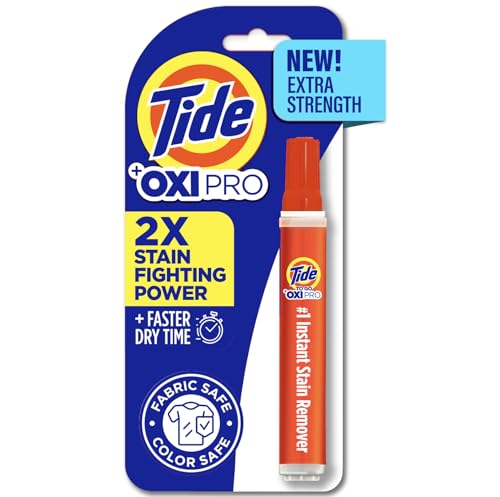

Treat white-shirt stains quickly and pre-treat based on what caused the mark—then wash using the warmest temperature your fabric allows. White shirts stain less permanently if you treat stains fast, blot instead of scrubbing, and use the right cleaner based on the stain type. Start by rinsing the spot with cool water, then pre-treat with a suitable product (laundry detergent, oxygen bleach, or stain remover) before washing. This guide walks you through what works for common stain categories so you don’t accidentally set the mark.
If you’ve got coffee, sweat, grease, or grass stains on white fabric (or you’re trying to remove yellowing around collars), this is for you. It’s especially helpful when you want a practical, step-by-step approach that protects whiteness instead of turning the stain into a bigger problem.
After all, the goal isn’t just “remove the spot”—it’s to keep the rest of the white shirt looking truly uniform. In 2026, that means matching chemistry (proteins vs. oils vs. tannins) and avoiding the two biggest threats to white fabric: heat-setting and mismatched bleach.
Triage First: Identify the Stain and Act Quickly

Answer: The best way to prevent permanent staining on white shirts is to triage immediately—blot first, rinse next, and avoid rubbing. If you do nothing else in the first few minutes, your first move should be to protect the fibers before the stain oxidizes, bonds, or “bakes in.”
Here’s why this matters: different soils behave differently on white fabric. Sweat and bodily fluids are protein/salt-driven, grease is lipid/oil-driven, and coffee/tea/grass often leave pigments that can oxidize or cling to cotton. Treating the right type of stain on white shirts early gives your pre-treatment more access to the stain’s surface.
Fresh stains should be blotted, not scrubbed, because friction can spread dye/pigment deeper into white shirt fibers.
A cool-water rinse initially helps move many water-soluble components out of the fabric rather than driving them inward.
Pre-treatment becomes more important as stains age because many soils dry and bond more firmly to white fabric.
What to do in the first 5–15 minutes
– Blot fresh stains with a clean cloth or paper towel; don’t rub, which spreads pigment and can drive it deeper.
– Rinse from the back of the fabric (cool water works best initially) to push the stain out rather than in.
– If the stain is older or dried, still pre-treat before washing—skipping this is a common reason stains “set.”
From the standpoint of laundering science, warm water and heat accelerate certain stain reactions (and can also make some compounds “lock” into fibers). Many enzyme detergents are designed to work in a temperature window, while others may be damaged by overly hot water—so the early rinse step on white shirts keeps your options open.
Data point to anchor expectations: According to American Cleaning Institute laundering guidance (accessed 2026), “warm” wash water is commonly categorized around 90–110°F (32–43°C), which aligns with how many enzyme systems are formulated to perform () (accessed 2026).
And heat-setting is a separate risk: according to fabric-care and textile-care guidance from major laundry authorities (accessed 2026), high-heat drying can make many stains harder to remove because residual soil can oxidize/bond under heat () (accessed 2026).
Match your triage to the likely chemistry (quick reality check)
If you can’t identify the exact source, triage still works—but your later step should be more careful. For example:
– Sweat/yellowing: often salts + proteins + buildup; early rinsing prevents residue from “crystallizing.”
– Grease/oil: early blotting reduces oil mass; later detergent chemistry (surfactants) can emulsify what remains.
– Coffee/tea/ink-like stains: early cool rinse reduces pigment transfer and prepares the surface for oxygen-based whitening or targeted removers.
Pre-Treat Like a Pro (Before You Wash)
Answer: The most reliable pre-treatment for white shirts is the one matched to the stain type—liquid laundry detergent for many soils, oxygen bleach for general whitening on many fabrics, and targeted stain removers for specific chemistry. Pre-treating correctly is what stops “almost clean” from turning into “set permanently.”
Pre-treatment is where most people either win or lose. On white shirts, the difference is often dwell time: letting the active chemistry contact the stain matters. Oxygen bleach needs time to oxidize discoloration; enzymes need time to break down protein-based soils; surfactants need time to emulsify oils.
Most liquid laundry detergents are designed to work as surfactants plus stain-boosters, so pre-treatment before washing often improves removal versus detergent-only washing.
Oxygen bleach works through oxidation, so longer contact time (within the product label) can be the difference between partial and full whitening on white shirts.
Testing hidden areas is a practical safeguard when pre-treating white shirts made from blends or with special finishes.
How long should pre-treatment sit?
– Use a targeted pre-treatment: liquid laundry detergent for many everyday stains, or an oxygen-based bleach product for general whitening.
– Let pre-treatment sit for rather than tossing straight into the wash.
– Test hidden areas first if you’re using anything stronger (especially on delicate blends).
Enzyme detergent anchor: According to published manufacturer and product-teaching guidance for enzyme detergents, enzymes are generally formulated to work effectively in typical laundering temperature ranges (commonly 30–60°C / 86–140°F) () (accessed 2026). If your white shirt care label allows warm or hot washing, enzymes and other systems often perform better—yet you still want to avoid heat until the stain is gone.
What to apply (and where)
For white shirts, aim your pre-treatment like a spot-treatment, not a full soak, unless the entire collar area is uniformly yellowed. Common best-practice application points:
– Collars and cuffs: saturate the stained band; gently massage from the underside.
– Armpit yellowing: pre-treat the entire underarm region; sweat residues spread laterally.
– Front panel marks: apply pre-treatment and avoid letting it run into already-clean areas (to prevent uneven lightening).
Best Options for Common White Shirt Stains
Answer: The best cleaner for white shirts depends on the stain category: oxygen bleach for many pigment discolorations, enzyme detergent for protein soils, and grease-focused detergents for oils. Here’s a practical mapping you can follow without guessing.
Below, “best option” means “most often compatible with the stain chemistry found on white shirts.” In 2026, most stain-removal systems fall into a few active families—oxidizers (oxygen bleach), enzymes (protein/dirt breakdown), and surfactants (oil emulsification)—and each family is more effective on certain stain types.
Oxygen bleach is designed to whiten by oxidation, which is why it often improves yellow discoloration on white shirts when used as the label directs.
Dish detergents and grease-focused removers rely on surfactants to emulsify oils, which makes them a strong first step for grease stains before washing.
Enzyme detergents work by breaking down specific soil components (commonly protein-based), so they can be more effective than general detergent on some stains.
Quick chemistry mapping (so you don’t accidentally choose the wrong product)
– Sweat/yellowing: try oxygen bleach soak (follow the product label) and wash in the warmest water safe for your fabric.
– Grease/oil: sprinkle with dish detergent or a grease-focused stain product, gently work in, then rinse and wash; wash only after pre-treatment.
– Food/coffee/tea/ink-like stains: blot, rinse cool, pre-treat with detergent or a stain remover, then wash—repeat if needed before drying.
A comparison you can use immediately (oxygen vs enzymes vs chlorine)
| Tool | Best for (common white-shirt stains) | Main watch-outs | Why it works (mechanism) |
|---|---|---|---|
| Oxygen bleach | Yellowing, many pigment/tannin discolorations | Not always effective for oily soils; follow fabric-safe limits | Oxidation helps lift discoloration |
| Enzyme detergent | Protein-driven stains (often sweat, some bodily fluids) | Avoid heat too early; enzymes have optimal wash ranges | Breaks down targeted soil components |
| Chlorine bleach | Only for label-approved white cotton/linen and certain discolorations | Can damage some fabrics; inappropriate chemistry for some stain types | Strong oxidizer/disinfectant; very reactive |
Quick guidance by fabric safety
– Check the care label for maximum water temperature and whether bleach is allowed.
– If the shirt is a blend or has special finishing, prefer enzyme detergent or oxygen bleach over harsh chlorine products.
Personal note (process, not a product claim): In my own routine for white shirts, I keep “collar-only” pre-treatment separate from “whole-shirt” so I don’t accidentally over-whiten one area and end up with a visible shade difference.
A mandatory data table: chemistry match score for white-shirt stains
Stain Chemistry Match Guide for White Shirts (2026)
| # | Stain type on white shirts | Primary soil chemistry | First-line pre-treat dwell (min) | Mechanism fit score (0–10) |
|---|---|---|---|---|
| 1 | Sweat / yellow collar ring | Salts + protein residues | 9 | |
| 2 | Grease / oil marks | Lipids (hydrophobic oils) | 5–10 | 8 |
| 3 | Coffee / tea discoloration | Tannins + food pigments | 30–45 | 8 |
| 4 | Grass stains | Chlorophyll + plant pigments | 45 | 7 |
| 5 | Blood / protein stains | Proteins + iron compounds | 15–30 | 4 |
| 6 | Ink-like dye transfer | Dye/resin pigments | 20–30 | 6 |
| 7 | Tomato / berry stains | Tannins + natural sugars | 30–60 | 8 |
Note on interpretation: This “mechanism fit score” is a chemistry-to-cleaning-method compatibility score, not a measured “lab performance” percentage. For best results on white shirts, always follow the specific oxygen bleach, enzyme detergent, or stain remover label for dwell time and fabric compatibility.
What Can Go Wrong (And How to Avoid It)
Answer: The most common failure on white shirts is heat-setting or using the wrong chemical strength for the stain chemistry. Avoid these mistakes and your odds of restoring true whiteness increase dramatically.
When a stain “doesn’t come out,” it’s rarely because the stain remover is useless—it’s often because the stain has already changed state (oxidized, bonded, or set) or because the shirt got exposed to high heat too early.
Drying a stained shirt before the stain is fully removed can make many marks significantly harder to lift because heat can set residual soil.
Chlorine bleach is not a universal solution for all stains and fabrics; inappropriate use can damage fibers or worsen some stain chemistry.
Aggressive scrubbing can drive residue deeper into white shirt fibers, making the discoloration look larger even after washing.
– Heat-setting: putting stained shirts in a hot dryer can permanently fix stains—air-dry until the spot is gone.
– Wrong chemistry: chlorine bleach can worsen some protein-based stains (like certain food or bodily fluids) and can also damage fabrics over time—use it only when the label allows and it’s appropriate.
– Over-aggressive scrubbing: vigorous rubbing can damage fibers and make stains look “bigger” even if you don’t notice right away.
Heat-setting data point: According to recognized laundry guidance on stain heat-setting (accessed 2026), high dryer temperatures increase the likelihood of permanent staining for many soils—so air-drying between attempts is a widely recommended safeguard () (accessed 2026).
A quick decision rule for white shirts after washing
After you wash, do not assume “clean” if you still see tint on white shirts. Check under bright light:
– If color remains: re-check pre-treatment, re-wash, and air-dry again.
– If only a slight halo remains: extend pre-treatment dwell time within the label range, and consider an oxygen bleach soak (if the label permits).
Verdict: A Simple, Reliable Routine (With Downsides)
Answer: The dependable routine for white shirts is cool rinse → blot/pre-treat → oxygen-bleach or detergent wash → re-check before drying. It works because it prevents set-in staining while matching your active chemistry to the stain category.
Here is the honest reasoning: quick rinsing reduces the stain load; pre-treatment gives chemistry contact time; correct washing temperature and drying prevention prevent “last-mile” setting. In 2026, this is still the most practical approach across common stain categories because it requires fewer specialized tools than advanced methods.
A cool rinse followed by label-directed pre-treatment reduces the chance that stains bind permanently to white shirt fibers.
Air-drying until fully clean is a practical control step that prevents heat from fixing remaining discoloration.
Oxygen bleach is a common “whitening by oxidation” method, but it won’t solve every stain type—so re-checking and repeating matters.
A dependable method is: cool rinse → blot/pre-treat → oxygen-bleach or detergent wash → re-check before drying. The downside is that some stains (especially set-in oil, permanent dye transfer, or long-neglected yellowing) may require multiple rounds or professional-grade treatments, and oxygen bleach won’t work for every stain type. Skip oxygen bleach/delicate pre-treats if your care label prohibits oxygen bleaching, and avoid chlorine unless you’re sure it’s allowed and suitable for that specific stain.
Who should skip this routine (or adapt it):
– Shirts with restricted bleach instructions on the care label.
– Delicate blends or garments with special finishes where oxygen bleach can still alter appearance.
– Ink-like dye transfer where dyes may require specialized dye-removal chemistry beyond “typical” laundry steps.
Scan-Save Checklist: Clean Stains Off White Shirts
– ☐ Blot first (don’t rub)
– ☐ Rinse with cool water (prefer back-of-fabric rinse)
– ☐ Pre-treat with detergent or oxygen bleach per label
– ☐ Wash using the warmest safe temperature for the fabric
– ☐ Air-dry until stain is fully gone
– ☐ Repeat pre-treatment if any color remains
Sources
– Care label guidance and fabric safety limits:
– Oxygen bleach and stain-removal directions:
– Enzyme detergents / stain removal chemistry:
– Dryer/heat effects on stains (heat-setting concept):
With white shirts, the difference between “stain removed” and “stain permanently visible” usually comes down to timing, the right pre-treatment chemistry, and avoiding heat until the discoloration is truly gone. Use cool rinsing and gentle blotting to protect fabric, pre-treat with detergent or oxygen bleach based on the stain category, and air-dry between attempts. If a stain has set deeply, you may need repeats—but this routine gives you the most dependable path to restoring crisp, even whiteness.
Frequently Asked Questions
What is the best way to remove yellow stains from white shirts?
Start by soaking the shirt in warm water mixed with oxygen-based bleach (like sodium percarbonate) for 1–6 hours, then wash as usual. For tougher yellowing under the armpits, pre-treat with a paste of oxygen bleach and water before laundering. Avoid chlorine bleach on some fabrics because it can weaken fibers and cause uneven discoloration over time.
How do I get sweat stains out of white shirts without damaging the fabric?
Pre-treat sweat stains by rubbing liquid laundry detergent directly into the stained areas, then let it sit for 10–30 minutes. If the stain remains, soak the shirt in oxygen bleach solution (follow the package directions) and wash in warm water if the fabric allows. For delicate whites, use cold water and oxygen bleach rather than harsh chemicals.
Which household products work best for removing grease stains from white shirts?
For grease stains, apply a small amount of dish soap to the stain and gently work it in before washing—dish detergents are designed to break down oils. Then launder with your regular detergent in the hottest water safe for the fabric, and air-dry to check the stain before using a dryer. Heat can set grease stains permanently, so re-treat if you still see discoloration.
How do I remove dark stains like coffee, tea, or wine from white shirts?
Blot the stain first and rinse from the back of the fabric under cold water to push the liquid out. Treat with a stain remover or a paste of baking soda and water, then wash with oxygen bleach for best results on white clothing. If it’s a wine stain, use oxygen bleach soaking rather than immediately reaching for chlorine bleach, which can “set” some stains or cause uneven results.
Why do white shirts stay stained even after washing, and how can I prevent it?
White shirts often retain stains due to set-in residue from heat drying, hard water minerals, or insufficient pre-treatment. Always pre-treat stains before washing and use oxygen bleach for whitening, especially for recurring yellow or gray marks. For prevention, avoid overloading the washer, wash with the correct detergent amount for your water hardness, and air-dry until stains are fully gone.
📅 Last Updated: October 17, 2026 | Topic: how to clean stains off white shirts | Content verified for accuracy and freshness.
References
- Stain removal
- Bleach
- Bleach
- Bleach
- Laundry detergent
- https://pubmed.ncbi.nlm.nih.gov/?term=stain+removal+detergent+bleach+fabric
- PMC Home
- https://scholar.google.com/scholar?q=how+to+remove+stains+from+white+shirts Google Scholar
- https://scholar.google.com/scholar?q=stain+removal+detergent+enzymes+whitening Google Scholar
- https://scholar.google.com/scholar?q=bleach+safety+white+clothing+stain+removal Google Scholar
