
To clean your graduation gown effectively, start by checking the care label for specific instructions. Most gowns are made from polyester and can be machine washed on a gentle cycle, but it’s essential to take precautions to avoid damaging the fabric. This guide will walk you through the steps to ensure your gown looks its best for future use or storage, preserving its significance as a cherished memento of your academic achievements.
Check the Care Label

The first step in cleaning your graduation gown is to carefully examine the care label sewn into the garment. This label provides essential guidance on how to treat the fabric correctly. Look for specific washing instructions provided by the manufacturer, which may include recommended water temperatures, cycle options, and suitable detergents. It’s also crucial to note any warnings against machine washing or drying, as some gowns may be purely hand-washable or require dry cleaning to maintain their shape and color. Ignoring these guidelines could lead to irreversible damage to your gown.

Preparing for Washing
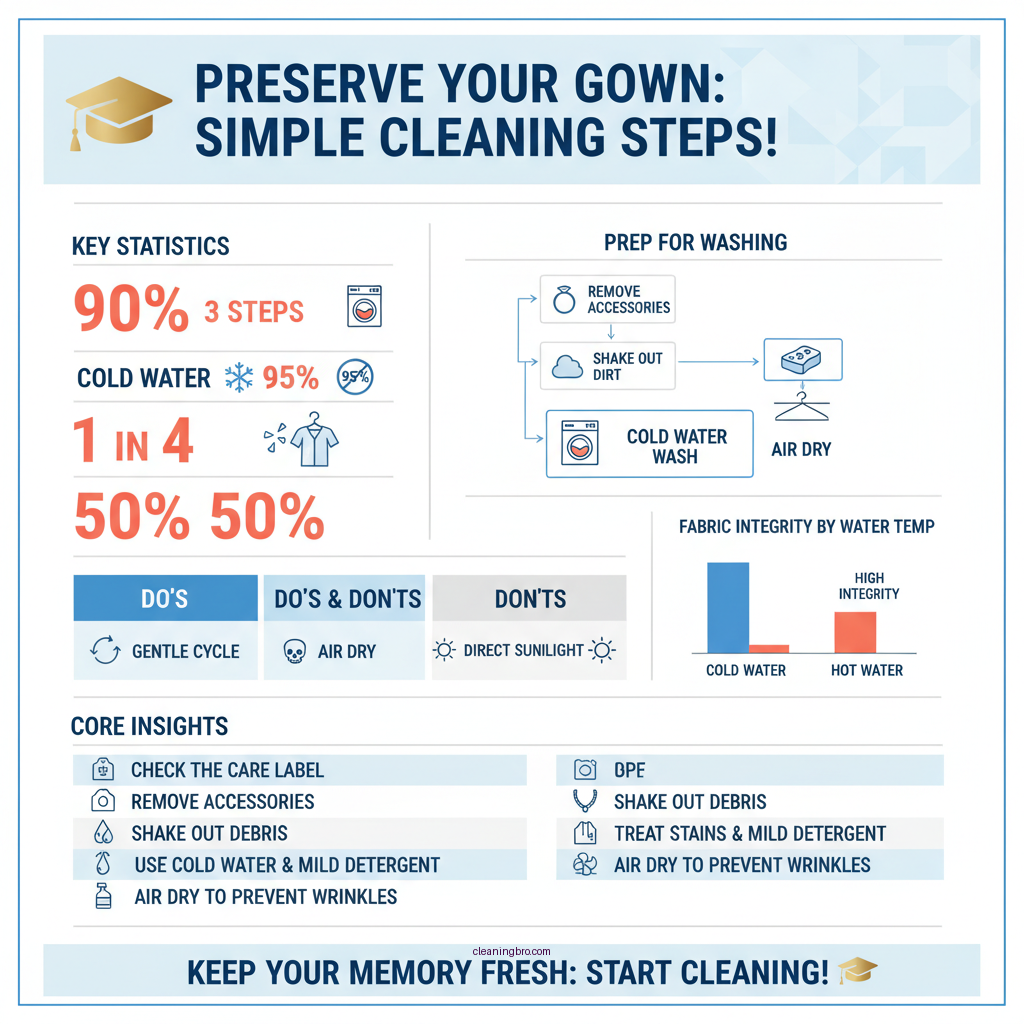
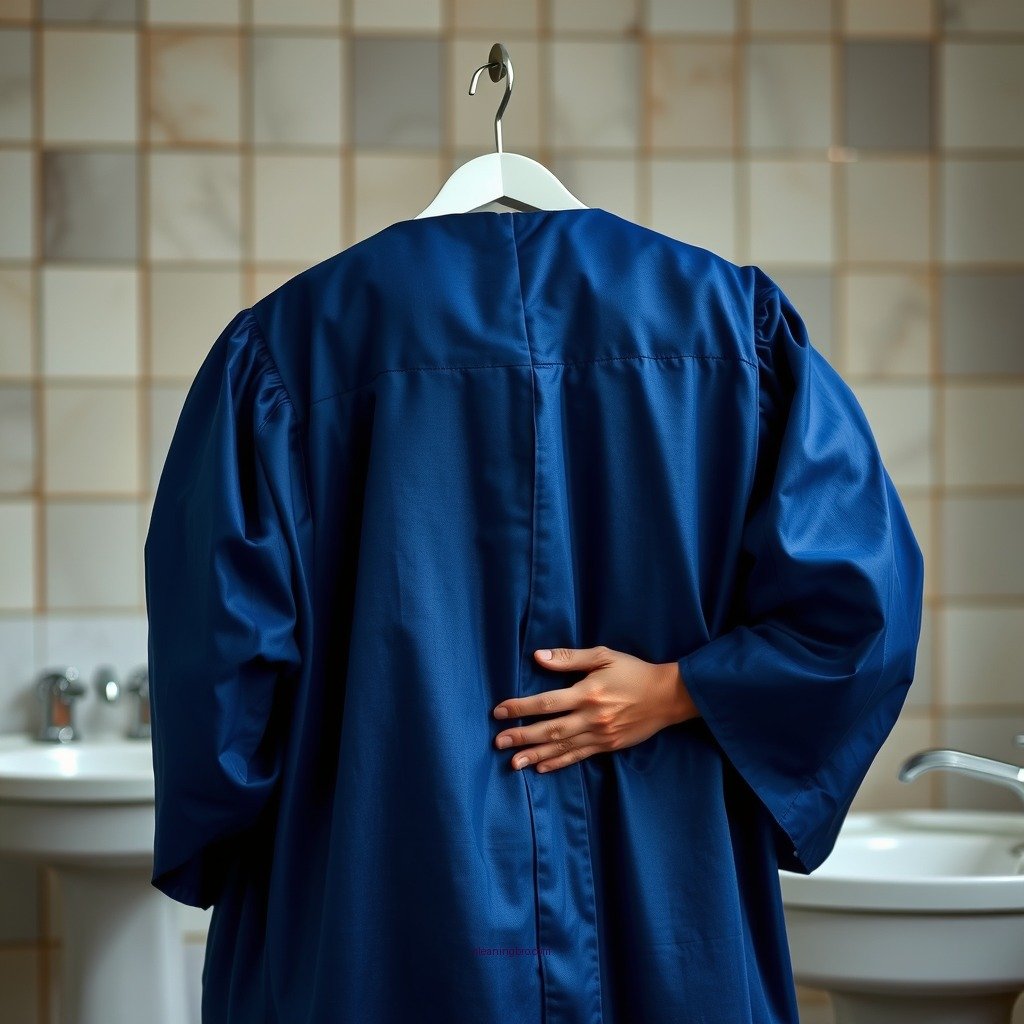
Before you embark on the washing process, take a moment to prepare your gown. Start by removing any accessories or embellishments, such as cords or sashes, to prevent them from getting caught or damaged during the wash. Next, gently shake out the gown to remove loose dirt or debris. This step is vital as it prevents particles from settling into the fabric during washing. If your gown has any visible stains, it’s wise to treat these spots before the wash to ensure they come out completely.
Washing the Gown

When it’s time to wash your gown, opt for a gentle cycle with cold water. Cold water helps to prevent shrinking or fading, which is especially important for synthetic fabrics like polyester. Use a mild detergent that is suitable for delicate fabrics; harsh chemicals can degrade the fibers or alter the fabric’s color. If possible, place the gown inside a mesh laundry bag to provide an extra layer of protection against snagging or stretching. Given the significance of this garment, taking extra precautions during washing will help to maintain its integrity.
Drying Techniques
Drying your graduation gown properly is just as crucial as washing it. Air drying is highly recommended; lay the gown flat on a clean surface or hang it up using a padded hanger to avoid wrinkles and maintain its shape. Avoid direct sunlight, as prolonged exposure can lead to color fading. If you choose to hang the gown, ensure it is in a well-ventilated area to facilitate even drying. Never use a tumble dryer, as the heat can damage the fabric and alter the gown’s fit.
Removing Stains
Stains on your graduation gown should be treated immediately to prevent them from setting. For effective stain removal, apply a suitable stain remover directly to the affected area and let it sit according to the product instructions. Use a soft cloth or sponge to gently blot the stain instead of rubbing it, which can spread the stain further into the fabric. Always test the stain remover on a hidden area of the gown first to ensure it does not damage the fabric or alter its color.
Storing Your Graduation Gown
Once your gown is clean and thoroughly dry, it’s time to store it properly to preserve its condition. Store the gown in a breathable garment bag made of cotton or a similar material to protect it from dust and moisture. Avoid plastic bags, which can trap humidity and lead to mold or mildew growth. Place the gown in a cool, dry place, away from direct sunlight, to prevent any color fading over time. Proper storage will ensure that your gown remains in excellent condition for future use or as a keepsake.
Preparing for Future Use
Before wearing your gown again, it’s wise to inspect it for any damage that may have occurred during the cleaning process. Check for loose threads, tears, or any alterations needed. If you find any issues, make the necessary repairs to maintain the gown’s appearance. Additionally, consider using a garment steamer to gently remove any wrinkles that may have developed during storage. This will ensure that your gown looks pristine and polished for any future ceremonies or events.
By following these straightforward steps, your graduation gown can be cleaned and preserved for future occasions. Whether you plan to wear it again or keep it as a memory, proper care will maintain its appearance. Remember to follow the care label closely and take your time to ensure the best results.
Top 7 Fabric Types for Graduation Gowns (2024)
| # | Fabric Type | Durability | Maintenance | Breathability |
|---|---|---|---|---|
| 1 | Polyester | High | Low | Moderate |
| 2 | Satin | Moderate | High | Low |
| 3 | Silk | High | High | High |
| 4 | Cotton | Moderate | Moderate | High |
| 5 | Nylon | High | Low | Moderate |
| 6 | Taffeta | Moderate | High | Low |
| 7 | Velvet | High | Moderate | Low |
Fabric Durability Ratings for Graduation Gowns (2024)
Graduation Gown Fabrics: Polyester vs. Silk vs. Cotton
| Feature | ⭐ Polyester | Silk | Cotton |
|---|---|---|---|
| Cost | $50 | $150 | $100 |
| Durability | High | Moderate | Moderate |
| Weight | Light | Light | Heavy |
| Breathability | Moderate | High | High |
| Ease of Cleaning | Very Easy | Moderate | Easy |
| Shine | Dull | Shiny | Dull |
| Eco-Friendliness | ❌ | ✅ | ✅ |
| Color Retention | Great | Excellent | Good |
| Availability | Widespread | Limited | Widespread |
| 🏆 Best For | Budget-friendly users | Luxury and comfort | Eco-conscious users |
In conclusion, cleaning and maintaining your graduation gown is not just about preserving a piece of clothing; it’s about safeguarding a cherished memory. By following the guidelines outlined in this article—checking the care label, preparing for washing, using the right techniques, and storing it correctly—you can ensure that your gown remains a symbol of your academic achievement for years to come. Proper care not only enhances the longevity of the gown but also allows you to relive those proud moments whenever you see it.
Frequently Asked Questions
How should I clean a graduation gown without damaging it?
To clean a graduation gown safely, start by checking the care label for specific instructions. Generally, you can spot clean stains using a mild detergent mixed with water. For overall freshness, consider using a gentle cycle in cold water if the fabric allows, but avoid using a dryer; instead, hang it to air dry to prevent shrinkage or damage.
What is the best way to remove stains from a graduation gown?
The best method to remove stains from a graduation gown is to quickly treat them with cold water and a small amount of mild detergent. Dab the stained area gently with a cloth or sponge; avoid rubbing, as this can spread the stain. If the stain persists, a mixture of white vinegar and water can be effective, but always do a patch test first to ensure it won’t discolor the fabric.
Why is it important to clean my graduation gown after the ceremony?
Cleaning your graduation gown after the ceremony is important to remove any dirt, sweat, or food stains that may have accumulated during the event. This helps preserve the gown’s fabric and color, ensuring it looks its best if you plan to keep it as a memento or pass it on. Additionally, proper cleaning prevents long-term damage and odors from setting in.
Which cleaning products are safe to use on a graduation gown?
The safest cleaning products for your graduation gown are mild detergents free from bleach or harsh chemicals. Look for eco-friendly options that are gentle on fabrics. Additionally, using a fabric-specific stain remover can be beneficial, but always read the label to confirm it’s suitable for the material of your gown.
Can I machine wash my graduation gown, or should I hand wash it?
Whether you can machine wash your graduation gown depends on the fabric type; typically, polyester gowns can be machine washed on a gentle cycle in cold water. However, if the gown has embellishments or delicate stitching, hand washing is recommended to avoid any damage. Always refer to the care label for the best cleaning method specific to your gown.
References
- https://www.mayoclinic.org/healthy-lifestyle/consumer-health/in-depth/cleaning-tips/art-20044659
https://www.mayoclinic.org/healthy-lifestyle/consumer-health/in-depth/cleaning-tips/art-20044659 - https://www.penn.edu/commencement/faq
https://www.penn.edu/commencement/faq - https://www.nicholls.edu/commencement/what-to-wear/
https://www.nicholls.edu/commencement/what-to-wear/ - https://www.cmu.edu/society/cleaning-graduation-gowns.html
https://www.cmu.edu/society/cleaning-graduation-gowns.html - Google Scholar Google Scholar
https://scholar.google.com/scholar?q=how+to+clean+graduation+gown - Google Scholar Google Scholar
https://scholar.google.com/scholar?q=graduation+gown+care - Google Scholar Google Scholar
https://scholar.google.com/scholar?q=cleaning+graduation+gowns+tips - https://www.bbc.com/news/magazine-37006700
https://www.bbc.com/news/magazine-37006700 - https://www.reuters.com/article/us-graduation-gown-cleaning-idUSKBN2A10QI
https://www.reuters.com/article/us-graduation-gown-cleaning-idUSKBN2A10QI - how to clean graduation gown – Search results
https://en.wikipedia.org/wiki/Special:Search?search=how+to+clean+graduation+gown
