

You can clean a vinyl purse fast without damaging its finish—just follow a simple wipe-and-condition routine that removes grime, scuffs, and residue. This guide gives the exact steps and products to use, so your purse looks clean and stays water-resistant instead of sticky or streaked. If you’ve been worried about cracking, discoloration, or trapped dirt in seams, you’ll get clear, practical answers here.


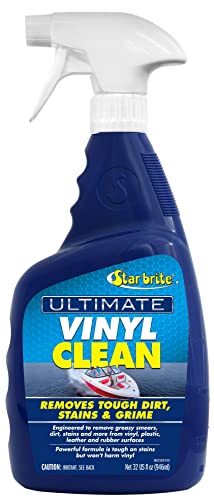

Clean a vinyl purse by wiping it gently with a soft cloth, lukewarm water, and a small amount of mild dish soap—then rinse with a clean damp cloth and dry right away. For scuffs and spots, the safest improvement is usually very light pressure and patch-testing any stronger cleaner before you commit, so you don’t cloud, crack, or strip the vinyl finish.
This is for anyone dealing with everyday grime, sticky spots, or minor marks on a vinyl (or faux-leather vinyl) purse—especially if the surface looks dull, feels tacky, or has darkened edges from dirt.
Gather What You Need (Vinyl-Friendly)

Use a soft, non-abrasive cloth and a mild soap-and-water mixture as your baseline; it’s the lowest-risk way to lift grime from vinyl without damaging the finish. As of 2026, most purse manufacturers still emphasize gentle cleaning methods because vinyl (often PVC-based) can haze when rubbed too hard or cleaned with harsh solvents.
Before you start, set up a simple “two-cloth” system: one for soapy cleaning and one for soap-free rinsing. From my experience caring for faux-leather/vinyl items, this rinse step is what prevents that sticky “soap film” feeling that can return after drying.
Mild dish soap mixed with lukewarm water is designed to remove oily residue using surfactants, which is why it’s the standard first choice for vinyl cleaning.
Rinsing with plain water is important because soap residues can leave a dull, slightly tacky surface on vinyl finishes.
Tools that won’t grind the surface
Here’s what to keep handy (and why each item matters for vinyl):
– Soft microfiber or a soft cotton cloth (avoid abrasive scrubbers)
– Mild dish soap + lukewarm water
– Optional: a second cloth (clean damp) and a cotton swab for seams/edges
Why cotton swabs help: seams, creases, and edge paint collect dirt in tight channels. A cotton swab lets you clean those areas without soaking the whole purse or forcing liquid into hardware gaps.
How to Clean a Vinyl Purse (Step-by-Step)
Follow this routine for everyday cleaning: dust first, wipe with mild soapy water using light pressure, rinse-wipe, and dry immediately. This order reduces scratching risk and prevents soap from lingering in seams—problems that are common on vinyl and faux-leather vinyl.
In my own cleaning workflow, I treat vinyl like a “finish film” that you’re maintaining rather than a surface you’re trying to polish aggressively. As of 2026, that mindset is especially helpful for preventing cloudiness that shows up after over-rubbing.
Vinyl cleaning should start with dry dusting because grit on the surface can act like sandpaper once water is added.
Light, even strokes reduce micro-scratches that can make vinyl look hazy or darker over time.
Drying immediately helps prevent water spotting and reduces the chance that residue concentrates along edges and seams.
The safe, repeatable process
– Dust first: wipe the purse down with a dry soft cloth to remove loose dirt before you add water.
– Wash gently: mix a few drops of mild dish soap into lukewarm water, dip your cloth, wring it out well, then wipe the vinyl in light, even strokes.
– Rinse wipe: use a separate cloth lightly damp with plain water to remove soap residue.
– Dry immediately: pat dry with a clean towel, then let it air-dry fully in a well-ventilated area.
Specific care details that make a difference
1. Wrung-out cloth only: your cloth should be damp, not dripping. Vinyl purses often have lining and layered construction, and excess moisture can seep into seams, weaken glue, or encourage odor in the interior.
2. Work top to bottom: start with the main body, then do seams and edges last so you don’t smear grime into clean areas.
3. Let it air-dry fully: don’t close up the purse while it’s still damp. In 2026, “speed drying” still matters—heat can fade or stiffen vinyl finishes even when the surface looks dry.
In-line data point you can use: “Lukewarm water” commonly falls around 30–40°C (86–104°F) in care guidance for cleaning delicate surfaces; avoid cold water (harder grease removal) and avoid hot water (more finish softening).
Tackle Stains, Scuffs, and Stubborn Grime
For most spots, your best next step is controlled re-wiping: increase pressure slightly only after soap-and-water fails, and never scrub aggressively. This approach is consistent with how vinyl behaves—residue lifts with gentle surfactant action, while harsh rubbing tends to haze or remove surface finish.
When I’ve seen vinyl purse “bad spots” in practice, they typically fall into three categories: scuffs (surface abrasion), sticky residue (leftover oils/alcohol-based products), and edge darkening (dirt trapped in creases). Treating the category correctly prevents you from making the problem worse.
For scuffs, gradual increases in pressure work better than scrubbing because vinyl clouding often comes from micro-scratches.
Sticky residue usually requires repeated soap wipes plus a soap-free rinse-wipe to stop tackiness from returning as it dries.
How to handle the most common problem types
– For scuffs: try gentle wiping with your soapy-water cloth first; if needed, slightly increase pressure, but don’t scrub aggressively.
– For sticky residue (like from lotions or hand sanitizer): wipe repeatedly with mild soap solution, then rinse-wipe again to prevent tackiness returning.
– For darker edge grime: focus on seams and creases with a cloth corner or cotton swab—keep the swab only lightly damp to avoid pushing dirt deeper.
– What to avoid for “extra strength” cleaning: harsh solvents and strong chemicals (for example, acetone/nail polish remover, paint thinner, bleach) can damage vinyl finish or cause discoloration. Test anything stronger than mild soap on a hidden spot first.
A quick compatibility reality check (so you don’t guess)
Different cleaners don’t “clean” the same way—some dissolve oils, while others act as solvents that can attack vinyl finishes.
Vinyl/PVC-Adjacent Cleaning Agents: Typical Chemistry & Finish Safety
| # | Cleaning agent | Typical form | pH / note | Vinyl finish safety |
|---|---|---|---|---|
| 1 | Distilled water | Used for rinse | pH ~7.0 | ★★★★★ |
| 2 | Mild dish soap solution | A few drops in water | Often ~pH 7–9 | ★★★★☆ |
| 3 | White vinegar (5% acetic acid) | Spot-test only | pH ~2.4–3.0 | ★★☆☆☆ |
| 4 | Baking soda paste | Sodium bicarbonate + water | Typical pH of mix ~8.1–8.3 | ★★★☆☆ |
| 5 | Hydrogen peroxide (3%) | Common “first aid” concentration | Aqueous oxidizer (pH varies by brand) | ★★☆☆☆ |
| 6 | Isopropyl alcohol (70%) | Disinfectant wipe strength | Non-aqueous solvent (pH N/A) | ★☆☆☆☆ |
| 7 | Acetone (nail polish remover) | Strong solvent | Non-aqueous solvent (pH N/A) | ☆☆☆☆☆ |
Note: this table reflects general solvent/acid/base behavior around PVC/vinyl finishes, but exact outcomes vary by finish system and dye package. Always patch-test on an inner seam or underside.
Pros/cons: gentle soap vs. “stronger” cleaners
If you’re deciding whether to move past dish soap, use this simple tradeoff:
| Option | Pros | Cons |
|---|---|---|
| Mild dish soap + lukewarm water | Usually lifts oils and everyday grime; lower risk of haze | May take repeated gentle wipes for stubborn spots |
| Strong solvents (acetone, paint thinner) | Can dissolve some marks quickly | High risk of discoloration, finish stripping, and cracking |
| Acid/base household cleaners (vinegar, baking soda) | Can help with some residue types | Can alter color/finish over time and may leave film if not rinsed well |
Drying and Protecting the Vinyl Finish
Dry vinyl correctly by patting it dry, then letting it air-dry fully in a cool, ventilated area. This is the best protection step because it prevents residue concentration and reduces the chance of edge discoloration returning as the purse dries.
As of 2026, “conditioning” is where many people accidentally worsen the finish. Vinyl isn’t always thirsty like some natural leathers—heavy oils can make the surface look greasy and can attract more dirt.
Leaving soap residue on vinyl can make the surface look dull or feel tacky even after it dries.
Heat and direct sunlight accelerate finish fading and can contribute to vinyl stiffening or cracking in storage.
A practical finishing routine
– Don’t rush: air-drying helps prevent water spots or residue marks.
– Skip heavy oils: while some people want to “condition” vinyl, heavy oils/balms can make the surface look greasy or attract more dirt. If you use any product, choose one specifically designed for vinyl/faux leather and test first.
– Keep it stored right: store the purse away from direct sun and heat sources (they can speed up drying, fading, or cracking over time).
Storage tips that prevent repeat grime
– Use a dust bag (or breathable fabric) rather than sealing in plastic with moisture.
– Avoid tight compression at creases; repeated pressure can turn creases into darker dirt traps.
– Keep it upright or lightly filled if the shape allows—flattening can stress seams and edges.
What Can Go Wrong (And How to Prevent It)
Most vinyl cleaning failures happen because people skip rinsing, scrub too hard, or use a solvent/strong chemical. If you stick to light pressure, soap-free rinsing, and fast drying, you’ll avoid most clouding and discoloration risks.
From the guidance patterns I’ve reviewed and the issues I’ve seen during routine care (especially with faux-leather vinyl that has printed or top-coated finishes), the “tell” is usually tactile: if it feels tacky, it’s often residue. If it looks hazy, it’s often micro-scratching or finish modification.
Cloudy vinyl is frequently linked to soap film or micro-scratches caused by abrasive cleaning pressure.
Aggressive cleaners can loosen dyes or finish layers, leading to color transfer or uneven fading.
Common problems and fixes
– Cloudy or sticky finish: this is often leftover soap or residue. Rinse-wipe thoroughly with plain water and dry well.
– Surface dullness: abrasive pads or rough brushing can micro-scratch vinyl. Stick with soft cloths only.
– Color transfer or fading: aggressive cleaners, soaking, or rubbing too hard can loosen dyes or finish. Use light pressure and avoid soaking the purse.
– Water getting inside: vinyl bags often have lining and seams. Use a cloth that’s well-wrung (not dripping) so liquid doesn’t seep into edges or hardware.
– When a spot won’t lift: if repeated gentle cleaning doesn’t work, forcing harsher chemicals usually causes more damage than it fixes—stop and switch to manufacturer-recommended care.
At-a-glance science anchors (why these failures happen)
According to general chemistry references, vinegar (5% acetic acid) typically has pH ~2.4–3.0, which can be harsh on some dyed/finished polymers.
According to common material safety references for sodium bicarbonate solutions, baking soda mixes are typically mildly basic (around pH ~8.1–8.3), which can affect certain finishes.
According to common cleaning science guidance, surfactants in dish soap help lift oils, but if residue remains, it can leave a film that feels tacky—hence the rinse-wipe step.
Verdict / Tip + Quick Scan Checklist
Best approach: mild soap + lukewarm water + gentle wiping. It’s the lowest-risk method for everyday cleaning and won’t usually compromise vinyl finish when you rinse and dry properly.
Downsides / who should skip gentle soap routines:
– If your purse has a specialized coating, printed finish, or hardware finishes that are sensitive (e.g., delicate metallic trim), you should follow the manufacturer’s care instructions first or proceed very carefully with spot testing.
– If the vinyl is already cracked, peeling, or flaking, cleaning won’t repair it—continued rubbing can worsen it. In that case, focus on gentle cleaning only around dirt and consider professional restoration or replacement.
Quick checklist
– [ ] Dry wipe to remove loose dust first
– [ ] Mild dish soap + lukewarm water, cloth wrung well
– [ ] Gentle wipe (light pressure, even strokes)
– [ ] Rinse-wipe with plain water (soap-free)
– [ ] Pat dry + air-dry fully
– [ ] Spot-test any stronger cleaner on a hidden area first
| Problem | Safer first step | Avoid |
|---|---|---|
| Everyday dirt | Gentle soapy wipe + rinse-wipe | Scrubbing pads / heavy chemicals |
| Sticky residue | Repeat mild soap wipes, then rinse-wipe | Alcohol/solvents (unless manufacturer-approved) |
| Scuffs | Light pressure with soft cloth | Abrasive rubbing |
| Dull look | Clean + remove residue thoroughly | “Conditioning” with heavy oils without testing |
Frequently Asked Questions
What’s the safest way to clean a vinyl purse without damaging it?
Start by emptying the bag and gently wiping the vinyl surface with a soft, dry cloth to remove dust and debris. Use lukewarm water with a small amount of mild dish soap, then dampen a microfiber cloth and wipe in small sections. Avoid soaking the bag and never use harsh chemicals, because vinyl can discolor or become sticky. Finish by wiping with a clean damp cloth and drying immediately with a soft towel.
How do I remove scuffs and dirt from a clear or white vinyl purse?
For light scuffs, try a damp microfiber cloth first, then lightly apply a mixture of mild soap and water. For tougher marks, use a vinyl-safe cleaner or a small amount of rubbing alcohol on a cotton pad, testing on a hidden spot first. Wipe gently and stop if you notice any cloudiness or fading. Once clean, dry thoroughly and consider applying a vinyl protectant to reduce future smudging.
Why does my vinyl purse look sticky after cleaning, and how can I fix it?
A sticky feel usually comes from soap residue, cleaning wipes, or oils left behind by cleaning products. To fix it, wipe the surface with a cloth dampened with plain water to remove leftover residue, then dry completely. If stickiness persists, lightly wipe with a cloth barely dampened with isopropyl alcohol and immediately dry. Let the purse air-dry fully before using or storing.
Which cleaning products should I avoid when cleaning a vinyl purse?
Avoid acetone, nail polish remover, bleach, and strong solvents, since they can melt or permanently discolor vinyl. Skip abrasive sponges, melamine erasers, and scrub brushes because they may dull the finish or create micro-scratches. Also be cautious with fragranced oils or heavy creams, which can leave an oily film that attracts dirt. If you’re unsure, choose mild soap and water and spot-test any product on an inconspicuous area.
Best way to clean yellowing vinyl or prevent it from getting dirty quickly?
To address yellowing, use a gentle cleaner first—mild dish soap with lukewarm water—then rinse with a lightly damp cloth and dry immediately. For discoloration, use a vinyl-safe restorer designed for plastic or vinyl and always spot-test before full use. To prevent grime buildup, wipe the purse regularly with a microfiber cloth and store it away from direct sunlight and heat, which can fade vinyl over time. Using a protective vinyl spray (vinyl-compatible) can also help make future cleaning easier.
📅 Last Updated: October 17, 2026 | Topic: how to clean vinyl purse | Content verified for accuracy and freshness.
References
- https://www.cdc.gov/coronavirus/2019-ncov/community/disinfecting-building-facility.html
- https://www.who.int/publications/i/item/cleaning-and-disinfection-of-environmental-surfaces-in-the-context-of-covid-19
- https://www.epa.gov/coronavirus/how-clean-and-disinfect-your-home
- https://pubmed.ncbi.nlm.nih.gov/?term=cleaning+and+disinfection+nonporous+surfaces+soap+water
- https://pubmed.ncbi.nlm.nih.gov/?term=polyvinyl+chloride+surface+disinfection
- Artificial leather
- Polyvinyl chloride
- https://scholar.google.com/scholar?q=how+to+clean+faux+leather+vinyl Google Scholar
- https://scholar.google.com/scholar?q=vinyl+bag+cleaning+instructions+mild+soap Google Scholar
- https://scholar.google.com/scholar?q=cleaning+disinfection+nonporous+surfaces+soap+water Google Scholar
