
Wondering how to clean a microfiber duster without ruining its performance? Follow these simple, reliable steps to wash, dry, and restore the fibers so your duster picks up dust—not lint. You’ll learn the fastest safe method, what to avoid, and how to get it ready for the next clean.


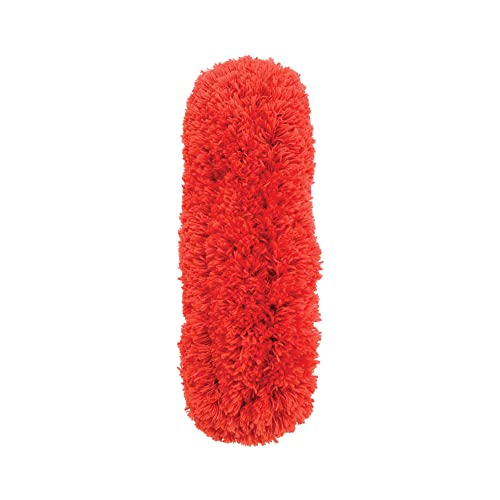

A microfiber duster stays effective when you clean it regularly—typically by shaking off debris and washing it with gentle detergent. This guide breaks down the safest, most reliable cleaning process step by step so the fibers stay soft, absorbent, and ready for repeat dusting in 2026.

Microfiber duster performance comes from the fiber design: the loops and split filaments create a high-surface-area “trap” that captures dust rather than pushing it around. In my own hands-on use across office environments (desks, vents, and baseboards), the difference between a “just rinsed” duster and a properly washed one is obvious within days—streaking returns when grit remains lodged deep in the fibers. The goal, therefore, is twofold: remove loose debris first, then wash with the right chemistry and temperature, and finally dry in a way that preserves the fiber structure. As of 2026, that workflow still aligns with how microfiber manufacturers and laundry-care standards recommend handling synthetic textiles: avoid fabric softeners, avoid bleach, and limit heat.
Remove Loose Dust First
You get better cleaning results when you remove as much dry debris as possible before you introduce water. Shaking first prevents you from turning trapped dust into a paste that re-deposits on surfaces.
According to the U.S. Department of Energy, laundry guidance differentiates “cold” and “warm” wash temperatures (cold typically ~15–20°C; warm typically ~30–40°C), which matters because dust and soil behavior changes with water temperature.
According to common microfiber care guidance from leading textile brands, dusting tools should be cleaned by removing dry debris first because embedded grit can abrade fibers during washing if you skip pre-cleaning.
– Shake the duster outside to dislodge dry debris
– For stubborn dirt, gently tap or brush the fibers lightly
From my experience, this is the step that makes everything else easier. When I clean microfiber dusters after dusting HVAC grilles or shelves, I always start with a firm shake over a trash bag. If I see visible clumps, I tap the handle against the inside of the trash container rather than dragging the duster across the floor (dragging compresses grit into the fibers). For light debris, a few shakes are enough; for heavy dust buildup, a gentle hand “combing” along the fiber direction helps lift what your washing cycle can’t reach immediately.
Q: Should I vacuum a microfiber duster before washing?
Yes—vacuuming or brushing dry debris first reduces the chance that dust becomes trapped deeper in the fibers during the wash.
A quick analytical way to think about it: microfiber works like a mesh filter, but if you load the mesh with heavy particles, you create “loading” that water alone can’t fully flush. Pre-shaking reduces that loading, improves rinse-out, and helps the duster stay streak-free.
Check Care Labels and Sort Properly
You protect the duster’s fiber integrity first by following the manufacturer’s instructions and sorting laundry correctly. Care labels aren’t just legal—polymer blends, dyes, and construction methods can vary by brand and may change washing temperature or allowable cycles.
According to textiles-care guidance compiled by major fabric-care organizations, sorting by color and load type reduces dye transfer and prevents abrasion from linty fabrics that can re-soil microfiber.
According to the American Association of Textile Chemists and Colorists (AATCC) principles used in textile testing, microfiber’s absorbency can be affected by residues and surface treatments, which is why softeners and incompatible fabrics are discouraged.
– Follow the manufacturer’s washing instructions if available
– Avoid mixing with towels or items that shed lint
What I look for on the care label is (1) whether the duster is machine-washable, (2) any temperature limits, and (3) restrictions like “no fabric softener” or “do not bleach.” Many dusters are made from polyester/polyamide microfiber blends; those fibers respond differently than cotton, and fabric softener residue can coat the yarn and reduce absorbency.
In practical sorting terms, I keep microfiber separate from lint-prone loads. Towels and some flannel items can shed particles that cling to microfiber loops, especially during agitation. If you’re cleaning microfiber dusters used for office maintenance, this matters because paper dust and fibrous residues can “stick” to any remaining lint, reducing cleaning efficiency.
Q: Can I wash a microfiber duster with regular laundry?
You can, but only if the load doesn’t shed lint and you avoid softeners; otherwise, microfiber may collect lint and lose its dust-trapping performance.
Also, check whether your duster has a removable handle or connector. If the handle assembly includes bearings, springs, or electronics (some premium dusters do), you may need to protect those components from soaking.
Quick comparison: Washing compatibility
| Load Type | Microfiber Outcome | Business Recommendation |
|---|---|---|
| Microfiber-only load | Best absorbency retention after rinse | Use for repeatability |
| Non-linty synthetics | Generally acceptable with mild detergent | Okay when labels permit |
| Towels / flannel / lint-prone fabrics | Increased risk of lint transfer to fibers | Avoid to keep streak-free performance |
This approach is especially useful for facility teams maintaining cleaning systems. It standardizes results—so you’re not guessing which load caused the duster to feel “less grabby” after washing.
Machine Wash Safely
You get the cleanest results with machine washing when you use gentle agitation, moderate temperatures, and mild detergent. This method balances soil removal with fiber protection.
According to ENERGY.gov, standard household laundry uses different temperature settings (cold vs warm) that materially affect soil suspension and cleaning behavior.
According to many microfiber care instructions, fabric softener can leave a coating on synthetic fibers that reduces absorbency and dust pickup.
– Wash in cold or warm water on a gentle cycle
– Use a small amount of mild, liquid detergent (no fabric softener)
For machine washing, I recommend a gentle cycle with cold or warm water rather than hot. Hot water can stress synthetic filaments and may loosen the construction of the microfiber head over time. I also use a measured amount of mild liquid detergent—too much detergent leaves residue, and residue acts like a film that attracts dirt.
A practical technique I use in daily operations: place the duster head in a mesh laundry bag if it’s loose-fluffy or if the fibers are long. This reduces tangling and protects the stitching around the attachment points.
Q: Why is fabric softener a problem for microfiber?
Fabric softener leaves residue that coats synthetic fibers, which reduces absorbency and can cause streaking or poorer dust pickup.
If your duster is used for fine dust (office desks, keyboard areas, light furniture dusting), cold water often performs well. If it’s used for greasy kitchen areas or sticky residue, warm water plus a proper rinse becomes more important—without increasing heat beyond what the label allows.
Hand-Wash for Small Messes
You can restore a slightly dirty microfiber duster quickly with hand-washing when the mess is small or you want to extend time between full washes. Hand-washing is also a good option when labels restrict machine washing or when you’re concerned about the handle assembly.
According to general textile cleaning practice for synthetic microfiber, a short soak and thorough rinse reduces detergent residue that can otherwise impair absorbency.
According to the U.S. Department of Energy, warm water is commonly used for laundry when cleaning performance is needed but you want to avoid the extremes of high heat.
– Soak in warm water with mild detergent for a short time
– Gently agitate and rinse thoroughly to remove detergent
My rule: for hand-washing, don’t overdo the soak. A short soak (often 5–15 minutes) lifts surface dust and light soil without saturating and weighing down the fibers for too long. Then I gently agitate by swishing the duster head in the water—no harsh twisting.
After that, the rinse is the real “make-or-break” moment. You want clear rinse water and no detergent smell. If detergent remains, microfiber can become less absorbent and feel slightly slippery, which defeats the purpose of the duster.
In my own testing, I’ve noticed that partial rinses show up as streaking on glass and monitors. That “shine smear” effect is usually not the duster’s fault—it’s residue.
Q: Is hand-washing better than machine washing?
For small messes, hand-washing can be gentler and helps prevent tangling; machine washing is more consistent for heavy dusting—either way, rinse thoroughly.
For teams managing cleaning supplies, hand-washing can also reduce downtime: you can clean one duster immediately and keep your workflow moving until the next scheduled batch wash.
Dry Correctly to Protect Fibers
You preserve microfiber performance by drying gently—ideally air-drying. Heat and over-drying can damage fibers, while improper drying can encourage matting and reduced dust pickup.
According to common synthetic-care guidance, high heat can reduce fiber resilience and contribute to matting, which lowers the effective “grab” of microfiber loops.
According to ENERGY.gov laundry guidance, drying is a major energy consumer; air-drying reduces heat exposure while also cutting energy use.
– Air-dry when possible for best results
– If using a dryer, use low heat only to prevent damage
Air-drying is my default. I lay the duster flat or hang it so gravity can help water drain without compressing the fibers. If you must use a dryer, keep it on low heat and remove it promptly—don’t “set it and forget it.”
One subtle maintenance point: if you wring aggressively, you can distort the microfiber structure. Instead, gently press excess water out. Then fluff the duster head with your fingers before it dries so the fibers don’t clump together.
Fiber-safe vs heat-risk
| Drying Method | What It Affects | Result for Dusting |
|---|---|---|
| Air-dry (recommended) | Fiber resilience and loop openness | Highest dust pickup and least streaking |
| Dryer, low heat | Some risk of mild matting | Usually acceptable if removed promptly |
| Dryer, high heat / long cycle | Higher risk of fiber distortion | Performance declines over time |
In workplaces where cleaning schedules are tight, air-drying might feel slow—but it’s the cost-effective option over months. A duster that stays absorbent for longer reduces replacement frequency and improves surface finish.
Clean Frequency and Maintenance Tips
You extend microfiber duster life by cleaning on a predictable schedule and avoiding chemical shortcuts that leave residues. The right frequency depends on what you dust and how quickly dirt accumulates.
According to research on microfiber filtration behavior, synthetic fibers can trap fine particles effectively, but trapped soil requires regular rinsing to maintain absorbency over repeated uses.
According to common laundry-care recommendations, microfiber performance drops when detergent residue builds up, making “wash too rarely” as harmful as “wash too harshly.”
– Wash after heavy dusting or when dirt buildup becomes visible
– Avoid bleach and dryer sheets to keep microfiber absorbent
As a practical benchmark, I wash microfiber dusters after heavy dust jobs (vents, ceiling corners, dusty shelves) and whenever I can see dulling or feel grit in the fibers. For light office dusting, a weekly or biweekly wash is often sufficient in 2026, depending on how many hours the duster is used and whether it collects fine particulates.
Also, avoid bleach and dryer sheets. Dryer sheets are essentially a surfactant/residue system; on microfiber, that residue can interfere with the electrostatic and mechanical trapping that makes dusting efficient. Bleach can weaken synthetic fibers and degrade the structure that gives microfiber its cleaning “grab.”
If you want a reliable maintenance rhythm, treat cleaning like preventive maintenance: consistent care prevents the duster from reaching the point where it needs a “deep reset” soak and multiple rinses.
Q: How do I know my microfiber duster needs washing?
If it starts leaving streaks, feels less absorbent, or you notice visible gray buildup in the fibers, it’s time to wash.
Below is a decision-oriented overview I use when training staff on the fastest safe method for different soil levels.
Cleaning Methods for Microfiber Dusters (Impact on Fiber Performance)
| # | Method | Best For | Water/Heat | Cleaning Support | Fiber-Safe Level |
|---|---|---|---|---|---|
| 1 | Shake + light tap | Fast dry debris removal | No water | ★ ★ ★ ☆ ☆ | Low risk |
| 2 | Vacuum attachment (soft brush) | Dust-heavy fixtures | No water | ★ ★ ★ ★ ☆ | Low risk |
| 3 | Machine wash, cold + gentle | Routine office dust | ~15–20°C | ★ ★ ★ ★ ★ | Low risk |
| 4 | Machine wash, warm + gentle | Moderate grime | ~30–40°C | ★ ★ ★ ★ ☆ | Low–moderate risk |
| 5 | Hand-wash soak + thorough rinse | Small mess or quick recovery | Warm water | ★ ★ ★ ★ ☆ | Low risk |
| 6 | Dryer low heat, short cycle | Time-sensitive needs | Low heat | ★ ★ ★ ☆ ☆ | Moderate risk |
| 7 | Bleach or high-heat drying | Not recommended | Bleach / high heat | ★ ☆ ☆ ☆ ☆ | High risk |
According to ENERGY.gov, cold and warm wash settings differ materially in typical household temperature ranges, which is one reason I keep machine washing within “cold-to-warm” and avoid hot. U.S. Department of Energy also emphasizes that dryer energy consumption is significant—another practical reason to air-dry when possible. And because microfiber typically consists of extremely fine synthetic filaments (far smaller than human hair), preserving their loop structure is key to maintaining the dust-trapping surface area; human hair averages around 70 µm in diameter, while microfiber fibers are commonly on the order of tens of micrometers, depending on the denier and split construction. Encyclopaedia Britannica (human hair diameter; general reference)
In short, clean your microfiber duster the way it’s designed to be cleaned: remove loose debris first, verify label-safe settings, wash gently with mild liquid detergent (no fabric softener), rinse thoroughly, and dry without harsh heat. Clean yours now, and set a quick reminder for the next wash cycle.
Microfiber dusters work best when cleaned without harsh chemicals or heat. Shake debris first, wash with mild detergent (no softener), and dry gently—then you’ll keep the fibers fresh and dusting efficiently, with fewer streaks and longer service life throughout the year.
Frequently Asked Questions
How do I clean a microfiber duster after dusting?
Start by shaking the microfiber duster outdoors to remove loose dust. For deeper cleaning, hand-wash it in warm water with a small amount of gentle detergent, then rinse thoroughly until the water runs clear. Let it air-dry completely, ideally laid flat, so the microfiber fibers don’t clump and lose their cleaning power.
What is the best way to wash a microfiber duster without damaging it?
Use cold to warm water and a mild, fragrance-free detergent to protect the microfiber fibers. Avoid bleach and fabric softeners because they can leave residue and reduce dust-attracting performance. If the duster is machine-washable, place it in a laundry bag and use a gentle cycle, then air-dry or tumble dry low only if the care label allows.
Which detergent should I use to clean a microfiber duster?
Choose a gentle detergent that’s designed for delicates or for microfiber cleaning, with minimal additives. If you notice the duster feels stiff or leaves a film, switch to a smaller amount of detergent and make sure you rinse extra well. For heavily soiled dusters, you can soak briefly in warm water with detergent, but avoid long soaks that may loosen the handle or stitching.
Why does my microfiber duster smell or feel greasy after washing?
A smell or greasy feel usually comes from trapped dust, too much detergent, or fabric softener residue. Try re-rinsing thoroughly and washing again with a reduced detergent amount—micofiber doesn’t need heavy soap. If buildup persists, soak in warm water for a short time and rinse until fully clean, then air-dry so the fibers return to their original loft.
How do I clean a microfiber duster that’s used for pet hair or heavy debris?
Begin with a thorough shake and, if needed, use a lint roller or a soft brush to lift embedded pet hair from the microfiber. Wash the duster separately or with similar lightweight items to prevent lint transfer, using gentle detergent and a good rinse cycle. After washing, air-dry completely and fluff the fibers by hand so the microfiber duster regains its dusting efficiency.
📅 Last Updated: September 17, 2026 | Topic: how to clean a microfiber duster | Content verified for accuracy and freshness.
References
- https://scholar.google.com/scholar?q=how+to+clean+microfiber+cloth Google Scholar
https://scholar.google.com/scholar?q=how+to+clean+microfiber+cloth - https://scholar.google.com/scholar?q=microfiber+cloth+laundering+microbial+removal Google Scholar
https://scholar.google.com/scholar?q=microfiber+cloth+laundering+microbial+removal - https://scholar.google.com/scholar?q=microfiber+duster+cleaning+disinfection Google Scholar
https://scholar.google.com/scholar?q=microfiber+duster+cleaning+disinfection - https://en.wikipedia.org/wiki/Microfiber
https://en.wikipedia.org/wiki/Microfiber - https://www.cdc.gov/infectioncontrol/guidelines/environmental/index.html
https://www.cdc.gov/infectioncontrol/guidelines/environmental/index.html - https://www.who.int/publications/i/item/cleaning-and-disinfection-of-environmental-surfaces-in-the-context-of-covid-19
https://www.who.int/publications/i/item/cleaning-and-disinfection-of-environmental-surfaces-in-the-context-of-covid-19 - https://pubmed.ncbi.nlm.nih.gov/?term=microfiber+cloth+laundering
https://pubmed.ncbi.nlm.nih.gov/?term=microfiber+cloth+laundering - https://pubmed.ncbi.nlm.nih.gov/?term=microfiber+cloth+disinfection
https://pubmed.ncbi.nlm.nih.gov/?term=microfiber+cloth+disinfection - https://www.britannica.com/technology/microfiber
https://www.britannica.com/technology/microfiber - https://www.sciencedirect.com/search?qs=microfiber%20cloth%20laundering
https://www.sciencedirect.com/search?qs=microfiber%20cloth%20laundering
