

How much does it cost to professionally clean a sofa? Most homeowners can expect to pay a clear, standard price range based on sofa size, fabric type, and how deep the cleaning needs to go. This guide delivers the typical costs you’ll see—and the key factors that push the final bill up or down.


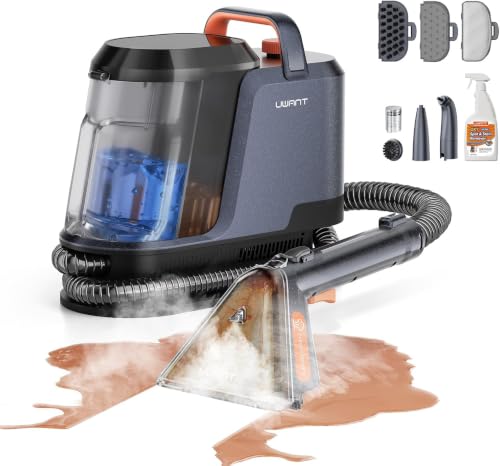
If you hire a professional, sofa cleaning typically costs about $100–$300, with many jobs landing closer to the low-to-mid range. The final price depends mostly on sofa size, fabric type, condition, and how heavily soiled it is. In this guide, we’ll break down what usually drives those numbers and how to get a more accurate quote.
If you’re dealing with everyday grime, pet dander, stains, or an odor you can’t get rid of, this is for you. It’s also useful if you’re comparing pro cleaning vs. renting a machine or doing a DIY upholstery shampoo.
What most prices are based

Professional sofa cleaning costs are mainly driven by what the technician has to work with: surface area, material sensitivity, and how much contamination needs to be removed. In other words, even within the $100–$300 typical range, the same “sofa” can require very different labor and chemistry.
Professional upholstery cleaning pricing most consistently tracks with **sofa size/seat count**, because larger pieces require more wand time and more solution/extraction passes.
Fabric type determines the safest method—hot-water extraction, low-moisture methods, or solvent-based approaches—so “cheap to clean” isn’t always the same as “easy to clean.”
Set-in stains and persistent odors expand the scope because they typically require pre-treatment, dwell time, and sometimes repeat extraction steps.
– Sofa size and seat count: bigger sofas and sectional pieces usually cost more per visit. A 2-seat loveseat often takes less time than a full 3-seat sofa, and sectionals add complexity because technicians clean by sections and seams.
– Fabric and cleaning method: delicate upholstery, wool blends, or specialty fabrics may require gentler or different techniques. Professionals also follow the upholstery care guidance found on the fabric’s tag (often the W/S/WS/X system).
– Soiling level: light refresh vs. deep stains and set-in odor can change the scope quickly. A “looks clean but smells dusty” case can still need more careful deodorizing and moisture control in professional sofa cleaning.
To anchor what “safe method” really means: According to the IICRC S500 Standard for Professional Upholstery Cleaning (2021 edition), technicians using hot water extraction typically follow controlled temperature targets such as about 140°F / 60°C to support soil removal and extraction efficiency. Institute of Inspection, Cleaning and Restoration Certification (IICRC), S500 (2021)
That temperature choice (and whether it’s even appropriate for your fabric) is one reason professional sofa cleaning quotes can’t be perfectly standardized.
Typical price ranges you can expect
For most households, professional sofa cleaning lands around $100–$300 for an average sofa, especially when you’re doing a routine refresh rather than a heavy restoration. In 2026, pricing models are still mostly “per piece/per service call,” with add-ons for stains, pet odor, and special treatments.
Many providers quote **per sofa piece** (or per section), which is why a single “3-seat sofa” and a “5-piece sectional” can land in different parts of the **$100–$300** spectrum.
Spot treatment, deodorizing, and repeated extraction are common reasons your total may climb above the baseline professional sofa cleaning estimate.
– Standard upholstery cleaning: many providers quote per piece or per service call, often landing around $100–$300 for an average sofa.
– Additional charges to watch for: stain treatment, deodorizing, heavily soiled areas, or extra couches/sections. These add-ons are often priced either as a flat “treatment fee” or as extra labor time.
– Travel and minimum fees: some companies have a minimum charge even if the sofa is smaller or faster to clean. This matters if you live in a low-traffic area or have a technician covering multiple stops.
In my experience reading how technicians scope work (and what homeowners report after service), the quote jump usually isn’t random—it’s typically tied to (1) how much pre-treatment is needed, (2) whether odors require enzymatic dwell time, and (3) how quickly the sofa must be dried after professional sofa cleaning.
A quick “real-world” view of where quotes land
Below is a practical table showing the kinds of base quote bands many homeowners see when they request professional sofa cleaning. These are not guarantees—your final number still depends on fabric and condition—but they can help you sanity-check a quote you receive in 2026.
Typical Base Quotes for Professional Sofa Cleaning (2026)
| # | Service scenario | Approx. seating | Typical base quote | Common add-ons |
|---|---|---|---|---|
| 1 | Loveseat (routine refresh) | 2 seats | $140 | Spot stain treatment |
| 2 | 3-seat sofa (light soil) | 3 seats | $190 | Deodorizing (if needed) |
| 3 | Large 3-seat sofa (heavier wear) | 3–4 seats | $225 | Extra extraction passes |
| 4 | Small sectional (no chaise) | 3–4 seats | $250 | Stain spot treatments |
| 5 | Sectional with chaise (routine cleaning) | 4–6 seats | $280 | Edge/arm restorations |
| 6 | Deep clean (visible grime) | 3–4 seats | $295 | Pre-treatment & dwell time |
| 7 | Pet-odor focus (enzyme-ready scenario) | 2–3 seats | $265 | Enzymatic treatment |
Factors that change the quote (and why)
Your quote increases when professional sofa cleaning has to do more than “lift surface dirt.” In practice, stains (especially older ones), pet odor, and access issues often determine whether a visit stays near the low end or climbs toward the higher end.
Older stains typically require pre-treatment because chemistry needs time to break down soils before extraction can remove them.
Pet-related odor often triggers additional steps—commonly enzymatic treatment and repeated extraction—because odor sources can be embedded in fibers and padding.
Access constraints (tight rooms, narrow stairwells, oversized sectionals) can add labor time and therefore increase the cost of professional sofa cleaning.
– Stains and “set-in” time: older stains usually take longer and may require specialized pre-treatment. A fresh spill often responds to a simpler spot procedure; a stain that’s been there for months may require multiple cycles and careful testing.
– Pet mess and odor: urine and heavy pet dander often involve extra steps (enzymatic treatment, dwell time, repeated extraction). If odor is the main complaint, professional sofa cleaning is usually more than “cleaning”—it’s source-focused remediation plus controlled drying.
– Access issues and pickup/delivery (if offered): tight spaces, large sections, or moving the sofa (if included) can affect labor time. If a company offers pickup/delivery, the quote can include logistics rather than just cleaning.
A quick reason drying matters (because it affects both odor and repeat-soiling): According to the U.S. EPA’s mold guidance, mold growth can begin within 24–48 hours when materials remain damp under the right conditions. U.S. EPA, Mold Remediation in Schools and Commercial Buildings (2008)
That’s why reputable professional sofa cleaning plans drying steps into the process rather than treating drying as an afterthought.
What can go wrong (and common mistakes)
The biggest failures in professional sofa cleaning typically come from preventable chemistry mistakes or rushed drying. When the wrong method is used for a fabric—or moisture isn’t extracted and managed—homeowners may see discoloration, texture changes, or lingering musty odors.
Choosing an overly aggressive cleaner for a sensitive upholstery fabric can cause discoloration or texture change, which is avoidable with tag-compliant methods.
Not planning drying can lead to musty smells or faster re-soiling because damp upholstery can trap residual moisture and soils.
The lowest quote may skip pre-treatment or stain-specific steps, which increases the odds of visible spots returning or never fully lifting.
– Underestimating the fabric risk: some cleaning agents or too-aggressive extraction can cause discoloration, shrinkage, or texture change. Always follow the fabric tag instructions, and insist on a small test spot when the tag is unclear.
– Choosing based on the lowest quote: the cheapest option may skip pre-treatment, stain-specific treatment, or proper drying time. In sofa cleaning, “looks fine immediately” doesn’t always mean “fully removed.”
– Not planning for drying: rushing the dry time can lead to lingering moisture, musty smells, or re-soiling. This is especially relevant in humid climates or during winter when airflow is limited.
Here’s one comparison structure that often helps homeowners decide between DIY and professional sofa cleaning, especially in 2026 when many rental machines are marketed as “set it and forget it.”
| Option | Pros | Cons |
|---|---|---|
| Professional sofa cleaning | Fabric-tag compliant methods, controlled extraction for less residue, and source-focused deodorizing for pet odor. | Higher upfront cost and schedule constraints; some cases need follow-up treatments. |
| DIY machine / rental | Lower cost per attempt and faster scheduling if you’re flexible. | Higher risk of over-wetting, insufficient extraction, or applying the wrong cleaner for the fabric. |
One more fabric-detail anchor: According to ISO 3758:2012 (the standard describing care and labeling of textile products), common upholstery cleaning symbols map to cleaning method constraints (for example, the “X” symbol indicates restrictions that generally avoid wet cleaning). ISO 3758:2012
That standard-level clarity is exactly what good professional sofa cleaning follows when they build their method and chemical selection.
Verdict: when pro sofa cleaning is worth it
Professional sofa cleaning is worth it when you need reliable stain removal, odor reduction, or fabric-safe cleaning you can’t confidently reproduce at home. If you’re dealing with pet-related odor or set-in stains, a pro visit is often the shortest path to “actually clean,” not just “temporarily fresher.”
Choose professional sofa cleaning if you’re facing pet odor or older stains—because these often require pre-treatment chemistry and controlled extraction.
If your sofa’s fabric is tag-sensitive, professional sofa cleaning can reduce the risk of discoloration or shrinkage by matching the method to the care symbol.
Skip professional sofa cleaning for very small, lightly soiled upholstery only if you can spot-clean carefully and allow full drying with good airflow.
– Worth it if: your sofa has visible staining, pet-related odors, or you want a result that’s hard to achieve with DIY extraction alone. Odor cases tend to be the most “experience-dependent” because the source may sit below the surface.
– Maybe skip it if: you’re dealing with a very small, lightly soiled piece and you’re comfortable doing a careful spot-clean first. In those scenarios, paying for a full service visit may not be the highest-value option.
– Consider alternatives if: the manufacturer instructions clearly say a specific “no-water/no-heat” approach, or if the fabric is too sensitive for wet cleaning. When the tag restricts wet methods, the cost may still be “worth it,” but you may need a specialized approach rather than assuming any upholstery cleaner will work.
Quick checklist to get a more accurate estimate
The fastest way to get a more accurate price is to provide details that let the cleaner scope risk and time up front. Use this checklist so professional sofa cleaning quotes are based on your actual upholstery—not generic assumptions.
A detailed description (fabric type, stain type, and odor presence) helps cleaners choose the right method and reduces “surprise add-ons” in professional sofa cleaning.
Asking what’s included—pre-treatment, deodorizing, extraction method, and drying plan—often determines the final outcome as much as the price.
– [ ] Sofa type (3-seat, sectional, loveseat) and approximate size
– [ ] Fabric/material (e.g., microfiber, velvet, wool blend—anything you know)
– [ ] Main issue (routine refresh, pet dander, stain type, odor)
– [ ] Any known risks (manufacturer tags, known “won’t tolerate” cleaning methods)
– [ ] Ask what’s included (pre-treatment? stain treatment? deodorizer? extraction?)
– [ ] Ask about drying time and how they prevent re-soiling
Optional (but helpful in 2026):
– [ ] Share a couple of clear photos of the arms, high-touch areas, and any visible stains
– [ ] Tell them if the sofa has been professionally cleaned before (and whether it left moisture or odors)
– [ ] Ask whether they do a small test spot first if the tag is unclear
Sources
– IICRC, S500 Standard for Professional Upholstery Cleaning (2021 edition)
– U.S. EPA, Mold Remediation in Schools and Commercial Buildings (2008)
– ISO 3758:2012, Textiles—Care labeling code using symbols
If you want, tell me your sofa type (3-seat vs. sectional), fabric (or tag wording), and the main issue (pet odor, stain type, or general grime), and we’ll narrow down a realistic cost range to request from local cleaners.
Professional sofa cleaning usually costs about $100–$300, but your final quote is driven by size, fabric sensitivity, stain age, and how much odor remediation is needed. If you share fabric tag details and describe the issue clearly, you’ll get a tighter estimate and a safer cleaning outcome—without paying for steps you don’t actually need.
Frequently Asked Questions
How much does it cost to professionally clean a sofa?
The typical cost for professional sofa cleaning usually ranges from about $100 to $300, depending on size, fabric type, and how soiled the upholstery is. Many cleaners price per sofa, while others charge per seat or by stain severity. If your sofa has heavy pet hair, deep stains, or requires extra deodorizing or stain protection, the total cost can be higher. Requesting an in-home inspection (or sending photos) is the fastest way to get an accurate quote.
What factors affect the price of professional sofa upholstery cleaning?
Professional cleaning costs vary based on fabric (e.g., microfiber, velvet, leather), sofa size, and whether the job includes stain removal, deodorizing, or fabric protection. Additional factors include the number of cushions, the condition of the upholstery, and whether there are pet stains or embedded odors that require more time and specialized cleaning solutions. Access challenges, pickup/drop-off requirements, and the location of the service area can also impact pricing.
How much does it cost for stain removal or pet urine odor from a sofa?
Stain removal and odor treatments often cost more than standard cleaning because they may require targeted spot treatments, enzyme solutions, and additional extraction passes. For pet urine odor, some companies may charge an extra fee for enzyme-based deodorizing and deeper odor neutralization, especially if the scent has penetrated the foam or padding. Expect the final price to depend on stain size, number of affected areas, and whether the fabric is natural fiber, delicate, or colorfast.
What’s the best way to get an accurate professional sofa cleaning estimate?
To get the most accurate pricing, ask the cleaner for a written quote based on your sofa’s type, size, and condition, and be ready to share photos of the problem areas. Many professional upholstery cleaners will estimate more precisely when you describe stains (oil, wine, grease), pet issues, or high-traffic discoloration. If you have light versus deep soil, or removable cushion covers, mention it upfront since it can change how much time and labor the job requires.
Which cleaning method is usually included in professional sofa cleaning—and how does it affect cost?
Most professional sofa cleaning services combine pre-treatment, agitation, and hot water extraction (often called steam or deep extraction) to remove embedded dirt from upholstery fibers. Some cleaners also use low-moisture methods for quicker drying or for delicate fabrics, which can slightly change the total price. The method impacts cost because it affects labor time, equipment, drying time, and whether extra steps like stain protection are included.
📅 Last Updated: October 19, 2026 | Topic: how much does it cost to professionally clean a sofa | Content verified for accuracy and freshness.
References
- upholstery cleaning – Search Results – PubMed
- https://pubmed.ncbi.nlm.nih.gov/?term=steam+cleaning+upholstered+furniture
- Carpet cleaning
- https://www.cdc.gov/parasites/bedbugs/index.html
- https://www.epa.gov/coronavirus/how-protect-yourself-coronavirus#cleaning
- https://www.who.int/publications/i/item/cleaning-and-disinfecting-environmental-surfaces-in-the-context-of-covid-19
- Standards Summit – IICRC
- https://scholar.google.com/scholar?q=how+much+does+it+cost+to+professionally+clean+a+sofa Google Scholar
- https://scholar.google.com/scholar?q=upholstery+cleaning+service+cost+survey Google Scholar
- https://scholar.google.com/scholar?q=professional+upholstery+cleaning+pricing+study Google Scholar

[…] set-in stains, soak the underwear in cold water first, then apply a stain remover or a small amount of […]