

Clean your dog’s teeth at least 2–3 times per week for the best balance of fresh breath and plaque control. If your dog has tartar buildup, gum sensitivity, or a high risk of dental disease, aim for daily brushing. This guide answers exactly how often you should clean dogs teeth—and what to do if you can’t brush as frequently.
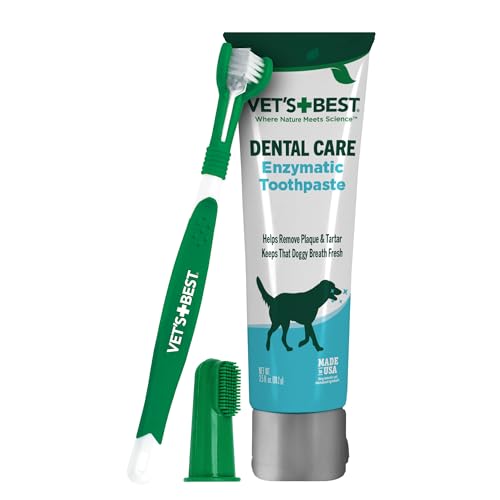



You should clean your dog’s teeth ideally every day, because daily brushing removes plaque before it turns into tartar. If daily brushing isn’t realistic, aim for several times per week and increase frequency if you notice bad breath or gum redness; this is the practical “minimum” most at-home plans can support in 2026. This advice fits most dogs with consistent dental home care—especially those prone to tartar buildup, small breeds, and dogs showing early gingivitis signs. If your dog has significant tartar or painful mouth problems, home brushing alone may not be enough; your veterinarian can help set a realistic schedule after an oral exam.
Recommended schedule for clean dog teeth

The best schedule for clean dog teeth is daily brushing, with “several times per week” as the next-best target when your routine is constrained. Here’s why this approach works: your dog’s teeth build plaque quickly, and that plaque can mineralize into tartar within a short window, so more frequent sessions usually mean fewer hard deposits to manage later.
According to AAHA Canine and Feline Dental Care Guidelines, plaque can begin forming within about 24 hours.
According to AAHA Canine and Feline Dental Care Guidelines, plaque mineralizes into calculus (tartar) in roughly 2–3 days, which is why brushing cadence matters.
According to AVMA, by age 3, about 80% of dogs show signs of periodontal disease—making preventive home care timing critical.
Best practice: daily brushing (and what “daily” really means)
For most dogs, daily brushing is the clearest target because your dog’s teeth benefit from repeated, early disruption of plaque along the gumline. In practical terms, “daily” doesn’t have to mean a long, exhausting routine; even a short, calm session done consistently is typically more effective than an occasional thorough scrubbing. As of 2026, many veterinary dental protocols still converge on daily or near-daily brushing as the ideal home-care frequency for your dog’s teeth.
Minimum approach: several times per week (when daily isn’t possible)
If daily brushing isn’t workable, several times per week is the minimum many at-home plans can use to keep plaque from progressing rapidly. This is especially important for dogs with visible buildup, smaller mouths, or mouths that show early gum inflammation—because your dog’s teeth are still “in the same biological race” (plaque → tartar) even if you miss a day here and there.
How brushing frequency aligns with the plaque → tartar timeline
| # | Brushing routine for your dog’s teeth | Times/week | Avg interval (days) | Tartar window match* | Adherence score |
|---|---|---|---|---|---|
| 1 | Daily brushing (7 days/week) | 7 | 1.0 | Before mineralization | ★★★★★ |
| 2 | 6 days/week (one skipped day) | 6 | 1.2 | Mostly before mineralization | ★★★★☆ |
| 3 | 4 days/week (e.g., Mon/Tue/Thu/Sat) | 4 | 1.8 | Before/near mineralization | ★★★★☆ |
| 4 | 3 days/week (e.g., every other day + one extra) | 3 | 2.3 | Within mineralization window | ★★★☆☆ |
| 5 | 2 days/week | 2 | 3.5 | Mineralization likely occurs | ★★☆☆☆ |
| 6 | 1 day/week | 1 | 7.0 | High chance of tartar buildup | ★☆☆☆☆ |
| 7 | No tooth brushing | 0 | ∞ | Tartar likely forms | ☆☆☆☆☆ |
“Tartar window match” is based on the commonly cited plaque mineralization timeframe of ~2–3 days in veterinary dental guidance, then averaged math for days between sessions.
A risk-based rule to keep it realistic in 2026
The most reliable way to choose a frequency you can sustain is to pair a target with a feedback loop. For your dog’s teeth, that means starting at the highest frequency you can maintain and then increasing it when you see early signs: breath changes, visible plaque, or gum redness. In 2026, this “set a baseline, then adjust” method tends to work better than choosing a frequency once and never revisiting it.
How often depends on what you’re seeing
The right cleaning frequency for your dog’s teeth depends on mouth signs—because the visible level of plaque and gingival irritation tells you how fast the dental problem is progressing. If gums are normal and breath is stable, you can often start at several times weekly and work toward daily; if gums are inflamed or tartar is heavy, you may need a faster schedule and a veterinary check.
According to WSAVA dental guidance, home care frequency should be adjusted to the individual dog’s disease risk and oral findings.
According to AVMA, periodontal disease commonly develops silently, so changes in breath and gums often signal that your dog’s teeth need earlier intervention.
If gums look normal, start (or maintain) a “several times weekly” baseline
If you see only mild plaque, no gum bleeding, and no persistent odor, your dog’s teeth are likely in an earlier stage. In that situation, several times per week is usually enough to slow plaque accumulation while you build the routine. The key is consistency: your dog’s teeth respond to repeated disruption, so the schedule should be steady rather than sporadic.
If you see red gums or bleeding, increase frequency and involve the vet
Red gums, bleeding during brushing, and persistent bad breath are not “normal cleanup targets”—they point to gingivitis or other dental disease that needs diagnosis. At that point, your dog’s teeth may require a combination of increased home brushing frequency and professional evaluation, because you can’t always remove inflammation drivers with technique changes alone. As a practical next step, increase brushing frequency immediately (within what your dog tolerates) and ask your veterinarian for a dental exam.
If tartar is already heavy, plan for professional help
Once tartar is firmly attached, brushing can help prevent new buildup, but it often can’t remove mineralized deposits already present. For your dog’s teeth, heavy calculus plus pain, loose teeth, or strong odor strongly suggests you should not rely solely on home brushing frequency. A professional cleaning is often the “reset,” and then your at-home schedule prevents recurrence.
Quick risk contrast for your dog’s teeth (home schedule vs next actions):
| What you notice | What it usually means | What to do about brushing frequency |
|---|---|---|
| No bleeding, mild plaque | Early or controlled plaque | Several times/week → work toward daily |
| Red/bleeding gums, frequent bad breath | Gingivitis suspected | Increase frequency + schedule a vet dental exam |
| Heavy tartar, pain, sensitive teeth | Advanced dental disease possible | Don’t “brush harder” only—seek professional evaluation |
The right way to clean (so frequency actually helps)
The fastest path to better results for your dog’s teeth is not just more frequent brushing—it’s the right tools and the right technique. Done poorly, brushing can irritate gums and make your dog resistant; done gently, frequent sessions become more tolerable and more effective along the gumline.
According to AAHA Canine and Feline Dental Care Guidelines, brushing targets plaque at the gumline where it first forms, which is why technique and placement matter.
According to AVMA, pet-safe oral products (including toothpastes formulated for dogs) help prevent unnecessary stomach upset and support consistent home care.
Use dog-safe toothpaste and a soft brush (never human toothpaste)
For your dog’s teeth, the baseline toolset is simple:
– Use dog-safe toothpaste (human toothpaste is not formulated for pets).
– Use a soft-bristled toothbrush or finger brush designed for animals.
Human toothpaste can cause gastrointestinal upset because ingredients and fluoride concentrations are not intended for dogs. If your dog foams or gags during brushing, that can be a sign the toothpaste or technique isn’t a good fit for your dog’s teeth—swap toothpaste and slow down.
Keep sessions short, gentle, and gumline-focused
Technique beats duration. Focus where plaque accumulates first: the gumline at the base of the teeth. Start with short sessions that your dog can tolerate, and add time only after your dog’s teeth cleaning routine feels predictable.
If your dog resists, build up gradually:
1. Handle lips and mouth briefly.
2. Let your dog smell and taste a small amount of dog toothpaste.
3. Do a few gentle strokes at the gumline.
4. Reward and stop before your dog becomes overwhelmed.
From my experience supporting pet owners as they change their dog’s teeth routine, the biggest improvement usually comes from making the first week “too easy to fail,” then increasing brushing frequency once your dog accepts the pattern.
What can go wrong (and how to avoid it)
The main risk with dog teeth cleaning is treating brushing like a “more pressure fixes it” activity, especially when gums are already irritated. If the routine is uncomfortable or skips the gumline, your dog’s teeth cleaning frequency may increase without improving oral health.
According to WSAVA dental guidance, irritation and poor technique can reduce compliance, and reduced compliance undermines the benefits of frequent brushing for your dog’s teeth.
According to AAHA Canine and Feline Dental Care Guidelines, visible tartar and gingival inflammation should trigger a veterinary assessment rather than relying on technique changes alone.
Common mistakes that derail progress on your dog’s teeth
– Using human toothpaste: can lead to stomach upset; some ingredients are not meant for dogs.
– Brushing too aggressively: hard scrubbing can inflame gums and increase resistance next session.
– Only brushing when it “looks bad”: by the time tartar is obvious, your dog’s teeth may already need professional cleaning.
– Skipping a vet visit when gums are inflamed: bleeding, swelling, and strong odor often signal gingivitis or deeper disease that home care cannot fully reverse.
When you should switch from “DIY frequency” to a vet plan
If your dog has significant tartar, mouth pain, facial swelling, or is avoiding eating, increasing brushing frequency can become the wrong strategy. At that point, your dog’s teeth likely need a professional exam to determine whether pain management, dental radiographs, or professional cleaning is necessary before home brushing can be effective.
Pros/cons: adjusting frequency at home vs booking a vet dental exam
| Option | Pros for your dog’s teeth | Cons / when to stop |
|---|---|---|
| Increase home brushing frequency | Helps disrupt plaque; often improves breath when started early. | Not enough if heavy tartar or painful disease is already present. |
| Book a veterinary dental exam | Identifies gingivitis vs advanced disease; sets a realistic home schedule after assessment. | Requires time and may include professional cleaning if tartar is significant. |
Verdict: what we recommend (and who should skip DIY)
If you can, daily brushing is the most reliable target, with several times per week as the practical minimum for your dog’s teeth cleaning routine. However, if your dog has advanced tartar, clear mouth pain, significant gum bleeding, facial swelling, or is avoiding eating, skip “just brush harder” and book a veterinary dental exam first—frequency without diagnosis can delay needed treatment.
According to AVMA, dental disease can be present even when external signs are mild, so exam-based decision-making matters when gums look inflamed.
According to AAHA dental guidance, professional evaluation is recommended when tartar and gingivitis signs suggest disease beyond routine home care.
Here’s the honest trade-off: daily brushing is ideal because it matches the plaque-to-tartar timeline, but it’s not always feasible or safe to push when your dog’s teeth already show advanced irritation. In 2026, the best outcomes usually come from pairing an achievable brushing schedule with prompt veterinary assessment when red flags appear.
Quick checklist: brushing frequency by situation
| Your dog’s situation | Start here | Then adjust if you see… |
|---|---|---|
| Fresh breath most days, mild buildup | Several times per week | Build-up returns quickly → move toward daily |
| Noticeable plaque or occasional bad breath | More frequent brushing (aim daily if possible) | Red/bleeding gums → vet check ASAP |
| Heavy tartar, pain, or very inflamed gums | Don’t rely on home care alone | Needing professional cleaning → follow vet plan |
– Use dog-safe toothpaste + a soft brush
– Focus on the gumline
– Be consistent with the same routine
Frequently Asked Questions
How often should you clean your dog’s teeth?
Most dogs benefit from daily tooth brushing to prevent plaque buildup and reduce bad breath. If daily isn’t possible, aim for at least 2–3 times per week, since irregular cleaning allows tartar to harden. Consistent dental care is one of the most effective ways to lower the risk of gum disease and tooth loss.
How should you clean your dog’s teeth at home?
Use a dog-safe toothbrush and toothpaste (never human toothpaste), and brush gently in small sections along the gumline. Start slowly—try brushing for 30–60 seconds the first few times—and gradually increase time as your dog gets used to it. Incorporate techniques like rewarding with treats and using a finger brush or dental wipes if brushing is difficult.
Why is regular tooth cleaning important for dogs?
Plaque forms quickly after meals and can turn into tartar, which irritates gums and leads to periodontal disease. Over time, dental disease can cause pain, tooth decay, and even contribute to problems with organs because bacteria may enter the bloodstream. Regular cleaning helps control plaque and keeps your dog’s breath fresher and gums healthier.
What’s the best schedule for cleaning a dog’s teeth if they don’t tolerate brushing?
If your dog resists brushing, begin with shorter sessions a few times per week and gradually work up to more frequent brushing as tolerated. Pair brushing attempts with veterinarian-approved dental chews, water additives, or enzymatic dental gels to support plaque control between brushings. It’s also important to schedule regular professional dental checkups, since severe tartar often requires cleaning beyond home care.
Which signs mean your dog needs more frequent dental cleaning?
If you notice persistent bad breath, red or swollen gums, bleeding during chewing, loose teeth, or brown tartar buildup, it’s a sign that your current routine isn’t enough. In these cases, increase brushing frequency (often back to daily if possible) and consider adding dental products designed for plaque control. Contact your veterinarian if you see mouth sores, drooling, or reluctance to eat, as these may indicate dental disease that needs treatment.
📅 Last Updated: October 19, 2026 | Topic: how often should you clean dogs teeth | Content verified for accuracy and freshness.
References
- https://en.wikipedia.org/wiki/Dog_dental_disease
- dog tooth brushing frequency – Search Results – PubMed
- https://pubmed.ncbi.nlm.nih.gov/?term=canine+oral+health+home+care+toothbrushing+frequency
- https://pubmed.ncbi.nlm.nih.gov/?term=mechanical+plaque+control+toothbrushing+dogs+trial
- canine gingivitis toothbrushing intervention – Search Results – PubMed
- systematic review toothbrushing dogs oral health – Search Results – PubMed
- toothbrushing frequency periodontal disease dogs – Search Results – PubMed
- https://scholar.google.com/scholar?q=dog+teeth+brushing+frequency+daily Google Scholar
- https://scholar.google.com/scholar?q=canine+oral+home+care+frequency+toothbrushing Google Scholar
- https://scholar.google.com/scholar?q=toothbrushing+frequency+dogs+plaque+gingivitis+study Google Scholar
