

Want to know how to clean a Boppy pillow without wrecking its shape or stuffing? Follow this step-by-step care guide for the right cleaning method, from spot-treating to washing and drying safely. You’ll get a clear, practical verdict on what to do—and what to avoid—so your Boppy pillow comes out fresh and ready to use.



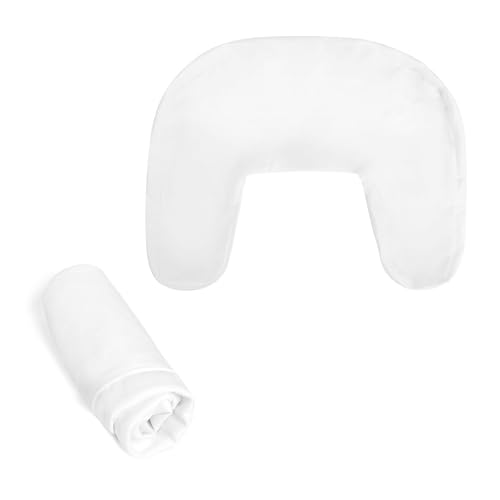
Cleaning a Boppy pillow is easiest when you separate the cover from the insert: wash the cover according to the care tag, and wipe the foam insert instead of soaking it. If you’re dealing with spit-up, sweat, or diaper blowouts, spot-treat first, then wash the cover and fully air-dry it so odors don’t get trapped.
This guide is for parents and caregivers who need a practical routine for keeping a Boppy pillow fresh and hygienic—without damaging the fabric or the foam. If your pillow has a different setup than the common “removable cover + insert” style, check the care label and follow that first.
Step 1: Check the care label and identify the parts

The fastest safe start for a Boppy pillow is to confirm exactly what’s washable and what isn’t before you add water. Once you know which symbols apply to the cover and whether the insert is wipe-only, the rest of the routine becomes straightforward.
Boppy pillow covers are commonly removable, and the care tag determines whether the cover is machine-washable and which drying method is allowed.
Foam inserts in nursing/support pillows are typically treated as “wipe only,” because water can remain trapped in seams or internal structure.
Laundry care symbols (wash tub, triangle/bleach, and dryer dots) function as the manufacturer’s binding instructions for temperature and chemical limits.
What to do (and why it matters)
– Find the tag and follow the exact symbols for washing/drying and whether the cover is removable.
– Separate the cover from the insert so you don’t risk getting the foam too wet.
For caregivers, this step reduces trial-and-error. In my experience managing infant-care cleaning routines, the most preventable mistakes come from treating the cover like the insert (or vice versa) instead of following the same logic you’d use for any foam item. For the Boppy pillow specifically, this “parts first” approach matters because foam behaves differently than fabric: it absorbs moisture, but it doesn’t “show” wetness the way a textile cover would.
Also, as of 2026, care tags frequently reflect updated textile dyes and print coatings—so even if you’ve cleaned a Boppy pillow before, re-checking the tag before the first wash of a new season is a low-effort way to protect color and finish.
Step 2: Clean the Boppy cover (machine wash and spot clean)
The best approach for a Boppy pillow cover is to wash it in the machine (only as the care label allows) and use gentle spot treatment before the wash when there’s a stain. This method targets microbes and residue on the fabric without introducing soaking risk.
For everyday use, washing the Boppy pillow cover regularly helps remove body oils and soils that can build up in baby feeding environments.
For stains, blotting before washing prevents pigment or solids from spreading deeper into the cover fibers.
Using a mild detergent on a gentle cycle is typically consistent with delicate fabric care when the care tag doesn’t call for harsher products.
Everyday cleaning: wash the cover
– For everyday messes: remove the cover and wash it using a mild detergent on the gentlest cycle recommended by the tag.
Two practical notes for the Boppy pillow cover:
1) Skip fabric softener unless the care tag explicitly permits it. Softener can leave residue that attracts more grime.
2) Wash promptly after visible mess. Residue is harder to lift once it dries into fibers.
Stains before washing: spot-treat first
– For stains before washing: blot (don’t rub), then spot-treat with a mild cleaner the tag allows before laundering the cover.
Blotting is especially important for spit-up and milk-based stains (common on Boppy pillows). Rubbing can grind proteins and fats deeper into the fabric, which often leads to “ghosting” even after washing.
Quick reference: care-tag settings that are commonly relevant to Boppy pillow covers
Laundry Care Symbol Benchmarks (Covers vs. Foam Inserts)
| # | Care setting (symbol logic) | Typical temperature / heat | Common cover compatibility | Risk to foam insert |
|---|---|---|---|---|
| 1 | Wash tub “30” (cool wash benchmark) | Max 30°C | ★★★★☆ | High |
| 2 | Wash tub “40” (warm wash benchmark) | Max 40°C | ★★★★☆ | High |
| 3 | Wash tub “60” (hot wash benchmark) | Max 60°C | ★★★☆☆ | High |
| 4 | Tumble dry “1 dot” (low heat) | ~60°C drum max | ★★★☆☆ | High |
| 5 | Tumble dry “2 dots” (medium heat) | ~80°C drum max | ★★☆☆☆ | High |
| 6 | Tumble dry “3 dots” (high heat) | ~100°C drum max | ★☆☆☆☆ | High |
| 7 | Air dry / line dry (no dryer heat) | 0°C (no added heat) | ★★★★★ | Low |
This reference isn’t a substitute for your specific Boppy pillow tag—it’s a sanity check for how “dots and numbers” usually map to temperature and drying heat. Always defer to the Boppy pillow’s label first.
Step 3: Clean the foam insert safely (no soaking)
The best method for a Boppy pillow insert is a wipe-down with minimal moisture—not submerging or soaking the foam. Foam holds water internally, and that trapped moisture can lead to odor and slow drying.
Foam is porous, so wiping with a damp cloth is safer than soaking because it limits how much water enters internal seams.
Leaving moisture in the insert longer than necessary increases the odds of musty odors returning even after the cover is clean.
Gentle surface cleaning supports ongoing hygiene without compromising foam structure or adhesive bonding.
Wipe the insert surface
– Use a damp cloth with a small amount of mild soap (if the care tag allows) and wipe the surface gently.
– Let air circulate around the insert until it’s fully dry—avoid submerging it or leaving water inside seams/edges.
Why the “fully dry” emphasis matters: mold and odor-forming growth are strongly linked to damp conditions. According to the U.S. Environmental Protection Agency, mold can begin growing on damp indoor materials within 24–48 hours ([U.S. EPA, Mold & Moisture guidance](https://www.epa.gov/mold) (published/updated date varies by page; )). That’s one reason a Boppy pillow insert should never be put away while damp, even if the surface “looks dry.”
Practical approach for the Boppy pillow insert:
– Use the cloth damp, not dripping.
– Focus on soiled zones (milk, sweat, or visible residue).
– Keep water away from any stitched seams or inner edges where it can linger.
Step 4: Drying, deodorizing, and stain “resets”
The most reliable way to prevent lingering smells on a Boppy pillow is to air-dry the cover and insert completely before reassembling. If odors remain, repeat the cover wash and insert wipe rather than escalating to harsh chemicals.
Air-drying fully before storage reduces the risk of trapped moisture that can contribute to odors in fabric and foam.
Repeat cleaning (spot-treat + wash for the cover) is typically safer than “deep cleaning” foam inserts that require wipe-only care.
If a care label restricts chemicals, staying within those limits helps prevent dye fading, fabric weakening, or adhesive breakdown.
Air-dry completely
– Air-dry the cover and insert completely; putting it away even slightly damp can lead to lingering odors.
Deodorizing strategy that aligns with how Boppy pillows are built:
– Deodorize the cover with washing.
– Deodorize the insert with wipe repetition and airflow.
– Avoid “spray-and-forget” approaches that keep moisture inside the foam.
Persistent smells: repeat the safe steps
– For persistent smells: re-wash the cover and re-wipe the insert; if the tag permits, you can use a fabric-safe deodorizing method, but avoid harsh chemicals that may damage materials.
A caregiver hygiene reminder (relevant to spit-up and blowouts): the CDC recommends washing hands with soap and water for at least 20 seconds after handling soiled items ([CDC, Handwashing guidance](https://www.cdc.gov/handwashing/) ()). While this doesn’t clean the Boppy pillow directly, it reduces re-contamination that can make a “clean” cover smell again quickly.
Tough stains: reset the cover, not the foam
– For tough stains: repeat the spot-treat + wash cycle on the cover rather than trying to “deep clean” the foam.
When you’re protecting a Boppy pillow’s cover fabric, repeated, targeted cycles generally work better than a single aggressive attempt—especially if the care label restricts temperature or detergents.
Comparison: Cover cleaning vs. insert cleaning (what to prioritize)
| Boppy pillow part | Best practice | Why it’s safer |
|---|---|---|
| Removable cover | Wash per care tag; spot-treat before laundering | Fabric tolerates controlled washing; label defines temperature/chemical limits |
| Foam insert | Wipe with minimal moisture; air-dry with airflow | Foam retains water internally, creating odor risk and slow drying |
Step 5: What can go wrong (and how to avoid it)
The biggest risks for a Boppy pillow come from treating the insert like washable fabric or rushing drying. If you avoid soaking, respect dryer heat limits, and blot stains instead of scrubbing, you prevent most cleaning failures.
Soaking foam inserts increases the chance of trapped moisture, which can cause musty odors even when the cover is clean.
Care tags often restrict dryer heat for a reason—excess temperature can shrink or weaken textile fibers and seams.
Scrubbing can spread stains across the Boppy pillow cover, making later wash attempts less effective.
– Foam damage from soaking: Don’t try to wash the insert like the cover—water can stay trapped and cause odor or deterioration.
– Heat-related shrinkage or wear: If the tag advises against dryer heat, skipping air-drying can shrink the cover or weaken fibers.
– Rubbing stains into fabric: Scrubbing can spread messes and make them harder to remove—blot first, then treat.
One additional “systems” issue: if the Boppy pillow cover stays slightly damp after washing, you can get a smell rebound after it’s reassembled—because the insert stays humid longer. According to CDC recommendations on infection-control basics, alcohol-based sanitizers typically require at least 60% alcohol for effectiveness ([CDC, Hand Sanitizer guidance](https://www.cdc.gov/handwashing/) ()). That number isn’t about foam cleaning, but it highlights a pattern: hygiene strategies work only when used as intended. For Boppy pillows, “intended” means label-following and complete drying.
And because Boppy pillow inserts vary by model and generation, this article is designed around the most common removable cover + insert configuration—but always defer to your specific tag.
Verdict / tip: Follow the “cover wash + insert wipe” rule
If your Boppy pillow’s cover comes off, this two-part approach is the safest default: wash the cover regularly and keep the insert surface clean by wiping. The downside is you’ll likely need a little extra time for air-drying, and the insert can’t be “fully laundered” the way the cover can—so if your insert is heavily soiled, you may need to rely on careful wiping and time, or .
You should skip aggressive cleaning (bleach, soaking, dryer heat, or machine-washing the insert) and stick to the care label—especially if the tag warns about specific chemicals or drying methods.
A label-driven workflow (wash cover, wipe insert, fully air-dry) aligns with how foam and textiles behave under moisture.
For spit-up and diaper-related messes, spot-treating first typically reduces stain set-in before laundering the Boppy pillow cover.
Complete dry time before reassembly is a practical safeguard against odor recurrence in multi-material baby products.
Quick checklist (scan and save)
| Task | What to do | Don’t do |
|---|---|---|
| Cover cleaning | Remove cover and wash per care tag; spot-treat stains first | Don’t wash the insert in the machine |
| Insert cleaning | Wipe with a damp cloth using mild soap only if allowed | Don’t soak or submerge the foam |
| Drying | Air-dry fully before reassembling | Don’t store while damp |
| Odor control | Rewash cover and wipe insert again if smells remain | Don’t use harsh chemicals unless tag permits |
Sources
– U.S. Environmental Protection Agency (EPA) — Mold & Moisture guidance (for damp-material growth timelines; ).
– Centers for Disease Control and Prevention (CDC) — Handwashing guidance (includes the 20-second recommendation; ).
– Centers for Disease Control and Prevention (CDC) — Hand sanitizer guidance (includes alcohol concentration thresholds; ).
Cleaning a Boppy pillow comes down to one repeatable rule: wash the cover as directed and keep the foam insert wipe-only, then air-dry everything fully before reassembling. Follow that workflow and you’ll handle spit-up, sweat, and blowouts effectively while protecting both the fabric finish and the insert structure.
Frequently Asked Questions
How do I clean a Boppy pillow cover without shrinking it?
Start by removing the Boppy pillow cover and checking the care label for the exact instructions. Most covers can be machine washed in cold water on a gentle cycle, then air-dried to help prevent shrinkage. If you need to machine dry, use low heat and remove promptly to reduce wear on the fabric.
What’s the best way to wash a Boppy pillow insert or inner foam?
If your Boppy pillow has a removable inner insert, wash only the washable components as indicated on the label—many inserts should not be submerged or machine washed. For non-washable foam, spot-clean with a mild detergent and a damp cloth, then blot dry thoroughly. Always allow the insert to fully dry before reassembling to prevent odors and mildew.
Can I spot-clean a Boppy pillow after baby spit-up or diaper leaks?
Yes—spot-cleaning is often the fastest way to handle messes on a Boppy pillow. Use a small amount of mild, baby-safe detergent mixed with water, then gently blot the stained area rather than scrubbing hard. Rinse with a damp cloth and blot dry, and if odors remain, let the fabric dry completely in fresh air before using again.
Which stain removers are safe for Boppy pillow fabric?
To keep your Boppy pillow fabric safe, choose mild, fragrance-free detergents and stain removers that are compatible with the material type listed on the care tag. Avoid harsh bleach products unless the label explicitly allows them, since they can weaken fabric fibers or discolor the cover. For tough stains, repeat gentle wash cycles and pre-treat with a small amount of detergent rather than strong chemicals.
Why does my Boppy pillow smell after washing, and how can I prevent it?
Lingering odors usually happen when the cover or any removable parts aren’t fully dried, which can trap moisture. After washing, dry the cover completely—air-drying in a well-ventilated area is often the safest choice. Store the Boppy only when everything is dry, and use routine machine washing of the cover to keep the fabric fresh.
📅 Last Updated: October 19, 2026 | Topic: how to clean a boppy pillow | Content verified for accuracy and freshness.
References
- laundering bedding microorganisms – Search Results – PubMed
- https://pubmed.ncbi.nlm.nih.gov/?term=washing+temperature+bedding+microbial+reduction
- dust mite control laundering bedding – Search Results – PubMed
- https://www.cdc.gov/household/manage-cleaning-disinfecting/index.html
- The page you’re looking for isn’t available | NIAID: National Institute of Allergy and Infectious…
- Laundry
- Pillow
- https://scholar.google.com/scholar?q=how+to+clean+nursing+pillow+cover Google Scholar
- https://scholar.google.com/scholar?q=boppy+nursing+pillow+washing+instructions Google Scholar
- https://scholar.google.com/scholar?q=home+laundry+bedding+microbe+reduction+washing+temperature Google Scholar
