

You can clean a butt plug thoroughly and safely by following a consistent wash-and-disinfect routine that removes residue without damaging the material. This guide gives clear, step-by-step instructions for washing, disinfecting, and drying your butt plug properly—so you know what to do after each use. If you want the cleanest results, focus on cleaning immediately, using the right cleanser for your material, and finishing with a complete dry before storage.
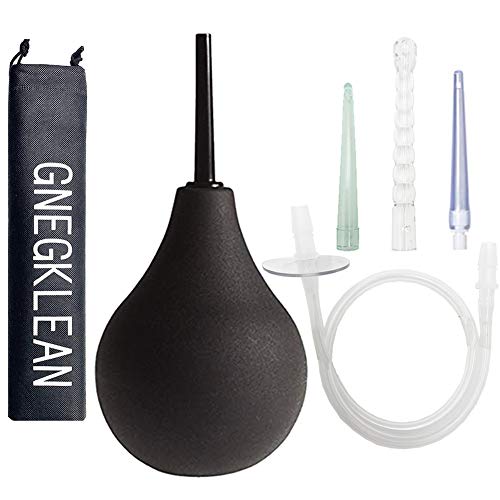



Clean your butt plug by washing it with warm water and mild, unscented soap (or a sex-toy cleaner), then rinse thoroughly and dry completely. If your plug is non-porous (like silicone, glass, or stainless steel), you can also disinfect it according to the material-care instructions before your next use—this guide walks you through the safest routine and what to avoid for different materials.
This is for anyone using a butt plug at home who wants a simple, repeatable cleaning routine—especially if you’re unsure how to handle different materials or disinfecting without damaging the toy.
Quick safety rules before you start

The safest cleaning routine starts with stopping when your body isn’t ready and matching your method to your plug’s material. If you skip those basics, even “perfect” cleaning can irritate tissue or accelerate material damage.
– Stop if there’s irritation or broken skin (cleaning won’t fix underlying soreness—pause use and let things heal).
– Use only toy-safe methods for your material (what works for silicone may damage porous materials).
– Never share a butt plug without cleaning + disinfecting first (and consider using condoms/liners only if your material instructions allow it).
If you have irritation or broken skin, cleaning is not a substitute for letting tissue heal before continuing use.
Manufacturer care instructions are the controlling source for what disinfectants and temperatures are safe for that exact material.
What you’ll need for cleaning
You’ll get the safest result with a few basic, low-residue supplies: warm water, mild unscented soap (or a sex-toy cleaner), and a clean way to dry. This keeps the cleaning process consistent every time and reduces the chance of lingering soap or chemical residue.
– Warm water for rinsing and washing.
– Mild, unscented soap or a sex-toy cleaner that’s designed for hygiene on body-safe materials.
– A soft, clean cloth or dedicated cleaning brush (avoid anything abrasive that could scratch the surface).
– A drying area with clean towels/paper towels (or air-drying on a clean surface).
Using mild, unscented soap reduces the risk of fragrance-related irritation for sensitive anal tissue.
A soft cloth or dedicated brush prevents micro-scratches that can make future cleaning harder.
Step-by-step: clean a butt plug after every use
A repeatable routine is simple: rinse promptly, wash all surfaces, rinse again until there’s no soap left, then dry completely. Here’s the safest step order for a butt plug after each use—focused on thorough hygiene without stressing the material.
– Rinse right away (if possible): briefly rinse to remove any residue before it dries.
– Wash thoroughly: lather mild, unscented soap (or toy cleaner) and clean all surfaces, including the base/contours and any ridges.
– Rinse until no soap remains: rinse with warm water, taking extra care around seams and textured areas.
– Dry completely: pat gently with a clean towel or paper towels, then let it finish air-drying so moisture doesn’t get trapped.
Tip: If your butt plug has a suction cup style, textured areas, or a decorative finish, spend a little extra time on the nooks during the wash and rinse steps.
Soap left behind can irritate sensitive tissue, so rinsing until fully residue-free is part of safe butt plug hygiene.
Complete drying helps prevent odor and residue buildup that can develop when moisture is trapped.
Why “rinse → wash → rinse” matters (and why patience helps)
In my day-to-day routine, the step that most often makes the difference is giving rinsing the time it deserves—especially around contours and seams on a butt plug. If you’re rushing, soap can linger in small textures and later cause discomfort even after the toy “looks clean.”
Also, warm water helps dissolve residue without forcing harsh scrubbing. Avoid abrasive cleaning pads: micro-scratches can increase surface roughness, making it easier for buildup to cling to your butt plug.
Disinfecting (only if it’s allowed for your material)
Disinfecting is optional—but it’s a smart step when your plug’s material allows it and you want extra assurance for thorough hygiene. The key rule: disinfect only according to the manufacturer’s guidance, because some materials degrade or absorb residues from certain disinfectants.
– Follow the manufacturer’s care/disinfection guidance: some materials tolerate disinfectants, while others can absorb residues or degrade.
– Use a disinfecting approach that matches the toy’s material:
– Non-porous toys (commonly silicone, glass, stainless steel): typically allow stronger cleaning/disinfection *if the manufacturer permits it*.
– Porous toys (often some rubbers/jellies/TPE blends): often should not be soaked or disinfected the same way—many care guides recommend gentle washing only.
– Avoid harsh additives unless the label says they’re safe (bleach and abrasive chemicals can damage materials or leave lingering irritation).
CDC/HICPAC’s disinfection guidance notes that alcohol-based disinfectants are commonly used at ~70% concentrations in healthcare settings for effective disinfection.
Healthcare disinfection guidance also emphasizes using disinfectants only as directed, including correct concentration and contact time.
Material reality check: non-porous vs porous (what to do in 2026)
As of 2026, the cleanest approach is still the same: your butt plug’s care label determines what disinfection is safe. In general, non-porous materials (silicone, glass, stainless steel) are easier to disinfect because they don’t have the same absorption risk as porous blends.
For factual anchoring, consider how healthcare guidance treats disinfectants:
– According to the CDC/HICPAC *Guideline for Disinfection and Sterilization in Healthcare Facilities* (2008), alcohol disinfectants are commonly used in the ~70% concentration range in healthcare workflows.
– According to the CDC/HICPAC (2008), sodium hypochlorite (bleach) solutions are used at specific dilutions for disinfection—highlighting why “stronger” is not the same as “safe” for your butt plug.
– According to the WHO *Guidelines on Hand Hygiene in Health Care* (2009), alcohol-based formulations are commonly in the 60–80% range for antimicrobial effectiveness, reinforcing that concentration matters when alcohol is involved.
CDC/HICPAC, 2008 WHO, 2009Non-porous vs porous: practical comparison
Below is a decision-friendly comparison for a butt plug’s disinfection approach.
| Criteria | Non-porous (e.g., silicone, glass) | Porous (e.g., many TPE/jelly blends) |
|---|---|---|
| Residue absorption risk | Lower | Higher (can absorb residues) |
| Typical care label stance on disinfection | Often “allowed” if manufacturer permits | Often “avoid disinfecting/soaking” |
| Best baseline method | Wash + rinse + full drying; disinfect only if approved | Gentle wash + rinse + full drying |
| If you’re unsure | Stay conservative and follow the label | Do not “upgrade” to stronger disinfectants |
Butt Plug Materials: General Disinfection Compatibility (Non-porous vs Porous)
| # | Material family | Porosity (typical) | Routine (soap + water) | Disinfection fit (if label permits) | Forgivingness rating |
|---|---|---|---|---|---|
| 1 | Medical-grade silicone | Non-porous | Yes | Often allowed | ★★★★☆ |
| 2 | Glass | Non-porous | Yes | Often allowed | ★★★★★ |
| 3 | Stainless steel | Non-porous | Yes | Often allowed | ★★★★☆ |
| 4 | Glazed ceramic/stoneware | Non-porous (if fully glazed) | Yes | Sometimes allowed | ★★★☆☆ |
| 5 | TPE (thermoplastic elastomer) | Often porous | Yes | Often limited/avoid | ★★☆☆☆ |
| 6 | Jelly rubber / soft rubber blends | Porous | Yes | Often not recommended | ★☆☆☆☆ |
| 7 | Elastomer/rubber (varies) | Often porous | Yes | Often limited/avoid | ★★☆☆☆ |
Note: This table uses general material behavior; always defer to your butt plug’s specific care label for the exact approved disinfecting steps.
Drying and storage to keep it clean longer
Drying and storage are where hygiene often succeeds—or quietly fails. After you rinse and wash your butt plug, make sure it’s completely dry, then store it in a clean, breathable space so moisture doesn’t invite residue or odor.
– Dry fully before storing: trapped moisture can encourage odor and residue buildup.
– Store in a clean, breathable bag or container: avoid leaving it in a damp bathroom drawer.
– Don’t store it with other toys tightly packed: friction and scratches can make future cleaning harder.
Quick reminder: a squeaky-clean toy that’s stored damp can end up “smelling like it needs another wash” fast—so drying is part of the cleaning process, not an afterthought.
Moisture left in crevices increases the risk of odor and residue buildup over time, even after correct washing.
Storing a butt plug loosely reduces abrasion and helps preserve surface smoothness for easier future cleaning.
What can go wrong (common mistakes and edge cases)
The most common failures come from mismatched cleaners, skipping rinsing, or trying to disinfect materials that shouldn’t be disinfected. If your butt plug looks “clean” but causes irritation or odor quickly, the issue is usually technique or storage—not your intentions.
– Using the wrong cleaner for the material: porous materials can absorb scents/chemicals; some finishes can get cloudy or sticky after harsh products.
– Skipping the rinse: leftover soap can irritate sensitive tissue.
– Not drying fully: moisture can increase odor and residue.
– Applying heat without approval: boiling, hot water, or high-heat drying can warp some toys or damage coatings.
– Trying to disinfect when you shouldn’t:
– If your butt plug is porous and the manufacturer says “no disinfecting,” doing it anyway can make the material worse.
– If you currently have an infection or open irritation, consider pausing use and follow medical guidance rather than “deep cleaning” your way out of discomfort.
If you’re unsure whether your plug is porous or non-porous, treat it conservatively: gentle wash, thorough rinse, and dry—then confirm the material-specific care instructions.
Heat and harsh chemicals are common causes of material warping or coating damage when they’re applied without manufacturer approval.
If your butt plug is porous and disinfecting isn’t permitted, stronger “sanitizing” can worsen absorption and odor retention.
Verdict / tip (honest recommendation + who should skip DIY)
For most non-porous butt plugs, a consistent routine of wash + rinse + complete drying, with disinfection only when your material allows it, is the safest approach. The biggest downside of DIY cleaning is accidentally using a method or chemical that your specific material can’t handle—leading to damage, lingering odors, or irritation.
Skip DIY (or pause and verify first) if:
– The toy’s material is unclear or the label is missing.
– You see cracks, tears, deep pitting, or peeling coatings.
– You’re dealing with active irritation, sores, or suspected infection.
– You’re unsure what disinfectants are approved for that exact toy.
When the care label is missing or unclear, the safest default for a butt plug is gentle soap-and-water washing followed by complete drying.
Visible damage (cracks, peeling, deep pitting) is a hygiene red flag because it can trap residue and increase irritation risk.
Quick checklist (save this)
| Step | Do this | Avoid this |
|---|---|---|
| After use | Rinse to prevent residue drying | Let residue sit and dry |
| Wash | Use mild, unscented soap or toy cleaner | Strong/fragranced cleaners |
| Clean all surfaces | Pay attention to texture/base | Forgetting seams/ridges |
| Rinse | Rinse until no soap remains | Leaving soap residue |
| Disinfect | Only if manufacturer permits | Disinfecting porous materials if not allowed |
| Dry | Pat and fully air-dry | Storing damp |
| Store | Clean, dry storage bag/container | Tight packing with other toys |
Sources:
– CDC/HICPAC, 2008 — Guideline for Disinfection and Sterilization in Healthcare Facilities
– WHO, 2009 — Guidelines on Hand Hygiene in Health Care
– EPA — Disinfectant label use and directions (follow product labeling for concentration/contact time)
When you follow the same wash–rinse–dry routine every time—and only disinfect when your butt plug’s material label says it’s allowed—you reduce irritation risk and help your toy stay hygienic for repeat use, including in 2026 and beyond.
Frequently Asked Questions
What is the safest way to clean a butt plug after use?
Wash your hands first, then rinse the butt plug under warm water to remove any residue. Clean it with a mild, unscented soap or a dedicated sex-toy cleaner, using your fingers or a soft cloth/brush to reach the full surface and any grooves. Rinse thoroughly and dry completely before storage to help prevent irritation and odor.
How do you clean a butt plug without damaging the material?
Follow the manufacturer’s cleaning instructions, since some materials tolerate heat better than others. For most silicone butt plugs, warm water and mild soap are ideal; avoid harsh chemicals and long soaks that can break down the surface. If your butt plug is glass or stainless steel, it’s often safe to boil in line with the product guidelines, but never assume—check first.
Why is it important to clean and disinfect a butt plug regularly?
Proper cleaning helps reduce the risk of irritation and infection by removing bacteria and bodily residue. Even if the plug looks clean, microscopic buildup can remain in texture, seams, or flared designs, especially with porous materials. Regular cleaning also keeps the surface smooth for comfortable use and helps maintain odor-free storage.
What is the best cleaner for a butt plug (soap vs. toy cleaner)?
A mild, unscented soap works well for routine cleaning, especially for non-porous materials like glass and silicone. A dedicated sex-toy cleaner can be a better choice if you want a product designed to thoroughly clean without damaging coatings or textures. Avoid scented body washes, strong detergents, and disinfectants not recommended for sex toys, as they may irritate skin or degrade the material over time.
Which storage and drying method helps keep a butt plug clean longer?
After washing, dry the butt plug completely with a clean towel or allow it to air-dry on a lint-free surface. Store it in a clean, dry pouch or container with a breathable cover if possible, and keep it away from moisture and dust. Avoid storing it while damp, and don’t share your butt plug with others—use a separate, clean one or practice strict cleaning between users.
📅 Last Updated: October 19, 2026 | Topic: how to clean a butt plug | Content verified for accuracy and freshness.
References
- Sex toy
- Anal sex
- https://www.cdc.gov/hygiene/cleaning/index.html
- https://www.epa.gov/coronavirus/disinfecting-your-home
- sex toy cleaning – Search Results – PubMed
- bacterial contamination sex toys – Search Results – PubMed
- https://pubmed.ncbi.nlm.nih.gov/?term=disinfection+sex+toys
- https://scholar.google.com/scholar?q=how+to+clean+butt+plug Google Scholar
- https://scholar.google.com/scholar?q=sex+toy+cleaning+disinfectant+study Google Scholar
- https://scholar.google.com/scholar?q=anal+sex+hygiene+sex+toy+cleaning+silicone+glass Google Scholar
