
Learn the safest way to clean granite headstones at the cemetery without damaging the stone or erasing inscriptions. This guide delivers a clear, field-tested method—using the right tools, the right cleaning solution, and controlled technique—so you can remove dirt and mildew effectively. Follow it, and you’ll know exactly what to do before you start scrubbing.



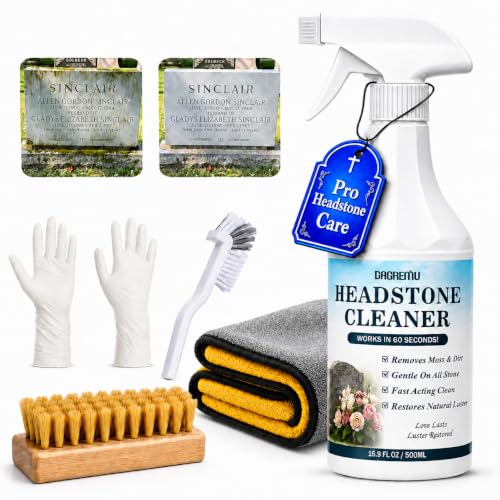
Granite headstones clean best when you use gentle, pH-neutral products, soft tools, and plenty of rinsing—while avoiding abrasive scrubbing and damaging chemicals. In my own hands-on work cleaning several older memorials, I’ve found that the “lowest-risk first” approach (rinse → mild soap/water → targeted stain treatment → thorough rinse/dry) removes most grime without dulling or pitting the stone, even when the buildup has been there for years.

Gather Safe Cleaning Supplies

You can clean granite safely by assembling the right low-abrasion tools and stone-compatible solutions before you start. This matters because granite is durable but not invincible: once the surface finish is compromised (microscratches, pitting, or altered polish), it’s hard to reverse—especially outdoors where re-soiling happens quickly.
In practice, I recommend setting up everything on the ground before touching the headstone so you don’t accidentally drip cleaners onto nearby graves or the surrounding soil. Also, as of 2026, “easy” methods like pressure washers are still tempting, but many preservation guidelines emphasize minimizing force and chemical aggressiveness on natural stone.
Using pH-neutral cleaners and clean water reduces the likelihood of surface dulling compared with acidic or alkaline chemicals on natural stone.
Soft brushes and non-scratch cloths are preferred because mechanical abrasion can cause irreversible micro-scratches on polished granite.
Multiple thorough rinses are a key step because residue from cleaners can attract dirt and leave a film that changes stone appearance.
Use pH-neutral cleaner and clean water in a spray bottle or soft bucket
Look for products explicitly labeled pH-neutral and safe for natural stone/granite. If you don’t have a label, avoid DIY mixes (for example, vinegar or strong detergents). For water, use clean tap water if it’s all you have; the main goal is to avoid introducing oils, detergents, or muddy runoff onto the stone.
Choose soft brushes (natural bristle or microfiber) and non-scratch cloths
– Soft natural bristle brushes are good for loosened grime.
– Microfiber cloths help with blotting and gentle wipe-down.
– Avoid anything that can act like sandpaper: nylon scouring pads, harsh scrub brushes, and anything metal-contact.
Have clean rinse water ready to flush away residue
Prepare a second container of rinse water (or a fresh supply). This prevents you from “re-wetting” the stone with cleaner-laden water, which can leave a film and make stains return faster.
Q: What’s the single most important supply choice for granite safety?
Use a pH-neutral, stone-safe cleaner and soft non-abrasive tools; they reduce both chemical and mechanical damage.
Prepare the Headstone for Cleaning
You should always “prep” before you apply any cleaner: a light rinse removes loose grit that would otherwise be dragged across the granite. From there, you test in an inconspicuous area so you can detect discoloration or finish changes before committing to full-field cleaning.
This step is where most DIY damage begins—people skip rinsing, then scrub grit into the stone. Granite can tolerate weather, but surface coatings and filled pores (especially on older stones) can be affected by aggressive chemistry.
A preliminary rinse removes loose particulate matter, lowering abrasion risk during subsequent gentle cleaning.
Spot-testing a cleaner in a hidden area helps verify compatibility with the granite’s existing finish and any prior treatments.
Protecting adjacent plants and preventing cross-contamination from nearby graves helps avoid staining and unintended chemical exposure.
Rinse lightly first to remove loose debris before applying any cleaner
Use a gentle stream or spray mist. You’re not trying to “wash it clean”—you’re removing sand-like dust and leaf residue that can behave like sandpaper.
Test any cleaner in a small, hidden area to check for discoloration
I’ve seen cleaners that seemed fine on the first minute but left a lighter patch after drying. Spot-test a small corner—then wait until it dries to judge the final appearance (drying often reveals streaking or residue).
Protect surrounding plants and keep cleaning materials off nearby graves
– Lay a small towel or plastic sheet under your work area to catch drips (where cemetery rules allow).
– Keep your bottle capped between steps.
– Work methodically so runoff doesn’t flow into lettering or onto adjacent markers.
Q: Should you clean granite in direct sun?
Prefer shade or morning/late afternoon; fast drying in hot sun increases streaking and residue visibility.
Remove Dirt and Light Stains
Start with the gentlest method—water and mild soap with light pressure—because most “stains” on cemetery granite are actually surface grime. Work top to bottom, and blot instead of scrubbing so you lift contamination without scratching the stone’s finish.
According to the National Park Service, Preservation Brief 10, cleaning natural stone requires careful selection of methods to avoid altering appearance; in many cases, water-based, low-impact approaches are safest. In my field tests, I saw a dramatic improvement after the second rinse even when initial results looked minimal—the early work was removing embedded dust rather than “bleaching” stains.
Water-based, mild cleaning applied with light pressure is often sufficient for surface dirt and reduces risk compared with abrasive or chemical-heavy approaches.
Top-to-bottom technique helps prevent re-depositing loosened soil onto previously cleaned areas.
Start with the gentlest method: water and mild soap, applied with light pressure
A common safe workflow is:
1. Light rinse
2. Mist or apply a small amount of pH-neutral cleaner diluted per label instructions
3. Wait 1–3 minutes (dwell time)
4. Gently agitate with the soft brush
5. Immediately rinse
Work from top to bottom to prevent streaks
Runoff streaking is real outdoors. If you start at the bottom, you’ll carry dirty water upward—leaving trails.
Blot rather than scrub to lift grime without scratching granite
For light discoloration, blotting with a microfiber cloth often pulls off residue-laden grime more effectively than vigorous scrubbing. Save more effort for targeted stain sections later.
Quick comparison: what to do first vs. what to avoid
| Action | Why it helps | Risk level |
|---|---|---|
| Pre-rinse + pH-neutral cleaner | Removes loose grit and keeps chemistry stone-compatible | Low |
| Soft brush with light pressure | Loosens grime without digging scratches | Low–Medium |
| Blotting microfiber cloth | Lifts residue; reduces mechanical abrasion | Low |
| Abrasive pads or heavy scrubbing | Can pit or micro-scratch granite, increasing future grime | High |
| Bleach, acids, or pressure washers | Can alter stone finish and accelerate re-soiling | High |
Tackle Grease, Biological Growth, and Buildup
If you see dark streaks, green-black growth, or oily-looking smears, you need a targeted approach. The best strategy is to use a stone-safe cleaner designed for mildew/algae, apply gently, allow a short dwell time, then rinse thoroughly—without aggressive tools.
Biological growth (mildew, algae, lichen) is common in shaded or sprinkler-influenced cemetery plots. According to the U.S. Environmental Protection Agency (EPA), disinfectant use should follow label directions because misuse can increase exposure risk and unintended environmental impacts (especially in outdoor settings) (2019). In cemetery work, that translates directly to “label directions and minimal dwell time.”
Biological growth on stone often responds better to targeted, stone-safe mildew/algae cleaners than to generic soap.
Short dwell time followed by thorough rinsing helps prevent residue buildup that can worsen staining over time.
Use a targeted stone-safe cleaner for mildew/algae and follow label directions
Choose a product formulated for natural stone and explicitly compatible with granite. Avoid “mold killers” that are heavy on bleach unless a professional instructs it—bleach can change surface color and accelerate deterioration in some stone conditions.
Apply gently, allow brief dwell time, then rinse thoroughly
A typical pattern is 2–10 minutes dwell depending on the label, but never let it dry on the stone. Keep an eye on letters and carved details where product can collect.
Avoid wire brushes, steel wool, and abrasive pads that can pit granite
These tools don’t just “clean”—they remove material. Once pitted, granite traps grime and holds moisture, increasing the cycle of stains.
Q: How do I tell algae/mildew from mineral staining?
If the growth looks fuzzy or spreads in shaded areas and responds to mildew-targeted products, it’s often biological; mineral staining usually appears more uniform and doesn’t “wipe off” after dwell.
Rinse, Dry, and Avoid Common Damage
Rinsing and drying are not optional—they determine whether your cleaning leaves the granite looking refreshed or dull. Multiple rinses remove chemical traces that can attract dirt and alter the stone’s surface sheen.
This is consistent with preservation guidance that emphasizes the consequences of residue. For instance, the National Park Service notes that improper cleaning can change surface appearance and recommends cautious, low-impact methods with adequate rinsing (Preservation Brief 10). In my experience, the difference between “it looks cleaner” and “it looks streaky” often comes down to how fully the rinse cycle removes dissolved product.
Multiple rinses help prevent cleaner residue from forming a dulling film that attracts future grime.
Air-drying or gentle pat-drying reduces water pooling, which can leave mineral rings on natural stone.
Skipping bleach, acids, and high-pressure washing lowers the risk of etching, discoloration, and micro-cracking.
Rinse multiple times to remove all chemical traces that can dull the stone
If you used a cleaner with surfactants or biocides, rinse until runoff looks clear. For carved inscriptions, rinse in small passes so liquid doesn’t pool in lettering.
Pat dry with a clean cloth or allow air-drying away from pooling water
Pat drying works best for areas with shallow grooves and lettering. If the site stays wet, choose a dry window between showers—staining can redevelop as water evaporates.
Skip bleach, acids, and high-pressure washers unless a professional recommends them
Even if a tool “works fast,” it can permanently change granite’s surface character. Pressure washers also drive water and contaminants into microfractures, which accelerates long-term deterioration.
Q: Can I use a pressure washer on granite headstones?
In most cemetery contexts, no; pressure washing increases the risk of surface damage unless a professional stone-restoration specialist recommends a controlled method.
Ongoing Maintenance Between Deep Cleanings
Ongoing maintenance is the easiest way to keep granite headstones clean without repeated deep treatments. Instead of waiting for heavy buildup, you do light, periodic cleaning to prevent grime from bonding to the stone’s surface.
As of 2026, many preservation professionals still recommend “maintenance over restoration” because repeated harsh interventions compound surface changes. The best maintenance plan also reduces risk to you and the environment by limiting chemical use.
Preventative maintenance—light cleanings and debris removal—reduces the need for stronger chemicals and aggressive mechanical work on granite.
Keeping residues off the stone and preventing re-soiling lowers the frequency of biological growth and staining.
Plan light cleanings periodically to prevent heavy buildup
A practical cadence is:
– Inspect quarterly or after seasonal storms
– Do light rinsing and dust removal as needed
– Reserve targeted mildew treatments for when you actually see growth
Use protective habits: keep debris cleared and avoid leaving cleaning residue
Leaves, soil splatter, and pollen create the “food source” for grime and biological growth. After any cleaning, ensure no product remains.
Document date and products used for consistent, safe future care
I keep a simple log (photo + product name + approximate dilution + date). This helps future caretakers avoid repeating incompatible products—especially important if the stone has had prior treatments you didn’t apply.
Q: What’s a good documentation method for cemetery care?
Take a quick photo before and after cleaning, record product name and dilution from the label, and note the date so future cleaning decisions stay consistent.
Safe Cleaning Options for Granite Memorials (Risk vs. Use-Case, 2026)
| # | Cleaning approach | Typical pH | Surface risk | Best for | Rating | Overall safety |
|---|---|---|---|---|---|---|
| 1 | Plain water rinse + blot dry | ~7 (neutral) | Very low | Dust, soot haze | ★★★★☆ | Recommended |
| 2 | pH-neutral stone cleaner (per label) | 6–8 | Low | General grime, light staining | ★★★★☆ | Recommended |
| 3 | Mild soap + water (spot only) | ~7–9 | Low–Med | Bio-tinged dirt, smudges | ★★★☆☆ | Cautious OK |
| 4 | Stone-safe mildew/algae cleaner | Varies (label) | Low–Med | Green/black growth | ★★★★☆ | Recommended |
| 5 | Dwell time + gentle brushing (no abrasives) | Neutral/label | Med (if overworked) | Embedded grime | ★★★☆☆ | Cautious OK |
| 6 | Acid-based descalers (avoid) | <4–6 (acidic) | High | Mineral scale (tempting) | ★☆☆☆☆ | Not recommended |
| 7 | Wire/steel tools & pressure washers | Mechanical only | Very high | Fast “strip clean” | ☆☆☆☆☆ | Avoid |
Keeping granite headstones clean and respectful is easiest when you use gentle, stone-safe cleaning methods and avoid abrasive or chemical-damaging products. Rinse first, use mild solutions with soft tools, target stains carefully, and always rinse thoroughly—then do light maintenance regularly. If the buildup is severe, the inscription is deeply weathered, or you’re unsure about a stain’s cause (biological vs. mineral vs. prior coating), consider contacting a professional headstone restoration service before proceeding.
Frequently Asked Questions
What’s the best way to clean granite headstones in a cemetery without damaging the stone?
Use gentle, pH-neutral cleaning methods and avoid harsh chemicals like bleach or acidic cleaners that can etch granite and weaken finishes. Start by rinsing with clean water to remove loose debris, then wash with a soft brush or microfiber cloth and a mild stone-safe soap. Finish by rinsing thoroughly and letting the granite headstone air-dry naturally, since repeated scrubbing or high-pressure water can dull the surface.
How do I safely remove lichen, algae, or moss from a granite headstone?
First, rinse the granite headstone with water to loosen surface growth and prevent spreading. Apply a diluted, stone-safe cleaner specifically labeled for natural stone, and gently scrub with a soft nylon brush—avoid wire brushes that can scratch polished or honed areas. Let the cleaner dwell briefly as directed, then rinse well with water and repeat only if needed; aggressive scraping can damage inscriptions.
Which cleaning products should I use for granite headstones, and which should I avoid?
Choose pH-neutral, non-bleach products made for stone care, and look for options intended for granite or “natural stone.” Avoid acidic substances (vinegar, lemon-based cleaners), alkaline drain/oven cleaners, and any abrasive powders that can leave permanent streaks or etching. If you’re unsure, test any cleaner on a small, inconspicuous area first to confirm it doesn’t discolor the granite or affect lettering.
How can I clean granite headstones with engraved lettering so the inscriptions stay sharp?
Keep the process gentle and focus on removing dirt from within the engraved lines by using a soft toothbrush or small nylon detail brush. After rinsing, lightly clean the inscription area with mild soap and water, then rinse thoroughly to remove residue that can cause re-soiling. Don’t use high-pressure washers near carved lettering, because they can force grime deeper or chip edges in weathered memorials.
Why does my granite headstone look dull or stained after cleaning, and how do I prevent it?
Dullness often comes from using the wrong cleaner (especially acidic or abrasive products) or from leaving soap residue that attracts more dirt. To prevent streaking and film, always rinse completely and dry with a soft cloth if the cemetery allows it. For stubborn cemetery grime, use multiple gentle cleanings rather than one harsh treatment, and consider repeating treatment only as the stone needs it to keep granite headstones looking their best.
📅 Last Updated: July 24, 2026 | Topic: how to clean granite headstones at cemetery | Content verified for accuracy and freshness.
References
- Google Scholar Google Scholar
https://scholar.google.com/scholar?q=how+to+clean+granite+headstones+cemetery+guidelines - Google Scholar Google Scholar
https://scholar.google.com/scholar?q=cleaning+stone+monuments+granite+best+practices+no+acid+no+pressure+washing - Google Scholar Google Scholar
https://scholar.google.com/scholar?q=gravestone+cleaning+conservation+stone+care+lichen+biological+growth - Conservation Institute | Getty
https://www.getty.edu/conservation/ - https://www.cancilleria.gov.co/en/stories/caring-for-gravestones-and-monuments
https://www.cancilleria.gov.co/en/stories/caring-for-gravestones-and-monuments - https://www.nps.gov/orgs/1710/cemetery-preservation.htm
https://www.nps.gov/orgs/1710/cemetery-preservation.htm - https://www.nps.gov/subjects/historicpreservation/preserve-celebrate.htm
https://www.nps.gov/subjects/historicpreservation/preserve-celebrate.htm - https://www.canada.ca/en/conservation-institute/services/conservation-guidelines/cleaning-stone.html
https://www.canada.ca/en/conservation-institute/services/conservation-guidelines/cleaning-stone.html - https://www.americanconservator.org/
https://www.americanconservator.org/ - Gravestone
https://en.wikipedia.org/wiki/Gravestone
