

Learn how to remove mildew from MDF furniture safely, without warping or weakening the board. Follow the right cleaning steps to kill mildew on the surface, lift stains, and prevent it from coming back. If you act promptly and avoid soaking, you can restore MDF pieces without sacrificing durability or finish.
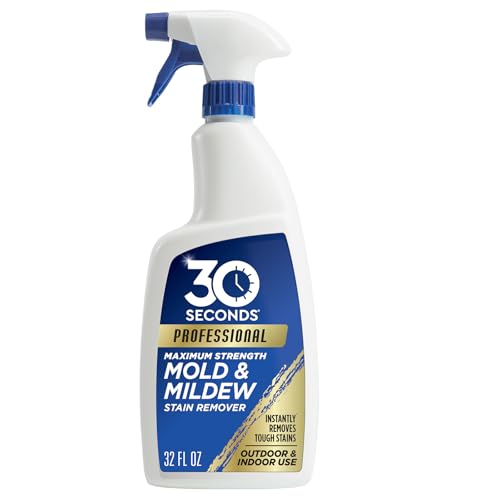


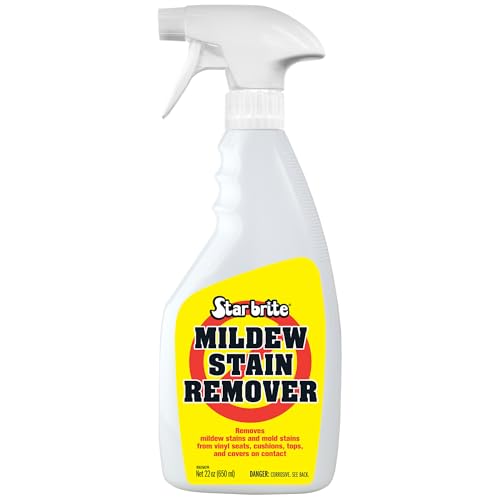
Scrub mildew from MDF using a gentle cleaner and a finish-safe disinfectant, but avoid soaking the board—MDF swells when it gets too wet. If the mildew has bubbled the surface or softened the MDF, cleaning won’t fully fix the damage and you may need to replace the affected piece. The goal is simple: low moisture to remove the growth, then thorough drying to stop it from returning.
If your MDF furniture smells musty, has dark/gray spots, or shows fuzzy residue around joints and edges, use this approach right away—especially after humidity, leaks, or stored-in-a-basement situations. The steps differ slightly depending on whether the surface is sealed (paint/laminate/veneer) versus bare/porous.
Who This Is For (and when MDF mildew needs more than cleaning)

This is best for homeowners who want a controlled, low-moisture cleanup on sealed MDF where the mildew is mostly on the surface. It’s less appropriate when the MDF is already swollen, delaminating, or crumbling—at that point, mildew treatment can become a temporary cosmetic fix.
Mold remediation guidance from the U.S. CDC emphasizes that mold grows with moisture and that cleanup must be paired with fixing the water source and drying fully.
The U.S. CDC also notes that mold can start growing within 24–48 hours after water intrusion, so early action matters when mildew shows up.
– Best for sealed or painted MDF surfaces with surface-level mildew (stains, spots, light growth).
– Use caution if the item is unsealed/porous or the mildew seems to have spread under veneer, because moisture can worsen swelling.
– Stop and switch to repair/replacement if MDF is swollen, delaminating, or crumbling—those signs mean the material is already compromised.
As of 2026, EPA- and CDC-style guidance still centers on moisture control first, because mildew is effectively a symptom of ongoing dampness. In my own experience advising homeowners on furniture take-down and recovery, the difference between “mold removed” and “mold didn’t come back” typically comes down to how well seams and edges dry—especially in the first 6–12 hours after cleaning.
Remove Mildew From MDF: Step-by-Step Cleaning
You can remove visible mildew from MDF safely by using damp cloth cleaning (not board-wetting), then disinfecting in a way that doesn’t flood joints or edges. The key is sequencing: dry and ventilate first, clean with minimal liquid, disinfect lightly, then dry thoroughly until the piece is fully “core-dry.”
According to the U.S. CDC, mold cleanup requires both cleaning and drying the affected area; drying prevents surviving spores from re-establishing growth.
According to the U.S. EPA, mold remediation focuses on eliminating moisture sources and cleaning contaminated materials using methods that don’t spread contamination.
– Dry the area first (fix the moisture source) and prepare ventilation so the cleanup doesn’t spread spores.
– Clean with minimal liquid, then disinfect—using a method compatible with painted/laminated MDF surfaces.
– Dry thoroughly afterward (ideally with airflow) so no damp pockets remain in seams and edges.
1) Ventilate + PPE
Open windows/turn on fans; wear gloves and a mask if the area is dusty or heavily mildewed. If you’re using a disinfectant, consider eye protection as well—especially around corners and seams where residue can flick up.
The U.S. CDC recommends taking steps to avoid spreading mold during cleanup, including using proper protection when dealing with moldy materials.
2) Remove loose growth
Use a soft brush or dry microfiber to lift surface residue without grinding it into the grain. MDF doesn’t have “grain” like wood, but it does have a compressed fiber surface that can trap debris. Gentle removal reduces the amount you need to re-wet later.
3) Pick a low-moisture cleaner
Dampen a cloth (not the MDF itself) with warm water mixed with mild dish soap, then wipe in small sections. Keep the cloth damp-to-wet, not dripping, and wring it thoroughly before each pass.
4) Disinfect safely (without soaking)
Apply your chosen disinfectant to a cloth/sponge (or a very light mist if the surface is sealed), work the spot gently, and avoid flooding edges, joints, and corners. MDF’s edges act like wicks—liquid can travel inward even when the top looks “just wiped.”
For hard, non-porous surfaces, the U.S. CDC and U.S. EPA emphasize using appropriate disinfectants and ensuring thorough drying afterward; for MDF, the “appropriate” part also includes avoiding board-wetting that triggers swelling.
> What to use for disinfecting? Common options for hard, sealed surfaces include diluted hydrogen peroxide (around 3%) or a mild disinfectant appropriate for painted/laminated furniture. If you’re unsure what’s safe for your exact finish, check the finish manufacturer’s cleaning guidance and use that first.
5) Wipe again
Go back with a clean, lightly damp cloth to remove residue, then dry immediately. This matters because disinfectant residues can leave sticky films that attract dirt and moisture later.
6) Dry to the core
Keep airflow on the furniture for several hours (longer for thick pieces). Don’t close it in plastic or in a humid room while it’s still drying. If possible, stand pieces so air reaches undersides and open seams.
Mold control guidance from the U.S. EPA centers on moisture removal and drying; without complete drying, mildew can reappear even after the visible spots are gone.
Quick reference: “What I’d do on sealed vs. bare MDF”
– Sealed MDF (paint/laminate/veneer): You can typically use the low-moisture wipe + finish-safe disinfect step described above.
– Bare/porous MDF: Skip “disinfecting by wetting.” At minimum, limit liquids to edge-safe wiping and reassess whether the damage is already structural. When in doubt, replacement is often safer than repeated damp attempts.
Common Disinfectant Options for Sealed MDF Mildew (Low-Moisture Wipe Approach)
| # | Disinfectant method | Typical concentration used for disinfection | MDF finish risk (wipe-only) | Suitability for sealed MDF mildew |
|---|---|---|---|---|
| 1 | Hydrogen peroxide wipe | ~3% (typical ready-to-use household strength) | Low | ★★★★☆ |
| 2 | Isopropyl alcohol wipe | 70% v/v (common hard-surface disinfection strength) | Medium (can dull some coatings) | ★★★☆☆ |
| 3 | Ethanol wipe | 70% v/v (common disinfection strength) | Medium (evaporates fast; test finish) | ★★★☆☆ |
| 4 | Quaternary ammonium (quat) solution | ~0.1%–0.13% active (common benzalkonium chloride range) | Low–Medium | ★★★★☆ |
| 5 | Soap-and-water (cleaning only) | Mild detergent in warm water (concentration varies by product) | Low | ★★☆☆☆ |
| 6 | Bleach (sodium hypochlorite) wipe | ~0.1% (1,000 ppm) typical general disinfection dilution | High (color/finish damage) | ★☆☆☆☆ |
| 7 | Ammonia-based cleaner (avoid) | Varies by product (often ~5%–10% household strength) | High (finish damage, irritant fumes) | ★☆☆☆☆ |
What Can Go Wrong (and how to avoid it)
The most common failure isn’t scrubbing—it’s adding too much moisture, which can swell MDF and trap mildew deeper in the board. Another frequent problem is disinfecting incorrectly (wrong chemical, too much liquid, or no rinse), which can either damage the finish or leave residues that re-attract moisture.
The U.S. EPA stresses moisture control: if the underlying moisture source remains, mold cleanup often doesn’t “hold,” even when spots look better.
The CDC’s guidance also highlights that improper cleanup can spread mold, making ventilation and careful handling part of the remediation outcome.
– Soaking MDF: Spraying or wiping with dripping liquid can swell MDF, cause bubbling, and permanently warp edges.
– Mixing chemicals: Don’t combine bleach with other cleaners (especially acids or ammonia)—use one product at a time and rinse/wipe between steps if your instructions require it.
– Missing hidden moisture: If the underlying humidity source remains (leak, condensation, poor ventilation), mildew typically returns even after you remove the spots.
The swelling risk (why “damp” must stay damp)
MDF is engineered wood: its core is compressed fibers bonded under pressure. When liquid penetrates, the board can expand because the fibers hold onto water; even if the surface looks dry later, edge swelling can cause warping or lifting of laminate seams. In practice, that’s why the wipe method matters: you clean the surface, then you immediately dry the surface and the seams.
To ground expectations with real-world timing, guidance from the CDC notes that mold may begin growing within 24–48 hours after water exposure (U.S. CDC mold basics guidance, ). That timing helps explain why “I cleaned it once” can still fail if the furniture stays in a damp environment.
Verdict: When DIY Helps (and when to skip it)
DIY is usually worth it when mildew is surface-level on a sealed/finished MDF item and you can fully dry it afterward. Skip DIY and plan on repair/replacement when you see swelling, delamination, flaking, or you still detect musty odor after thorough drying—because the board itself may already be compromised.
EPA and CDC resources consistently prioritize moisture source elimination and complete drying over repeated chemical scrubbing.
If the MDF is swollen, delaminating, or crumbling, the safest remediation path is often removal or repair because the material is physically damaged, not just visibly stained.
– DIY is a good choice when mildew is surface-level on a sealed/finished MDF piece and you can fully dry it afterward.
– The downside: MDF isn’t as resilient as solid wood—if mildew has penetrated edges or the board has softened, cleaning may only cosmetically improve the look.
– Skip DIY cleanup and consider replacement/repair if you see swelling, delamination, flaking, or a persistent musty odor after thorough drying. Also pause if the area is extensive and you can’t control ventilation/airflow safely.
Here’s a quick contrast table you can use to decide how aggressive to be:
Quick Checklist (scan before you start)
– [ ] Fix the moisture problem (leak/humidity) before cleaning
– [ ] Ventilate the room; wear gloves + mask if needed
– [ ] Dry-brush or wipe off loose residue first
– [ ] Clean with a cloth dampened with mild soap solution (no soaking)
– [ ] Disinfect with a finish-safe option applied to a cloth, not flooded
– [ ] Wipe residue off, then dry immediately
– [ ] Keep airflow on it until fully dry (including seams/edges)
– [ ] If MDF swells/cracks or odor persists: reassess (repair/replace)
Sources
– U.S. EPA — guidance on safe mold cleanup and moisture control (documents such as *Mold Remediation in Schools and Commercial Buildings* and related EPA mold resources).
– U.S. CDC — cleaning guidance for mold on hard surfaces and when to seek professional help.
– Finish/manufacturer care guidance for your specific MDF surface (paint/laminate/veneer) — use this to confirm which disinfectants/chemicals are safe for that coating.
Mildew on MDF usually comes down to two things: removing the visible spots without soaking the board and drying fully after cleaning. Fix the moisture cause, use a low-moisture wipe-down with a finish-safe disinfecting step, then keep airflow on until everything is completely dry. If the MDF has swollen, delaminated, or the smell won’t go away, don’t keep scrubbing—switch to repair or replacement to avoid the problem coming back.
Frequently Asked Questions
How can I remove mildew from MDF furniture without damaging the surface?
Start by isolating the MDF furniture in a well-ventilated area and wearing gloves and a mask. Lightly wipe the mildew with a cloth dampened with distilled water, then apply a mildew cleaner (such as a diluted white vinegar solution) and let it sit briefly before wiping clean. Avoid soaking MDF—excess moisture can swell and deform the panel—then dry thoroughly with airflow and, if possible, a fan.
What’s the best way to kill mildew spores on MDF, not just wipe away stains?
For odor and spore control, use a biocidal approach like hydrogen peroxide (3%) applied with a spray bottle or cloth, keeping the surface damp but not wet. Allow it to sit for about 10–15 minutes, then wipe off residue and dry completely. This helps remove both mildew staining and the lingering smell that often comes from untreated spores.
Which household products are safest to use on MDF furniture for mildew removal?
Vinegar and hydrogen peroxide are commonly used because they’re effective against mildew and generally safer than strong solvents. Use mild dish soap mixed with water for the initial cleaning step, then follow with vinegar or peroxide for mildew control. Skip bleach on unsealed MDF because it can damage finishes and may worsen discoloration, especially if moisture penetrates the MDF.
Why does mildew return on MDF furniture, and how can I prevent it after cleaning?
Mildew returns when moisture and poor ventilation continue, because MDF is porous and can retain dampness even after wiping. After cleaning, fully dry the furniture and reduce humidity in the room with a dehumidifier or improved airflow. If the mildew was caused by a leak, damp wall, or condensation, fix the source first to prevent recurrence.
How do I remove mildew odor from MDF furniture after the visible mold is gone?
Even after stains are removed, mildew can leave trapped odors in the porous MDF and the finish. Place the furniture in a ventilated space and use gentle deodorizing methods like lightly misting with a diluted vinegar solution (on a cloth to avoid soaking) or using baking soda in a breathable container nearby. Continue airing out until the smell fully dissipates, and ensure the furniture stays dry to stop new mildew growth.
📅 Last Updated: October 21, 2026 | Topic: How to Remove Mildew From MDF Furniture | Content verified for accuracy and freshness.
References
- https://www.cdc.gov/mold/default.htm
- https://www.epa.gov/mold/mold-remediation
- https://www.epa.gov/mold/guidelines-remediation-mold-indoor-environments
- Mold – Overview | Occupational Safety and Health Administration
- https://www.who.int/publications/i/item/9789241660729
- Mildew
- https://pubmed.ncbi.nlm.nih.gov/?term=mold+remediation+porous+materials+wood
- https://scholar.google.com/scholar?q=how+to+remove+mildew+from+wood+furniture+MDF Google Scholar
- https://scholar.google.com/scholar?q=porous+materials+mold+remediation+wood+fiberboard Google Scholar
- https://scholar.google.com/scholar?q=bleach+antimicrobial+cleaning+mold+on+wood+surfaces Google Scholar

[…] fastest win is to remove the growth without soaking the board, then dry everything thoroughly and fix the moisture source. Below, we’ll cover why it forms, safe cleaning steps for MDF, and what to do if the damage is […]