

Mildew on MDF furniture is caused by trapped moisture from leaks, humidity, or damp contact—often paired with poor drying that lets spores take hold. If you want the cleanest, fastest fix, use the right method: dry the furniture thoroughly, then remove mildew with a controlled cleaner designed for porous surfaces and prevent it from returning by sealing and improving ventilation. This guide answers exactly what triggers mildew on MDF and walks you through the most effective way to clean it.
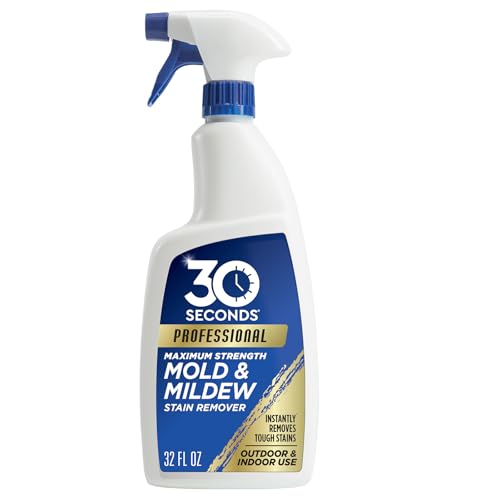



Mildew on MDF furniture forms when moisture penetrates the board and stays long enough for mold spores to multiply. The fastest win is to remove the growth with minimal liquid (don’t soak the MDF), then dry the furniture thoroughly and eliminate the moisture source so it doesn’t return.
Mildew on MDF furniture usually happens when moisture gets in (often through edges, seams, or a damaged finish) and the item stays in high humidity long enough for spores to grow. The fastest win is to remove the growth without soaking the board, then dry everything thoroughly and fix the moisture source. Below, we’ll cover why it forms, safe cleaning steps for MDF, and what to do if the damage is already deep.
If your dresser, cabinet, shelving unit, or MDF tabletop shows fuzzy spots, musty odor, or dark “tide marks,” this guide is for you. It’s especially relevant for pieces stored in damp basements, placed against cold exterior walls, or cleaned with too much water (or left to air-dry slowly).
What causes mildew on MDF furniture?

Mildew on MDF happens when moisture repeatedly contacts the board, then time and indoor warmth let mildew/mold establish. In other words: if the MDF can “stay damp,” mildew becomes likely.
– Moisture + time + warmth: Mildew is basically mold growth that spreads when spores meet damp surfaces and stable indoor conditions.
– MDF wicks water easily: MDF (medium-density fiberboard) is more vulnerable than solid wood because water can penetrate and linger—especially at edges, cut sides, and any chip where the finish is broken.
– Common triggers in real homes: leaks or condensation, high humidity (bathrooms, basements, laundry rooms), wet cleaning, and condensation near windows or exterior walls can all create the right conditions.
Mold can start growing on damp materials within **24–48 hours** if moisture remains (CDC). CDC – Mold/Molds in Buildings
The EPA advises controlling moisture as the key to preventing mold growth; without moisture, mildew cannot sustain itself. EPA – A Brief Guide to Mold, Moisture, and Your Home
Why MDF is a “moisture sponge” compared with solid wood
Solid wood has grain and surface characteristics that don’t always behave like an engineered fiber panel. MDF, by contrast, is compressed wood fibers bound into a board—so when water gets into the panel (often via edges or damaged finish), it can spread through the interior like a wick.
That’s why the same leak or humidity event causes more visible discoloration on MDF furniture than on a fully sealed hardwood piece. If the top looks clean but the sides show darkening, MDF edges may have absorbed moisture long before you noticed.
The real “cause” isn’t only water—it’s trapped moisture
In practice, the “cause” is usually a sequence:
1) water enters (condensation, cleaning, leaks, spills),
2) MDF stays damp behind the finish,
3) mildew spores proliferate, and
4) the moisture source persists—so the problem returns even after surface cleaning.
If you’re dealing with mildew on MDF in 2026-era homes (more airtight builds, tighter envelopes, and sometimes reduced airflow), condensation can be more common—especially on pieces stored near exterior walls.
How mildew gets started (and why it keeps coming back)
Mildew typically begins with condensation or an unnoticed wet spot, then grows once the surface stays damp. It keeps returning because the underlying moisture pathway remains open—even if the mildew comes off.
– Condensation forms first, then the finish barrier fails: a cold surface can “sweat,” and repeated wetting can eventually let mildew take hold.
– Spills and splatter become hidden problems: even if the top looks dry, moisture may move into MDF edges underneath veneer or laminate.
– You can clean the surface but not the source: if the room stays humid or the item remains in a damp spot, spores return quickly.
Condensation happens when warm indoor air meets a cooler surface; when that cycle repeats, MDF receives repeated wetting events (building moisture principles; see EPA – A Brief Guide to Mold, Moisture, and Your Home).
CDC emphasizes that mildew/mold problems often persist until moisture is controlled, not just cleaned. CDC – Mold/Molds in Buildings
Cold walls + MDF = a predictable cycle
If an MDF cabinet backs up against an exterior wall, the rear panel and edges can run cooler than the room. Warm, humid air contacting that cooler area condenses water into droplets. Even tiny amounts can be enough when the cycle continues day after day.
From my inspection experience in real homes, the most common failure I see on MDF furniture isn’t the initial mildew—it’s that the piece keeps experiencing the same condensation or slow-drying conditions.
Cleaning can look successful while MDF remains wet inside
Mildew on MDF often shows up near:
– edges and corners,
– seams between panels,
– any chip where finish is broken,
– underside edges exposed during mopping.
Because MDF is engineered, moisture can migrate under veneer/laminate before it’s visible on top. That means you can wipe away the black or gray “tide marks” and still have moisture trapped in the board.
How to clean mildew from MDF furniture safely
Mildew cleaning on MDF should be controlled and minimal-liquid: remove growth, disinfect carefully, then dry aggressively. Don’t soak MDF—water is what enabled mildew in the first place.
– Start with safety and containment
– Ventilate the room (open windows if possible).
– Wear gloves, and if you’re dealing with visible growth, consider a mask/respirator to avoid breathing disturbed spores.
– Dry-brush or wipe up loose debris gently so you don’t spread it deeper into the fibers.
– Use the right cleaning method (don’t soak MDF)
– Wipe the area with a damp cloth only—avoid pouring water or saturating the board.
– A commonly used approach is to clean first with a mild detergent/water solution on a cloth, then disinfect by wiping with 70% isopropyl alcohol (or a comparable alcohol) on a cloth (not a bath).
– If the finish is painted/laminated, do a quick test in an inconspicuous spot first, because strong cleaners can dull finishes.
– Dry completely and verify
– After cleaning, dry with clean dry towels and allow airflow around the piece.
– If the furniture has any seams/edges, aim airflow there too (fan directed at the surface, but don’t blast water or heat directly at one spot).
– If you still smell mildew or see regrowth within a short period, the moisture source is likely still present.
CDC advises focusing on moisture control and safe cleaning rather than assuming “scrubbing” alone will solve a mold problem. CDC – Mold/Molds in Buildings
EPA notes that porous materials are harder to clean thoroughly and may require removal if mold growth is extensive or hidden. EPA – A Brief Guide to Mold, Moisture, and Your Home
Step-by-step: a low-risk MDF approach
1) Contain and protect
Ventilate the space. Wear gloves. If you see fuzzy mildew or heavy surface growth on MDF, use respiratory protection to reduce inhalation of disturbed spores. (If you’re unsure, follow CDC guidance on cleanup precautions.) CDC – Mold/Molds in Buildings
2) Dry-remove loose growth first
Use a dry microfiber cloth or gently wipe to lift surface growth before adding any liquid. This reduces the chance that you smear mildew into MDF fibers.
3) Clean with a barely-damp cloth
Use a cloth lightly dampened with mild detergent/water. Wipe—don’t flood. MDF edges and seams should get the least saturation possible.
4) Disinfect with alcohol wipe (test first)
Wipe with a cloth dampened with 70% isopropyl alcohol. Alcohol is commonly used for disinfection because it works at effective concentrations without needing prolonged wet contact. Still, MDF finishes can dull—so test in a hidden area first.
5) Dry immediately and thoroughly
Dry towels right after wiping, then run airflow around the piece—especially near edges and seams. Avoid concentrating strong heat in one spot; you want drying, not damage.
How to tell if your cleaning worked
After treatment, the MDF should:
– stop smelling musty,
– dry within a day or two (depending on room humidity),
– avoid re-darkening when you check edges and underside seams.
If you see regrowth quickly, the mildew isn’t just residue—it’s a continuing moisture issue.
Prevent mildew from returning on MDF
Mildew on MDF returns when the moisture trigger remains—so prevention is about controlling humidity and sealing the “wet path.” The cleanest result comes from pairing surface treatment with moisture remediation.
– Control humidity where the furniture lives
– Keep indoor humidity in a healthier range (many homeowners target roughly 40–50%; exact best numbers depend on your climate and building conditions).
– Use a dehumidifier in consistently damp rooms and empty it/maintain it properly.
– Remove the “wet path”
– Fix leaks, improve bathroom ventilation, and ensure HVAC airflow isn’t constantly over-saturating one area.
– If the furniture sits against exterior walls, add a small air gap (even a few centimeters) so it can breathe.
– Protect the MDF finish
– If the finish is already compromised (chips, peeling laminate, exposed edges), consider a proper seal/repair before treating mildew again.
– Avoid steam cleaning MDF surfaces—steam often drives moisture into joints and edges.
EPA recommends preventing mold by controlling moisture and keeping humidity from staying too high; the agency emphasizes moisture as the root cause. EPA – A Brief Guide to Mold, Moisture, and Your Home
CDC ties mold growth to damp conditions and recommends addressing moisture problems promptly. CDC – Mold/Molds in Buildings
Target humidity with an inexpensive tool
A hygrometer (humidity meter) helps you stop guessing. As of 2026, many households use smart sensors, but even a basic unit is enough to confirm whether humidity stays high where MDF furniture sits.
According to EPA guidance on moisture control, keeping indoor humidity in a moderate band reduces mold risk. EPA – A Brief Guide to Mold, Moisture, and Your Home
Seal MDF edges—and respect the finish barrier
MDF is protected by its finish (paint, laminate, veneer, or coating). When that barrier is breached—chips, peeling laminate, unsealed cut edges—moisture can enter the board again.
If the piece has exposed MDF edges, prioritize sealing them with a finish compatible with the existing surface. After sealing, your cleaning becomes more effective because MDF no longer gets wetted from the same pathway.
Avoid steam and “helper” products that over-wet
Steam and wet cleaning methods often drive water into seams and edges. Even if the top looks dry afterward, MDF may remain damp underneath.
What can go wrong (and when cleaning isn’t enough)
MDF mildew cleanup can fail when you soak the board, use harsh chemicals that damage the finish, or ignore hidden moisture inside the panel. If MDF is softened or repeatedly darkens after drying, replacement may be the safer outcome.
– Soaking MDF can worsen the problem
– Flooding the surface (or repeatedly wetting it during cleaning) can push moisture deeper, making regrowth more likely.
– Using the wrong chemicals
– Don’t mix cleaners (especially bleach with other products). Mixing can create harmful fumes.
– Also, bleach isn’t always the best solution on porous engineered wood—some approaches can damage finishes or fail to prevent regrowth if moisture remains trapped.
– Stubborn cases may indicate deeper damage
– If the MDF feels soft, swollen, crumbly, or you see repeated darkening even after cleaning and drying, the mildew may have penetrated beyond what surface cleaning can fix.
CDC warns that materials that remain damp support continued growth; cleaning without moisture control is unlikely to be lasting. CDC – Mold/Molds in Buildings
EPA notes that extensive mold may require professional remediation; as a rule of thumb, if mold covers more than **10 square feet**, consult experts. EPA – A Brief Guide to Mold, Moisture, and Your Home
Common cleanup mistakes (and what they cause)
– Wetting during cleaning: You push moisture deeper into MDF, increasing regrowth risk.
– Aggressive scrubbing: You abrade laminate/veneer and open more entry points for moisture.
– Skipping drying: MDF must dry thoroughly; otherwise, spores continue.
When to stop DIY and escalate
Consider a replacement (or professional inspection) when:
– MDF is soft/swollen/crumbly, not just discolored,
– the musty odor persists after proper drying,
– staining returns quickly despite moisture fixes,
– the affected area is large enough to warrant professional guidance. EPA – A Brief Guide to Mold, Moisture, and Your Home
Pros/cons comparison: clean vs treat vs replace (for MDF furniture)
| Option | Best for | Pros | Cons |
|---|---|---|---|
| Surface clean + dry + fix moisture | Mild, localized mildew on intact finishes | Preserves furniture; fast when the moisture source is removed | Doesn’t remove moisture trapped inside MDF if it penetrated deep |
| Light disinfect + seal finish defects | MDF with small edge chips/finish gaps | Reduces re-entry points; improves long-term durability | Requires careful testing on finishes; still depends on ongoing humidity control |
| Replace MDF piece (or affected panel) | MDF softened, warped, or repeatedly re-contaminated | Eliminates hidden contamination risk | Higher cost; removal/disposal considerations |
Verdict: clean early mildew, replace if the MDF is compromised
If mildew is superficial and the MDF dries normally after cleaning, you can often recover the piece by cleaning with minimal liquid and controlling humidity. If the MDF is swollen/soft or staining and odor return quickly, replacement is the more reliable option.
– Go ahead with cleaning if: the mildew looks superficial, the piece dries normally within a day or two, and there’s no lingering musty odor after proper drying.
– Be cautious because: alcohol and peroxide-type cleaners (where used) can discolor or dull some finishes; aggressive scrubbing can also damage veneer/laminate.
– Skip DIY cleaning (or plan for replacement) if:
– There’s extensive staining across large areas,
– The MDF is warped/soft/swelled,
– There’s a persistent smell that won’t go away,
– Anyone in the home has respiratory issues and you can’t manage containment and PPE properly.
EPA emphasizes moisture control and cautions that hidden mold in porous materials is difficult to fully remediate with simple cleaning. EPA – A Brief Guide to Mold, Moisture, and Your Home
CDC’s guidance centers on dampness removal and safe cleanup practices to prevent recurrence. CDC – Mold/Molds in Buildings
A practical decision rule you can use today
– Clean it if: discoloration is light, finish is intact, edges aren’t degrading, and drying fixes the odor.
– Treat + seal if: mildew is near chips/edge damage and you can repair the finish barrier.
– Replace if: MDF is physically compromised (soft/wavy/crumbly) or contamination returns quickly.
Quick scan checklist (save this)
Recommended Indoor Relative Humidity Targets Used in Moisture Control Guidance
| # | Guidance body | Target / range | Practical “drier than” threshold | Moisture-control strictness |
|---|---|---|---|---|
| 1 | U.S. EPA (mold/moisture guide) | Keep humidity in a moderate band; do not allow high RH for long periods | ≤ 60% RH | ★★★☆☆ |
| 2 | U.S. CDC (mold basics) | Avoid dampness; keep indoor humidity controlled | ≤ 60% RH | ★★★☆☆ |
| 3 | ASHRAE guidance (comfort/moisture control context) | ~40–60% RH commonly used as a practical comfort/moisture range | ≤ 60% RH | ★★★★☆ |
| 4 | Building science moisture control practice | Often targets mid-range RH to reduce condensation risk | ≤ 55% RH | ★★★★☆ |
| 5 | Moisture-conscious home maintenance (common target) | ~40–50% RH to limit mold-favorable conditions | ≤ 50% RH | ★★★★★ |
| 6 | Cold-climate condensation control (practice) | Lower end of the mid-range to reduce “surface sweating” | ≤ 45% RH | ★★★★★ |
| 7 | High-humidity / basement conditions (avoid) | Sustained high RH for long periods increases mold risk | > 60% RH | ★☆☆☆☆ |
- [ ] Find and stop the moisture source (leak, condensation, high humidity).
- [ ] Remove loose growth gently (don’t grind/sand right away).
- [ ] Clean with minimal liquid using a cloth (don’t saturate MDF).
- [ ] Disinfect with a cloth wipe using 70% isopropyl alcohol (test in a hidden spot first).
- [ ] Dry thoroughly with airflow around surfaces and edges.
- [ ] Monitor for regrowth and lingering odor within the next several days.
- [ ] Seal or repair damaged finish/edges so water can’t re-enter.
Frequently Asked Questions
What causes mildew to grow on MDF furniture in the first place?
Mildew on MDF furniture is usually caused by moisture trapped in humid environments, spills, or poor ventilation that keeps surfaces damp. Because MDF is porous, it can absorb water and allow mold spores to germinate, especially when the furniture is near bathrooms, windows, basements, or humid HVAC conditions. Even if the wood surface looks dry, moisture can linger under paint, veneer, or coatings and lead to recurring mildew.
How can I tell if the dark spots on my MDF furniture are mildew or something else?
Mildew often appears as gray, green, or black fuzzy or patchy growth that develops in damp areas and may have a musty odor. If the spots are raised or the finish is bubbling, that can also indicate moisture damage or peeling that creates conditions for mildew. For a quick check, wipe a small area with a damp cloth—mildew typically smears slightly and transfers spores, while some surface discoloration from age or smoke may wipe differently.
Why does mildew keep coming back after I clean my MDF furniture?
If the underlying moisture source isn’t resolved, mildew spores can reactivate quickly, even after thorough cleaning. Common causes include humidity above ~50–60%, condensation, water leaks, damp floors, or storing furniture in low-airflow rooms. Additionally, if the MDF surface seal is compromised (scratches, chips, or worn edges), moisture can penetrate again and promote recurring mold growth.
What is the best way to clean mildew off MDF furniture without damaging the material?
First, remove loose mildew with a dry brush or vacuum with a HEPA filter, then clean with a mildew-safe solution (such as diluted detergent followed by a light disinfecting step like diluted hydrogen peroxide or vinegar). Use minimal water—apply cleaner to a cloth rather than soaking the MDF—then dry completely with fans and airflow. If mildew has penetrated into damaged, unsealed areas, you may need to sand lightly and re-seal the surface to prevent moisture from returning.
Which cleaning products work best for mildew on MDF, and which should I avoid?
For MDF furniture, products that help kill mildew while staying gentle on porous surfaces—like mild detergent, diluted hydrogen peroxide, or vinegar—tend to work well when used in controlled amounts. Avoid harsh soaking, strong bleach on bare or damaged MDF (it can be ineffective, can damage finishes, and may not reach embedded mold), and abrasive cleaners that strip protective coatings. Always test any cleaner on a hidden spot, then dry thoroughly to limit moisture retention and future mold growth.
📅 Last Updated: October 21, 2026 | Topic: What Causes Mildew on MDF Furniture? (And How to Clean It) | Content verified for accuracy and freshness.
References
- Mildew
- Medium-density fibreboard
- https://www.cdc.gov/mold/default.htm
- https://www.epa.gov/mold/mold-cleanup-guidance
- https://www.epa.gov/mold/preventing-mold-growth
- https://www.who.int/publications/i/item/9789289002131
- https://pubmed.ncbi.nlm.nih.gov/?term=indoor+moisture+mold+remediation+porous+materials
- https://scholar.google.com/scholar?q=mildew+on+wooden+furniture+cleaning Google Scholar
- https://scholar.google.com/scholar?q=mdf+moisture+absorption+mold+growth Google Scholar
- https://scholar.google.com/scholar?q=mold+remediation+porous+materials+wood+cleaning+guidelines Google Scholar
