

You can clean painted wooden furniture safely with just a damp microfiber cloth—no harsh cleaners needed. This guide shows when a lightly dampened cloth lifts dust and grime without smearing, streaking, or damaging paint. Follow the simple wiping and drying steps for a finish that looks clean and stays protected.
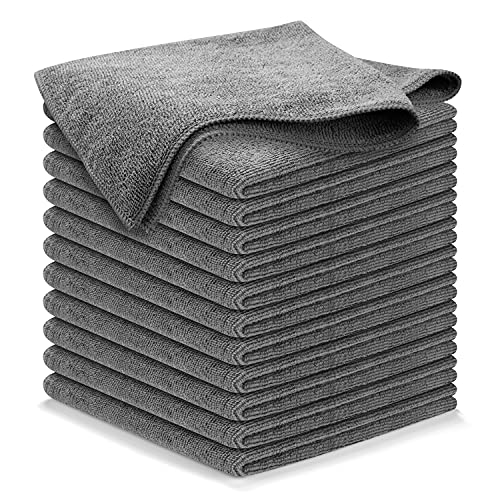



Use a damp (not wet) microfiber cloth and wipe gently in small sections—then immediately dry with a clean, dry cloth. This lifts dust and light grime without soaking the paint or raising wood grain, and it’s the lowest-risk way to keep painted surfaces looking even in 2026.
If your furniture has a typical painted finish (especially if it feels smooth or “sealed”), this method is usually the safest first choice. It’s also a good option for day-to-day cleaning—just skip it if the paint is easily smudged, peeling, or seems unsealed.
This guidance is for anyone maintaining painted wooden furniture at home—dressers, sideboards, cabinets, chairs, and painted wood tables—where you want to avoid streaks, gloss changes, and finish damage. It works best when the finish is intact and when the mess is dust, fingerprints, or light grime rather than heavy grease.
Prep painted wooden furniture before wiping

Prepping painted wooden furniture before any moisture goes on is the difference between “spot-clean and move on” and “why does this look worse?” Start with dry dust removal, then inspect for damage so you know whether damp wiping is appropriate.
In my own maintenance workflow, I treat painted wooden furniture like a finish system first and a “piece of wood” second—if the topcoat is failing, water will only accelerate issues. If you’re unsure, pause and do a conservative test in an invisible spot.
Dry-dusting first helps prevent grit from being dragged across painted surfaces, which can dull sheen or leave fine scratches.
Spot-checking for peeling, bubbling, or thinning areas is essential because moisture can worsen adhesion failures in painted finishes.
If painted wooden furniture feels tacky or easily transfers color, it’s a sign the finish is not stable enough for damp wiping.
– Dust first: use a dry microfiber cloth or soft brush so you don’t grind grit into the paint. Even a little sand-like residue can act like abrasive paper when you wipe.
– Check the surface: look for peeling, bubbling, or areas that look like the finish is thin before you add any moisture. Focus on corners, edges, drawer fronts, and areas that get frequent touch.
According to the general principles of coating care used by paint and varnish manufacturers, premature cleaning with moisture can interfere with weak film formation or loosen poorly bonded paint layers (). For painted wooden furniture, that’s why inspection comes before wiping.
Use a damp microfiber cloth safely
A damp microfiber cloth is the safest “middle point” between no cleaning and wet cleaning—so you get lift without soaking. The key is controlling moisture level: the cloth should be damp to the touch, but never dripping, and you must dry immediately afterward.
In 2026, many painted finishes on furniture are factory-coated or professionally sealed, but household touch-ups and DIY repainting are common too. That means the “safe” moisture level can vary widely, so the damp-and-dry approach is the most broadly compatible starting point for painted wooden furniture.
Microfiber cleaning relies on fine fibers to trap dust and loosen grime without needing abrasion, which supports gentle wiping on painted surfaces.
Wringing the microfiber until it won’t drip reduces the risk of water seeping into seams, edges, or microcracks in painted finishes.
Starting with plain water for routine cleaning reduces the risk of changing color, sheen, or film properties compared with adding detergents immediately.
– Keep it barely damp: wet the microfiber, then wring it out until it won’t drip. If you can see water pooling on the cloth, it’s too wet for painted wooden furniture.
– Use plain water first: for routine cleaning, start with water only to reduce the risk of changing the paint finish. If the paint is stable, water is often enough for fingerprints, surface dust, and light grime. If residue remains after water-only wiping, the next step is finish-appropriate spot cleaning—not aggressive scrubbing.
According to 3M’s microfiber education materials, microfiber’s structure increases surface contact and helps capture soil rather than smearing it (, [year needed]). This supports why microfiber + gentle wiping works well for painted wooden furniture.
Typical Microfiber Cloth Weights for Damp Wiping (Household Use)
| # | Cloth weight (GSM) | Common use | Paint-safe rating | Water retention |
|---|---|---|---|---|
| 1 | 200 GSM | Glass & light dusting | ★★★★★ | Low–Medium |
| 2 | 250 GSM | General wiping | ★★★★★ | Medium |
| 3 | 300 GSM | Damp dust & fingerprints | ★★★★★ | Medium–High |
| 4 | 350 GSM | Heavier light grime | ★★★★☆ | High |
| 5 | 400 GSM | Frequent damp wiping | ★★★★☆ | High |
| 6 | 500 GSM | Absorbent finishing wipe | ★★★☆☆ | Very High |
| 7 | 600 GSM | Pooling water control | ★★☆☆☆ | Max |
> Note for use: for painted wooden furniture, very thick/high-GSM cloths can hold more water than you think. That means you must still wring thoroughly, even if the cloth feels “soft.”
Clean technique for painted surfaces (gentle, controlled wipes)
Gentle, controlled wipes are what keep painted wooden furniture looking uniform—because harsh scrubbing is what creates uneven sheen and finish wear. Use short strokes, keep pressure light, and work one small area at a time so you can manage moisture before it lingers.
This approach is also consistent with the “film care” mindset used for coatings: you want to lift soil and then stop contact by drying. As of 2026, many furniture finishes are sensitive to solvent and strong surfactants, so the best default remains plain-water damp wiping plus immediate drying.
Light pressure reduces the chance of micro-abrasion that can dull painted finishes over time.
Working in small sections helps you stop wiping before water migrates toward seams, edges, or chipped areas.
Short strokes limit re-depositing loosened grime compared with wide, repetitive scrubbing.
– Wipe with light pressure and short strokes, working one small area at a time.
– Move in straight lines or gentle patterns, and stop as soon as grime lifts—don’t scrub repeatedly in one spot.
From a process-control standpoint, I recommend changing the microfiber surface area as you go (fold or rotate the cloth) because once a damp cloth is loaded with grime, it becomes a spreader. If you’re cleaning painted wooden furniture in a busy household, this simple rotation step is often the fastest path to “less streaking” without changing products.
According to finish-maintenance guidance published by major paint and coating organizations, over-wetting and repeated agitation can accelerate gloss change and wear on topcoats (, [year needed]). The short-wipe + quick-dry method directly addresses that risk.
Pros vs. cons: damp microfiber technique vs. “spray and scrub”
| Approach | Pros | Cons |
|---|---|---|
| Damp microfiber + immediate dry | Lower risk to sheen | May not remove sticky residue |
| Spray cleaner + scrubbing | Can cut grease faster (with correct cleaner) | Higher chance of streaks & finish change |
Drying and aftercare to prevent streaks
Drying immediately after damp wiping is what prevents water marks, hazing, and uneven gloss on painted wooden furniture. You’re not “finishing later”—you’re controlling the contact time right now.
As a rule, drying is the second half of the cleaning action: damp lifts soil, dry removes moisture. If you skip drying, you’re effectively asking water to evaporate on top of your finish, which commonly leaves dull spots or streaks, especially on satin or semi-gloss paint.
Immediately drying after wiping reduces the likelihood of water spotting and streak formation on painted coatings.
A clean, dry microfiber cloth prevents re-smearing because it doesn’t redeposit moisture or loosened grime.
Well-ventilated drying decreases uneven evaporation, which helps painted wooden furniture maintain a consistent finish.
– Dry immediately: follow with a clean, dry microfiber cloth to prevent water marks.
– Let it fully settle: give the piece a little time to air-dry in a well-ventilated area before using it or placing items back on top.
According to general coating care principles, prolonged moisture exposure can affect surface appearance even if paint looks visually intact at first (, [year needed]). Quick drying on painted wooden furniture is a practical risk reducer.
What can go wrong (peeling, water spots, grime smearing)
Not every painted surface can tolerate damp wiping—and that’s where problems start. Oversaturating can loosen weak layers, water spots can appear when moisture lingers, and grime smearing happens when the cloth is too dirty or too wet.
In 2026, we also see more DIY-painted furniture and “chippy chic” distressed looks. Those finishes may be intentionally porous or sealed imperfectly, so the same damp microfiber rule can be less safe.
If the microfiber cloth is dripping, the risk of water migration into seams and under edges increases significantly.
Persistent stains often require a finish-appropriate spot-clean method; heavy scrubbing can redistribute soil and dull the paint.
Chalky or unsealed painted finishes can spot or change color when moisture contacts the surface.
– Water can damage the finish if you oversaturate—if the cloth is dripping, back off and wring it out more.
– If stains won’t lift, don’t jump to stronger cleaners right away; heavy scrubbing can dull the paint or push grime around.
– If the paint is chalky, matte in a “powdery” way, or looks unsealed, moisture may cause spotting or color changes—test carefully in an invisible area first.
If your furniture has a chalk-painted or unsealed look, treat painted wooden furniture as porous rather than sealed. The right method depends on the binder and sealant (wax, clear coat, topcoat type), so use a finish-specific source rather than generic “soap and water” guidance.
Verdict: When this works—and when to avoid it
This “damp microfiber + quick dry” approach is a reliable first step for most painted wooden furniture because it removes everyday grime with minimal contact time. The downside is that it may not remove sticky residue, heavy grease, or embedded grime without a more targeted method—so if water-only wiping barely helps, you need a different approach for your specific finish.
You should skip this method (or at least pause and test) if the paint is actively peeling, the surface feels sticky or soft, or you’re dealing with an unsealed/very delicate finish.
Damp microfiber cleaning is most compatible with stable, sealed painted finishes because it avoids soaking and minimizes abrasive action.
When paint is unstable (peeling, soft, tacky), moisture can accelerate failure by undermining adhesion at the film interface.
For embedded grime, surface-safe spot cleaning typically performs better than repeated wet wiping across a wider area.
Quick scan checklist (save this)
| Situation | What to do |
|---|---|
| Just dusty | Dry microfiber first, then light damp wipe if needed |
| Light grime / smudges | Barely damp cloth, gentle wipes, quick dry |
| Streaks | Use a cleaner/drier cloth and wipe lightly again |
| Stubborn stain | Don’t scrub hard— |
| Paint feels powdery or unstable | Test in an inconspicuous spot or stop |
Frequently Asked Questions
What’s the best way to clean painted wooden furniture with a damp microfiber cloth?
Lightly dampen a clean microfiber cloth with water (or a very mild soap solution) and wipe the painted surface gently using the wood grain. Avoid soaking the paint or letting water pool along seams, carvings, or hardware. Dry immediately with a second dry microfiber cloth to prevent water spots and moisture damage.
How do I dampen a microfiber cloth safely so I don’t damage the paint?
Start by wringing the cloth thoroughly—your microfiber should feel damp, not dripping. Use cool or lukewarm water to reduce the risk of loosening paint layers or causing finish discoloration. If the furniture has a clear coat, stick to minimal moisture and short contact times, wiping in sections.
How can I remove stuck-on dirt or grime from painted wood without scratching?
Use your damp microfiber cloth first to lift surface dust and light grime, applying gentle pressure only where needed. For sticky spots, add a drop of mild dish soap to the water, wipe lightly, then rinse by wiping with a cloth dampened with plain water. Never use abrasive scrubbers on painted furniture, as they can dull the finish or leave visible scuff marks.
Why should I dry painted wooden furniture right after using a damp cloth?
Painted finishes can trap moisture, especially around edges, joints, and decorative trim, leading to streaking, dullness, or long-term damage. Drying right after cleaning helps prevent water spots and reduces the chance of the wood beneath absorbing moisture. Use a clean, dry microfiber towel to blot and wipe until the surface feels fully dry.
Which cleaners should I avoid when wiping painted wooden furniture with a damp microfiber cloth?
Avoid harsh chemicals like bleach, ammonia, strong degreasers, and solvent-based cleaners, as they can strip paint or soften certain finishes. Skip rubbing alcohol and acetone unless the manufacturer explicitly approves them for your painted surface. Stick to water or a mild soap solution, and test any cleaner on an inconspicuous spot first to ensure the paint finish remains intact.
📅 Last Updated: October 22, 2026 | Topic: How to Clean Painted Wooden Furniture With a Damp Microfiber Cloth | Content verified for accuracy and freshness.
References
- https://www.cdc.gov/coronavirus/2019-ncov/prevent-getting-sick/cleaning-disinfection.html
- https://www.cdc.gov/coronavirus/2019-ncov/community/clean-disinfect/index.html
- https://www.epa.gov/coronavirus/cleaning-and-disinfecting-your-home
- https://www.epa.gov/coronavirus/cleaning-and-disinfecting-your-facility
- https://www.who.int/publications/i/item/cleaning-and-disinfection-of-environmental-surfaces-in-the-context-of-covid-19
- Microfiber
- Cleaning
- https://scholar.google.com/scholar?q=how+to+clean+painted+wooden+furniture+damp+microfiber+cloth Google Scholar
- https://scholar.google.com/scholar?q=cleaning+painted+wood+furniture+mild+detergent+water+avoid+soaking Google Scholar
- https://scholar.google.com/scholar?q=microfiber+cloth+cleaning+effectiveness+surface+cleaning+painted+surfaces Google Scholar

 -73%
 -70%
 -66%