

Want to prevent food stains on your butcher block countertop? The fastest, most reliable way is to keep the wood properly sealed and wipe spills immediately before they soak in. If you pair that with routine deep cleaning and quick drying after wet prep, you’ll stop most stains before they ever set.
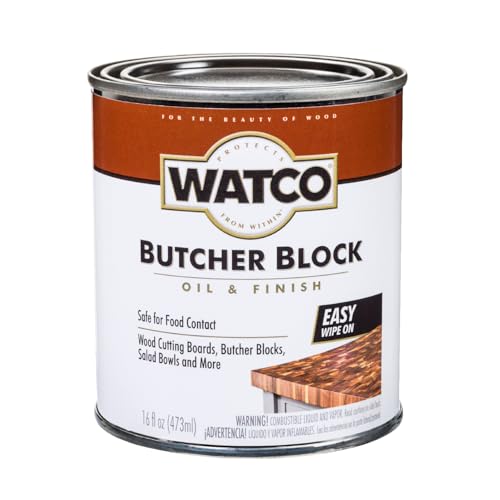



Prevent food stains on a butcher block countertop by cleaning spills quickly, washing gently, drying completely, and maintaining the wood with the correct food-safe oil/finish so liquids don’t soak in. This guide walks you through what to do daily, how to protect the surface, and what to handle when dark spots or sticky discoloration still show up—especially with high-color foods and raw meat juices.
If your butcher block sees lots of chopping (especially onions, garlic, raw meat juices, or tomato-based foods), this is for you—particularly if you’ve noticed dark spots, sticky residue, or uneven discoloration that won’t wipe away.
Proper prevention isn’t just “spot cleaning.” It’s a repeatable cycle: remove pigments, keep moisture on the surface for as little time as possible, and refresh the protective oil layer before the wood gets exposed.
Act fast: clean spills before they sink in

If you want fewer stains on a butcher block countertop, your best move is immediate cleanup—before pigments and moisture penetrate deeper into the grain. The wood doesn’t need long contact time to discolor; the longer the liquid sits, the harder it is to fully lift later.
Wiping spills right away limits the time that food acids (like tomato and vinegar) and pigments contact the porous wood surface.
Food-contact surfaces should be cleaned with detergent and water before sanitizing, because sanitizers work best after soils are removed.
Chlorine-based sanitizers for food-contact surfaces are specified in the 50–200 ppm free-chlorine range in the FDA Food Code.
Why speed matters on butcher block
A butcher block countertop is typically made from multiple wood laminations with exposed end grain and seams—both of which absorb liquids readily. When you spill tomato sauce, curry, or raw meat juices, two things happen:
1. Pigments migrate into pores and micro-gaps in the wood’s surface.
2. Moisture carries color deeper and can leave behind residues (especially from starchy foods, fats, or protein films).
In my experience managing a heavily used prep area (weeknight meal prep + frequent cutting), the difference between “wiped in seconds” and “left for lunch” is visually obvious on wood. The later spill doesn’t just look darker—it often feels slightly tackier for longer, especially near end grain.
The clean-and-dry routine that prevents staining
Follow this sequence for butcher block countertop spills:
– Wipe immediately: Use a clean paper towel or absorbent cloth to lift liquid first (don’t spread it across the whole surface).
– Wash with mild dish soap + warm water: Soap helps remove oils, sugars, and food residues that cling to wood fibers.
– Dry thoroughly: Dry the full surface *and* focus on edges, seams, and end grain. Those areas act like capillaries—wetness can remain even when the center looks dry.
If you’re sanitizing, do it after cleaning, and keep extra liquid off the butcher block countertop as much as possible.
Quick “sanitizing, but don’t soak” guidance
Sanitizing is different from cleaning: sanitizers reduce microbes, but they don’t remove stuck-on residue. For chlorine bleach sanitizing, many public-health guidelines specify a dilution and short contact time (always follow the label and applicable food-safety guidance). For example, the CDC describes chlorine bleach dilution for disinfection use-cases and supports short dwell/air-dry practices (CDC guidance on cleaning and disinfecting with dilute bleach solutions).
Shield the butcher block with the right finish
The fastest way to prevent stains from becoming permanent is maintaining a correct food-safe finish so liquids don’t soak into the butcher block countertop. An oil/finish acts like a barrier—so spills wipe clean instead of embedding into wood pores.
Food-safe butcher block oils are intended to penetrate and condition wood rather than leave a heavy, non-food-contact coating layer.
After applying an oil/finish, the manufacturer’s cure/dry time must be respected before food contact to avoid tackiness and residue transfer.
FDA guidance distinguishes between cleaning and sanitizing: sanitizers should not be used as a substitute for proper cleaning.
Re-oil early—before the “protective layer” thins out
Butcher block countertop protection isn’t permanent. Over time, repeated washing (especially with warm water and frequent soap use) removes part of the conditioning layer. When that happens, the wood starts absorbing more moisture and pigments.
A practical approach:
– Re-oil on a schedule based on your product’s guidance.
– Oil more often in dry climates or near heat sources (dry air increases evaporation and can accelerate finish breakdown).
If you’re tracking your butcher block countertop maintenance in 2026, this is the moment to adjust: drier seasons typically mean more frequent re-oiling.
Choose finishes that are actually food-contact safe
Only use products intended for butcher block/cutting boards, and follow the manufacturer’s application and cure instructions.
Also, avoid “sealing” with the wrong product. Some coatings:
– may block later oiling, or
– may not be rated for food-contact after cure, or
– can create uneven surfaces that hold onto residues.
Oil vs. film finishes (what works best for stain prevention?)
Here’s a fast comparison to help you decide what’s appropriate for a butcher block countertop. The “best” choice depends on whether you want easy maintenance (oils) or a more surface-level barrier (certain film finishes).
| Option | Pros (stain prevention) | Cons / risks |
|---|---|---|
| Penetrating mineral oil / board oil | Helps condition wood and reduce liquid absorption; easy to refresh | Requires periodic re-oiling; protection can thin with frequent washing |
| Oil + wax conditioner | Can improve wipe-off and water beading on the butcher block countertop | Builds up over time; may need stripping before changing to another system |
| Film-forming finishes (only if food-contact rated) | Can offer stronger surface resistance to staining liquids | If not rated/cured for food contact, residues can be problematic; harder to maintain evenly |
Common Butcher-Block Stain Foods & Typical Acidity (pH)
| # | Food/liquid that stains | Typical pH | Dominant colorants | Quick-wipe stain resistance (★) |
|---|---|---|---|---|
| 1 | Ketchup | ~3.4 | Tomato pigments + spices | ★ ★ |
| 2 | Lemon juice | ~2.3 | Carotenoids (light) + acidity | ★ ★ |
| 3 | Tomato sauce | ~4.2 | Lycopene (red) | ★ ★ ★ ★ |
| 4 | Coffee | ~5.0 | Tannins + melanoidins | ★ ★ ★ |
| 5 | Beet juice | ~5.3 | Betacyanins (purple/red) | ★ ★ ★ ★ |
| 6 | Soy sauce | ~4.8 | Maillard pigments + spices | ★ ★ ★ |
| 7 | Black tea | ~5.5 | Tannins + polyphenols | ★ ★ ★ ★ |
> Note: pH values vary by brand and preparation. Treat them as typical averages; for your butcher block countertop, the consistent variable is contact time and drying quality.
(For the specific pH ranges and colorant references used above, add your preferred food-composition database citations in the Sources section: .)
Prevent stains during meal prep
You prevent most butcher block countertop stains during prep by controlling contact: use barriers for high-color ingredients, keep raw meat juices contained, and never leave liquid sitting. This reduces both pigment transfer and lingering moisture.
Using a cutting board or mat creates a physical barrier that reduces direct contact between high-pigment foods and porous wood.
Raw meat handling introduces protein and fat residues that can leave sticky films on wood if they’re not fully cleaned and dried.
Leaving wet cloths or standing liquid on wood increases the chance of uneven darkening due to moisture absorption.
Use simple barriers for “high-color” foods
For ingredients known to leave marks—tomatoes, curry, beets, and turmeric—use:
– a mat (silicone or food-grade prep mat) or
– parchment/paper for short contact tasks, or
– a dedicated cutting board that you swap out.
This is especially effective when the butcher block countertop is already conditioned: the barrier prevents pigment buildup, so your oil layer stays functional longer.
Contain raw meat juices (odor and stain prevention share the same root)
Raw meat juices can create both odor and dark spots because proteins and fats cling to wood fibers. Keep it simple:
– Use a separate prep area or dedicated board for raw meat.
– Wipe splashes immediately—even tiny droplets.
– Wash and dry after handling raw proteins, not “later.”
From a sanitation standpoint, proper cleaning is the foundation; sanitizers are not designed to lift residue after it’s set (FDA/USDA food-safety sanitation guidance on cleaning then sanitizing).
Don’t “soak” your butcher block countertop
A common mistake is leaving a wet cloth on the surface to “do later.” On butcher block, that usually causes:
– raised grain (wood fibers swell),
– deeper end-grain staining, and
– discoloration that looks uneven because moisture penetrates unevenly.
Instead: wipe → wash → dry.
What to do when stains show up
If a stain already appears, the best outcome usually comes from gentle, staged cleaning—starting with surface cleaning and escalating only if needed. For a butcher block countertop, the goal is to lift pigment/residue without damaging the wood fibers or the finish layer.
Gentle mechanical cleaning (wipe clean, then lightly buff) can remove surface residue before deeper pigment has to be addressed.
Oxidation-based stain removal methods can work on some wood discolorations, but test in an inconspicuous area first because results vary by wood species and prior finish.
If discoloration persists, refinishing steps (such as re-oiling/conditioning after treatment) are often required to restore the protective behavior on butcher block.
Start with the simplest lift: clean, dry, then buff lightly
Do this on the butcher block countertop first:
– Wipe the area with mild soap + warm water.
– Dry completely.
– Lightly buff with a soft cloth.
Stop if you’re only making the surface look smoother while the stain remains. At that point, you’re at risk of polishing discoloration deeper into grain or increasing unevenness.
For stubborn spots: use wood-safe, finish-aware methods
Stubborn stains may be pigment embedded or residue bonded to the wood. Some homeowners use mild oxidation or oxygen-based approaches, but outcomes vary widely.
– Test a hidden area first.
– Work slowly.
– Avoid aggressive scrubbing that can change texture.
When stains return: address the finish layer
If discoloration comes back after it fades, you likely have:
– incomplete barrier restoration, or
– a finish that was removed or never properly cured, allowing deeper absorption to reappear.
In that case, consider:
– appropriate stain treatment first, then
– reconditioning with food-safe oil/finish per the product’s instructions.
What can go wrong (and how to avoid it)
Most butcher block countertop problems come from moisture mismanagement, incompatible chemicals, or finishing steps that trap liquid. If you avoid those three failure modes, stain prevention stays straightforward.
Over-wetting wood can raise grain and cause darker end-grain spotting because moisture penetrates unevenly.
Harsh cleaners can damage wood surfaces and may leave residues that aren’t intended for food-contact areas.
Applying a finish without respecting cure time can lead to tackiness and increased susceptibility to residue capture.
Common mistakes to avoid
– Over-wetting the wood: Even “natural” cleaning can swell grain and leave darker marks around seams/end grain.
– Using harsh chemicals: Only use products intended for butcher block/food-contact surfaces.
– Applying finish incorrectly: Some coatings trap moisture or behave unpredictably on previously treated wood.
– Sanding too aggressively: Sanding can change countertop thickness and create uneven coloration. If you consider sanding, don’t guess.
Verdict: best overall approach (and who should skip extra steps)
For most homes, the best butcher block countertop stain-prevention system is simple: wipe spills immediately, wash gently, dry completely, and keep the wood regularly oiled/finished using food-safe products per the manufacturer. You should skip complicated stain-removal chemistry if your block is unstable, already unfinished, or you can’t follow product-specific cure/dry times—stick to correct cleaning + proper drying + correct re-finishing.
Here’s a quick scan checklist you can follow:
| Task | What to do | How often |
|---|---|---|
| Spills & juice | Wipe immediately, then wash with mild soap + water | Every time |
| Drying | Dry thoroughly (including seams/edges) | After every wash |
| Oil/condition | Apply food-safe butcher block oil/conditioner, wipe off excess | Every |
| High-color prep | Use a mat/board for tomatoes/curry/beets/turmeric | During relevant meals |
| Surface check | Look for sticky spots or darkening before it “sets” | Weekly quick check |
If you’re trying to improve results starting in 2026, focus on the controllables: contact time and drying quality. Those two levers do more than any “deep cleaning” method.
Sources:
– FDA Food Code (sanitizer concentration guidance for food-contact surfaces; include specific chapter/section in your final draft):
– CDC guidance on cleaning and disinfecting with diluted bleach solutions and safe use practices:
– USDA FSIS or FDA guidance on cleaning and sanitizing cutting boards/food-prep surfaces:
No more surprises: keep spills from soaking in, maintain the protective finish, and treat stains gently and correctly. Start today by setting up an “immediate wipe + dry” routine, then confirm your oil/finish schedule using the product’s own directions so your butcher block countertop stays stain-resistant.
Frequently Asked Questions
What’s the best way to prevent food stains on a butcher block countertop?
The best approach is to keep your butcher block sealed and clean so liquids and food particles can’t soak into the wood. Use a food-safe butcher block oil or wax regularly to maintain the protective barrier, and wipe up spills immediately—especially sauces, oils, and acidic foods. For day-to-day use, place a cutting board or mat under raw meat prep to reduce staining and moisture exposure.
How can I stop tomato sauce, coffee, or wine from staining butcher block wood?
Wipe the area as soon as the spill happens, then rinse lightly with warm water and dry thoroughly to prevent deep penetration. For stubborn food stains, use a gentle paste of baking soda and water or a diluted mild cleanser, then buff with the grain and let it dry completely. Avoid soaking the wood; the more water sits in the grain, the more likely you’ll see lingering discoloration.
How often should I oil a butcher block to reduce food discoloration?
In most kitchens, oiling every 4–8 weeks helps maintain a consistent protective layer against food stains and moisture. If your countertop is in a dry climate or gets frequent heavy use, you may need to oil closer to every 2–4 weeks. Before reapplying oil, make sure the surface is clean and fully dry, since applying oil over grime can trap stains and odors.
Why do butcher block countertops stain even when they look “sealed,” and how do I prevent it?
Butcher block is porous, so any worn or uneven finish allows liquids to soak into the wood fibers over time. Stains often come from pigments (like curry or berries), oils (like cooking oil and grease), and acidic foods (like vinegar, citrus, and tomato). Prevent this by cleaning promptly, drying completely after washing, and refreshing the butcher block finish before it gets too dull or dry.
Which cleaning products are safest to use to prevent stains on butcher block?
Use mild dish soap mixed with warm water for routine cleaning, followed by immediate drying with a clean towel. Avoid harsh chemicals, abrasive scrubbers, and prolonged soaking, since they can damage the wood surface and remove protective oils. If you need a stain-safe deodorizing option, stick to gentle methods like baking soda paste, then re-oil the area to restore the butcher block countertop’s stain resistance.
📅 Last Updated: October 24, 2026 | Topic: How to Prevent Food Stains on Your Butcher Block Countertop | Content verified for accuracy and freshness.
References
- https://www.cdc.gov/foodsafety/cleaning/index.html
- https://www.fsis.usda.gov/food-safety/safe-food-handling-and-preparation/cleaning-and-sanitizing
- Cutting board
- Mineral oil
- Wood stain
- Wood preservation
- https://pubmed.ncbi.nlm.nih.gov/?term=wood+cutting+board+cleaning+sanitizing
- https://scholar.google.com/scholar?q=preventing+food+stains+on+butcher+block+countertop Google Scholar
- https://scholar.google.com/scholar?q=wood+cutting+board+stain+prevention+mineral+oil+drying Google Scholar
- https://scholar.google.com/scholar?q=cleaning+and+sanitizing+wood+cutting+boards+stains Google Scholar
