

Need kid-safe ways to clean a butcher block countertop that won’t leave residues or lingering odors? Use warm water, a mild dish soap, and food-safe disinfecting methods like diluted white vinegar or a quick steam wipe for the cleanest, safest results. For stubborn grime, scrub with a soft brush and baking-soda paste, then rinse and dry thoroughly before letting your counter fully air out.
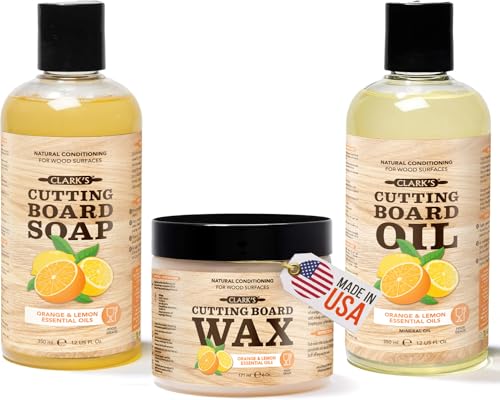


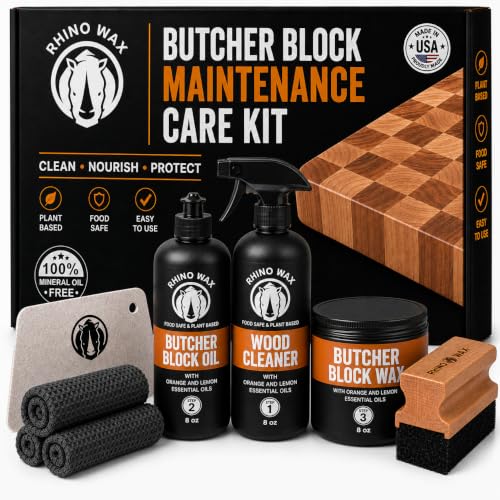
Use mild soap and warm water for routine cleaning, then sanitize using a food-safe approach (not bleach or harsh chemicals). You’ll also protect the wood by drying thoroughly and re-oiling when needed, so the surface stays clean without leaving risky residue. This article walks you through kid-safe daily cleaning, stain handling, and safer sanitizing options.
If your kitchen is shared with little ones, the goal is simple: clean effectively, avoid chemical residues, and keep kids away until the counter is fully dry. These steps work best for properly sealed or maintained butcher block counters—especially those used for meal prep.
Kid-safe setup before you clean

Keep kids out of the kitchen until you’re finished and the countertop is completely dry to the touch. This reduces the chance that children touch lingering cleaner film, wet wood, or airborne fumes.
According to the U.S. CDC, cleaning removes germs and dirt, while disinfecting uses specific chemicals and should be done carefully according to label instructions. CDC (Cleaning and Disinfecting guidance)
According to the U.S. EPA, disinfectant products are designed to work only when used as directed, including the correct contact time on the surface. EPA (Disinfectant use and label directions)
According to CDC estimates, foodborne illness is a common public-health issue in the U.S. (48 million illnesses, 128,000 hospitalizations, and 3,000 deaths each year—estimated). CDC (Foodborne disease burden estimates)
– Keep kids out of the kitchen until you’re finished and the countertop is completely dry to the touch.
– Store cleaners and cloths up high, and use one designated “cleanup rag” that goes straight to washing after use.
– Ventilate the area (open a window or turn on the hood) so fumes don’t linger—especially when using any sanitizing product.
One practical approach: designate a “drying buffer.” In my own routine, I treat the butcher block as “not for fingers” until the surface feels fully dry (no cool damp spots) and re-oiling is complete.
As of 2026, most kid-safety failures on butcher block come from two habits: rushing the drying step or using a sanitizer that wasn’t wiped/rinsed as required by the label.
What to use (and what to avoid) on butcher block
Use mild dish soap plus warm water for everyday cleaning; it removes food residue without soaking the wood. For sanitizing, choose “food-contact safe” products and always follow directions that match your butcher block’s finish.
According to the CDC, use soap and water for general cleaning, and use disinfectants only when appropriate and in the correct way. CDC (Cleaning vs. Disinfecting)
According to the U.S. Food and Drug Administration (FDA), food-contact sanitizers must be used according to label instructions and are regulated for specific uses. FDA (Food-contact sanitizer/food safety regulations)
According to the EPA, the effectiveness of disinfectants depends on using the product as directed, including dilution and contact time. EPA (Disinfectant label directions)
– Use mild dish soap + warm water for everyday cleaning; it removes food residue without soaking the wood.
– Choose “food-contact safe” products only, and follow the label directions—then wipe any residue off and dry well.
– Avoid bleach, ammonia, and abrasive scrubs that can damage the wood finish and make the surface harder to clean later.
Pros/cons of common options (quick scan)
Daily cleaning routine (quick and kid-friendly)
Use a simple wipe-clean-rinse-dry routine so you’re removing residue (and not trapping it in damp wood). This keeps the counter hygienic for meal prep without relying on harsh chemicals.
According to CDC guidance, cleaning with soap and water is the first step for removing dirt and germs before disinfection when needed. CDC (Cleaning and Disinfecting guidance)
According to EPA guidance, disinfectants only work as labeled, meaning you should not improvise dwell/contact times. EPA (Disinfectant use)
– Wipe up crumbs and spills first, then clean with a damp cloth and a few drops of mild dish soap.
– Rinse by wiping with a clean cloth dampened with plain water (so soap film doesn’t build up).
– Dry immediately with a towel, then let air-dry fully if the surface is still slightly damp.
Why “rinse and dry” matters on butcher block
Butcher block is porous compared with stone or laminate. When you leave soap behind, it can attract grime and create a sticky “film” over time—exactly the kind of surface kids want to touch. Also, damp wood encourages grain lift and uneven color, making future cleaning harder.
A helpful rhythm for families: clean → rinse wipe → towel dry → step away. As of 2026, that “step away” is still one of the most effective contamination controls when kids are in the home.
Kid-Friendliness of Common Butcher Block Cleaning Inputs (Relative, After Full Drying)
| # | Cleaner/Method | When It’s Appropriate | Typical Finish Impact | Kid-Safe Rating (★/5) |
|---|---|---|---|---|
| 1 | Mild dish soap + warm water | Daily cleaning | Low | ★★★★★ |
| 2 | Plain water rinse wipe | After soap use | Low | ★★★★☆ |
| 3 | Baking soda + water paste (spot) | Stubborn spots/stains | Medium (if overused) | ★★★★☆ |
| 4 | Hydrogen peroxide (3% product, label-based) | Targeted sanitizing (rare use) | Medium | ★★★☆☆ |
| 5 | Food-contact sanitizer (EPA-registered, label-based) | After raw meat/seafood prep (when required) | Medium | ★★★☆☆ |
| 6 | Bleach (chlorine) cleaning | Avoid for butcher block | High | ★☆☆☆☆ |
| 7 | Ammonia-based cleaners | Avoid for routine use | High | ★☆☆☆☆ |
Tackling sticky messes and common stains
Use gentle, targeted cleaning for sticky spots and stains, rather than scrubbing aggressively. Butcher block can lighten or darken unevenly, so you want controlled dwell time and thorough drying.
According to CDC cleaning principles, you should remove visible food and residue first, then address additional contamination with appropriate steps. CDC (Cleaning guidance)
According to EPA guidance, sanitizers/disinfectants are only reliably effective when the surface is pre-cleaned and used as directed. EPA (Disinfectant effectiveness and use)
– For sticky areas, re-wet the spot lightly with soapy water, then gently scrub along the grain using a soft sponge or cloth.
– For stubborn spots, make a paste with baking soda and water, apply briefly, then wipe clean and dry thoroughly.
– For discoloration, stop and reassess rather than over-scrubbing—wood can lighten/darken unevenly, especially on previously oiled boards.
How I keep this kid-safe in practice
If you only do one “extra” for kids, make it the plain-water rinse wipe: it reduces the chance of slick soap film and makes the surface feel clean as soon as it dries.
Sanitizing without harsh chemicals
Use sanitizing only when it’s actually needed—typically after raw meat/seafood prep—because extra chemicals increase residue risk on wood. When you do sanitize, pick food-contact safe products and follow the label exactly, including any wipe/rinse instructions.
CDC advises that disinfectants should be used according to label directions and that pre-cleaning is important for effectiveness. CDC (Cleaning and Disinfecting guidance)
EPA-registered disinfectants are evaluated based on label claims, so improvising dilution or contact time can reduce performance. EPA (Disinfectant label directions)
For food-contact sanitation, U.S. regulatory guidance emphasizes using sanitizers appropriately and following product directions for food-contact surfaces. FDA/Food Code context (food-contact sanitizer compliance)
– Use sanitizing products only when required (after raw meat/seafood prep, for example), and always rinse/wipe off residue afterward if the label calls for it.
– If you use hydrogen peroxide, follow the product label exactly and keep it off nearby items kids touch until the area is dry.
– If your counter is unfinished or heavily worn, consider sticking to soap-and-water cleaning unless you have manufacturer-approved sanitizing guidance—some blocks don’t tolerate frequent chemical sanitizers well.
A finish-aware decision rule
Butcher block isn’t one universal material. Some counters are sealed/finished; others are “maintained” with periodic oiling. Because finishes differ, a sanitizer that’s safe on one surface may dull or degrade another.
As of 2026, the safest routine for families with kids is still: soap-and-water cleaning by default, then targeted sanitizing only when raw high-risk foods were handled, followed by wiping/rinsing exactly as directed.
Drying and re-oiling to keep the wood clean longer
Drying thoroughly is the difference between “clean” and “clean-looking but risky later.” Re-oiling replenishes protective properties so the butcher block resists moisture and stains more effectively.
According to FDA food-safety guidance for kitchen hygiene, removing contamination and preventing re-contamination are key parts of maintaining food-safe surfaces. FDA (Food safety basics / sanitation principles)
– Prevent moisture problems by never soaking the surface; wipe off excess water and dry fully after every cleaning.
– Re-oil when the surface starts looking dry or dull—especially in high-use zones—using food-grade mineral oil or a butcher block conditioner.
– Let oil soak in per the product directions, then wipe off any excess so it doesn’t feel tacky (a kid-finger magnet).
Why kids notice tacky spots (and why you should care)
Even when something is “food-safe,” a tacky surface can pick up crumbs and dust. Those particles become the next sticky mess—creating a cycle where children touch more often and you clean more often. If you ever see shine in one spot and a matte look in another, it’s usually an oiling imbalance, not a “cleaning failure.”
What can go wrong (and when to skip)
Avoid over-wetting, abrasive scrubbing, and DIY sanitizing when you don’t know the finish. If you skip these, you reduce grain-raising, warping risk, and residue problems that children can encounter.
EPA guidance emphasizes following label instructions for disinfectants; improper use can reduce effectiveness and increase unnecessary chemical exposure. EPA (Disinfectant use)
CDC notes cleaning and disinfecting guidance depends on appropriate product choice and correct application steps. CDC (Cleaning and Disinfecting guidance)
– Over-wetting or leaving cleaner to sit can raise the grain, warp the wood, or trap residue—so always wipe, rinse (when needed), and dry.
– Heavy scrubbing or abrasive pads can damage the surface so it stains faster and holds grime longer.
– Skip “DIY sanitizing” and follow the counter manufacturer’s care instructions if your butcher block is unfinished, damaged, or you’re unsure what finish/conditioner is underneath.
Verdict/tip: For most families, the safest routine is soap-and-water cleaning plus thorough drying, with targeted sanitizing only when you’ve handled raw foods. If you can’t keep kids out until the counter is fully dry, or if you don’t know your counter’s finish, focus on gentle cleaning and re-oiling instead of stronger chemicals.
Quick checklist you can save
| Task | Do this | Kid-safety note |
|---|---|---|
| Daily clean | Damp cloth + mild dish soap; wipe; dry | Keep kids out until dry |
| Rinse step | Wipe with plain-water damp cloth if you used soap | Avoid leaving suds behind |
| Sticky mess | Light re-wet + gentle scrubbing along grain | Use a soft sponge/cloth only |
| Stain help | Baking soda paste briefly; wipe clean; dry | Test in a hidden spot first |
| Sanitizing | Use label directions; rinse/wipe off residue if required | Don’t allow touching until fully dry |
| Protect wood | Re-oil with food-grade product when surface looks dry | No tacky residue left behind |
Sources
– CDC (Centers for Disease Control and Prevention) — Cleaning vs. disinfecting and general guidance for safe household cleaning.
– EPA (U.S. Environmental Protection Agency) — Disinfectant effectiveness depends on using products according to label directions (including contact time).
– FDA (U.S. Food and Drug Administration) — Food-safety principles and regulatory approach to food-contact sanitation.
A kid-safe butcher block routine is about consistency: use mild soap and warm water daily, rinse away any soap film, and dry thoroughly before kids return. Sanitize only when raw high-risk foods were handled, and always follow label instructions for wipe/rinse steps—then protect the wood with periodic re-oiling. If you keep those three priorities (gentle cleaning, careful sanitizing, and full drying), your butcher block stays cleaner, easier to maintain, and safer for everyday meal prep.
Frequently Asked Questions
What are kid-safe ways to clean a butcher block countertop without harsh chemicals?
For kid-safe butcher block cleaning, use warm water and a mild, food-safe dish soap on a damp cloth, then rinse with a clean cloth lightly dampened with water. Avoid bleach, ammonia, and strong degreasers that can leave residues or fumes. After cleaning, dry thoroughly to prevent moisture damage, and use a fresh, clean towel so kids won’t touch wet surfaces.
How can I remove food stains and odors from a butcher block counter using non-toxic methods?
For light stains and lingering smells, scrub gently with a paste of baking soda and water, then wipe away with a damp cloth and dry completely. For stubborn odors, wipe the surface with a cloth dampened with a mix of equal parts water and white vinegar, followed by a plain-water wipe and full drying. Always spot test any homemade cleaner on a small area first, and let the countertop fully dry before kids use it.
Which cleaning routine is safest for butcher block countertops in a busy family kitchen?
Use a simple routine: wipe spills right away, clean daily with warm water and mild dish soap, and do a deeper clean when needed with baking soda paste. For safety, keep a dedicated “counter cleaning” cloth and change or launder it regularly to avoid spreading bacteria. After every cleaning session, dry the surface well and let it air out briefly so no residue remains where kids may touch.
Why should I avoid soaking a butcher block counter when cleaning it around children?
Butcher block is made of wood that can swell, warp, or develop uneven absorption if it stays wet too long, which can make cleaning less effective and more frequent. Soaking also increases the chance that moisture seeps into seams or end grain areas that are harder to dry. Instead of soaking, use minimal moisture with a damp cloth and follow up with thorough drying.
What’s the best way to sanitize a butcher block countertop safely for kids?
For kid-safe sanitation, use heat and thorough cleaning rather than harsh disinfectants: wash with mild soap, then wipe with a solution of white vinegar diluted with water (followed by a wipe with plain water). Let the countertop dry completely, since a dry surface helps reduce residue and minimizes lingering odors. If you prefer commercial products, choose food-contact-safe cleaners and follow the label’s rinsing and drying instructions before allowing kids back in the kitchen.
📅 Last Updated: October 24, 2026 | Topic: Kid-Safe Ways to Clean a Butcher Block Countertop | Content verified for accuracy and freshness.
References
- Cutting board
- https://www.cdc.gov/foodsafety/cleaning/index.html
- https://www.cdc.gov/coronavirus/2019-ncov/community/disinfecting-building-facility.html
- https://www.fsis.usda.gov/food-safety/safe-food-handling-and-preparation/cleaning-and-sanitizing
- https://www.fda.gov/food/fda-food-code
- Food Safety
- About List N: Disinfectants for Coronavirus (COVID-19) | US EPA
- https://scholar.google.com/scholar?q=butcher+block+countertop+cleaning+sanitizing Google Scholar
- https://scholar.google.com/scholar?q=cleaning+wood+cutting+board+bleach+solution+food+safe Google Scholar
- https://scholar.google.com/scholar?q=butcher+block+maintenance+mineral+oil+safe+cleaning Google Scholar
