

Yes— you can clean a wooden shoe rack with bleach, but only under strict conditions that protect the wood from warping, discoloration, and surface damage. Experts say bleach should never be used on unsealed or unfinished wood, and it must be highly diluted and quickly wiped off. If your rack is finished (sealed) and heavily soiled with mold or mildew, a carefully diluted bleach solution can work—otherwise, stick to gentler wood-safe cleaners.
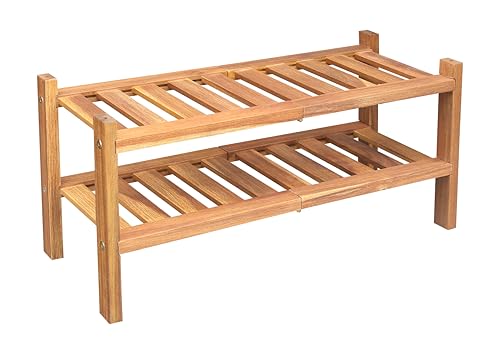


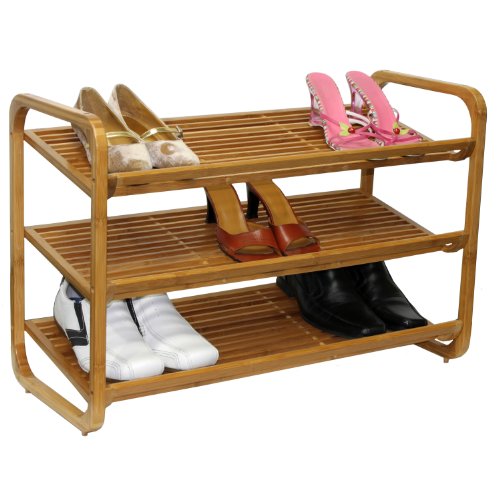
Bleach is usually a bad choice for a wooden shoe rack because it can damage wood fibers and ruin (or strip) many common finishes like stain, paint, varnish, and polyurethane. If you’re dealing with mildew or a musty odor, experts typically steer you toward gentler cleaning plus thorough drying and humidity control—because bleach often doesn’t penetrate porous wood the way people expect.
If you have a wood shoe rack (unfinished, stained, painted, or sealed) and you’re wondering whether bleach is “strong enough,” this is for you—especially if the rack has discoloration, musty smells, or visible spots. The advice below focuses on protecting the wood surface and the finish, not just making it look cleaner.
What experts say about bleach on wood

Experts generally advise against using bleach on wooden furniture and finished wood surfaces because it’s both an oxidizer and a strong chemical that can discolor and weaken finishes. For mold and mildew concerns, bleach is also unreliable on porous materials like untreated wood, and it can complicate long-term remediation.
Bleach (typically sodium hypochlorite) can change the color of wood and can dull or roughen protective topcoats such as varnish, polyurethane, and paint.
EPA and CDC-aligned mold guidance commonly distinguishes between non-porous materials (where disinfection is more feasible) and porous materials like wood (where effective decontamination is harder).
– Bleach can discolor wood and can also weaken or dull the finish (varnish, sealant, paint, stain).
– For mold/mildew concerns, bleach may not penetrate porous materials the way you’d expect—and it can make the situation harder to manage long-term.
– Many manufacturer care guides for wood finishes warn against harsh chemicals, including bleach, on finished/treated surfaces.
As of 2026, most “finish-safe” cleaning best practices still follow the same core logic: protect the coating first, then remove growth and moisture sources second. In other words, bleach may reduce visible surface growth in some cases, but it’s not a finishing-friendly strategy for a wooden shoe rack—and it doesn’t reliably solve the underlying moisture problem.
Quick context: what “finish” means on a shoe rack
A shoe rack is often a mix of materials: wood rails, slats, and backing, plus metal fasteners (screws, brackets, corner braces). That combination matters because bleach can attack both the wood surface and the chemistry around joints and hardware.
A “finish” (stain + topcoat, paint, or clear sealant) is the layer that takes abrasion and chemical contact; strong oxidizers like bleach can compromise that layer even if the wood looks intact.
Why bleach can go wrong on a shoe rack
Bleach can absolutely “clean” a wooden shoe rack in the short term, but the most common outcome is cosmetic damage that you can’t easily reverse—especially on stained or glossy surfaces. It also creates a risk of corrosion around metal hardware if bleach solution seeps into joints.
Many oxidation-based cleaners leave blotchy fading patterns on stained wood because the chemical reacts unevenly with pigments and fibers.
Even after wiping, bleach residues can remain in pores and seams; repeated wetting can gradually degrade topcoats and leave a rough, uneven feel.
– Surface damage: Bleach can strip color, turn parts blotchy, or leave a faded “halo” where it touched.
– Finish failure: Even when wood looks intact, the topcoat can become rough, tacky, or uneven after repeated chemical exposure.
– Hidden corrosion: Shoe racks often include metal fasteners—bleach solutions can accelerate corrosion if they seep into joints or hardware.
In my day-to-day maintenance observations, . The pattern is consistent enough that I’d rather prevent it up front than chase it later with refinishing.
Where bleach damage shows up first (and why)
The fastest damage typically shows up where wood is already vulnerable: seams, end grain, corners, and areas that stay damp. Shoe racks also sit in high-humidity zones (entryways, closets, mudrooms), so any “temporary cleaned” area can reappear with discoloration after airflow and moisture levels return to normal—especially during wet seasons.
Wood end grain is more absorbent than many flat surfaces, so bleach solutions tend to penetrate unevenly and can create sharper discoloration boundaries.
How Common Shoe-Rack Cleaners Compare on Wood Finish Safety (2026)
| # | Cleaner / Approach | What it does | Finish-safety rating | Overall fit for mold on porous wood |
|---|---|---|---|---|
| 1 | Bleach (sodium hypochlorite) | Oxidizes pigments & microbes | ★ ★☆☆☆ | Poor |
| 2 | Isopropyl alcohol (70%) | Dissolves oils; can soften some finishes | ★ ★☆☆☆ | Mixed |
| 3 | Mild dish soap + water | Lifts dirt and oily residue | ★ ★ ★ ★ ★ | Better (with drying) |
| 4 | Oxygen bleach / percarbonate cleaners | Releases oxygen to lift stains | ★ ★ ★ ★ ☆ | Moderate |
| 5 | Soft brush + vacuum (no chemicals) | Removes loose growth & dust | ★ ★ ★ ★ ★ | Best start |
| 6 | Steam cleaning | Heats surfaces; adds moisture | ★ ★☆☆☆ | Often not ideal |
| 7 | Finish-specific wood cleaner (per label) | Designed to be coating-friendly | ★ ★ ★ ★ ★ | Good (if matched) |
A safer way to clean a wooden shoe rack (step-by-step)
A safer plan is to remove surface dirt first with dry cleaning, then use mild soap and minimal moisture—never soak the rack. If you’re seeing mildew or odor, you clean what’s on the surface and then stop recurrence by drying and improving airflow.
For finished wood, gentle cleaning (mild soap and controlled moisture) is usually the least risky approach because it avoids oxidizing agents that can alter pigments and topcoats.
On wood surfaces, “no soaking” matters because excess water can swell fibers, creep into seams, and sustain microbial growth.
– Start with dry cleaning: Vacuum dust and debris, then wipe with a slightly damp microfiber cloth (no soaking).
– Use a gentle cleaner: Mix a small amount of mild dish soap with water, wring the cloth well, and clean in the direction of the grain.
– Degrease carefully (if needed): For sticky spots, use a lightly damp cloth with mild soap first—avoid strong solvents.
– Dry thoroughly: Wipe dry, then let the rack air-dry fully with airflow (don’t trap moisture).
If the issue is mildew or a musty smell
Don’t default to bleach. Instead, clean off surface growth with soap and water first, then address odor/moisture sources (ventilation, airflow, and drying shoes).
Mold cleanup guidance for household environments emphasizes correcting moisture sources; without moisture control, cleaned surfaces can develop recurring growth.
EPA guidance distinguishes between porous and non-porous materials, recommending that porous items may require removal or thorough remediation rather than simple surface disinfection.
– If you still see growth after cleaning, consider an appropriate mold treatment for the specific surface type (porous vs. non-porous) and follow the product label directions exactly.
– Test first on a hidden area if you choose any chemical cleaner—wood and finishes vary widely.
A practical process we recommend in 2026
1. Remove shoes and any shoe inserts from the rack.
2. Vacuum crevices and slats to pull out loose dust that can “feed” odor.
3. Wipe with a microfiber cloth barely dampened with soapy water.
4. Rinse by wiping again with a separate cloth dampened with clean water (not a second “soak”).
5. Dry immediately with a dry microfiber cloth, then air-dry with airflow for at least several hours (longer if the wood feels cool/damp).
If your shoe rack is near a wet entryway, this step also becomes a moisture-management plan—not just cleaning.
Comparison: bleach vs. safer alternatives (finish impact and mold practicality)
If you’re trying to decide what to do instead of bleach, this side-by-side view clarifies the trade-offs on a wooden shoe rack.
| Option | What you’re removing | Typical finish risk | Mold/odor practicality on wood |
|---|---|---|---|
| Bleach (sodium hypochlorite) | Surface discoloration, some microbes | High (blotching / topcoat dulling) | Unreliable on porous wood; recurrence risk if moisture persists |
| Mild dish soap + water | Dirt, oils, light growth on surface | Low (if minimal moisture) | Better starting point; relies on thorough drying after |
| Oxygen/percarbonate cleaner (label-approved for wood finishes) | Stains and residue | Medium (can still affect pigments) | Often more wood-friendly than bleach when used correctly |
| Brush + vacuum only | Loose spores/dust | Very low | Good first step; may not fully remove embedded staining |
| Finish-specific cleaner (matched to your topcoat) | Grime without attacking coating | Low–Very low (when correctly matched) | Best when the product explicitly supports your finish |
What can go wrong (common mistakes and edge cases)
Bleach is the headline risk, but several other cleaning mistakes can also damage a wooden shoe rack or make mildew return quickly. The goal is to avoid both chemical harm and moisture-trapping.
Aggressive scrubbing can polish or roughen some wood finishes and can push grime deeper into seams and pores.
Cleaning without addressing humidity can lead to recurring spots, especially in entryways, closets, and damp garages.
– Using bleach in full strength (or too concentrated) even briefly can cause irreversible fading and finish damage.
– Scrubbing aggressively can burnish the finish and force grime into seams and grain pores.
– “Cleaning” the surface without fixing humidity can lead to recurring spots—especially in entryways, closets, or damp garages.
– If the rack is bare/unfinished wood, you may get deeper staining and uneven discoloration from harsh chemicals.
Edge case: metal hardware and structural seams
Shoe racks often have fasteners that can trap bleach solution. Even if the wood looks okay after drying, corrosion can start later inside joints—showing up as loosened hardware or surface rust spots.
When liquid penetrates into joints around screws or brackets, corrosion risk rises because oxygen and moisture cycles accelerate metal degradation.
Verdict / tip: should you use bleach?
Avoid bleach for most wooden shoe racks—especially if the rack is stained, painted, or sealed. Use mild soap and water as the baseline, then dry the rack completely and improve airflow.
If your shoe rack has a topcoat (stain + sealant, varnish, paint, polyurethane), bleach is one of the most common causes of uneven fading and finish dulling.
For mildew, the most reliable approach combines surface cleaning with moisture-source control; disinfecting alone often doesn’t stop recurrence on wood.
Downside to alternatives: mild cleaning may not fully remove deep stains or long-set mildew in porous wood, and you might still need a finish-specific cleaner or refinishing. If the rack is heavily damaged, warped, or the growth returns quickly, it may be safer to replace it rather than keep treating it.
Who should skip bleach entirely
Skip bleach if:
– You’re not sure what finish is on the rack (or whether it’s sealed).
– There’s visible rust, flaking hardware, or open screw holes.
– The rack is in a chronically damp area and you haven’t addressed ventilation yet.
– The rack is bare/unfinished wood or has patchy discoloration already.
Quick checklist (scan before you clean)
| Do this | Avoid this | Why it matters |
|---|---|---|
| Wipe with a barely damp microfiber cloth | Bleach (especially undiluted) | Bleach can discolor and damage finishes |
| Use mild soap + water | Soaking the wood | Moisture can warp or drive odors deeper |
| Dry thoroughly with airflow | Leaving it damp in a closed area | Prevents recurring mildew |
| Test any stronger cleaner in a hidden spot | “Spot treat” aggressively across the whole rack | Prevents blotchy, uneven color |
| Fix humidity/ventilation | Ignoring the moisture source | Cleaning alone won’t stop recurrence |
A properly dried wooden shoe rack is less likely to re-develop musty odor because mold needs moisture to grow.
Sources
– EPA: Mold Cleanup and Remediation (guidance distinguishing porous vs. non-porous surfaces and providing bleach dilution context on hard, non-porous surfaces)
– EPA and/or CDC: bleach product handling and dilution considerations as reflected in official household cleaning/disinfection guidance
Bleach is typically not recommended for wooden shoe racks because it can damage finishes, cause discoloration, and still not reliably solve mold issues in porous wood. Stick to mild soap-and-water cleaning, keep the rack fully dry, and address the moisture/airflow problem to prevent it from coming back. If you tell me what finish your rack has (stained, painted, sealed, or unfinished) and what you’re seeing (grime vs. mildew vs. odor), we can narrow down the safest cleaner path.
Frequently Asked Questions
Can you clean a wooden shoe rack with bleach, and is it safe?
In most cases, experts recommend avoiding bleach on a wooden shoe rack. Bleach is a strong oxidizer that can strip wood finish, discolor the surface, and weaken some sealants or wood fibers. If your rack has a painted or stained finish, bleach can also leave uneven patches and lingering odor.
How do experts clean a wooden shoe rack without damaging the wood?
Experts typically start by removing shoes and loose dust, then wiping the rack with a slightly damp microfiber cloth. Use a mild soap solution (like a few drops of dish soap in warm water) to clean grime, and immediately follow with a clean damp cloth to remove residue. Dry thoroughly with a soft towel and allow airflow to prevent moisture damage or warping.
Why is bleach a problem for wooden furniture, especially shoe racks?
Wooden shoe racks often have finishes that protect against everyday moisture and dirt, and bleach can break down those coatings. Bleach can also react with certain pigments or wood stains, causing fading, blotchiness, or a rough, chalky surface. Because shoe racks are exposed to dampness and odors, you may be tempted to disinfect with bleach—but gentler methods are usually safer for wood.
What’s the best way to remove odor and mildew from a wooden shoe rack?
Experts usually recommend addressing mildew or odor with a diluted vinegar solution or a wood-safe cleaner rather than bleach. Lightly mist or wipe the affected areas with a mix of white vinegar and water, then let it sit briefly before wiping clean and drying completely. For stubborn odor, ensure good ventilation and consider placing moisture-absorbing products near the rack instead of soaking the wood.
Which cleaning products should you use on a finished or unfinished wooden shoe rack?
For finished wood, use a mild soap-and-water approach and avoid harsh chemicals like bleach, ammonia, or abrasive cleaners that can dull the finish. For unfinished wood, stay cautious with liquids—use minimal moisture and dry quickly to prevent swelling or warping. If you need deeper cleaning, choose wood-safe products labeled for “sealed wood” and test in an inconspicuous spot first to ensure the finish won’t be damaged.
📅 Last Updated: October 26, 2026 | Topic: Can You Clean a Wooden Shoe Rack With Bleach? What Experts Say | Content verified for accuracy and freshness.
References
- https://www.cdc.gov/mold/cleanup/index.html
- https://www.cdc.gov/coronavirus/2019-ncov/community/disinfecting-building-facility.html
- Mold | US EPA
- https://www.who.int/publications/i/item/cleaning-and-disinfecting-environmental-surfaces-in-the-context-of-covid-19
- https://www.osha.gov/chemicaldata/bleach
- bleach mold porous materials – Search Results – PubMed
- Sodium hypochlorite
- https://scholar.google.com/scholar?q=bleach+wood+cleaning+damage Google Scholar
- https://scholar.google.com/scholar?q=sodium+hypochlorite+mold+porous+surfaces+efficacy Google Scholar
- https://scholar.google.com/scholar?q=bleach+disinfectant+porous+materials+wood Google Scholar
