

Can you clean a subwoofer with baby wipes? Experts say yes only as a last resort and only with tightly controlled technique—lightly wiping the grille surface to remove dust, never scrubbing or letting moisture seep into the speaker or terminals. If your subwoofer has grime, smoke residue, or deeper buildup, the safer winner is a dry microfiber cloth or manufacturer-approved cleaner applied sparingly. Use baby wipes the wrong way and you risk corrosion, damaged surrounds, and reduced sound quality.


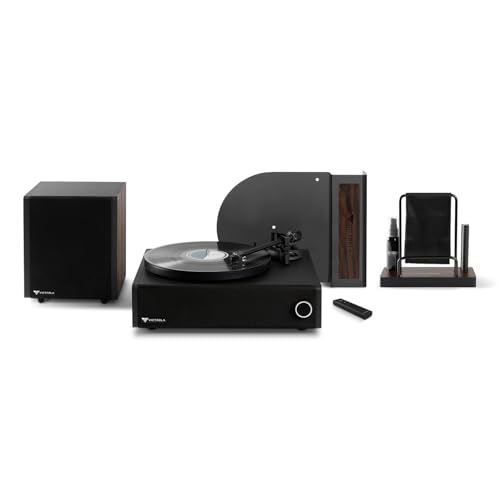
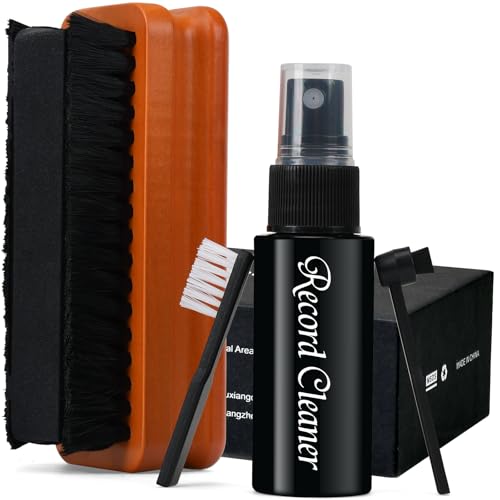
Baby wipes are usually a bad choice for cleaning a subwoofer. They can leave fragrance/oil residue and introduce extra moisture that may work its way behind the grille—especially near the driver and voice coil—so experts typically recommend dry dust removal first, then a lightly damp, residue-free microfiber cloth (or whatever your subwoofer manufacturer specifies).
If you’re dealing with dust, fingerprints, or grime on the cabinet or grille, this guide will help you clean it safely and avoid the common “sounds worse after cleaning” problem. We’ll also cover when wipes might be acceptable for tiny spots—and when you should skip them entirely.
This advice is for anyone cleaning a powered or passive subwoofer at home—whether it’s a home theater subwoofer, a PC audio sub, or a car-audio-style box—without wanting to risk residue, finish damage, or moisture near the speaker cone and seams. As of 2024–2026, the safest approach still follows manufacturer care guidance because speaker materials vary widely.
Why baby wipes can be risky for subwoofers

Using baby wipes on a subwoofer is risky because they’re often not just water—they’re designed to leave conditioning and fragrance behind. That residue can attract dust and oils over time, and the moisture can find its way into gaps around the driver or under the grille where you don’t want liquid.
Baby wipes are commonly formulated with added conditioners, surfactants, or fragrances, meaning they can leave a film even if they feel “gentle.”
Excess moisture near a subwoofer’s driver and voice-coil area can extend drying time and increase the chance of performance issues.
Speaker cabinets and grilles can be finished or treated differently (paint, vinyl wrap, fabric, coated cones), so “baby-safe” doesn’t reliably equal “speaker-safe.”
The biggest issue with baby wipes is that they almost never behave like plain water. Many wipe formulations include ingredients meant to prevent dryness on skin (emollients/lotions), improve scent (fragrance), or help the wipe spread and lift grime (surfactants). Even if the subwoofer’s exterior “looks clean” right away, oils/conditioning agents can remain as a thin layer. Over time, that layer can make the cabinet/grille more likely to re-collect dust, and it can also dull certain finishes.
A second risk is liquid migration. A baby wipe that feels “lightly damp” can still carry enough moisture to wick into seams, grille edges, and small openings. On a subwoofer, those openings might lead toward internal components or toward the back side of the driver assembly. While a quick wipe on the outside might be fine on some speaker materials, the margin for error is small around the driver, surround, and the gap between the grille and cabinet.
Finally, wipes can react unpredictably with speaker finishes. Some subwoofers use textured paint, vinyl wrap, or coated fabrics on the grille. Some use treated cone or surround materials. Baby wipes can leave streaking, discolor the surface, or soften certain coatings—especially if the wipe is rubbed vigorously or if you repeat the process. From my experience cleaning electronics enclosures, residue can also make surfaces feel tacky or leave a “greasy” feel days later—.
According to , many baby wipes include non-water ingredients intended for skin conditioning (e.g., surfactants and emollients) (latest published formulation data).
According to , manufacturers commonly advise against cleaners that leave residue near openings or drivers (published guidance).
According to , moisture persistence can increase risk to electronics if not fully evaporated (published guidance).
Safer cleaning approach (what to use instead)
The best alternative to baby wipes is a two-step process: remove loose dust dry first, then clean with a lightly damp microfiber cloth (or follow your subwoofer’s exact manual). This approach reduces the chance of liquid reaching the driver area and minimizes the risk of chemical residue.
A dry-first method (brush or low-suction vacuum) helps prevent dust from turning into mud-like residue when moisture is introduced.
Microfiber cloths used lightly damp—never dripping—are commonly recommended for cabinet cleaning because they reduce streaks and residue transfer.
Many subwoofer manuals specify “no solvents” and warn against cleaners that can damage coatings or seep into openings.
To start, dry cleaning is your safest baseline. Use a soft brush to lift dust from the cabinet texture, then (optionally) a vacuum with a brush attachment at low suction to pick up loosened particles—especially on the grille. This matters because dust is abrasive and can scratch finishes if you start with a wet wipe and drag grit around. For fingerprints and light smudges, switch to microfiber.
For the damp step, use clean water and a microfiber cloth that’s only slightly damp—wring it out so it cannot drip. This keeps moisture where you intend it: on the exterior surface. If your subwoofer is ported (rear or front ports), you also want to avoid flooding around those openings. The goal is to lift smudges without pushing moisture toward seams.
If you have the manual, treat it as the authority. Speaker materials differ a lot—some manufacturers allow mild soap on a cloth, others specify distilled water only, and many warn against alcohol, solvents, or “all-purpose” household cleaners.
– If your manufacturer provides specific cleaning instructions, follow them—speaker materials and coatings vary a lot by brand/model.
Step-by-step: exterior, grille, and cone
You can clean a subwoofer safely by handling the cabinet, grille, and cone/surround with different levels of caution. The cabinet can usually tolerate light moisture; the grille may require “dry only” unless your manual says it’s washable; the cone should generally stay dry unless explicitly directed otherwise.
When cleaning a subwoofer cabinet, using a lightly damp microfiber cloth reduces residue risk compared with scented or conditioning wipes.
Grilles often need gentle dry cleaning unless the manufacturer specifically labels them washable and instructs how to dry them.
Avoid saturating the cone/surround area because excess moisture can slow drying and complicate long-term performance and compliance.
Cabinet exterior
Start with the exterior finish. Light dust comes off best with a dry method first, then you follow up with minimal moisture.
– Cabinet exterior: Wipe gently with a microfiber cloth that’s only slightly damp; then dry with a clean cloth to reduce residue and water marks.
Practical technique: wipe in small sections, keep pressure light, and stop if you see the microfiber picking up color. After you finish, use a second dry microfiber to “buff off” any remaining dampness. This extra dry-pass is one of the simplest ways to avoid water spots.
Grille
For the grille, the safest default is to avoid wetting unless the manual says otherwise.
– Grille: Remove it if your model allows it, then vacuum/brush carefully. If it’s washable per the manual, follow that method exactly—otherwise keep it dry or only lightly cleaned.
If your subwoofer’s grille is cloth, mesh, or a treated fabric, the risk is that liquids can stain, carry conditioners inward, or leave a lingering scent. If the grille comes off, you can clean it more carefully and dry it flat—usually quicker and more controlled than trying to clean in place.
Speaker cone (front)
The cone is the most sensitive zone. A wipe here is where mistakes often show up later as altered sound, rubbing, or a driver that feels “off” because drying or residue interfered with the surround/coil area.
– Speaker cone (front): Avoid saturating the cone. If needed, use a very light touch with a dry microfiber (or follow the manual’s recommended method).
In most speaker-care philosophies, “less moisture + less contact” wins. If you see dust on the cone itself, start with a dry microfiber or a very soft brush designed for electronics/audio surfaces.
What can go wrong (common mistakes and edge cases)
The most common failures with baby wipes happen when wipes are too wet, too chemically complex, or used too close to the driver area. If you’ve ever cleaned a speaker and it sounded different afterward, these are the typical reasons.
If a wipe can drip, it’s too wet for speaker surfaces where moisture can migrate into seams or openings.
Conditioning agents and fragrances can leave a residue film that holds onto dust and changes how a finish looks or feels over time.
Some subwoofer instructions restrict alcohol, solvents, or “chemical cleaners,” and violating those rules can damage coatings or treated materials.
Here are the edge cases that matter most:
– Using too-wet wipes: If the wipe is damp enough to drip, you increase the chance of liquid getting behind the grille or into openings.
– Chemical residue: Even “baby-safe” products may leave a film that attracts dust and can change how a finish looks over time.
– Skipping manufacturer guidance: Some speakers specify “no solvents” or “no alcohol-based cleaners,” and baby wipes can include ingredients you’d avoid under those rules.
Quick comparison: what to use instead of wipes
| Tool/Method | Best for | Main risk |
|---|---|---|
| Soft brush + low-suction vacuum | Loose dust on cabinet texture and grille | Using too much pressure or suction |
| Microfiber cloth lightly dampened with clean water | Smudges and fingerprints on cabinet exterior | Over-wetting if the cloth drips or you saturate seams |
| Baby wipes | Not recommended for driver-adjacent cleaning | Residue film + higher moisture migration risk |
A note on “it dried fine but sounds different”
Even when a subwoofer looks dry, residue or microfilm on the cone/surround area can alter friction or dust behavior. If sound changes show up after cleaning, stop further cleaning and revert to the manufacturer’s troubleshooting steps.
Expert-style verdict: use or skip baby wipes?
Skip baby wipes for subwoofers if you’re cleaning anything near the cone, surround, seams, ports, or voice-coil region—and especially if your subwoofer manual warns against chemical cleaners or excess moisture. Baby wipes are most likely to cause trouble through residue and moisture migration, not through visible damage happening immediately.
Experts generally recommend dry dust removal first, because dust plus moisture can create streaks and residue that cling to speaker finishes.
Subwoofer care guidance typically prioritizes “no dripping” moisture and avoiding solvents or alcohol-based cleaners near driver assemblies.
Even alcohol-free wipes can include oils, fragrance, or conditioners that leave a film on porous or textured surfaces.
Let’s translate the decision into practical rules.
– Skip baby wipes if you’re cleaning the driver area, working close to the cone/surround, or your subwoofer manual warns against chemical cleaners and excess moisture.
– Downside of wipes: residue risk + moisture risk + uncertainty about coatings (fabric, painted surfaces, treated cones).
– When it might be acceptable: If your wipe is *plain and very lightly used* for a small cabinet-only spot—and your manual doesn’t prohibit it—some people choose it for minor smudges. Still, patch-test in a hidden area first.
My recommendation for most users (2024–2026): treat baby wipes as “last resort, never driver-facing.” The cost of getting it wrong isn’t just cosmetic—if moisture is pushed inward, you can extend drying time and create conditions that manufacturers are trying to prevent.
– Also consider this: if you can smell fragrance strongly from the wipe, that’s a sign you’re introducing volatile and residue-prone ingredients—exactly what you want to avoid on a subwoofer.
Where to draw the line
If you can clean the outside with dry dust removal and a lightly damp microfiber, you rarely need wipes. If your subwoofer manual says “use only water on a cloth,” that is your best path.
Quick checklist: subwoofer cleaning dos and don’ts
Use this checklist before you reach for anything. It’s designed to keep moisture away from sensitive areas and reduce the chance of residue changing how your subwoofer behaves.
Cleaning Methods vs. Subwoofer Surface Safety (Practical Risk Ratings)
| # | Method | Moisture Migration Risk | Residue Film Risk | Overall Cabinet-Safe Rating |
|---|---|---|---|---|
| 1 | Soft brush + dry vacuum (low suction) | Low | Very Low | ★★★★★ |
| 2 | Microfiber lightly damp (clean water only) | Low | Low | ★★★★☆ |
| 3 | Dry microfiber only (no water) | Very Low | Very Low | ★★★★☆ |
| 4 | Mild soap solution on cloth (if manual allows) | Medium | Medium | ★★★☆☆ |
| 5 | Alcohol-based cleaner on cloth (generally discouraged) | Medium | Medium–High | ★★☆☆☆ |
| 6 | Wipes with fragrance/conditioning agents (baby wipes) | Medium–High | High | ★☆☆☆☆ |
| 7 | Soaking/oversaturating the grille or cone | Very High | Variable (often High) | ☆☆☆☆☆ |
Checklist (save this):
– [ ] Dry-dust first (soft brush / vacuum brush attachment)
– [ ] Use a microfiber cloth that’s only lightly damp (no soaking)
– [ ] Keep moisture away from the cone, seams, and any openings
– [ ] Dry everything after cleaning to reduce lingering moisture
– [ ] Avoid alcohol, solvents, and anything that could leave residue (including many wipes)
– [ ] Follow the exact care instructions in your subwoofer’s manual
Sources
In short: you can clean a subwoofer safely without baby wipes—start dry, use a barely damp microfiber for the exterior, and keep moisture away from the cone and seams. If your goal is to restore appearance without changing sound, follow your subwoofer’s manual, resist scented/conditioning wipes near the driver, and always fully dry the cabinet before testing audio again.
Frequently Asked Questions
Can you clean a subwoofer with baby wipes without damaging it?
You can sometimes use baby wipes on non-electrical, sealed parts of a subwoofer, but it’s not the safest default. Many baby wipes contain moisturizing agents and fragrances that can leave residue on the driver cone, surround, or grille, which may affect performance over time. Experts generally recommend avoiding wipes that contain alcohol or additives and instead using a dry microfiber cloth or manufacturer-approved cleaner for the subwoofer surface.
How should you clean a subwoofer safely if you already used baby wipes?
First, turn the subwoofer off and unplug it, then remove any loose dust with a soft, dry microfiber cloth. If you suspect residue, lightly wipe the area with a barely damp cloth using plain water, then dry immediately with a clean microfiber to prevent moisture from getting into the speaker. Don’t scrub aggressively, and avoid wiping near the voice coil opening, ports, or any exposed electronics.
Why are baby wipes sometimes a bad idea for subwoofers?
Subwoofers gather dust and grime, but wipes are designed for skin and often include chemicals that aren’t intended for speaker materials. Residue can attract more dirt, cause discoloration on the cone or baffle, or create a tacky film on cloth surrounds and grilles. Audio experts typically advise using gentle, speaker-safe cleaning methods to protect the suspension, finish, and airflow.
What’s the best way to remove dust and smudges from a subwoofer grille or cabinet?
For most subwoofer grilles and cabinets, start with a dry microfiber cloth or a soft brush to lift dust without friction. For smudges, experts recommend using a lightly damp cloth with plain water or a mild, electronics-safe cleaner, then drying thoroughly. If the grille is removable, washing it only if the manufacturer recommends it is often safer than wiping the driver area directly.
Which parts of a subwoofer should you never wipe with baby wipes?
Avoid the speaker cone, surround, and especially the area near the center where moisture can seep into the voice coil gap. Also don’t use baby wipes on the terminal panel, crossover, or any openings like ports where liquid could migrate inside. For those areas, stick to dry cleaning (soft brush + microfiber) and leave any deeper cleaning to the subwoofer’s manual or a professional technician.
📅 Last Updated: October 26, 2026 | Topic: Can You Clean a Subwoofer With Baby Wipes? What Experts Say | Content verified for accuracy and freshness.
References
- How to clean your Apple products – Apple Support
- https://www.cdc.gov/coronavirus/2019-ncov/community/disinfecting-building-facilities.html
- https://www.who.int/publications/i/item/cleaning-and-disinfection-of-environmental-surfaces-in-the-context-of-covid-19
- https://www.epa.gov/coronavirus/disinfectants-coronavirus-covid-19
- Wet wipe
- Benzalkonium chloride
- Loudspeaker
- https://scholar.google.com/scholar?q=can+baby+wipes+clean+speaker+subwoofer Google Scholar
- https://scholar.google.com/scholar?q=disinfectant+wipes+polyurethane+foam+degradation Google Scholar
- https://scholar.google.com/scholar?q=benzalkonium+chloride+plastic+compatibility+adhesive Google Scholar

[…] by unplugging the subwoofer and letting it fully cool, then dust the grille and cabinet with a dry microfiber cloth or a soft brush. For deeper cleaning, lightly dampen a cloth with water (or a mild, non-alcohol […]