
Cleaning engine oil off your engine requires a few effective techniques to ensure a thorough job without damaging any components. Utilizing the right methods and tools can help maintain your engine’s integrity while enhancing its performance. In this article, you’ll learn the best methods, tools, and safety measures to effectively remove engine oil stains and maintain a clean engine.



Understanding the Importance of Cleaning Engine Oil

Cleaning engine oil is crucial not only for aesthetics but also for the longevity of your vehicle. Engine oil can attract dirt and debris, which may lead to potential engine damage over time. Accumulated oil can insulate heat, causing overheating issues and affecting engine performance. Additionally, regular cleaning helps in identifying leaks early, allowing for timely repairs and preventing costly engine damage that could result from oil leaking onto critical components. By maintaining a clean engine, you not only enhance its appearance but also improve reliability and efficiency.

Tools and Materials You Will Need


To effectively clean engine oil off your engine, you will need the following tools and materials:
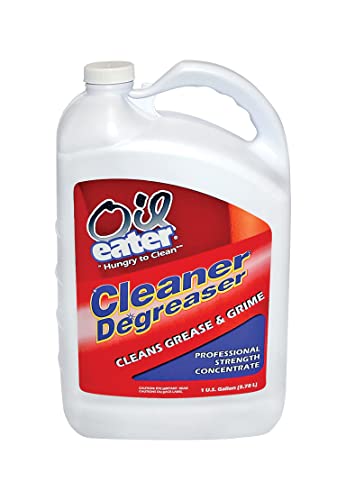
– Engine Degreaser: A powerful cleaner specifically designed for automotive use that cuts through grease and oil.
– Soft Brushes and Rags: Use soft-bristled brushes for scrubbing and microfiber rags for wiping away residue without scratching sensitive surfaces.
– Personal Protective Equipment: Gloves and goggles are essential for ensuring safety while cleaning, as engine degreasers can be harsh on the skin and eyes.
In addition to these essentials, having a bucket and a hose or low-pressure water source will aid in rinsing the engine clean after applying the degreaser.
Preparing Your Engine for Cleaning

Before you begin the cleaning process, it is essential to prepare your engine properly:
– Ensure the Engine is Cool: Always wait until the engine has cooled down to prevent burns and injuries.
– Disconnect the Battery: This step is critical to avoid any electrical issues during cleaning. Disconnecting the battery ensures that there is no risk of short-circuiting any components while you are working.
Applying Engine Degreaser
The application of engine degreaser is a pivotal step in the cleaning process:
– Spray the Degreaser Generously: Focus on the oil-stained areas and spray the degreaser liberally, ensuring it saturates the grime. Allow it to penetrate for several minutes to break down the oil.
– Use a Soft Brush to Agitate: After letting the degreaser sit, use a soft brush to scrub the surfaces gently. Work the degreaser into the oily areas, breaking down the residue effectively.
It is advisable to follow the manufacturer’s instructions on the degreaser for optimal effectiveness and safety.
Rinsing and Drying the Engine
Once you have agitated the degreaser and broken down the oil, it is time to rinse and dry the engine:
– Rinse Off the Degreaser: Use a low-pressure water source to rinse the engine thoroughly. High pressure can force water into sensitive electrical components, potentially causing damage.
– Dry the Engine: After rinsing, dry the engine with clean rags. Alternatively, allow it to air dry to prevent water spots and corrosion. Ensure that all areas are free of moisture before reassembling any components.
Final Touches and Inspection
After cleaning, perform a thorough inspection:
– Inspect the Engine for Remaining Oil Spots: Look for any missed areas or residual oil. If necessary, repeat the cleaning process for stubborn spots.
– Check for Signs of Leaks or Damage: While cleaning, take the opportunity to check for any leaks or damage that could require attention. Early detection of these issues can save you from costly repairs later.
Best Practices for Future Maintenance
To keep your engine clean and functioning optimally, consider the following best practices:
– Regular Inspections and Cleaning: Make it a habit to inspect and clean your engine regularly to avoid heavy oil buildup. A clean engine not only runs better but also lasts longer.
– Use a Protective Cover: When not in use, consider covering your engine with a protective cover to prevent dust and debris accumulation, which can interfere with engine performance.
Cleaning engine oil off your engine is a straightforward process that, when done correctly, can prolong the life of your vehicle. By following these steps, you can keep your engine clean and in optimal condition. Take action today by gathering your supplies and giving your engine the care it deserves!
Top Engine Degreasers for Cleaning Oil (2024)
| # | Brand | Product Type | Size | Effectiveness |
|---|---|---|---|---|
| 1 | Gunk Engine Degreaser | Aerosol | 14 oz | ★★★★★ |
| 2 | Simple Green Pro HD | Liquid | 1 gallon | ★★★★☆ |
| 3 | Purple Power | Liquid | 1 gallon | ★★★★☆ |
| 4 | Zep Heavy-Duty | Liquid | 1 gallon | ★★★★☆ |
| 5 | WD-40 Specialist | Aerosol | 14 oz | ★★★★☆ |
| 6 | Krud Kutter | Liquid | 32 oz | ★★★☆☆ |
| 7 | Berryman B-12 | Liquid | 12 oz | ★★★☆☆ |
Effectiveness of Engine Degreasers (% of Oil Removed)
Gunk vs Simple Green vs Purple Power: Cleaner Comparison
| Feature | ⭐ Gunk | Simple Green | Purple Power |
|---|---|---|---|
| Price | $5.99 | $10.99 | $8.99 |
| Application Type | Aerosol | Liquid | Liquid |
| Recommended Use | Heavy grime | General cleaning | Multi-purpose |
| Pet Safe | ❌ | ✅ | ✅ |
| Environmentally Friendly | ❌ | ✅ | ✅ |
| Effectiveness | ★★★★★ | ★★★★☆ | ★★★★☆ |
| Ease of Use | Easy | Moderate | Easy |
| Availability | Widely available | Widely available | Available online only |
| Customer Rating | ★★★★★ | ★★★★☆ | ★★★★☆ |
| 🏆 Best For | Heavy grime | General use | Multi-purpose |
In conclusion, cleaning engine oil off your engine is an essential maintenance task that can significantly extend the life of your vehicle. By following the methods outlined in this article, utilizing the recommended tools, and implementing best practices for future maintenance, you can ensure that your engine remains clean and efficient. Regular inspections and proactive cleaning will also help in early detection of potential issues, ultimately saving you time and money. Take the first step today to give your engine the care it deserves!
Frequently Asked Questions
How can I effectively clean engine oil off my engine?
To effectively clean engine oil off your engine, start by allowing the engine to cool completely. Use a degreaser specifically designed for automotive use, spray it on the oily areas, and let it sit for a few minutes. Then, scrub with a brush and rinse with water, ensuring to cover sensitive components to avoid damage.
What are the best products for removing engine oil stains?
The best products for removing engine oil stains include heavy-duty degreasers, such as Simple Green or Purple Power, which are effective in breaking down oil. Additionally, using a mixture of baking soda and water can create a natural cleaner that absorbs oil stains when scrubbed onto the affected areas.
Why is it important to clean engine oil off the engine regularly?
Cleaning engine oil off your engine regularly is important because accumulated oil can attract dirt and debris, which may lead to overheating and performance issues. Furthermore, it helps in identifying potential leaks early, ensuring your engine runs smoothly and prolonging its lifespan.
Which tools do I need to clean engine oil from my engine effectively?
To clean engine oil from your engine effectively, you’ll need tools such as a soft-bristle brush, microfiber cloths, and a spray bottle for the degreaser. Additionally, having a pressure washer or hose with a spray nozzle can help rinse off the degreaser thoroughly without damaging sensitive parts.
How often should I clean engine oil off my engine?
You should clean engine oil off your engine at least once or twice a year, depending on your driving conditions and oil leakage severity. If you frequently drive in dusty or off-road environments or notice oil buildup, consider cleaning more often to maintain optimal engine performance.
References
- https://www.nap.edu/catalog/2161/cleaning-and-degreasing
https://www.nap.edu/catalog/2161/cleaning-and-degreasing - https://www.sciencedirect.com/topics/engineering/engine-cleaning
https://www.sciencedirect.com/topics/engineering/engine-cleaning - https://www.bbc.com/future/article/20200130-how-to-clean-an-engine
https://www.bbc.com/future/article/20200130-how-to-clean-an-engine - https://www.enginebuildermag.com/2021/05/how-to-clean-an-engine/
https://www.enginebuildermag.com/2021/05/how-to-clean-an-engine/ - Google Scholar Google Scholar
https://scholar.google.com/scholar?q=how+to+clean+engine+oil+off+engine - Google Scholar Google Scholar
https://scholar.google.com/scholar?q=engine+cleaning+methods - Google Scholar Google Scholar
https://scholar.google.com/scholar?q=removing+engine+oil+cleaning+techniques - how to clean engine oil off engine – Search results
https://en.wikipedia.org/wiki/Special:Search?search=how+to+clean+engine+oil+off+engine - https://www.ncbi.nlm.nih.gov/search/research-articles/?term=how+to+clean+engine+oil+off+engine
https://www.ncbi.nlm.nih.gov/search/research-articles/?term=how+to+clean+engine+oil+off+engine
