
Cleaning an old quilt requires a careful approach to preserve its fabric and stitching while effectively removing dirt and stains. Begin by assessing the quilt’s material and condition before selecting the appropriate cleaning method. In this guide, you’ll learn how to safely clean your cherished quilt, ensuring it remains a treasured piece for years to come.
Assessing the Quilt’s Condition
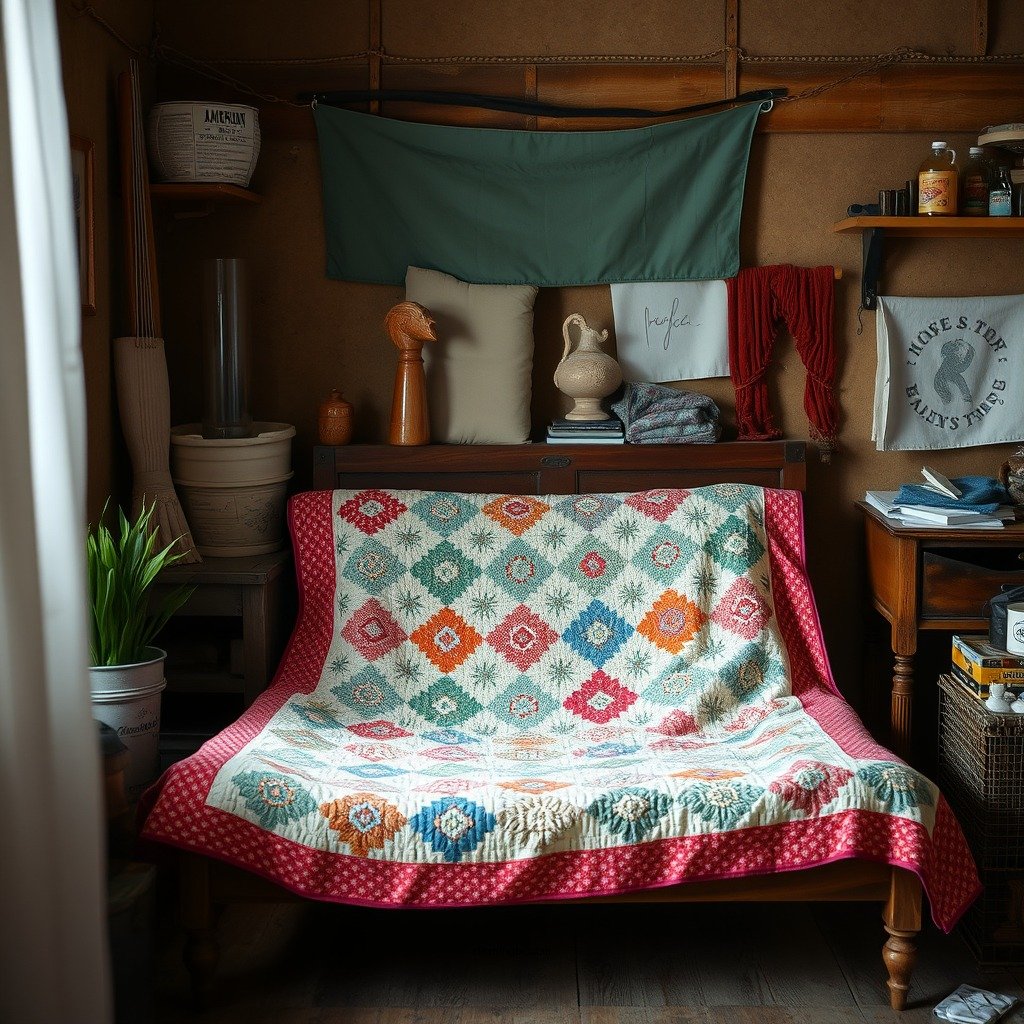
Before you embark on the cleaning process, it’s essential to assess the condition of your quilt. This step will help you determine the best cleaning method to use and prevent any potential damage.
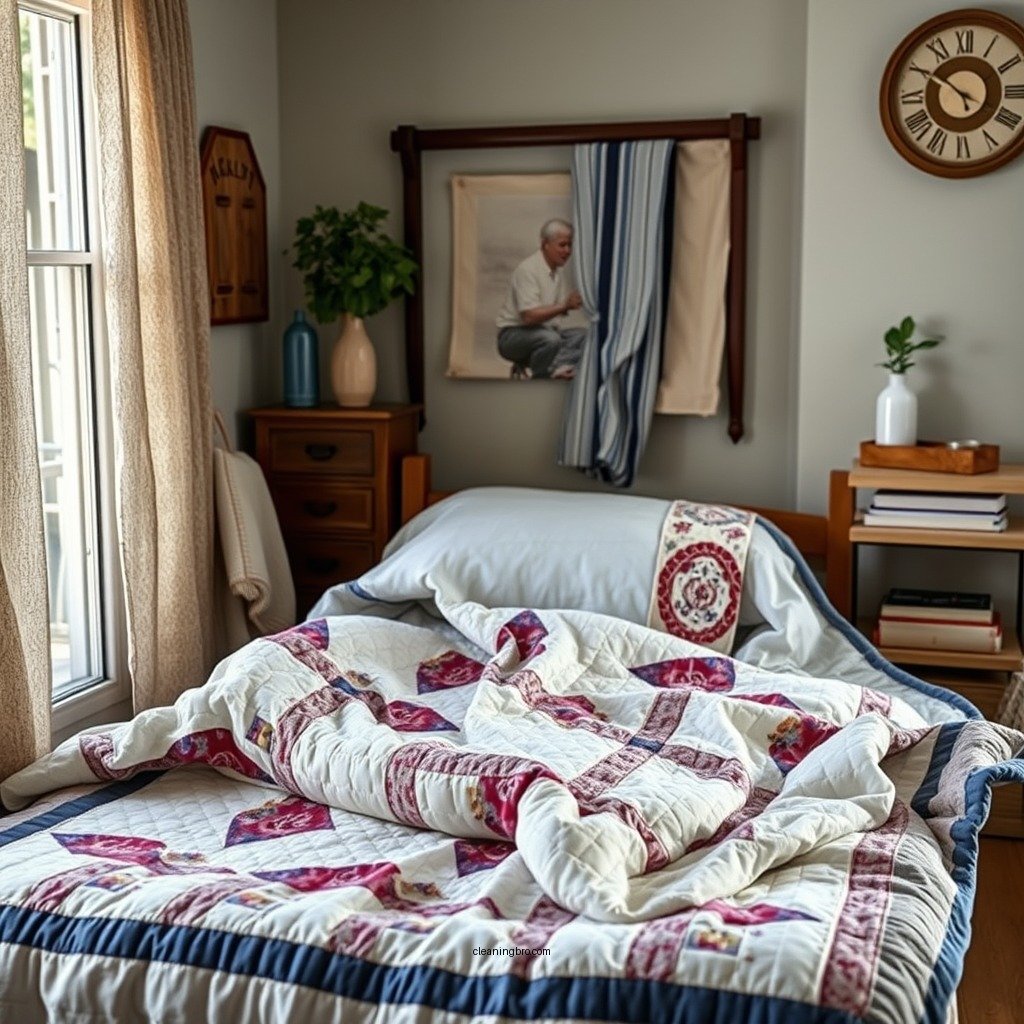
1. Check for Visible Damage: Look for any tears, fraying, or loose stitching. If you find any, make minor repairs before cleaning, as cleaning can exacerbate existing damage. Hand-sewing small tears with matching thread can help secure the fabric.
2. Determine the Fabric Type: Quilts can be made from various materials such as cotton, wool, or synthetic fibers. Each type has unique care requirements. For instance, cotton quilts are generally more durable and can withstand machine washing, whereas delicate fabrics like silk require a gentler approach.
3. Inspect for Stains: Identify any stains or discolorations and take note of their locations. This will help you prioritize your cleaning efforts and address specific areas more effectively.
Choosing the Right Cleaning Method
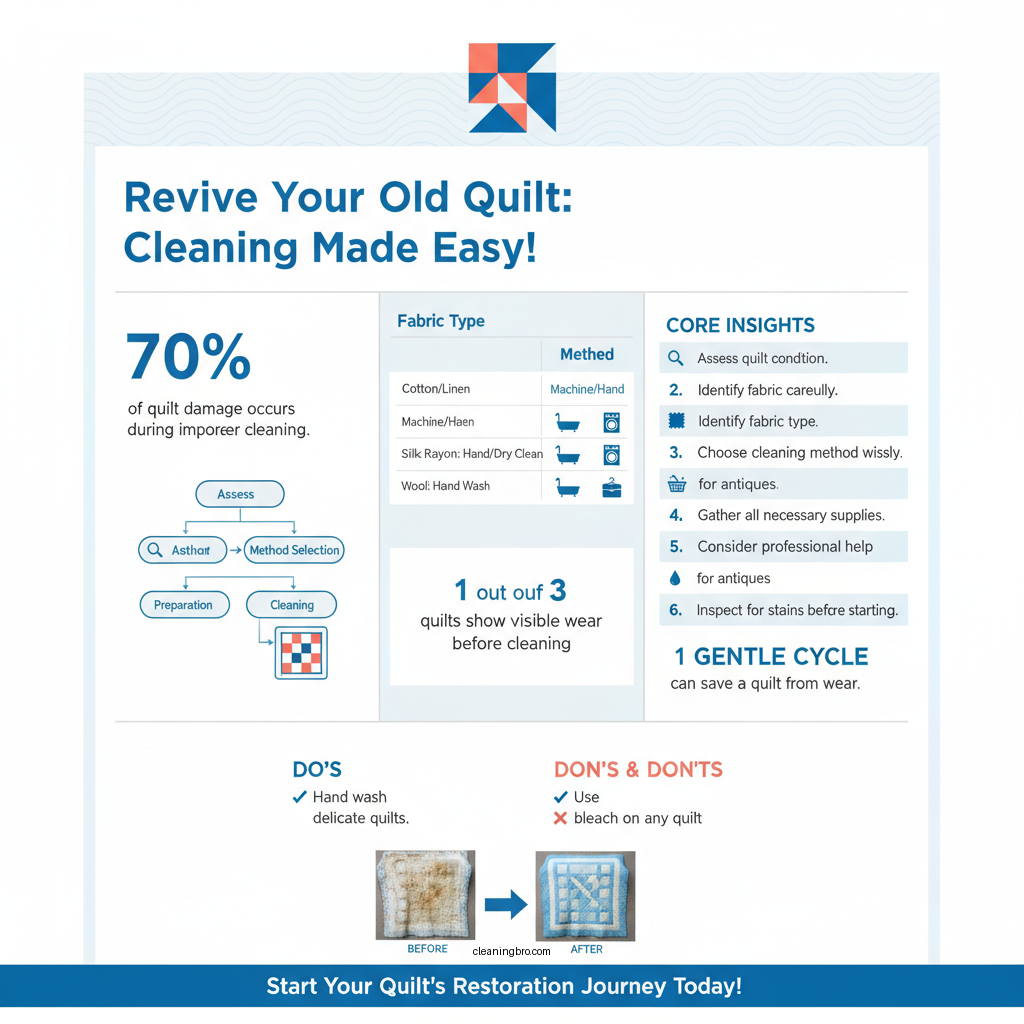

The cleaning method you choose for your quilt should be based on its fabric and condition. Here are the primary options:
1. Hand Washing: This is often the safest method for delicate quilts. It allows for more control over the cleaning process, reducing the risk of damage. Fill a bathtub or large basin with cool water and a mild detergent specifically formulated for delicate fabrics.
2. Machine Washing: If your quilt is made from durable materials and is in good condition, machine washing may be an option. Use a gentle cycle and place the quilt in a mesh laundry bag to protect it from snags and tangles.
3. Dry Cleaning: For antique or highly delicate quilts, professional dry cleaning is recommended. This method utilizes solvents instead of water, which can be safer for fragile fabrics.
4. Research Specific Recommendations: Before deciding, check for any cleaning instructions that may have come with the quilt or consult with a textile expert for advice tailored to your specific quilt.
Preparing for Cleaning
Preparation is key to effective quilt cleaning. Here’s what you’ll need:
– Mild detergent (preferably a pH-neutral formula)
– A bathtub or large basin for washing
– White towels for drying
– A mesh laundry bag (if machine washing)
2. Perform a Patch Test: Before fully immersing your quilt in water, conduct a patch test on a small, inconspicuous area. Moisten the fabric with water and apply a bit of detergent, then blot with a white cloth to check for color bleeding. If no color transfers, it’s safe to proceed.
3. Prepare Your Space: Clear an area where you can comfortably work, ensuring you have enough space for drying the quilt afterward.
Common Quilt Materials and Their Care Instructions
| Material | Washing Method | Drying Method | Notes |
|---|---|---|---|
| Cotton | Hand wash or machine wash | Air dry or tumble dry on low | Durable and colorfast |
| Wool | Dry clean or hand wash | Lay flat to dry | Can shrink in heat |
| Silk | Dry clean only | Air dry away from sunlight | Very delicate |
| Polyester | Machine wash | Tumble dry on low | Resistant to wrinkles and shrinking |
| Bamboo | Hand wash or gentle machine wash | Air dry | Soft and hypoallergenic |
| Linen | Hand wash or machine wash | Air dry | Strong and absorbent |
| Velvet | Dry clean only | Do not tumble dry | Elegant but fragile |
Cleaning the Quilt
Once you have adequately prepared, it’s time to clean your quilt. Follow these steps based on the method you’ve chosen:
1. Hand Washing:
– Fill a bathtub or large basin with cool water and add a small amount of mild detergent.
– Submerge the quilt gently and let it soak for about 15-30 minutes.
– Gently agitate the water with your hands to help lift dirt without scrubbing or wringing the fabric.
– Rinse thoroughly with cool, clean water until the detergent is completely removed.
2. Machine Washing:
– Place the quilt in a mesh laundry bag to protect it during the wash cycle.
– Use a gentle cycle with cold water and a mild detergent.
– Avoid using bleach or fabric softeners, as these can damage the fibers.
3. Dry Cleaning:
– If your quilt requires dry cleaning, take it to a professional service that specializes in textiles. Inform them of any stains or damage.
Drying the Quilt
Proper drying is critical to ensure your quilt maintains its shape and fabric integrity.
1. Avoid Direct Sunlight: Lay the quilt flat on a clean surface, such as a large table or a drying rack, away from direct sunlight to prevent fading and fabric weakening.
2. Using a Dryer: If you opt to use a dryer, select a low-heat setting. It is advisable to remove the quilt while it is still slightly damp to prevent shrinkage.
3. Fluffing the Quilt: Occasionally fluff the quilt during drying to help maintain its loft and prevent it from becoming flat.
Storing Your Clean Quilt
Proper storage is essential for keeping your quilt in excellent condition.
1. Complete Drying: Ensure the quilt is entirely dry before folding it away to prevent mildew growth.
2. Use Breathable Material: Store your quilt in a breathable cotton bag or an acid-free box. Avoid plastic bags, as they can trap moisture and promote mold growth.
3. Avoid Compression: If possible, store the quilt flat rather than folded to prevent creases and pressure marks.
Regular Maintenance Tips
Regular maintenance can prolong the life of your quilt and keep it looking fresh.
1. Spot Clean Stains Promptly: If you notice any stains, address them immediately with a gentle cleaner. Blot the stain with a clean cloth rather than rubbing it, as this can spread the stain.
2. Rotate and Air Out: Regularly rotate the quilt and air it out to prevent odors and maintain its freshness. This is especially important if the quilt is used frequently.
3. Keep Away from Sunlight: When not in use, keep your quilt away from direct sunlight to preserve its colors and prevent fading.
By following these steps, your old quilt can be beautifully cleaned and preserved. Remember to take your time and treat it gently to maintain its integrity. If you have any questions or need further assistance, don’t hesitate to reach out for professional help or advice. Your quilt is not only a functional item but a piece of history that deserves careful attention and care.
Frequently Asked Questions
What is the best way to clean an old quilt without damaging it?
The best way to clean an old quilt is to hand wash it in a bathtub or large sink using a gentle detergent. Fill the tub with cool water, submerge the quilt, and gently agitate it. Avoid wringing or twisting the fabric, as this can cause damage; instead, rinse thoroughly and lay the quilt flat to dry.
How can I remove stains from an antique quilt?
To remove stains from an antique quilt, first identify the type of stain and treat it accordingly. For organic stains, like food or blood, use a mixture of cold water and mild detergent to blot the stain gently. Always test a small, inconspicuous area first to ensure the fabric’s color and integrity are preserved.
Why should I avoid using a washing machine to clean my old quilt?
Avoiding a washing machine for cleaning an old quilt is crucial because the agitation and spin cycles can cause fabric tears and fraying. Additionally, machine washing can alter the quilt’s shape and lead to uneven wear, especially in delicate or vintage fabrics. Hand washing is a safer method that helps maintain the quilt’s integrity.
Which cleaning products are safe for washing vintage quilts?
Safe cleaning products for washing vintage quilts include gentle, pH-balanced detergents specifically designed for delicate fabrics. Look for products labeled as free of bleach or harsh chemicals, as they can damage the fibers. Additionally, consider using a color-safe enzyme cleaner for stubborn stains, ensuring it is compatible with the quilt’s fabric.
How often should I clean an old quilt to preserve its condition?
You should clean an old quilt every 5 to 10 years, depending on its usage and exposure to elements like dust and sunlight. If the quilt is used regularly or shows signs of dirt or stains, more frequent cleaning may be necessary. Always keep it stored properly in a cool, dry place to prevent damage between cleanings.
References
- https://www.nps.gov/articles/cleaning-and-caring-for-textiles.htm
https://www.nps.gov/articles/cleaning-and-caring-for-textiles.htm - https://www.archives.gov/preservation/cleaning-textiles
https://www.archives.gov/preservation/cleaning-textiles - https://www.si.edu/mci/english/learn_more/tips/cleaning.html
https://www.si.edu/mci/english/learn_more/tips/cleaning.html - Open Meeting Notice: Burial Sites Preservation Board to Meet Friday, D | Wisconsin Historical Soc…
https://www.wisconsinhistory.org/Records/Article/CS15047 - https://www.bbc.com/news/magazine-34720063
https://www.bbc.com/news/magazine-34720063 - https://www.theguardian.com/lifeandstyle/2015/mar/07/how-to-clean-a-quilt
https://www.theguardian.com/lifeandstyle/2015/mar/07/how-to-clean-a-quilt - Google Scholar Google Scholar
https://scholar.google.com/scholar?q=cleaning+old+quilt - Google Scholar Google Scholar
https://scholar.google.com/scholar?q=quilt+care+cleaning - Google Scholar Google Scholar
https://scholar.google.com/scholar?q=how+to+clean+textiles+quilt - Google Scholar Google Scholar
https://scholar.google.com/scholar?q=how+do+you+clean+an+old+quilt
