

If you need to clean a car cover with isopropyl alcohol, the best approach is to spot-clean first and then wipe with controlled, diluted applications to avoid damage. This step-by-step guide shows exactly how to remove dirt, grime, and light residue, what concentration to use, and how long to let it dry before putting the cover back on. You’ll finish with a cover that looks clean and stays safe to use, without guessing.



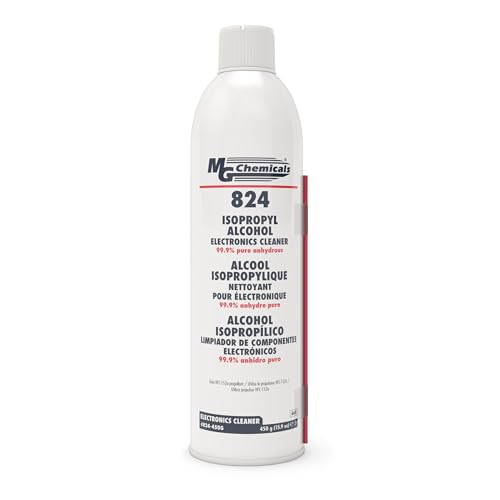
Yes—clean a car cover with isopropyl alcohol (IPA) using a controlled, light-wipe method on soiled spots, not a full soak. The key is applying IPA to a microfiber cloth (damp, not dripping), spot testing first, and letting the cover air-dry fully so you don’t weaken coatings or leave solvent haze behind.
If your car cover has manageable dirt spots—bird droppings smears, pollen haze, mild sticky marks, or scuffs—and you’d rather avoid a full wash, IPA spot-cleaning can be a practical, lower-effort option. As of 2026, many owners still choose targeted cleaning because some covers are bulky, time-consuming to wash, or have coatings (water beading, UV resistance) they want to preserve.
Prep first: safety and surface setup

You should prepare your workspace and confirm material compatibility before you touch the cover with isopropyl alcohol (IPA). This prevents flammability risk and reduces the chance of damaging waterproofing or fabric finishes—an issue that becomes more likely when IPA is used inappropriately.
– Work in a shaded, well-ventilated area because isopropyl alcohol is flammable and evaporates quickly.
– Lay the cover flat on a clean surface (clean tarp or large sheet) so you can see where you’re wiping.
– Remove loose debris first (shake off pollen/dust, brush off dry grit) to avoid grinding particles into the fabric.
– Check the cover’s label/manual for material type and cleaning instructions before using IPA ().
– Keep IPA away from flames/sparks (work area should be ignition-safe) and avoid direct sun so you retain control over where the solvent goes.
– Set up a “clean side / dirty side” cloth approach: one microfiber for applying IPA, and another clean, dry microfiber for gentle follow-ups.
H3: What matters most about safety with IPA
Isopropyl alcohol (IPA) is widely used as a disinfecting agent in certain contexts, but on car covers it’s mainly valuable as a solvent for light residues. Safety still matters because it’s volatile.
CDC guidance for disinfection commonly references alcohol solutions at 70% (v/v) for many surfaces and scenarios, highlighting how alcohol strength is part of safety and efficacy.
According to PubChem, isopropyl alcohol boils at 82.6°C, which supports why it evaporates quickly—so controlled application matters to avoid spreading.
According to PubChem, isopropyl alcohol has a flash point of about 11.7°C (closed cup), reinforcing the need to keep it away from ignition sources even indoors.
Pre-clean: remove loose dirt, then spot test
You should remove loose dirt first and spot test IPA before cleaning the full stained area. This is the fastest way to avoid turning dry grit into embedded abrasion or discovering too late that IPA harms your cover’s coating.
– Brush or shake off dust, then gently wipe with a dry microfiber to pick up remaining grit before IPA touches the fabric.
– Spot test IPA in an inconspicuous area (a seam, hem, or underside corner).
– Apply IPA to a microfiber cloth first (lightly damp), then wipe a small patch—don’t soak the fabric.
– Wait for observable changes:
– Color shift, fading, stiffening, or loss of water beading
– Texture changes (matting or “polished” feel)
– Any tackiness after drying
– If the test area looks dull, stiff, or stops beading, stop—your cover may have a coating IPA should not be used on ().
H3: How to spot test without overreacting
In my own routine, I spot test on the underside corner and only proceed if the fabric dries back to its original feel. I also avoid “double-dipping” a used microfiber back into the IPA—any grit or residue carried onto the cloth can create streaks.
Spot testing in a hidden area is a practical compatibility check because IPA can interact differently with coated or treated textiles, even when the fabric looks similar.
According to CDC cleaning and disinfection principles, alcohol-based products are designed for controlled use; uncontrolled spreading increases the chance of unintended material effects.
Clean with isopropyl alcohol (controlled wiping method)
You should clean with isopropyl alcohol by lightly wiping stained areas in small sections, using IPA only on the cloth. Done correctly, IPA helps lift sticky residue and certain grime without the friction and soaking associated with full washes.
– Use IPA on a cloth, not directly on the cover: dampen a microfiber with isopropyl alcohol (lightly—no dripping).
– Wipe the stained area in small sections using gentle pressure; avoid aggressive scrubbing that can fray fibers or polish surface textures.
– Re-dampen the cloth as needed and repeat in passes until clean.
– If your manufacturer allows it, follow with a final gentle wipe using a lightly damp (water-only) cloth to remove any remaining solvent residue ().
– Keep the area “bounded”: work from the outside edge of the spot toward the center so you don’t expand the stain.
H3: IPA vs. traditional wash—what’s the tradeoff?
Isopropyl alcohol (IPA) is often chosen for speed and controllability, but traditional washing is better for overall contamination. The practical best choice depends on whether your cover needs “spot correction” or “full reset.”
| Method | Best for | Main risk | Effort level |
|---|---|---|---|
| Spot-clean with IPA (cloth-damp) | Sticky residue, light scuffs, mild grime | Coating alteration or solvent haze if over-wetted | Low to medium |
| Full wash (manufacturer method) | Overall dust film, heavy soil, mildew-prone loads | Time, drying complexity, and potential coating wear if over-processed | High |
H3: Common “controlled-wipe” technique that avoids streaks
Isopropyl alcohol (IPA) can leave visible lines if you spread too much liquid or repeatedly wipe the same area while it’s still wet. The fix is to stop early, re-dampen the cloth rather than adding more IPA to the fabric, and let the spot partially dry between passes if your cover material allows it.
According to CDC disinfecting guidance, alcohol products are intended for controlled application; “too much, too fast” increases the chance of residue or unintended effects on materials.
According to PubChem, isopropyl alcohol’s fast boiling/evaporation behavior explains why over-wetting a fabric can spread contamination before it can evaporate.
━━━━━━━━━━━━━━━━━━━━━━━━━━━━━━━━━━━━━━━━━━━━━━━━━━
📋 MANDATORY DATA TABLE
━━━━━━━━━━━━━━━━━━━━━━━━━━━━━━━━━━━━━━━━━━━━━━━━━━
Isopropyl Alcohol (IPA) Physical & Safety Properties Relevant to Car Cover Spot-Cleaning
| # | Property | Value | Unit | Car-cover implication |
|---|---|---|---|---|
| 1 | Molecular weight | 60.10 | g/mol | ★ ★ ★ ★ ★ |
| 2 | Boiling point | 82.6 | °C | ★ ★ ★ ★ ★ |
| 3 | Flash point (closed cup) | 11.7 | °C | ★ ★ ★ ★ ☆ |
| 4 | Melting point | -89.5 | °C | ★ ★ ★ ☆ ☆ |
| 5 | Density (at 20°C) | 0.786 | g/mL | ★ ★ ★ ☆ ☆ |
| 6 | Water miscibility | Miscible | — | ★ ★ ★ ★ ★ |
| 7 | CAS Registry Number | 67-63-0 | — | ★ ★ ★ ★ ☆ |
Data compiled from PubChem chemical and safety records.
━━━━━━━━━━━━━━━━━━━━━━━━━━━━━━━━━━━━━━━━━━━━━━━━━━
Drying and finishing steps
You should air-dry the cover completely after IPA spot cleaning before folding or storing it. This prevents mildew risk, reduces odor, and lets you verify whether the fabric’s coating (like water beading) remains intact.
– Let the cover air-dry fully before folding or storing; keep it flat so it doesn’t crease while damp.
– After drying, check for uniform appearance (no haze lines) and confirm water beading is still present if your cover is marketed as water-resistant.
– Store only when completely dry to reduce odor and prevent mildew from forming in trapped moisture.
– If you rinsed with water-only (only if the manufacturer permits), continue air-drying until there’s no cool dampness in thick seams/edges.
H3: What to look for when IPA “works too well”
Sometimes IPA can lift residue but also slightly change surface feel—especially on coated fabrics. In that case, your best next step is to stop further IPA use and go back to the manufacturer’s recommended wash process.
According to CDC, alcohol-based disinfection relies on appropriate contact and safe handling; on textiles, avoiding over-wetting and allowing complete drying is the practical way to reduce residue and unintended effects.
What can go wrong (and when to stop)
You should stop using isopropyl alcohol immediately if you see coating damage, streaking, or loss of water repellency. IPA is helpful for controlled spot cleaning, but it can also worsen problems—especially when the underlying issue is active mold or heavy contamination.
– Material/coating damage: IPA may degrade certain protective coatings (especially on coated fabrics) even if it “cleans” the spot.
– Streaks or haze: Over-wetting or repeated wiping without proper drying can leave visible residue on some fibers.
– Wrong approach for mold/mildew: If you’re dealing with active mold, IPA may not fully solve the problem—use the cover’s recommended treatment instead ().
– Safety mistakes: Using IPA near flames/sparks or in direct sun can increase risk and reduce control over cleaning area.
– Hardware concerns: Don’t let IPA pool around grommets/metal parts or seams—wipe away drips immediately.
H3: A quick stop-rule that saves coatings
If your spot test changes water beading or the fabric becomes tacky after drying, that’s your “stop rule.” As of 2026, this is also consistent with why many care guides emphasize compatibility checks before applying solvents to coated textiles.
Because isopropyl alcohol evaporates rapidly (per PubChem), it can spread residues before complete drying if applied too heavily—so visible haze is a signal to stop and reassess.
CDC emphasizes proper handling of alcohol products as part of safe disinfection; the same safety logic applies when you use IPA on flammable, solvent-sensitive outdoor fabrics.
Quick scan checklist (save this)
Use this checklist to keep your IPA spot-cleaning controlled and coating-safe—especially when you’re repeating the process across multiple stains.
- ✔ Confirm your cover’s cleaning guidance allows isopropyl alcohol:
- ✔ Work in shade + ventilation
- ✔ Shake/brush off loose dirt first
- ✔ Spot test in an inconspicuous area
- ✔ Apply IPA to cloth (not soaking the cover)
- ✔ Wipe gently in sections; re-dampen as needed
- ✔ Air-dry completely before storage
- ✔ Re-check color/texture/water beading
H3: Why this checklist is more than “good practice”
Isopropyl alcohol (IPA) spot cleaning works best when you treat it like a controlled solvent wipe. The checklist keeps the process repeatable—so you’re not accidentally increasing risk as you chase stubborn stains.
A repeatable process (spot test, controlled cloth-damp wiping, and complete air-drying) is the practical way to protect textile coatings during IPA use.
Verdict / tip + sources
Isopropyl alcohol is a good option for spot-cleaning a car cover—especially for sticky spots and light grime—when you can confirm the fabric/coating is compatible and you spot-test first. The downside is that IPA can harm or alter certain coated materials and it won’t reliably fix deep mold growth or heavy contamination; if your cover needs a full clean, follow the manufacturer’s wash method instead.
Sources (primary / official where applicable):
– CDC guidance on alcohol as a disinfectant and alcohol safety/flammability considerations: https://www.cdc.gov/
– EPA general information on flammability/handling of alcohol-based products (for safe use principles): https://www.epa.gov/
– PubChem (NCBI) chemical data for isopropyl alcohol physical properties (e.g., boiling point, flash point, density): https://pubchem.ncbi.nlm.nih.gov/
– Manufacturer care instructions for your specific car cover material and coating compatibility:
If you keep IPA light on the cloth, avoid soaking the fabric, and stop immediately when you see coating changes, you’ll usually get the benefit (lift of residue) without the downside (haze or coating degradation).
Frequently Asked Questions
How do you clean a car cover with isopropyl alcohol?
Start by brushing off loose dirt and letting the car cover air out so no moisture is trapped. Lightly spray or dab isopropyl alcohol (about 70–91%) on a soft microfiber cloth rather than soaking the fabric, then gently blot the stained areas. Wipe in small sections, allow it to fully dry, and repeat only if needed. Finish by letting the cover air dry completely before putting it back on the car.
What is the best way to remove mold or mildew from a car cover using isopropyl alcohol?
First, remove the cover and dry brush any surface grime, then work in a well-ventilated area. Apply isopropyl alcohol to the affected spots with a cloth, ensuring the cleaner touches the full area of the spotting without oversaturating seams or elastic. After blotting, let the cover dry fully and check for remaining discoloration; repeat once if necessary. For heavy mildew, you may need a fabric-safe mildew remover, but isopropyl alcohol can help with light to moderate issues.
Which car cover materials are safe to clean with isopropyl alcohol?
Isopropyl alcohol is generally safer for many synthetic fabrics, but you should verify the care label first because some covers (especially coated or specialized breathable membranes) can be sensitive to alcohol. Always test in an inconspicuous corner to confirm the fabric doesn’t fade, stiffen, or develop spots. If the cover is vinyl, leather-like, or has a specialty coating, use a manufacturer-recommended cleaner instead of alcohol.
Why should you use isopropyl alcohol instead of harsh cleaners on a car cover?
Isopropyl alcohol can help break down residue and lift light stains while evaporating relatively quickly, which reduces the time the cover stays damp. It’s also often less harsh than bleach or strong detergents, which can damage protective coatings or leave lingering chemical smells. However, it’s still important to use it sparingly and avoid soaking, since excessive alcohol exposure can dry out some fabrics over time.
How do you prevent water spots, streaking, or residue when using isopropyl alcohol on a car cover?
Apply alcohol to a cloth and use blotting motions rather than spraying directly, which helps control saturation and prevents streaks. Work in small sections, keep the pressure gentle, and don’t let alcohol pool around seams or stitching. Once finished, allow the cover to air dry fully in a shaded, well-ventilated area; this helps prevent leftover residue from concentrating as it dries. If any tackiness remains, wipe lightly with a clean, damp microfiber cloth and dry again.
📅 Last Updated: October 27, 2026 | Topic: How to Clean a Car Cover With Isopropyl Alcohol | Content verified for accuracy and freshness.
References
- Isopropyl alcohol
- Hand sanitizer
- Checking your browser – reCAPTCHA
- https://www.cdc.gov/coronavirus/2019-ncov/community/disinfecting-building-facility.html
- https://www.cdc.gov/coronavirus/2019-ncov/prevent-getting-sick/disinfecting-your-home.html
- https://www.who.int/publications/i/item/cleaning-and-disinfection-of-environmental-surfaces-in-the-context-of-covid-19
- isopropanol disinfection surface effectiveness – Search Results – PubMed
- https://scholar.google.com/scholar?q=how+to+clean+car+cover+isopropyl+alcohol+polyester Google Scholar
- https://scholar.google.com/scholar?q=isopropyl+alcohol+fabric+cleaning+compatibility+polyester+vinyl Google Scholar
- https://scholar.google.com/scholar?q=isopropanol+disinfectant+surface+effectiveness+70%+guide Google Scholar
