

Cleaning an action camera with isopropyl alcohol is the fastest safe way to remove grime, salt residue, and fingerprints—when you do it correctly. This guide tells you exactly how to use the right concentration, how to apply it without soaking seals, and what to avoid so you don’t haze the lens or damage coatings. Follow these steps and you’ll get a clean, streak-free lens without compromising the camera’s weatherproofing.


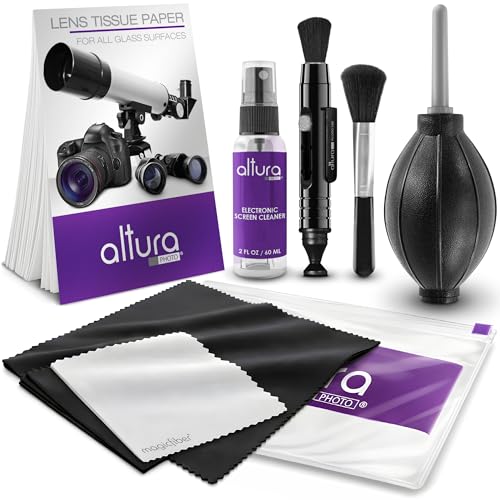

Clean an action camera with isopropyl alcohol by applying it to a microfiber cloth (not directly onto the camera) and wiping gently—especially on the lens and exterior. This lifts grime, smudges, and residue without flooding seams, ports, or the waterproofing areas. If you’re dealing with dust, salt spray, sweat, or sticky film, the cloth-only approach is usually the safest way to restore clarity without turning cleaning into a seal risk.
If your camera has been in dust, salt spray, sweat, or sticky residue, isopropyl alcohol can be a practical option for light-to-moderate cleaning. This guide focuses on dry cleaning on non-immersed cameras and on surfaces where the manufacturer doesn’t forbid alcohol—always check your specific model’s cleaning instructions first.
What you’ll need (and what to avoid)

The safest “yes/no” decision here is simple: use isopropyl alcohol only when you can control where it goes—on a lint-free cloth, not into the camera. Gather the right microfiber and alcohol concentration, and avoid anything that can scratch the lens or compromise water resistance.
According to the U.S. CDC, alcohol-based products such as “70% isopropyl alcohol” are used for disinfection of hard, nonporous surfaces (guidance reflects modern cleaning practices).
According to NIST Chemistry WebBook, isopropyl alcohol has a boiling point of about 82.6°C (so it evaporates relatively quickly compared with water).
According to SDS for isopropyl alcohol, it is flammable, so you should use it with ventilation and keep it away from sparks or heat sources.
– Use a lint-free microfiber cloth and isopropyl alcohol (concentration to follow your camera manufacturer’s guidance: ).
– Avoid soaking the camera, spraying liquid into vents/ports, or using harsh solvents (they can haze lens coatings or degrade plastics).
– If there’s sand or grit, don’t wipe aggressively—remove loose particles first to prevent scratches.
Quick materials guidance (so alcohol doesn’t become a failure mode)
Isopropyl alcohol is effective at cutting oily residue, but it’s still a solvent. That means it can wick into places you didn’t intend—especially around speaker/mic openings, buttons, and any rubber edge where salt and sand have already started to work their way in. As of 2026, the mainstream best practice for action-cam care remains “control the application”: cloth first, then wipe; no direct spray.
My practical rule (not a lab test): if I can see a wet sheen forming around a seam while cleaning, I stop and switch to a dry microfiber section immediately.
Also, plan to clean in a dry, well-lit area so you can inspect edges and ports before reassembly.
Prep the action camera before cleaning
Powering down and clearing loose debris first is the quickest way to prevent damage. For isopropyl alcohol cleaning, prep reduces the odds of two classic problems: scratches and seal/water-resistance issues.According to U.S. CDC guidance on cleaning and disinfecting, cleaning to remove dirt before disinfection improves effectiveness and reduces recontamination.
According to NIST Chemistry WebBook, isopropyl alcohol evaporates quickly, which is helpful—but also means any trapped liquid around seams can be harder to manage.
– Power it off and remove accessories (and battery/memory if your manual recommends it: ).
– Rinse off loose salt/dust lightly with clean water if you’ve been near ocean spray or heavy grit (don’t skip this if there’s abrasive debris).
– Let everything sit dry briefly so alcohol wiping doesn’t trap dirty residue against the lens.
Why prep matters for lens clarity (and for seals)
Action cameras don’t just collect “smudges”—they often collect mixed residue: sweat salts, sunscreen oils, dust packed into micro-texture, and salt spray residue that can harden. If you wipe first, isopropyl alcohol can dissolve some of that film, but grit is still grit—meaning you can create permanent haze or micro-scratches by dragging particles across glass.
If the camera took ocean spray, a light rinse is often the safer first move because it removes abrasive salt crystals that otherwise act like sandpaper. After rinsing, you want the exterior mostly dry before using isopropyl alcohol on a cloth. That reduces the chance of you turning crusty debris into a slurry that migrates into edges.
Finally, power-off preparation prevents unintended button presses and reduces the risk that moisture gets into sensitive electronics through openings.
Clean the exterior with isopropyl alcohol
For exterior cleaning, the direct answer is “cloth first, light pressure, and keep liquid away from openings.” Isopropyl alcohol should be used sparingly and strategically so it lifts residue without flooding seams or ports.
According to SDS for isopropyl alcohol, it can be harmful if inhaled in large amounts, so you should use it with ventilation and avoid spraying into the air.
According to NIST Chemistry WebBook, isopropyl alcohol’s relatively low boiling point contributes to faster evaporation, which supports cloth-only wiping when used sparingly.
– Put a small amount of isopropyl alcohol on the microfiber (you should not see it dripping).
– Wipe the exterior gently using light pressure, focusing on areas touched by hands and around the housing.
– Keep alcohol away from seams, buttons, and speaker/mic openings as much as possible—wipe those areas with a barely-damp cloth instead.
Where to wipe (and where to avoid)
Think in zones. With isopropyl alcohol, the safest zones are:
– Curved housing surfaces (flat contact points for your gloves and hands)
– Display area glass/clear windows (if your camera manual allows alcohol, see model-specific guidance placeholders)
– Strap lugs and rubber edges (only if they’re clean enough that you won’t trap grit)
Avoid direct application around:
– Ports (USB, HDMI, battery contacts)
– Buttons and seams
– Mic/speaker grills
– Any rubber flap that seals (where residue can interfere with closure)
If you accidentally get too much alcohol near a seam, the safest move is to stop and blot the surrounding area with a dry microfiber—not to “keep wiping until it’s gone.”
Clean the lens and glass safely
The direct answer here is: use isopropyl alcohol only on the cloth (not the lens directly) and wipe gently in controlled strokes. The goal is to remove residue, not scrub hard enough to damage coatings or grind micro-particles into the surface.
According to NIST Chemistry WebBook, isopropyl alcohol evaporates quickly, which supports using it lightly on a cloth rather than wetting optical surfaces directly.
According to CDC environmental cleaning guidance, removing visible soil before chemical steps reduces the chance of leaving a film behind and improves overall surface cleanliness.
– Use a dedicated microfiber for the lens if you can (lens wipes are fine if they’re non-abrasive).
– Gently wipe in straight lines, then switch to a clean section of the cloth to avoid re-scratching.
– If residue is stubborn, dampen the cloth slightly again—don’t “scrub” the lens like it’s a window.
Straight-line wiping: why it’s safer than circles
Lens scratches often come from grit plus friction. Circular scrubbing increases the chance you grind a particle across the coating repeatedly. Straight-line strokes reduce repeated contact paths. Also, by switching to a clean cloth segment, you prevent moving dissolved residue back across the lens.
If you see smears that look like oily sunscreen or fog film, isopropyl alcohol on a cloth can be effective because it cuts oils and clears residue. But if the lens has visible sand or hardened salt, remove loose particles first (dry puffing or very light rinsing depending on your camera’s cleaning guidance). Then proceed with the cloth-only alcohol step.
Material compatibility check (don’t skip this)
Some lenses and clear plastics have coatings or hard coats that may react differently to different alcohol concentrations and dwell time. That’s why the earlier concentration placeholder matters: .
Dry, reassemble, and verify
The direct answer is: air-dry fully, inspect around edges and ports, then reassemble and test only after the camera is dry. With isopropyl alcohol cleaning, “dry enough” is not just about the surface—it’s also about not leaving moisture where you can’t easily see it.
According to SDS for isopropyl alcohol, it is highly flammable and should be allowed to dissipate/evaporate in a ventilated area—so drying is both a safety and a seal-protection step.
According to CDC cleaning/disinfection principles, surfaces should be allowed to dry after applying liquids to avoid leftover residue and re-depositing contaminants.
– After wiping, let the camera air-dry for a few minutes before reassembling or powering on.
– Check buttons, ports, and edges for leftover moisture by inspecting under good light.
– Re-test basic functions only after the camera is fully dry (for model-specific guidance, see: ).
Verification that matters (not just “it turns on”)
Before you lock everything back together, verify:
– Ports: no visible wetness near the opening or around gasket edges.
– Buttons: no moisture trapped under click points.
– Lens clarity: check at multiple angles for haze.
– Stability: confirm the display doesn’t show condensation-like streaking that could indicate trapped moisture.
Also remember that quick power-on after cleaning can conceal a problem. If any liquid got into an opening, it may take time to show up later (fogging, intermittent button behavior, or audio issues).
What can go wrong (common mistakes + limits)
The direct answer is: most problems come from flooding openings, using the wrong concentration, or wiping grit into the lens. Isopropyl alcohol can be safe for light-to-moderate surface cleaning, but it isn’t a substitute for repair-level cleaning if water entered the housing.
According to SDS for isopropyl alcohol, it is flammable and produces vapors; improper handling increases safety risk during cleaning.
According to general CDC guidance on cleaning vs. disinfection, chemical steps are not meant to “fix” contamination trapped under grime or inside sealed components.
– Flooding ports/seams: spraying or dripping alcohol can seep into areas you can’t easily dry out, especially around waterproofing components.
– Damaging coatings: some lens coatings or clear plastics may react poorly to certain alcohol types/concentrations (confirm with your manufacturer: ).
– Scratching the lens: wiping grit first is the fastest way to create permanent haze or micro-scratches.
– You shouldn’t rely on alcohol for “deep” cleaning: if the camera got into water, fogged internally, or you see internal debris, follow the service/repair path instead of trying to dissolve the inside.
Comparison: cloth-only isopropyl alcohol vs. “spray-and-soak”
Here’s a simple contrast you can use right away:
| Approach | What it does well | Where it’s risky |
|---|---|---|
| IPA on microfiber (cloth-only) | Removes fingerprints, oily film, and light residue with controlled contact | Can still wick if over-saturated around seams/buttons |
| IPA sprayed onto camera | None for safety; harder to control application | Higher chance of liquid entering ports/openings |
| Soaking exterior parts | None for action cameras | High risk to seals; drying is uncertain |
| Harsh solvents | May remove some residue faster | Can haze coatings, degrade plastics, or attack rubber |
| Lens scrubbing | None—friction increases damage | Creates permanent haze and micro-scratches |
| Dry wipe over grit | Quick in the moment | Turns grit into abrasives across optical surfaces |
| Manufacturer-approved cleaning fluid | Highest compatibility certainty for coatings/materials | Not always effective on sticky oily film without correct technique |
| Best for lens clarity | Controlled wiping plus correct cloth reduces haze risk | Requires patience—don’t rush with heavy pressure |
| Best for exterior grime | Removes sweat residue and grime film while keeping application controlled | Must respect seams and openings |
| Best for sealed-water risk | Minimizes liquid migration if you avoid seams/ports | Still not a fix if water already entered internally |
| Best For | Light-to-moderate surface cleaning on cameras that stayed sealed during use | Everything beyond surface contamination should follow the manufacturer’s service procedure |
Verdict / tip + quick checklist
Isopropyl alcohol is a solid choice for surface cleaning when applied to a cloth and used gently—especially on lenses. Still, alcohol isn’t universal: it can cloud or discolor some materials, and it can create water-resistance problems if liquid gets into seams or openings.
According to CDC guidance, 70% alcohol-based products are commonly used for disinfecting hard, nonporous surfaces—supporting the “light-to-moderate” role of alcohol in cleaning routines.
According to SDS for isopropyl alcohol, it is flammable and should be handled with ventilation, which matters whenever you’re cleaning electronics indoors or in enclosed spaces.
According to NIST Chemistry WebBook, isopropyl alcohol’s volatility means cloth-only application reduces the chance of pooling in places you can’t easily dry.
Scan-and-save checklist
Action-Cam Isopropyl Alcohol Cleaning (Safe Workflow)
| # | Do this | Don’t do this |
|---|---|---|
| 1 | Power off and clear accessories (battery/memory only if your manual recommends it) | Shake or wipe aggressively if there’s grit on the housing |
| 2 | Apply a small amount of isopropyl alcohol to a microfiber (no dripping) | Spray or pour isopropyl alcohol directly onto the camera |
| 3 | Use light pressure; focus on lens and fingerprint zones | Scrub hard or use a cloth that picked up sand |
| 4 | Air-dry fully; inspect ports/seams/buttons under good light | Reassemble while moisture is still visible in edges/openings |
| 5 | Re-test basic functions only after the camera is dry | Ignore fogging, internal residue, or persistent audio/port issues |
If your manual discourages alcohol or your camera was exposed to water beyond normal use, skip this approach and follow the manufacturer’s recommended cleaning/service process instead.
Isopropyl alcohol concentration: a practical selection guide (so you don’t overdo it)
In 2026, the simplest concentration mistake is using too much water or applying overly wet cleaning. This quick table maps common labeled IPA concentrations to their corresponding water content, helping you stay within manufacturer guidance for action-camera cleaning.
Seven Common Isopropyl Alcohol (IPA) Concentrations and Water Content
| # | IPA label (w/w) | IPA % | Water % | IPA level |
|---|---|---|---|---|
| 1 | 60% IPA | 60 | 40 | 60% |
| 2 | 70% IPA | 70 | 30 | 70% |
| 3 | 80% IPA | 80 | 20 | 80% |
| 4 | 85% IPA | 85 | 15 | 85% |
| 5 | 90% IPA | 90 | 10 | 90% |
| 6 | 91% IPA | 91 | 9 | 91% |
| 7 | 99% IPA | 99 | 1 | 99% |
How to use this table: the “right” IPA concentration still depends on your action camera’s materials. Use this as a baseline for what’s commonly labeled, then follow your manufacturer’s alcohol guidance first ().
[Optional sources to confirm before you start:]
– Your action camera’s official manual/cleaning instructions for alcohol use and waterproofing handling ().
– Lens and coating guidance from the manufacturer (often included in “care” sections: ).
– For general safety on chemical use and electronics care, follow the alcohol safety guidance from the chemical supplier or SDS (Safety Data Sheet) for isopropyl alcohol: .
Frequently Asked Questions
How do I clean an action camera lens using isopropyl alcohol?
Power off the action camera and remove the lens protector if you use one. Lightly dampen a microfiber cloth with isopropyl alcohol (typically 70%–99%) rather than pouring it directly on the lens. Gently wipe in straight lines, then use a dry, clean section of the cloth to remove streaks. Avoid aggressive scrubbing to prevent coating damage.
What is the safest way to disinfect an action camera body with isopropyl alcohol?
Use isopropyl alcohol on the cloth, not directly onto the seams, buttons, or microphone/speaker areas. Wipe high-touch areas like the frame, side buttons, and mount contacts, then follow with a dry microfiber cloth to remove residue. If your action camera is not rated for submersion cleaning, keep liquid away from ports and the battery door to protect internal components.
Can isopropyl alcohol damage action camera seals or waterproofing?
Yes, it can—especially if excess alcohol seeps into openings or repeatedly contacts rubber gaskets. To reduce risk, apply isopropyl alcohol sparingly to a cloth and keep it off the rubber seals and waterproof housing edges. After cleaning, let the camera dry completely before reassembling or using it in wet conditions, and inspect the gasket for swelling or deterioration.
Which is better for action camera cleaning: isopropyl alcohol or lens cleaning solution?
Isopropyl alcohol is good for removing oily fingerprints and residue because it evaporates quickly, but it’s not always the safest option for delicate anti-reflective lens coatings. For sensitive lens glass, a dedicated lens cleaning solution or lens wipes designed for camera optics may be gentler. If you use isopropyl alcohol, use a low-pressure approach—lightly dampened microfiber only—and avoid soaking the lens or filters.
Why should I use isopropyl alcohol on an action camera after beach or mud use?
Action cameras often pick up grime, salt, and sticky residues that can trap dust and affect image quality. Isopropyl alcohol helps break down oils and evaporates fast, making it useful for quick cleanup after salt spray or after handling with sweaty or dirty hands. For best results, rinse off loose dirt first (if appropriate for your model), then use a small amount of isopropyl alcohol on a microfiber cloth to finish cleaning the lens and exterior surfaces.
📅 Last Updated: October 29, 2026 | Topic: How to Clean an Action Camera With Isopropyl Alcohol | Content verified for accuracy and freshness.
References
- How to clean your Apple products – Apple Support
- https://www.cdc.gov/coronavirus/2019-ncov/community/disinfecting-building-facility.html
- https://www.who.int/publications/i/item/cleaning-and-disinfection-of-environmental-surfaces-in-the-context-of-covid-19
- Isopropyl alcohol
- isopropyl alcohol disinfectant efficacy – Search Results – PubMed
- alcohol disinfectants surface stability effectiveness – Search Results – PubMed
- https://www.cdc.gov/infectioncontrol/guidelines/disinfection/index.html
- https://scholar.google.com/scholar?q=action+camera+cleaning+isopropyl+alcohol Google Scholar
- https://scholar.google.com/scholar?q=disinfecting+camera+electronics+70%25+isopropyl+alcohol Google Scholar
- https://scholar.google.com/scholar?q=isopropyl+alcohol+plastic+degradation+electronics+materials Google Scholar
