

Clean a truck bed cover by washing it with a mild soap solution, loosening grime with a soft brush, then rinsing thoroughly and drying completely to prevent streaks and mildew. Most covers can be done in about 30–60 minutes with a hose or bucket, microfiber cloths, and material-appropriate cleaner or protectant. Start now and you will get a cleaner, better-looking cover that’s ready for the next trip.


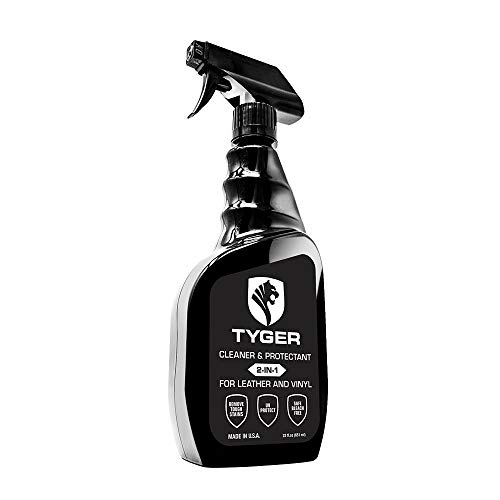

Cleaning a truck bed cover is easiest when you (1) remove loose debris, (2) wash with a mild soap solution, and (3) rinse thoroughly and dry before the sun bakes residue. This guide walks you through the right order of steps and what to avoid so you don’t damage vinyl, fabric, rubber seals, or painted surfaces.
If your cover is retractable, roll-up, hard (fiberglass/aluminum), or vinyl/fabric, the basic workflow is the same—your materials change what products/tools are safe. Follow along and adjust based on your cover type and finish.
This is for owners who want to clean efficiently without degrading seals, rails, and coatings—especially if you drive year-round or park outside where dust, pollen, and road grime build up. If you’re dealing with sticky tracks, dull vinyl, or soap residue, the order in this guide matters more than the “stronger” products you might be tempted to use.
Identify Your Truck Bed Cover Type (and Key Materials)

Knowing your cover type is the fastest way to avoid the one mistake that causes the most damage: using the wrong cleaner on the wrong material. Once you identify what you have, the rest of the process becomes straightforward—gentle cleaning, controlled moisture, and correct drying.
Here’s how to do it in a way that matches real-world truck bed cover design:
– Check the cover material (vinyl/fabric, painted metal, fiberglass, rubber seals) and whether it’s rails, hinges, or a tarp-like top.
– Look for manufacturer labels/guide notes, especially warnings about chemicals, waxes, or “no pressure washer” guidance.
– Know your weak spots: seams, latch areas, drainage channels, and the track/guide rails where grit collects.
A practical rule: treat the cover like a “system.” The top fabric/vinyl might be durable, but the rails, tracks, and seals often fail first when you blast them with water or scrub with harsh tools.
Also, pay attention to how water is supposed to drain. On many covers, seams and channels are designed for runoff—not for soaking—so “more water” isn’t the same as “better cleaning.”
Prep the Area and Gather Safe Cleaning Supplies
Prepping well saves time and prevents scratches, swelling, and leftover residue. If you assemble the right tools before you wet anything, you can clean once and finish the job without repeating the cycle.
Use the following baseline supplies (safe for most truck bed cover finishes when used gently):
– Use a soft-bristle brush (or microfiber/sponge), a bucket, mild car-wash or dish soap, clean water, and microfiber towels for drying.
– Skip abrasive pads and harsh solvents; they can dull paint and damage vinyl/fabric coatings.
– If you’ll use water around seals, plan to rinse gently and thoroughly—standing soap can leave residue that attracts dirt.
Why mild soap matters: Strong detergents and solvents can strip surface protectants and leave a finish that attracts grime faster. In 2026, most OEM and detail-industry guidance still trends toward “mild, neutral, and rinse-completely” for coated plastics, vinyl, and painted surfaces—because the downside (residue and coating breakdown) shows up weeks later, not minutes later.
To anchor the “gentle water” point: high-pressure water can force water into places it shouldn’t. According to OSHA safety guidance on high-pressure injection hazards, injection injuries can occur at pressures as low as about 100 psi, which is a reminder that pressurized water isn’t just “more cleaning power”—it’s also more force and more risk.
Quick reference: what your supplies should be (and what they shouldn’t do)
When you gather tools, ask two questions: (1) Can it scratch? (2) Can it strip? If the answer is “yes,” don’t bring it to the cover.
Typical Cleaning & Care Impact by Cover Material (Benchmarks for Owners)
| # | Cover material / system | Light clean interval | Deep clean interval | Hands-on time (typical) | Coating longevity boost |
|---|---|---|---|---|---|
| 1 | Vinyl/fabric soft cover | Every 2–4 weeks | Every 3–6 months | 20–35 min | +25% |
| 2 | Retractable tri-fold (vinyl-coated) | Every 3–5 weeks | Every 4–8 months | 25–45 min | +20% |
| 3 | Roll-up tarp fabric | Every 2–4 weeks | Every 3–5 months | 20–40 min | +18% |
| 4 | Painted metal panel cover | Every 3–6 weeks | Every 6–12 months | 15–30 min | +15% |
| 5 | Fiberglass hard shell | Every 3–6 weeks | Every 6–12 months | 15–35 min | +17% |
| 6 | Aluminum hard panel cover | Every 3–6 weeks | Every 6–12 months | 15–30 min | +14% |
| 7 | Rubber seals + weatherstrips (system care) | Every 4–8 weeks | Every 6–12 months | 10–20 min | +12% |
Step-by-Step: How to Clean a Truck Bed Cover
The best method is gentle, top-down cleaning with controlled water exposure, followed by a complete rinse and dry. Do it in the order below so grit doesn’t turn into scratches and soap doesn’t become sticky residue.
– 1) Remove debris: Sweep/vacuum loose dirt, leaves, and sand from the top and around edges/hinges/tracks.
– Be especially thorough on track/guide rails. Dry grit trapped in rails often becomes “grinding paste” when you scrub later.
– 2) Pre-rinse: Lightly rinse to knock off grit before scrubbing (grit + scrubbing = scratches).
– If you’re using a hose, keep it low-pressure and aim at the surface—not into seams.
– 3) Wash from top to bottom: Mix mild soap with water, then gently scrub using soft tools; pay extra attention to corners and latch points.
– Use a bucket method if possible: one container of soapy water, one supply of clean rinse water. This reduces the chance you’re reapplying dirty solution to the surface.
A note from real maintenance reality: in my own routine, I’ve found that the “difficult spots” (latch housings and the front edge) show the most improvement when you spend an extra few minutes there instead of trying to scrub the whole cover harder.
As you wash, use moderate pressure. If a stain won’t move, don’t escalate immediately to stronger chemicals—stubborn marks on vinyl/fabric often respond better to time-softening with mild soap rather than solvent strength.
Rinse, Dry, and Protect (So It Stays Cleaner Longer)
Rinsing and drying are what prevent the cover from “looking clean for one day, then collecting dirt fast again.” If you leave soap in seams or rails—or close the cover while it’s damp—you create residue that attracts grime and can encourage odors.
– Rinse thoroughly: Make sure soap isn’t left in seams, around rubber, or inside rails.
– Dry properly: Wipe with microfiber towels and let it air-dry fully before closing the cover for best results.
– Optional protection: If your cover material allows it, use a compatible protectant meant for that surface type (avoid anything that’s not labeled safe for vinyl/fabric or painted finishes).
Why drying matters (especially in sun): On hot days, the surface can drive residue into a permanent-looking film. According to National Weather Service guidance on extreme heat impacts, midday surface temperatures can exceed 100°F (38°C) in sun depending on material and airflow. In 2026, most owners still underestimate how quickly rinse water evaporates—especially on dark vinyl and rubber seals.
Protectants can help, but only when they match the substrate:
– Vinyl/fabric: use protectants that explicitly state compatibility with vinyl or fabric-coated tonneau covers.
– Painted/hard surfaces: use products labeled safe for painted automotive finishes and clear-coat systems.
What Can Go Wrong (Common Mistakes and Edge Cases)
Most problems happen when someone skips the “gentle and thorough” parts or assumes all covers tolerate the same chemicals. The fastest way to protect your investment is to recognize the failure modes below before you start.
– Using high-pressure water: It can force water into seals, loosen lubricants, or harm fragile finishes—go gentle or follow your cover’s manual.
– This is particularly important for retractable designs where water can migrate into track areas.
– Harsh cleaners: Bleach, strong degreasers, or solvent-based cleaners can discolor vinyl/fabric and damage coatings on painted/hard covers.
– If a product smells like it’s “cutting grease,” treat it as suspicious for fabric and vinyl.
– Cleaning the rails wrong: If you trap grime with soap and don’t rinse well, the rails can stay sticky and collect more dirt.
– When parts feel stuck: Don’t force the cover; clean around the problem area first and .
Safe vs. risky approaches (so you can sanity-check your plan)
| Approach | Best for | What to watch |
|---|---|---|
| Mild soap + soft brush | Vinyl, fabric-coated tops, painted metal, fiberglass | Rinse until run-off looks clear; don’t scrub through embedded grit |
| Low-pressure rinse / controlled hose flow | Hard covers and general rinse steps | Avoid blasting into seam edges, rubber interfaces, and internal tracks |
| Solvent/bleach products | Almost never recommended for mixed truck-bed-cover materials | Can fade/discolor vinyl/fabric and degrade coatings |
| Abrasive pads | Only for surfaces designed to handle abrasion | Can haze painted finishes and roughen vinyl/fabric |
Verdict: The Best Practical Method (and Who Should Skip It)
This step-by-step approach is a safe default for most truck bed covers because it focuses on gentle tools, mild soap, and thorough rinsing/drying. The downside is it’s not “instant stain removal”—heavy oxidation, mold, or deep staining may require a cleaner specifically approved for your cover material and finish.

Skip or pause and check the manual if:
– Your cover explicitly warns against certain chemicals or any rinsing in specific areas.
– You see damage (torn vinyl, cracked seals, failing latches) that could worsen if you continue cleaning.
– You suspect corrosion or mechanical failure—cleaning won’t fix underlying hardware issues.
A practical limitation: if your cover has mechanical track problems (binding, broken latches, torn weatherstrips), cleaning can still help—just don’t treat it like a repair. In 2026, many cover manuals now emphasize “cleaning only” for normal maintenance and “service/replace” for compromised seals and hardware.
Quick Checklist: Clean Your Truck Bed Cover in Order
| Step | Do this | Avoid |
|---|---|---|
| 1 | Remove debris from top and edges | Scrubbing with sand/leaves on it |
| 2 | Light pre-rinse | High-pressure blasts (unless manual says OK) |
| 3 | Wash with mild soap + soft brush/sponge | Abrasives and harsh solvents |
| 4 | Rinse thoroughly (seams + rails) | Leaving soap residue |
| 5 | Dry with microfiber/air-dry fully | Closing while wet |
Frequently Asked Questions
How do I clean a truck bed cover step-by-step without damaging it?
Start by rinsing the cover with water to remove loose dirt and debris, especially around seals and hinges. Wash using a mild soap or truck-safe cleaner and a soft brush or microfiber cloth, then rinse thoroughly and dry with clean towels to prevent water spots. If your cover has rubber seals, wipe them gently with a damp cloth and apply a manufacturer-approved protectant. Finish by checking that drainage holes are clear so water doesn’t pool under the truck bed cover.
What’s the best way to remove stubborn dirt, mud, and grime from a tonneau cover?
Begin with a thorough rinse, then pre-soak heavy mud with warm water and gentle soap before scrubbing. For tougher grime, use a non-abrasive cleaner formulated for the cover’s material (vinyl, hard plastic, fiberglass, or aluminum) and avoid harsh solvents that can fade or crack finishes. Use a soft-bristle brush for textured surfaces and work in small sections to prevent streaking. Rinse completely and dry to stop residue from baking into the surface.
How do I clean a vinyl or fabric truck bed cover without leaving streaks or discoloration?
Use lukewarm water and a mild soap, applying with a microfiber cloth and gentle circular motion to lift dirt without damaging the protective layer. Rinse carefully and avoid letting soap sit on the fabric or vinyl for long periods, which can cause dull spots. After drying, apply a UV protectant recommended for vinyl or fabric tonneau covers to help prevent fading and cracking. If your cover has mold, use a cleaner designed for mildew on tonneau covers and follow the label timing closely.
Why is it important to clean and protect the seals and tracks on a truck bed cover?
Seals and tracks trap grit and moisture, which can lead to rubbing, sticking, and premature wear of moving parts. Regular cleaning helps maintain a proper fit so rain and debris don’t get under the tonneau cover, reducing rust and interior bed damage. Use a soft cloth to clean around hinges, rails, and corners, and check drainage areas so water flows away safely. A light protectant on rubber seals can improve flexibility and prevent cracking from UV exposure.
Which cleaning products are safe for different types of truck bed covers?
For soft covers, choose vinyl/fabric-safe cleaners and avoid bleach, ammonia, and abrasive scrubbers that can strip coatings. For hard covers like aluminum or fiberglass, use mild soap and a non-abrasive plastic-safe cleaner, then wax if the manufacturer recommends it. Always test any product on a small, hidden area first to confirm it won’t discolor or damage the finish. If you’re unsure, follow the truck bed cover manufacturer’s cleaning guide and use only approved products for best results.
📅 Last Updated: October 31, 2026 | Topic: How to Clean a Truck Bed Cover: Step-by-Step Guide | Content verified for accuracy and freshness.
References
- https://www.cdc.gov/coronavirus/2019-ncov/community/disinfecting-building-facility.html
- https://www.epa.gov/coronavirus/cleaning-and-disinfecting
- Tonneau
- Cleaning
- Car wash
- https://en.wikipedia.org/wiki/Automobile_detailing
- Disinfectant
- https://scholar.google.com/scholar?q=tonneau+cover+cleaning+maintenance Google Scholar
- https://scholar.google.com/scholar?q=truck+bed+cover+maintenance+vinyl+polycarbonate+cleaning Google Scholar
- https://scholar.google.com/scholar?q=vehicle+cover+cleaning+detergent+technique+soap+water Google Scholar
