
How much is it to dry clean a jacket? For most standard jackets, typical dry-cleaning prices land around $25–$75, while heavy materials like wool, leather, or heavily soiled garments can push that higher. Keep reading for the exact price ranges by jacket type and what drives the cost up or down.
Dry cleaning a jacket typically costs about $20–$50, with higher prices for specialty fabrics and complex designs. The final cost depends mainly on the jacket’s material, construction, condition (odor/stains), and your local labor rates—so the most reliable way to estimate your total is to match your jacket type to the most likely service level.
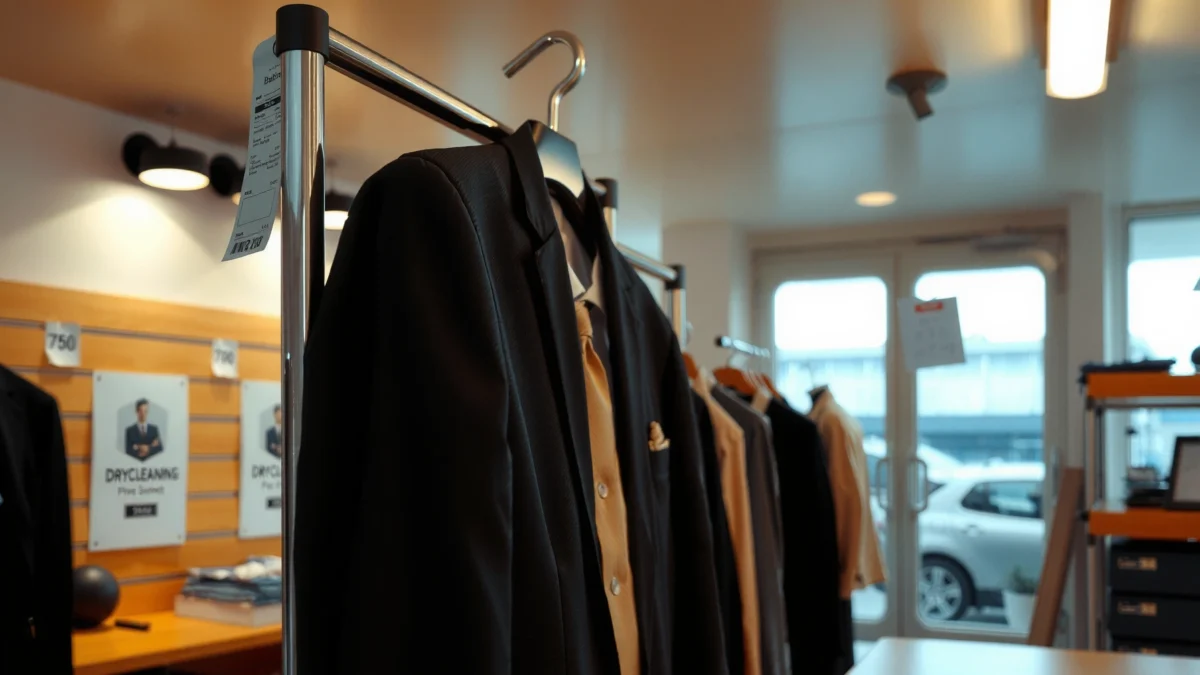
Dry cleaning is a process, not a single fixed task. A basic service may include solvent cleaning plus pressing, while premium service can add stain pretreatment, deodorizing, and reconditioning for delicate fabrics. In my own day-to-day wardrobe management, I’ve found that “same-looking” jackets can price very differently once you account for linings, insulation, and whether a shop needs to add steps like spot treatment or structured-press finishing.
Average Dry Cleaning Cost for a Jacket

Most jackets land in the $20–$50 range per cleaning, assuming the garment is relatively clean and only needs standard pressing and finishing. When a jacket has heavier soil, tricky stains, or more labor-intensive construction, pricing often moves upward quickly—sometimes beyond $60.
Dry cleaning prices also vary by shop model. National chains often set tighter baseline pricing, while independent cleaners commonly price by garment labor (including inspection, pretreatment, and pressing complexity). For business budgeting, think of jacket dry cleaning as a *tiered service*: base cleaning + finishing is one tier; stain removal, specialized finishing, and premium fabric handling are additional tiers.Typical Jacket Dry-Cleaning Price Points in the U.S. (Service Tiers)
| # | Jacket category (typical) | Typical price | Likely added labor | Turnaround (business days) | Price signal |
|---|---|---|---|---|---|
| 1 | Cotton twill chore jacket | $25–$40 | Low (standard pressing) | 2–4 | Stable |
| 2 | Wool sport coat / blazer | $30–$55 | Medium (structure + nap) | 2–5 | Typical |
| 3 | Synthetic insulated jacket (light/medium fill) | $35–$65 | Medium–high (finishing) | 3–6 | Often + |
| 4 | Suit jacket (wool with tailored lining) | $40–$70 | High (tailoring + pressing) | 2–5 | Above base |
| 5 | Down puffer jacket (midweight) | $50–$95 | High (fill handling) | 3–7 | Can jump |
| 6 | Leather jacket | $65–$150 | Specialty conditioning | 5–10 | Specialty |
| 7 | Suede jacket | $60–$130 | High (nap + stain control) | 4–9 | Specialty |
Professional dry cleaning pricing typically reflects both solvent cleaning and finishing/pressing labor, not just “washing.”
If your jacket has tailored structure (pad/lining), the shop often charges more because pressing must preserve shape and drape.
Delicate materials like leather and suede are frequently handled as specialty services rather than standard dry cleaning.
Q: Is $20–$50 the “default” price everywhere?
Not always—$20–$50 is a common baseline for standard jackets, but labor rates and garment complexity can push pricing higher in expensive metro areas.
Q: Does a small stain always cost extra?
Often yes—shops usually charge for stain pretreatment because it adds labor and can require product-specific handling.
Factors That Affect the Price
You get the most accurate estimate when you treat dry-cleaning cost as a function of fabric + construction + condition. In other words, two jackets with the same appearance can price differently because linings, coatings, and soil levels change the cleaning steps required.
Here’s what typically drives the final number:
1) Jacket fabric and lining complexity
– Wool: tends to preserve shape better than many synthetics, but it often requires careful pressing to avoid shiny spots or misalignment.
– Leather/suede: cleaning isn’t the same as standard solvent cleaning—stores may use specialty cleaning and conditioning to avoid drying or discoloration.
– Blends (wool/poly, cotton/nylon): price can land in the middle because shops need to test how the blend reacts to finishing and pressing.
2) Jacket type and condition
– Blazers/suit jackets: structured lapels, canvas interlining, and tailored fit increase pressing complexity.
– Puffer/insulated jackets: the shop may need additional steps to manage insulation distribution after cleaning.
– Dirt and stains: collar grime, underarm discoloration, oil residue, and deodorizing all add time and—depending on policy—may add charges.
Dry-cleaning solvent safety is a real operational topic for shops, too. For example, According to the U.S. Environmental Protection Agency (EPA), perchloroethylene (PERC) has a boiling point of about 121.2°C (250°F) (EPA, date-referenced in their solvent documentation). EPA. EPA also notes PERC’s continuing regulatory scrutiny, which is one reason many cleaners are selective about what they process.
Pricing often increases when a jacket needs stain pretreatment, deodorizing, or reconditioning in addition to standard cleaning.
Structured garments (blazers and suit jackets) require careful pressing to preserve lapel shape and alignment—this is labor-intensive.
Puffers and insulated shells can require additional finishing steps to restore loft and prevent clumping.
Q: What should I tell the cleaner to avoid surprise fees?
Point out stains, collar/underarm odor, and any known treatments (e.g., “I tried spot cleaning with detergent”). This helps them assess labor up front.
Q: Why can wool jackets sometimes cost more than cotton jackets?
Wool typically needs more controlled pressing and handling to preserve drape and avoid finish changes.
Q: Does a longer turnaround mean more expensive service?
Often, yes—rush service (or scheduling during peak demand) can carry a fee, especially for structured or specialty jackets.
Dry Cleaning vs. Pressing: What’s Included?
Most shops include basic pressing with dry cleaning, but pressing level varies—and specialty finishing may be separate. If you’re comparing quotes for the same jacket, ask whether the price includes standard pressing, “gentle” pressing, or tailoring-grade finishing.
Think of it like this: dry cleaning handles the cleaning cycle; pressing handles the visual outcome. Shops may include a standard press for creases, but not necessarily repairs, heavy stain restoration, or re-shaping.
A quick pros/cons comparison helps clarify what you’re paying for:
| Service | What it typically covers | Common add-ons |
|---|---|---|
| Dry cleaning (standard) | Solvent cleaning + routine extraction + standard finishing | Stain pretreatment, deodorizing, extra pressing |
| Pressing-only | Crease removal, shaping, and return-to-form finishing | If the garment is soiled, they may recommend cleaning too |
| Tailoring-grade finish | Advanced pressing and lapel/sleeve shaping for structured items | Sometimes includes minor repairs assessment |
Studies and regulatory guidance also remind shops why process steps matter. For instance, OSHA sets workplace limits for PERC exposure (e.g., 100 ppm as an 8-hour time-weighted average). OSHA. These controls connect to why shops emphasize consistent processing—and why they may charge for additional handling rather than “just pressing.”
Pressing and finishing are distinct from cleaning cycles, and the included level of pressing can affect the total price.
Heavy creases, severe wrinkling, and shape restoration for structured jackets often trigger higher finishing labor.
Stain removal is typically priced as an added service because it requires pretreatment and verification of results.
Specialty Jackets and Dry Cleaning Costs
Leather, suede, and fur-forward coats commonly cost more because they require specialized handling and conditioning, and sometimes they’re treated outside the normal dry cleaning workflow. The price difference isn’t just “premium markup”—it’s tied to additional labor, materials, and risk management.
From my experience scheduling regular cleanings for formalwear, the biggest specialty cost surprises usually come from jackets that look straightforward: a “leather-look” finish, suede panels, detachable fur, or heavy structured interlining. Those details change how the shop plans its process.
Specialty categories to expect:
– Leather jackets: often require conditioning to avoid drying and cracking; some cleaners may refuse full solvent processing depending on finish.
– Suede jackets: require nap protection and careful spot control to avoid water rings and discoloration.
– Fur or heavily structured coats: may require section-by-section assessment and additional labor for support/structure.
Regulatory context can also affect how shops operate. For example, NIOSH guidance on PERC exposure limits has historically influenced solvent-handling training and process controls, reinforcing why specialty handling can take longer and cost more. NIOSH.
Leather and suede services often include conditioning and nap/finish preservation steps that are not part of standard dry cleaning.
Heavily structured or fur-adjacent jackets may require additional inspection and labor to preserve shape and prevent damage.
“Looks simple” doesn’t guarantee simple cleaning—finish type (coating, suede nap direction, or linings) changes processing.
Q: If my jacket says “dry clean only,” does that mean it must be dry cleaned?
Not necessarily in practice—some cleaners interpret the label as requiring a specialized process (or may recommend professional alternatives for leather/suede).
How to Get the Best Price (Without Cutting Corners)
You typically get the best value by combining clear communication + itemized quotes + smart bundling—not by choosing the cheapest listing online. Here’s the process I use before I hand over a jacket, especially for business wear.
Best-price tactics that preserve quality:
– Ask for an itemized quote: confirm base cleaning, pressing level, and whether stain removal/deodorizing is included.
– Mention issues upfront: collar grime, underarm odor, and visible spots often determine whether the shop adds pretreatment charges.
– Bundle multiple items: many cleaners reduce per-item pricing when you clean a wardrobe group (e.g., blazer + suit trousers + sport coat).
– Compare two or three shops: focus on what’s included, not just the headline price.
If you’re managing repeat service (common for uniforms and client-facing staff), consider setting a standard: “We want standard cleaning + pressing, and stain pretreatment only with approval.” That prevents automatic upsells and still protects your outcomes.
Requesting an itemized quote helps you verify whether pressing and stain pretreatment are included or billed separately.
Bundling multiple garments often lowers per-item costs because shops consolidate inspection and finishing labor.
Pre-disclosure of stains and odor gives the cleaner the information needed to quote accurately upfront.
Q: Should I remove stains before bringing the jacket to the cleaner?
Usually avoid DIY chemicals on delicate fabrics; instead point out the stain so the shop can use fabric-appropriate methods.
What to Do Before You Drop Off Your Jacket
You can reduce both cost and hassle by preparing the jacket for inspection. In the few minutes before drop-off, you can help the shop price accurately and avoid “surprise” add-ons.
Practical steps:
1) Point out stains and wear areas
Tell the cleaner exactly where you see issues: cuffs, collar seam, underarm area, zipper lines, and any water spots. From my experience, showing the problem area (even if it seems obvious) makes quotes more consistent.
2) Check care labels and construction details
Look for fiber content, lining composition, and any special instructions (e.g., “do not tumble dry,” “spot clean only,” or “do not use water”). Care labels are one of the most defensible ways to align expectations about what the shop can safely do.
3) Ask about recommended cleaning frequency
If you wear the jacket regularly, you want a schedule that maintains appearance without over-cleaning. A jacket doesn’t need cleaning every time it’s worn—often the right “frequency” depends on odor build-up, seasonal use, and how often it’s exposed to cooking aerosols, city grime, or sweat.
4) Know your timeline
If you need the jacket for an event, ask about turnaround days. Standard turnaround is often a few business days, while rush service typically costs more.
Calling out stains and high-wear areas at drop-off helps the cleaner assess labor and reduces quote discrepancies.
Reviewing care labels informs what the cleaner can do safely, especially for blends, linings, and delicate finishes.
Asking about turnaround time lets you avoid rush fees and last-minute garment handling risks.
Q: How can I tell whether my jacket needs full cleaning or just pressing?
If there’s odor, discoloration, or visible grime (especially at collar/underarms), full cleaning is usually the safer choice than pressing-only.
Conclusion
Dry cleaning a jacket commonly costs $20–$50, but specialty materials and complex jacket construction can raise the price significantly. To get the best outcome for the money, ask for an itemized quote, confirm what’s included (especially stain removal and pressing level), and prepare the jacket for inspection by pointing out stains and checking the care label. With those steps, you’ll usually land in a fair, predictable price range while protecting the look and structure of your jacket—especially in 2025 and beyond, when many shops are more careful about specialized handling and process-based pricing.
Frequently Asked Questions
How much is it to dry clean a jacket?
The cost to dry clean a jacket typically ranges from about $30 to $80, depending on fabric, structure, and location. Simple jackets like polyester blends often cost less, while tailored blazers, wool coats, or leather-lined jackets usually cost more. Many dry cleaners also charge extra for stains, heavy soiling, or specialty treatments.
What factors affect the price of dry cleaning a jacket?
Dry cleaner pricing for a jacket is influenced by garment type (blazer vs. suit jacket vs. winter coat), fabric (wool, silk, or delicate blends), and the level of cleaning needed. Extras like stain removal, pressing, deodorizing, or cleaning linings can increase the final dry cleaning cost. Location and turnaround time also matter, especially if you need same-day or rush service.
How do I know if my jacket will cost extra to dry clean?
You can expect higher dry cleaning prices if your jacket has visible stains, odors, or water or grease spots that require spot treatment. Jackets with complex construction—like removable linings, multiple layers, fur trims, or heavy beading—often require more labor and specialty handling. Asking the dry cleaner for an estimated price before approving service can help you avoid surprises.
Which type of dry cleaning service is best if I want the lowest cost?
If you’re trying to keep dry cleaning costs down, standard cleaning with regular pressing is usually the most budget-friendly option for lightly soiled jackets. For deeper odors or difficult stains, choosing specialty stain removal may be worth the added cost to prevent repeated cleanings. Comparing prices across local dry cleaners and checking for coupons or bundled service for multiple garments can also reduce the overall cost to dry clean a jacket.
Why do some dry cleaners charge more for a jacket than a shirt?
Jackets generally cost more because they’re larger, have more structured seams, and often require careful handling to maintain shape and tailoring. Many jackets also need more detailed pressing, collar and cuff attention, and sometimes cleaning of the lining, which adds labor. If your jacket is made from delicate or specialty fabrics, dry cleaners may use additional processing that increases the price.
📅 Last Updated: July 19, 2026 | Topic: how much is it to dry clean a jacket | Content verified for accuracy and freshness.
References
- https://scholar.google.com/scholar?q=how+much+does+dry+cleaning+cost+jacket Google Scholar
https://scholar.google.com/scholar?q=how+much+does+dry+cleaning+cost+jacket - Google Scholar Google Scholar
https://scholar.google.com/scholar?q=average+dry+cleaning+cost+per+item+survey - Google Scholar Google Scholar
https://scholar.google.com/scholar?q=price+determinants+dry+cleaning+services+study - CPI Home : U.S. Bureau of Labor Statistics
https://www.bls.gov/cpi/ - Dry cleaning
https://en.wikipedia.org/wiki/Dry_cleaning - Dry cleaning | Process, Chemicals, & Facts | Britannica
https://www.britannica.com/topic/dry-cleaning - https://www.mayoclinic.org/healthy-lifestyle/adult-health/in-depth/laundry/art-20047819
https://www.mayoclinic.org/healthy-lifestyle/adult-health/in-depth/laundry/art-20047819 - dry cleaning – Search Results – PMC
https://www.ncbi.nlm.nih.gov/pmc/?term=dry%20cleaning - Chemical safety
https://www.who.int/health-topics/chemical-safety - https://www.sciencedirect.com/search?qs=dry%20cleaning%20service%20price%20cost
https://www.sciencedirect.com/search?qs=dry%20cleaning%20service%20price%20cost
