

Mildew on your truck bed cover can feel frustrating, because it clings to the material and quickly brings back that damp, musty odor after every rain. You can remove it step by step in about an hour using a few basics—protective gloves, a soft brush or sponge, mild detergent, and either a vinegar solution or an appropriate mildew cleaner—then rinse and dry thoroughly to prevent it from returning. Start with the gentlest method and only move to stronger treatment if the stains linger.
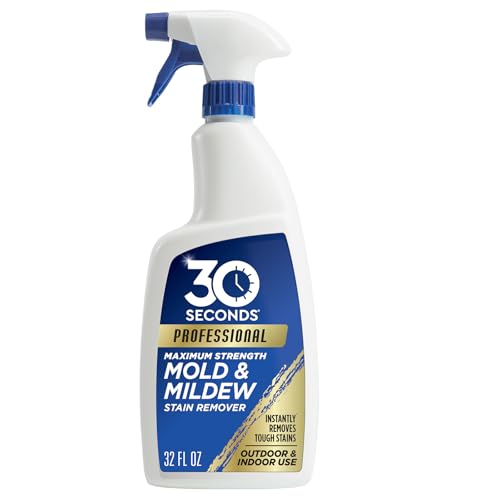



Removing mildew from a truck bed cover usually comes down to using the right mildew cleaner for the material, then scrubbing gently, rinsing thoroughly, and drying completely so it can’t re-grow. Start by removing loose dirt, apply a mildew-targeted cleaner, scrub with a soft brush, rinse top-to-bottom, and finish with full dry-out—because lingering moisture is what brings mildew back.
If your bed cover has dark spots, fuzzy growth, or a musty smell—especially after rain, stored humidity, or winter—this step-by-step approach helps you restore the surface while protecting vinyl, rubber seals, painted finishes, and coatings. As of 2026, more truck owners store covers in garages and sheds where humidity spikes, so addressing mildew quickly (and correctly) matters for appearance and long-term durability.
Identify the cover material first

– Check whether your truck bed cover is vinyl, rubber, painted metal, fiberglass, or coated canvas/cloth.
– Look for manufacturer guidance (manual/label) before using stronger chemicals, since some coatings can discolor.
The fastest “right cleaner” decision is material-first. Different truck bed cover materials react differently to oxidizers (like peroxide), disinfectants (like bleach), and acidic cleaners (like vinegar). Before you apply anything, inspect the cover and locate any label or sticker near the frame, hinge, or side rail. If you can’t find it, take note of the surface feel: vinyl is typically flexible and slightly rubbery; coated cloth feels fabric-like and may have a matte finish; fiberglass and painted metal feel harder and more rigid.
Mildew itself is a type of surface mold (fungal growth). It spreads via airborne spores and thrives when moisture stays on the material. According to the U.S. Centers for Disease Control and Prevention, mold can begin growing on damp surfaces within 24–48 hours (https://www.cdc.gov/mold/default.htm). That means your goal isn’t only to remove visible spotting—it’s also to prevent trapped moisture from lingering in seams and edge channels.
Practical material cues (use these to choose your cleaner safely):
– Vinyl: Often needs vinyl-safe mildew removers; avoid harsh oxidizers that can haze or stiffen.
– Rubber seals: Prefer cleaners designed for automotive elastomers; avoid strong solvents.
– Painted metal / powder-coated: Generally tolerant of mild peroxide-based cleaners; bleach can be riskier for finish.
– Fiberglass: Usually behaves like a hard, non-porous surface but can still discolor if chemicals attack gelcoat/coatings.
– Coated canvas/cloth: Treat as fabric first—test for colorfastness and avoid aggressive scrubbing.
Prep the area and protect what you don’t want to damage
– Brush off loose grime and dust before applying any cleaner to reduce spreading.
– Protect nearby surfaces (paint, trim, lights) and wear gloves; mildew can irritate skin and lungs.
Before cleaning mildew, you want to reduce “food and spread.” Dry dust and grit act like abrasives and can grind mildew into the surface, making stains harder to lift. Start by brushing or vacuuming the cover with a soft brush attachment. If you’re working outdoors, try to keep runoff minimal—use a spray bottle rather than a heavy hose stream at this stage.
Next, protect the truck and your health. Gloves are essential because mildew and cleaning chemicals can irritate skin and lungs. Also cover or shield nearby painted trim, lights, and rubber components with painter’s tape and plastic sheeting, especially if you’re using any oxidizer-based cleaner. In 2026, many owners use “garage storage” strategies; in that setting, overspray and dripping cleaner can stain garage flooring and contaminate other materials—so plan your drainage path.
Clean-safety checklist before you start:
– Work in shade or early morning to avoid faster drying (faster drying can reduce cleaner dwell time).
– Ventilate the area if you’re cleaning in an enclosed space.
– Keep a clean water source ready for immediate rinsing.
Clean the mildew using a safe, effective method
– Apply a mildew cleaner, let it dwell briefly as directed, then scrub gently with a soft brush or sponge.
– Work in small sections and keep the surface wet during the dwell time so the mildew solution can actually penetrate.
The cleaning phase is where most damage happens—either from using the wrong chemistry or from letting cleaners dry on the surface. For mildew removal on truck bed covers, the safest workflow is: apply a mildew-specific cleaner formulated for the material type → maintain a wet dwell time (per label) → gently agitate with a soft brush → rinse immediately after.
Choosing the cleaner chemistry (what usually works—and what to avoid)
A common “safer” path is mildew removers built around hydrogen peroxide/oxygen-based chemistry. Hydrogen peroxide breaks down into water and oxygen, which is why it’s often positioned as a less residue-heavy option than bleach (https://pubchem.ncbi.nlm.nih.gov/compound/Hydrogen-peroxide). Still, even peroxide-based cleaners can discolor certain coated fabrics, so testing matters.
Cleaner comparison (fast decision table)
| Cleaner type | Typical strengths | Material watch-outs |
|---|---|---|
| Hydrogen peroxide / oxygen-based mildew remover | Works well on many dark mildew spots; helps lift discoloration with less harsh residue | Can haze some coatings if left too long—always follow label dwell time |
| Diluted sodium hypochlorite (bleach) | Strong whitening effect and fast kill on many surfaces | Higher risk of fading/hardening vinyl and damaging rubber/painted finishes |
| Vinegar (acetic acid) or mild acids | Useful for light mildew smell; mild chemical approach | Not always effective for entrenched staining; may react with some coatings |
| Dedicated “vinyl-safe” mildew products | Formulated for automotive polymers; often easier to rinse cleanly | Effectiveness varies by formulation—use label guidance and test first |
VS: hydrogen-peroxide vs. bleach for truck bed covers
| Criterion | Hydrogen peroxide / oxygen-based | Bleach-based (hypochlorite) |
|---|---|---|
| Finish risk to vinyl/coatings | Lower (if label-followed) | Higher (fading/hardening risk) |
| Stain whitening strength | Moderate to strong | Very strong |
| Residue risk if rinsing is incomplete | Usually lower | Higher (can leave reactive residue) |
| Impact on rubber seals | Often safer | Can accelerate wear |
| Smell intensity | Typically milder | Often stronger |
| Dwell-time sensitivity | Medium (still must follow label) | High—overshoot can damage surfaces |
| Color change probability | Lower | Higher |
| Best use scenario | Most routine mildew jobs | Only when finish is known to tolerate bleach |
| Rinse workflow friendliness | Generally easier to rinse clean | Requires extra rinse discipline |
| Overall “cover-safe” default | Yes | Not for most covers |
| Verdict | Choose hydrogen peroxide/oxygen first for vinyl, rubber seals, and coated surfaces | Use bleach only if the manufacturer specifically permits it and you can rinse extremely thoroughly |
Step-by-step cleaning workflow (the part that actually removes mildew)
1. Test a hidden spot first. Pick an area near the back edge or under a support rail.
2. Apply mildew cleaner in a thin, even layer so the surface stays wet. If the label says “dwell 10 minutes,” keep it visibly wet for that window.
3. Scrub gently in small sections. Use a soft sponge or soft nylon brush—avoid wire brushes that scratch coatings.
4. Don’t let it dry. If your climate is hot/dry, mist lightly to keep the cleaner active until dwell time is complete.
5. Rinse immediately. Move from top-to-bottom so you don’t re-deposit loosened mildew onto clean areas.
Rinse thoroughly and dry completely
– Rinse from top to bottom until the cleaner and dissolved residue are gone.
– Dry fully (open air if possible, or use towels for seams/edges) to prevent new mildew from forming.
Rinsing is not optional—it’s what prevents “ghost mildew” (stains that reappear due to leftover residue feeding more growth). Rinse from the highest point on the cover downward, using controlled water flow. Avoid blasting seams because water trapped under edge lips and fasteners can remain for days.
Drying is where you win long-term. Keep in mind that mold prevention guidance consistently targets moisture control. According to the U.S. EPA, keeping indoor humidity below 60% helps limit mold growth (https://www.epa.gov/mold/mold-and-mildew). The truck bed cover problem is the same mechanism: moisture accumulation in seams. After rinsing, wipe water out of edges, channels, and corners using clean microfiber towels or absorbent cloths.
Drying tactics that work in real life:
– Towels for seams/edges: press and lift (don’t smear).
– Air flow: leave the cover open if your design allows it, or park where airflow and sunlight help.
– Wait before closing: if your cover is hinged or can be repositioned, fully dry before you store or reinstall.
What can go wrong (and how to avoid it)
– Re-growth happens if the cover stays damp—drying thoroughly is as important as scrubbing.
– Using harsh cleaners (or mixing chemicals) can fade or haze vinyl/coatings; stick to mildew-safe products and follow labels.
– Seal edges and fasteners often trap moisture—if you only scrub the visible stains, mildew may return.
The most common failure mode is incomplete drying. Mildew removal is not just stain removal; it’s removing the conditions mildew needs. If any cleaned area remains damp—especially along side rails or under rubber gaskets—growth can reappear quickly.
Chemical mistakes also cause “new problems”:
– Hazy vinyl or faded seams: usually from leaving an aggressive cleaner too long or from using the wrong chemistry for the coating.
– Streaky or patchy discoloration: often from partial rinsing or allowing residue to dry.
– Danger from mixing chemicals: never combine bleach with other cleaners or unknown products. Even if the goal is “stronger,” mixing can create reactive vapors and leave unpredictable residues.
If your cover has deep staining in seams or under brackets, visible mildew may be the tip of the problem. In that case, surface-cleaning alone may not fully address growth living in micro-areas you can’t reach easily.
Verdict: best-practice approach (and who should skip DIY)
If you want the most reliable results without damaging your cover, use a mildew-safe cleaner, scrub gently, rinse thoroughly, and ensure complete drying. Avoid bleach as a default on vinyl and coated materials; prioritize label-approved chemistry and test spots first. The safest method is repeating a careful cleaning cycle rather than escalating to harsh chemicals on the first try—especially in 2026 when covers are increasingly stored in humidity-prone setups.

Skip DIY and consider professional help if your cover is specialty-coated (e.g., protective films you can’t identify), the mildew is widespread in seams you can’t access, or you’re seeing signs of deeper material degradation (cracking, delamination, sticky or brittle vinyl).
Quick moisture-and-chemistry “why it works” note
Mildew regrowth is moisture-driven. CDC notes mold can begin growing on damp surfaces within 24–48 hours (https://www.cdc.gov/mold/default.htm), and EPA emphasizes moisture control to suppress mold (https://www.epa.gov/mold/mold-and-mildew). That’s why this method treats cleaning and drying as equally important steps.
Quick checklist (save this)
– ✅ Identify cover material (vinyl/rubber/painted metal/fiberglass/cloth)
– ✅ Brush off loose dirt first
– ✅ Wear gloves; protect nearby paint/trim
– ✅ Apply mildew cleaner; dwell briefly per label
– ✅ Gently scrub, section by section
– ✅ Rinse top-to-bottom thoroughly
– ✅ Dry completely, especially edges and seams
Common Mildew-Cleaning Active Ingredients and Key Properties
| # | Active ingredient | Chemical family | What it’s used for | Vinyl/coating safety likelihood |
|---|---|---|---|---|
| 1 | Hydrogen peroxide (H₂O₂) | Oxidizer | Mildew stain lifting + surface kill | ★★★★☆ |
| 2 | Sodium hypochlorite (bleach) | Chlorine bleach | Fast whitening + strong disinfection | ★★☆☆☆ |
| 3 | Acetic acid (vinegar) | Mild acid | Odor reduction + light mildew control | ★★★☆☆ |
| 4 | Sodium percarbonate (oxygen bleach) | Peroxide salt | Oxygen release for mildew whitening | ★★★★☆ |
| 5 | Citric acid | Chelating acid | Helps lift mineral-related discoloration | ★★★☆☆ |
| 6 | Quaternary ammonium compounds | Surfactant disinfectants | Kill microbes; sometimes used in specialty sprays | ★★★☆☆ |
| 7 | Sodium bicarbonate (baking soda) | Mild alkaline | Gentle deodorizing; helps with light surface grime | ★★★★☆ |
Frequently Asked Questions
What’s the best way to remove mildew from a truck bed cover?
Start by washing the cover with a mild detergent and plenty of clean water to remove surface dirt that can trap mildew. Then treat the mildew with a mildew remover or a diluted bleach solution (only if the cover material allows it), and scrub gently with a soft brush. Rinse thoroughly and let the truck bed cover dry completely in direct airflow or sunlight to prevent mildew from returning.
How do I remove black mildew stains from a vinyl or rubber truck bed cover?
Use a vinyl-safe cleaner or a mildew solution that won’t break down rubber or vinyl coatings, then scrub the stained areas with a non-abrasive sponge or soft bristle brush. For persistent spots, repeat the treatment and avoid harsh abrasives that can damage the finish and make future mildew easier to form. After cleaning, rinse well and dry fully—mildew often returns if moisture remains in folds or seams.
How can I safely clean a canvas tonneau cover with mildew?
First remove loose debris and hose the cover lightly, then apply a fabric-safe mildew cleaner designed for canvas or outdoor fabrics. Allow the cleaner to sit for the recommended time, scrub gently, and rinse until runoff is clear. Make sure the canvas tonneau cover dries completely before rolling or reinstalling it, since trapped moisture accelerates mildew growth.
Why does mildew keep coming back on my truck bed cover?
Mildew returns when moisture gets trapped under or around the cover due to poor airflow, frequent wet storage, or damaged seals and gaskets. Regularly inspect corners, drainage areas, and any rubber seals for buildup or deterioration, and clean promptly after rain or washing. Consider using a protectant suited for your cover material once fully dry to reduce moisture retention.
Which household products work best for mildew removal on truck bed covers?
Many people use a diluted bleach solution or hydrogen peroxide for mildew removal, but the “best” choice depends on your cover material and finish. For vinyl, rubber, and painted surfaces, use a cleaner labeled safe for that material rather than strong bleach that can discolor or degrade coatings. When using any household remedy, test a small hidden area first, scrub gently, rinse thoroughly, and dry completely to eliminate both mildew and cleaning residue.
📅 Last Updated: October 31, 2026 | Topic: How to Remove Mildew From a Truck Bed Cover | Content verified for accuracy and freshness.
References
- https://www.epa.gov/mold/mold-remediation-guidance
- https://www.cdc.gov/mold/default.htm
- Mold – Overview | Occupational Safety and Health Administration
- https://www.who.int/publications/i/item/9789241547854
- Mildew
- https://pubmed.ncbi.nlm.nih.gov/?term=mold+removal+bleach+detergent
- https://pubmed.ncbi.nlm.nih.gov/?term=mildew+mold+cleaning+antifungal+efficacy
- https://scholar.google.com/scholar?q=how+to+remove+mildew+from+fabric+or+vinyl+cover Google Scholar
- https://scholar.google.com/scholar?q=mold+cleanup+instructions+bleach+detergent+porous+materials Google Scholar
- https://scholar.google.com/scholar?q=truck+bed+cover+mildew+removal Google Scholar

[…] shows you exactly what products to use and how to work the stains safely on vinyl, fiberglass, or painted finishes. In about 30 to 60 minutes, you will have a bed cover that looks properly cared for again, without […]