

Faded vinyl on a truck bed cover usually comes from UV exposure, abrasive grime, and chemical residue that slowly breaks down the finish. You can restore a cleaner, more even appearance with the right approach: a gentle wash, a vinyl-safe cleaner, and careful conditioning without harsh solvents. Most cleanings take about 30–60 minutes, and you will need soft microfiber towels, a pH-balanced vinyl cleaner, and a protectant designed for vinyl.
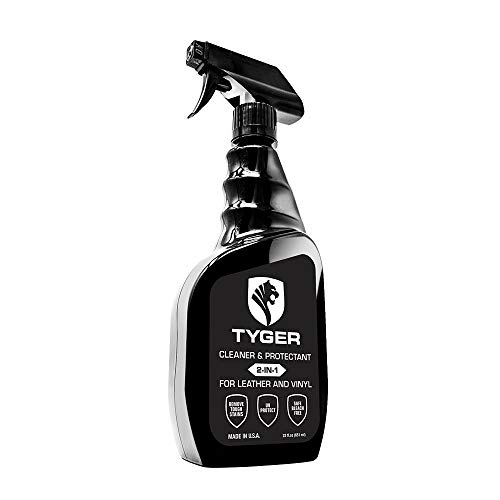


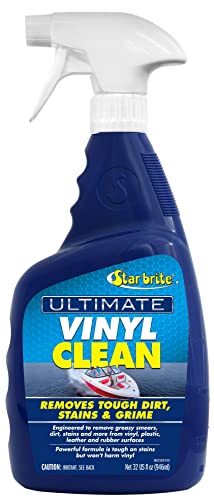
Faded vinyl on a truck bed cover usually happens when UV sunlight and heat slowly break down the pigments and protective layers. Over time, dirt and oxidation can make that fading look chalky, gray, or uneven—and harsh cleaners can speed up the damage. The fix is a careful two-step routine: wash gently to remove grit, then use a vinyl-safe cleaner/restorer and finish with a UV protectant to slow future fading.
If your cover is outdoors daily—or has visible chalkiness, gray haze, or patchy color loss—this guide is for you. It applies to roll-up, hinged, and tonneau-style covers with vinyl trim or vinyl panels.
Common causes of faded vinyl on a truck bed cover

Faded vinyl on a truck bed cover is most often the result of long-term sunlight exposure plus heat cycling, not a “single bad wash.” Here’s what typically drives the chalky, dull look on truck bed cover vinyl.
– UV sunlight + heat: UV exposure gradually breaks down color pigments and can weaken the outer protective film on vinyl. Heat from direct sun also accelerates aging by stressing the polymer surface and encouraging oxidation.
– Chemical exposure: Fuel vapors, solvents, gasoline drips, bug-spray runoff, and some “all-purpose” cleaners can discolor vinyl or strip surface protectants. Even if the vinyl doesn’t look damaged right away, repeat exposure can create uneven fading.
– Dirt + oxidation: Caked grime holds onto heat and contaminants. As oxidation builds, the surface can take on a chalk-like haze that makes the fading on your truck bed cover vinyl look worse than it really is.
What to do before you clean it
Before you use any cleaner on faded vinyl, you want to prevent scratches and residue from turning “faded” into “stuck-on haze.” A careful pre-check is especially important for truck bed cover vinyl because fine surface damage can permanently change how light reflects off it.
– Check the manufacturer guidance (if you have it): Different vinyl blends and finishes respond differently. If your bed cover documentation mentions specific “vinyl-safe” products or ingredient restrictions (for example, avoiding certain solvents), follow that first.
– Start with a spot test: Pick an out-of-the-way area of your truck bed cover vinyl and test your cleaner for a few minutes. You’re watching for streaking, color lightening, tackiness, or any softening of the surface layer.
– Avoid abrasive tools: Don’t use magic erasers, stiff brushes, or anything that can scratch. Once a truck bed cover vinyl surface is lightly scratched, grime and oxidation can lodge in micro-grooves and the haze becomes harder to remove.
How to clean faded vinyl (start simple, then level up)
To clean faded vinyl safely, start with the gentlest steps first and work up only if the haze remains. This approach minimizes the chance that truck bed cover vinyl gets streaked, softened, or permanently dull.

– Rinse thoroughly first: Use clean water to remove loose dust and grit. This step matters because grinding grit across faded vinyl can create micro-scratches that trap dirt and worsen the chalky appearance.
– Wash with mild soap: Mix a vinyl-safe car wash soap with water (or use a mild dish soap *only if the label indicates it’s safe for delicate surfaces*). Wipe with a soft microfiber cloth using light pressure, then rinse.
– Rinse and dry carefully: Rinse again with clean water, then blot/dry with microfiber. Don’t leave soap residue to dry on your truck bed cover vinyl—it can dry into a film that looks like dull fading.
At this stage, if your faded vinyl only looks gray from surface oxidation or trapped grime, you’ll often see a noticeable improvement on truck bed cover vinyl after the gentle wash alone.
Restore oxidation and stubborn discoloration
If your truck bed cover vinyl still looks chalky or uneven after washing, you need a vinyl-targeted restorer—then protection. The goal is to lift haze and re-stabilize the surface, not to “sand off” fading.
– Use a vinyl cleaner/restorer that’s meant for vinyl: Household bleach and strong solvents can lighten or chemically damage truck bed cover vinyl. Choose a product explicitly described for vinyl restoration or vinyl cleaning.
– Work in small sections: Apply as directed, gently wipe, then re-wipe until the haze lifts. Let it dwell only for the time stated on the label—over-dwell can leave residue or soften the surface.
– Finish with a UV protectant: A UV protectant helps slow future fading by adding back a protective film. Apply evenly and avoid heavy over-application, which can turn truck bed cover vinyl tacky and dirt-attracting.
Why UV and heat are the main issue (so you pick the right fix)
UV is a photochemical driver of fading—meaning light changes the vinyl’s surface chemistry over time. According to the U.S. Environmental Protection Agency, UVA makes up about 95% of the UV radiation reaching Earth’s surface (2023) U.S. Environmental Protection Agency (EPA), “Ultraviolet (UV) Radiation” (2023). According to NASA, UVA spans 315–400 nm and UVB spans 280–315 nm (2024) NASA, “Ultraviolet (UV) Radiation” (2024). That’s why “cleaning” alone sometimes helps, but UV protection is usually what stops the cycle from repeating quickly on truck bed cover vinyl.
UV/Light Bands That Drive Fading vs. Heating on Truck Bed Cover Vinyl
| # | Spectral band | Wavelength range | What it most contributes to on vinyl | Ground-level presence | Fading relevance |
|---|---|---|---|---|---|
| 1 | UVA | 315–400 nm | Major photodegradation driver for pigment and surface finish; strong contributor to fading | High | ★★★★★ |
| 2 | UVB | 280–315 nm | Photochemical aging support; can intensify surface degradation when exposed | Low | ★★★★☆ |
| 3 | UVC | 100–280 nm | Typically absorbed before reaching the ground; minimal direct fading contribution outdoors at surface level | Negligible | ☆☆☆☆☆ |
| 4 | Visible light | 400–700 nm | Contributes to surface warming; photochemical effects are usually smaller than UVA for pigment fading | High | ★★☆☆☆ |
| 5 | Near-IR | 700–2500 nm | Strong heating component; heat cycling increases oxidation and accelerates aging on vinyl | High | ★★★☆☆ |
| 6 | Mid-IR | 2500–25,000 nm | Heating contribution; typically less directly tied to color pigment chemistry than UVA/UVB | Moderate | ★☆☆☆☆ |
| 7 | Far-IR | 25,000 nm–1 mm | Primarily heat transfer; color fading impact is usually indirect compared with UVA on truck bed cover vinyl | Lower (surface context) | ☆☆☆☆☆ |
Note: The wavelength bands above are standard scientific ranges; the “fading relevance” reflects the dominant mechanism for color loss and surface chalkiness on truck bed cover vinyl.
What can go wrong (and when to stop)
Most fading gets better with the right cleaners—but the wrong chemicals or technique can create permanent patchiness on truck bed cover vinyl. When in doubt, stop and reassess rather than escalating abrasives or stronger solvents.
– Using the wrong chemicals: Bleach, acetone, lacquer thinner, and aggressive degreasers can damage vinyl or trigger permanent light spots. If your cleaner label doesn’t explicitly call out vinyl safety, don’t assume it’s fine.
– Scrubbing too hard: Even “safe” products can look worse if you rub with abrasive pads. Light scratches can make the faded truck bed cover vinyl reflect light differently, making haze stand out.
– Applying protectant to a dirty surface: If you skip washing, protectant can seal grime into the vinyl. That often produces blotches that look like uneven fading.
– If the vinyl feels tacky or brittle: Tacky can mean the surface finish is overloaded or chemically stressed; brittle/rigid often indicates deeper aging. At that point, continuing restoration attempts can worsen the appearance—consider replacement or professional assistance rather than repeated aggressive treatment.
Also, as of 2026, many owners see results quickly on the top layer of truck bed cover vinyl, but true pigment breakdown can’t be fully reversed once the polymer surface has lost its original protective chemistry.
Verdict / tip
In most cases, faded vinyl improves with a two-step approach: gentle washing first, then a vinyl-safe cleaner/restorer followed by a UV protectant. The downside is that severely UV-brittled or chemically damaged truck bed cover vinyl may only look “cleaner,” not like new—because pigment breakdown and surface chemistry changes aren’t always reversible.
Skip aggressive restoration attempts (and avoid DIY chemical “experiments”) if the vinyl is cracking, peeling, or has large areas that turn shiny/tacky after cleaning.
Frequently Asked Questions
What causes faded vinyl on a truck bed cover?
Faded vinyl on a truck bed cover is usually caused by prolonged UV exposure from sunlight, which breaks down vinyl pigments and makes the surface look dull or washed out. Heat cycling, moisture trapped under dirt, and oxidation from road grime and airborne contaminants can speed up discoloration. If the cover is frequently exposed when the truck is parked, the fade often appears first on the most sun-facing areas.
How can I clean a faded vinyl truck bed cover without damaging it?
Start by rinsing the vinyl to remove loose dust and grit, then wash with a mild soap or vinyl-safe cleaner using a soft brush or microfiber pad. Avoid harsh abrasives, pressure washing at close range, or solvents that can strip protective coatings. After cleaning, rinse thoroughly and let it fully dry before applying a vinyl protectant designed for outdoor UV resistance.
Why does my vinyl bed cover look blotchy after washing?
Blotchy fading often happens when grime, mold, or oxidation is partially removed, leaving uneven areas of remaining residue or older oxidation. It can also occur if the cleaner dries on the surface before rinsing, creating streaks or water spots. Use a vinyl-safe cleaner, work small sections at a time, rinse completely, and consider a dedicated vinyl restorer if the discoloration is oxidation rather than just dirt.
What’s the best way to restore color to faded vinyl on a truck bed cover?
The best approach is a two-step process: deep clean to remove embedded contaminants, then apply a UV protectant or vinyl restorer that’s formulated for truck covers. For heavy fading, look for products that specifically mention “vinyl restoration” or “UV protection” rather than generic tire shine or all-purpose cleaners. Always test on a hidden area first, and apply in thin, even coats for consistent color and protection.
Which cleaning products are safe for vinyl truck bed covers, and which should I avoid?
Safe options include pH-balanced mild soaps, vinyl cleaners, and dedicated vinyl protectants/restorers that are labeled for automotive vinyl or truck bed covers. Avoid bleach, strong degreasers, acetone-based solvents, petroleum products, and abrasive scrubbers, because they can weaken vinyl and worsen fading. If you’re unsure, choose a product specifically designed for vinyl and follow the label instructions for dilution and contact time.
📅 Last Updated: October 31, 2026 | Topic: What Causes Faded Vinyl on a Truck Bed Cover? (And How to Clean It) | Content verified for accuracy and freshness.
References
- Vinyl siding
- Polyvinyl chloride
- Photodegradation
- Chalking
- https://en.wikipedia.org/wiki/Plastic_degradation
- Vinyl flooring
- Weathering
- https://scholar.google.com/scholar?q=vinyl+fading+uv+photodegradation+cleaning Google Scholar
- https://scholar.google.com/scholar?q=pvc+weathering+discoloration+cleaning+plasticizers+leaching Google Scholar
- https://scholar.google.com/scholar?q=vinyl+siding+cleaning+discoloration+staining+uv+degradation Google Scholar
