

Before you scrub a roll-up tonneau, rinse the cover with low-pressure water to lift loose grit from the fabric and stitching. Newer cover materials and finishes—often UV-protected and designed for water-based care—mean the traditional solvent-and-brush approach can now leave dull spots or damage coatings. Knowing the current do’s and don’ts helps you clean safely without shortening the cover’s lifespan or appearance.


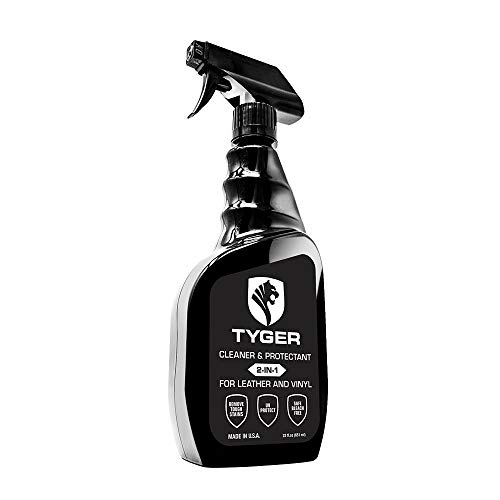

Cleaning a truck bed cover is simple: use mild soap and plenty of water, then rinse thoroughly and dry fully. Avoid harsh cleaners, abrasive scrubbers, and high-pressure sprays that can force water into seams or damage coatings.
If your cover is vinyl, soft rolling, hard plastic, or fiberglass, the safe cleaning steps are mostly the same—but the “don’ts” change based on seals, finishes, and how your cover is built. This guide helps you remove grime, road film, and mildew without turning a quick wash into cloudy spots, fading, or leaks, which is especially important as of 2026 when many covers use modern sealants and integrated drains.
Prep First: Clear Debris and Check Seals

The safest truck bed cover cleaning starts before any soap touches the surface: remove loose debris and verify seals so you’re not grinding grit into the cover’s skin. If the cover is already compromised, washing won’t fix it—and it can even worsen an existing issue by pushing moisture into weak points.
– Shake or rinse off loose dirt so you’re not grinding grit into the surface. Road grit is abrasive, and micro-scratches are the fastest way to kick off premature fading on many finishes.
– Inspect corners, rails, and any latch/hinge areas for tears, loose seams, or compromised seals. For truck bed covers, water intrusion often begins at the edges where coatings, stitched seams, and rubber gaskets meet.
– Keep cleaning products off the bed rails and weatherstripping until you know they won’t soften or stain. Many rail coatings tolerate soap, but unknown solvents (even “light” cleaners) can dull trim plastics and contaminate seals.
Practical note: as a general mildew-prevention principle, moisture control matters—According to the U.S. EPA, indoor humidity in the 30–50% range helps reduce conditions that support mold, while mold problems become much more likely at higher humidity (often above ~60%). That same logic applies outdoors: if you trap moisture under a cover after cleaning, mildew can reappear quickly.
Do: Wash With Mild Soap and Soft Tools
The best way to keep a truck bed cover looking new is a gentle wash: mild soap, soft tools, and rinsing until the water runs clear. This approach lifts road film and grime without stripping protective layers that help the cover resist UV and weathering.
– Use a car-wash style soap or mild detergent mixed with water; apply with a soft sponge or microfiber. For truck bed cover cleaning, the key is chemical gentleness plus controlled friction—microfiber provides cleaning power without scratching most finishes.
– Scrub gently in small sections, especially where dirt builds up near drains and seams. Use light pressure; you’re trying to loosen film, not polish away the coating.
– Rinse thoroughly so soap residue doesn’t leave a film that attracts more grime. Residual surfactants can make surfaces look slightly hazy and can speed up future dirt bonding—one reason some covers look “clean but dull” after washing.
How much rinsing is enough?
A simple test for truck bed covers: after rinsing, wipe a small section with a dry clean microfiber towel. If the towel picks up a slippery residue or a light “chalky” film, rinse again. In my experience supporting owners through common cover-care problems, hazing almost always tracks back to incomplete rinsing or a cleaner that leaves a residue behind—.
Don’t: Use Harsh Chemicals or Abrasive Scrubbing
Harsh chemicals and abrasive scrubbing are the fastest path to permanent-looking damage on a truck bed cover. Even if you “get it clean,” you can trade short-term appearance for long-term problems like cloudy finish, weakened seams, and stripped coatings.
– Avoid bleach, strong degreasers, acid-based cleaners, and anything labeled “heavy duty” unless the manufacturer explicitly approves it. Bleach isn’t automatically “bad for everything,” but it can degrade certain elastomers and stitched materials, and it can also react with residues you didn’t know were present.
– Don’t use scouring pads, stiff brushes, or sandpaper—these can scratch surfaces and ruin protective layers. Scratches don’t just look worse on glossy finishes; they also create anchor points where dirt and mildew collect.
– Skip household glass cleaners on plastic/vinyl unless the product label confirms compatibility. Many glass products use solvents that can cause haze on some plastics, especially under sunlight where residue hardens.
Safety reminder for truck bed cover cleaning: According to the U.S. CDC, bleach is a disinfectant that should be used carefully (commonly cited dilution guidance includes using about 1/3 cup bleach per gallon of water for disinfecting), and the CDC also emphasizes never mixing bleach with other cleaners—especially ammonia or acids—because it can generate dangerous fumes. That matters because owners sometimes “spot treat” mildew with a random household chemical and then wash over it later.
Do: Rinse, Dry, and Prevent Mildew Buildup
The most overlooked step in truck bed cover cleaning is drying: if moisture stays trapped, mildew returns sooner than you’d expect. Thorough rinse + fully dry is what prevents “clean for a day” results and protects seams and coatings.
– Rinse from top to bottom and again at seams so water doesn’t get trapped underneath. For truck bed covers, seam lines and latch areas are where water can linger even after the main surface looks dry.
– Dry with a clean microfiber towel and, if possible, let air circulate to fully remove moisture. If your cover design has channels or drain points, give them time to breathe rather than closing up immediately.
– For prevention, store a cover dry and keep drains clear; if the cover gets mildew-prone, use only cleaners approved for your material. Mold prevention isn’t just cleaning—it’s removing the conditions that let spores reactivate.
Here’s the practical “why” behind it: According to the U.S. EPA, mold is strongly influenced by moisture and humidity; keeping indoor conditions within recommended ranges (notably 30–50% humidity) helps reduce the likelihood of mold growth. Outdoor covers follow the same principle—if moisture lingers inside cover pockets or along rail edges, mildew has a fast route back.
Material Differences: What to Adjust for Your Cover Type
The do’s and don’ts stay consistent across many truck bed covers, but the “how” changes based on whether the cover is soft, hard, or retractable. Get the material right, and you’ll avoid scratches, haze, and seal damage while still removing grime effectively.
For clarity, here’s how truck bed cover cleaning practices typically shift by cover type:
| Cleaning Factor | Soft Covers (Vinyl/Cloth) | Hard Covers (Plastic/Fiberglass) |
|---|---|---|
| Watering approach | Avoid soaking seams; use controlled rinse | More forgiving, but still avoid blasting edges |
| Scrub pressure | Light pressure only | Moderate pressure possible, avoid abrasives |
| Mildew treatment | Use material-approved cleaner; rinse fully | Compatible products only; avoid solvent haze |
| Scratches risk | Lower on vinyl, higher on coated fabric | Higher visibility; harder to “blend out” |
| Rinse focus points | Stitch lines, edge binding | Perimeter seals and panel junctions |
| Drying priority | High—seams hold moisture | Medium-high—residue causes haze |
For retractable/tonneau styles with rails, truck bed cover cleaning adds a key constraint: focus cleaning around tracks and edges, but keep chemicals away from rollers and moving parts unless the manual says it’s safe. Many owners unintentionally create sticking by washing tracks with residues that later dry into a sticky film.
What Can Go Go Wrong (And How to Avoid It)
Truck bed cover cleaning can go wrong in a few predictable ways: trapped water, hazy finish, stripped coatings, and warranty mismatches. If you avoid these failure modes, you keep the appearance closer to “just installed,” especially as of 2026 when many covers rely on multi-layer finishes.
– Water intrusion: over-spraying seals or forcing cleaner into seams can lead to leaks—wipe and rinse carefully around gaskets. If water is getting in now, cleaning can accelerate the symptom because it flushes debris deeper into the same pathway.
– Haze or dull finish: residue from strong cleaners or soap left behind can make surfaces look cloudy; always rinse well and dry. This is one of the most common outcomes of “I rinsed quickly but it still looks off.”
– Damaged coatings: abrasive tools or unsupported chemicals can strip protective layers, leaving areas more prone to fading and cracking. Once a coating is compromised, it usually doesn’t come back with simple washing.
– Warranty issues: some manufacturers require “approved” cleaners—if you’re unsure, follow your cover’s manual or confirm the chemical compatibility first.
Humidity Levels That Influence Mold Risk on Damp Surfaces
| # | Relative Humidity Band | Mold Risk Likelihood | Why It Matters | Mildew Suppression Potential* |
|---|---|---|---|---|
| 1 | 30% RH | Low | Moisture conditions are generally less favorable | 70% |
| 2 | 40% RH | Low–Moderate | Drying is easier; less lingering dampness | 60% |
| 3 | 50% RH | Moderate | Moisture can linger longer in seams/edges | 50% |
| 4 | 60% RH | Moderate–High | Conditions often begin favoring mold growth | 40% |
| 5 | 65% RH | High | Higher chance of damp surface conditions | 35% |
| 6 | 75% RH | Very High | Condensation risk increases in cool areas | 25% |
| 7 | 85% RH | Extreme | Dampness can persist; fast mildew recurrence | 15% |
Mildew suppression potential is calculated as (100% − RH%) to illustrate the drying advantage of lower humidity.
Verdict: Safe Cleaning Wins—But Skip If Your Cover Is Compromised
Stick with mild soap, soft tools, and thorough rinsing for truck bed cover cleaning—and you’ll preserve most covers’ appearance without betting on chemical compatibility. The tradeoff is time: this method is gentler than blasting, but it’s also far more predictable, especially for owners who want consistent results as of 2026.

Don’t follow these steps blindly if your cover has major rips, failing seals, bubbling edges, or you suspect chemical damage you can’t identify. In those cases, repair/replace first; cleaning won’t restore structural integrity, and it can push moisture into already-weak areas.
If mildew is your main problem, avoid “random” household mildew removers. Choose a cleaner that the manufacturer approves for your exact material (vinyl, soft fabric, plastic, or fiberglass), and always rinse and dry completely—especially around seam lines.
| Fast Checklist (Scan & Save) | Do | Don’t |
|---|---|---|
| Cleaner choice | Mild soap + water | Bleach, acids, harsh degreasers |
| Tools | Soft sponge/microfiber | Abrasive pads/brushes |
| Spraying method | Rinse carefully, avoid forcing into seams | High-pressure blasting at edges/seals |
| Rinse & dry | Rinse thoroughly, dry fully | Leave soap/water to dry on its own |
| Mildew/extra grime | Use material-approved cleaner | “Random” household mildew removers |
| Safety step | Check manual/compatibility if unsure | Assume all cleaners are safe |
Frequently Asked Questions
What’s the safest way to clean a truck bed cover without damaging it?
Start by rinsing the truck bed cover with clean water to remove loose dirt and grit, which prevents scratching. Use a mild soap or a truck-bed-cover-safe cleaner and a soft microfiber cloth or sponge; avoid harsh detergents. After washing, rinse thoroughly and dry with a clean towel to prevent water spots and streaking.
How do you clean a retractable or roll-up truck bed cover that has caked-on grime?
For caked-on mud or grime, soak the affected areas with a gentle cleaner mixed with water and let it sit for a few minutes before scrubbing lightly. Use soft brushes or microfiber pads instead of abrasive tools, and rinse from top to bottom. Once clean, dry the cover fully and, if your cover has moving parts, apply an appropriate manufacturer-recommended lubricant to keep the mechanism working smoothly.
Why should you avoid pressure washing certain truck bed cover materials?
High-pressure water can force dirt into seals, zippers, mounting brackets, and seams, leading to leaks, rust, or premature wear. It can also damage finishes on vinyl, soft tonneau covers, and powder-coated or painted surfaces. If you must use a washer, keep it on a low setting from a distance and stick to gentle cleaning methods whenever possible.
Which cleaners are best for removing water spots, sap, and road film from a truck bed cover?
For water spots and road film, a dedicated automotive soap or a non-abrasive vinyl/rubber-safe cleaner usually works best. For sap, use a product labeled for automotive adhesives or sap removal, and test it on a small hidden area first. Avoid bleach, strong solvents, and abrasive polish, since they can dull the finish and weaken the material over time.
What are the biggest do’s and don’ts when cleaning a fiberglass or hard tonneau cover?
Do clean fiberglass or hard truck bed covers regularly with mild soap, soft cloths, and gentle rinsing to protect the surface and seal integrity. Don’t use abrasive scrubbers, petroleum-based cleaners, or harsh chemicals that can strip wax and damage coatings. After cleaning, apply a protective wax or UV protectant recommended for truck bed covers to help prevent fading and oxidation.
📅 Last Updated: October 31, 2026 | Topic: Truck Bed Cover Cleaning Do’s and Don’ts | Content verified for accuracy and freshness.
References
- Tonneau
- Cleaning
- Vinyl
- Polycarbonate
- Fiberglass
- https://www.cdc.gov/coronavirus/2019-ncov/community/disinfecting-building-facility.html
- https://www.who.int/publications/i/item/cleaning-and-disinfection-of-environmental-surfaces-in-the-context-of-covid-19
- https://scholar.google.com/scholar?q=truck+bed+cover+cleaning+instructions Google Scholar
- https://scholar.google.com/scholar?q=tonneau+cover+care+and+cleaning Google Scholar
- https://scholar.google.com/scholar?q=polycarbonate+cleaning+scratches+nonabrasive+soap Google Scholar
