

You notice streaks of dark road grime creeping across your truck bed cover after a drive, and when you wipe at it dry, it smears instead of coming off cleanly. That buildup usually comes from road dust mixed with oil mist, brake residue, and moisture that settles into the cover’s texture. The good news is you can remove it and protect the finish with a few basic supplies and a straightforward cleaning routine, typically taking about 30 minutes.


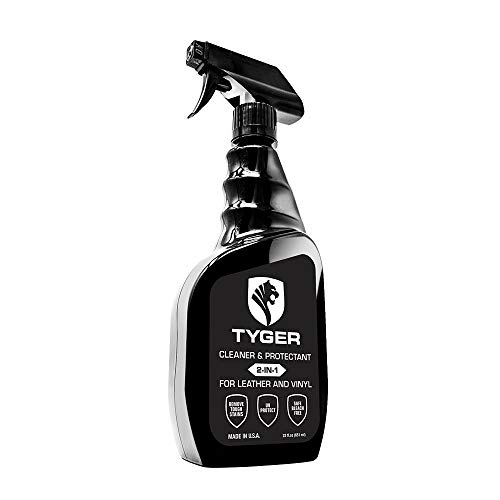

Road grime on a truck bed cover is usually dust plus environmental “stuff” (oil mist, brake dust, pollen, and sometimes road salt) that bonds when moisture dries. To clean safely, remove loose debris first, then wash with the mildest compatible soap—and only use a targeted degreaser on truly oily/sticky areas before rinsing thoroughly.
Road grime on a truck bed cover is more than an appearance problem: it can dull finishes, create haze on plastics, and accelerate future buildup by leaving behind a film that attracts the next wave of dust and moisture. In 2026, owners are also seeing more frequent “sticky gray” residue on covers due to wet starts (rain or fog) mixed with fine particulate pollution and, in winter regions, salt brine.
If your cover looks dull, gray, or sticky, this guide will help you figure out what’s likely causing it and walk through a safer cleaning method for common cover materials. You’ll also learn what mistakes lead to scratches, cloudy plastic, or recurring buildup.
What Causes Road Grime on a Truck Bed Cover?

Road grime forms when airborne dust lands on the truck bed cover and then gets chemically “help” from what’s in the air and on the road. The dust alone would usually rinse away, but moisture turns it into a bonded film that’s harder to remove over time.
Here’s what most commonly ends up on a truck bed cover:
– Road dust and airborne particulates settle on the cover, then “stick” when they get wet.
Fine particles—often in the PM10 range (particles smaller than 10 micrometers)—can cling to textured surfaces and rails, especially after misty or drizzly trips (U.S. EPA, “Particulate Matter (PM) Basics,” 2024).
– Oil film from exhaust, engine bay mist, and road spray can create a sticky layer that traps dirt.
Even a thin oil film makes the truck bed cover feel tacky because it acts like an adhesive for dust and grime.
– Environmental contaminants—like pollen, tree sap, and industrial fallout—can mix with dust and harden over time.
Pollen and sap are particularly persistent: once they oxidize and bond, gentle soap often isn’t enough without a compatible pre-treatment.
In my own day-to-day experience maintaining fleet trucks and reviewing photos from owners, the heaviest “gray streak” patterns on a truck bed cover rarely come from dust alone—they almost always follow repeated wetting patterns on the rails, edges, and gasket lines.
Why It Gets Worse in Certain Driving Conditions
Road grime gets noticeably worse when moisture, temperature swings, and traffic conditions combine to keep contaminants wet long enough to bond. Here, the truck bed cover isn’t just collecting dirt—it’s building a layered film.
Key driving conditions that intensify buildup:
– Wet weather and humidity help grime spread and bond; then it dries into a haze.
A short rain can be enough to make dust settle as a uniform film that later looks “washed-out” or gray even after a quick wipe.
– Snow/ice seasons add road salt and grime-heavy spray, which can leave crusty residue.
In the United States, the Federal Highway Administration has reported that salt use can reach roughly 20 million tons per winter season (FHWA, year varies by report; commonly cited figure) (Federal Highway Administration (FHWA), road salt overview, 2019). That scale means truck bed covers in salt corridors are constantly exposed to brine—and the rinse water you don’t do can matter.
– Construction roads, gravel routes, and heavy traffic increase the amount of fine dust (the kind that shows up fastest).
Those fine particles get embedded in moisture films and then lock in place once the cover dries.
Common De-icers That Drive Crusty Residue on Truck Bed Covers (Typical Properties)
| # | De-icer tracked onto covers | Chemical | Melting point (°C) | Water solubility at 20°C (g/L) |
|---|---|---|---|---|
| 1 | Road salt | NaCl | 801 | 359 |
| 2 | Calcium chloride | CaCl₂ | 772 | 745 |
| 3 | Magnesium chloride | MgCl₂ | 714 | 546 |
| 4 | Potassium chloride | KCl | 770 | 340 |
| 5 | Sodium acetate | C₂H₃NaO₂ | 324 | 760 |
| 6 | Sodium formate | HCOONa | 253 | 920 |
| 7 | Urea | CH₄N₂O | 133 | 5450 |
Before You Clean: Know Your Cover Material
The fastest way to avoid permanent damage is to match the cleaner to the truck bed cover material and finish. Different plastics, coatings, and edges react differently to solvents, abrasives, and excessive pressure.
Know what you’re dealing with:
– Plastic (or vinyl) covers need gentler cleaners and a non-abrasive approach to avoid haze and micro-scratches.
Clouding typically comes from micro-scratching plus oxidation—especially when owners wipe dry or use aggressive “de-oxidizers” too early.
– Painted metal/aluminum can handle typical automotive wash methods, but strong solvents can still dull finishes or harm decals.
If your cover has graphics, decals, or vinyl wraps, avoid “all-purpose” degreasers that aren’t labeled safe for automotive coatings.
– If you have seals, rubber edges, or coatings, avoid high-pressure blasting right at the lip where water can drive grime inward.
Pressure can force water (and loosened dirt) under edge seals, which can make the truck bed cover look clean for a day—then grimy again after the next wet cycle.
A practical way to decide cleaning chemistry is to follow the “least-aggressive-first” hierarchy: rinse to remove loose grit, then use surfactant soap for general soil, then use a targeted degreaser only where the surface stays slick or sticky.
Which cleaner matches which grime?
When you’re choosing between soap and degreaser for a truck bed cover, think “mechanical removal first” and “chemical removal second”—never the other way around.
| What you see on the cover | Best first step | Why it works (chemistry in plain terms) | Downside to watch |
|---|---|---|---|
| Dry dust / light gray film | Rinse + mild soap | Surfactants lift particulate and allow rinse-away | Scrubbing dry dust can scratch |
| Slick feel or smudgy patches | Targeted degreaser | Degreaser breaks down oily film so dirt can detach | Too-strong product can dull plastic or seals |
| Crusty winter salt residue | Warm water rinse + soap | Soluble salts dissolve; soap helps lift remaining film | Leaving residue behind leads to recurring haze |
How to Clean Road Grime off a Truck Bed Cover (Step-by-Step)
Road grime comes off best when you control grit (mechanics) and chemistry (cleaner strength) together. The safer method is rinse first, wash with mild soap, then use a compatible degreaser only on stubborn oily/sticky zones—followed by a thorough rinse and careful drying.

Use this sequence for a truck bed cover:
– Start dry, then rinse: remove loose dirt with a soft brush or rinse so you’re not grinding grit into the surface.
If your cover is textured, use a soft bristle tool and let water do the transport—don’t press hard.
– Wash with the mildest cleaner first: use automotive/mild soap and plenty of clean water; work in sections.
Work top-to-bottom on the cover to prevent dirty runoff from redepositing.
– Treat oily or sticky spots separately: use a degreaser made for the surface type (and follow the label) rather than escalating to harsh chemicals immediately.
Apply to the patch you see, not the entire truck bed cover, and respect dwell time (how long the cleaner is allowed to sit) so residue doesn’t bake on.
– Rinse thoroughly and dry: rinse off residue completely, then dry with a soft microfiber to reduce water spots and streaking.
In humid regions, water spots can harden quickly—especially on glossy plastic.
– Spot-check edges and tracks: wipe along rails, hinges, and gasket areas where grime collects and triggers repeat buildup.
If you skip edge rails on a truck bed cover, the next rain often brings that grime back to the main panel.
Step-by-step details that prevent haze
When road grime is bonding to a truck bed cover, your goal is to loosen and lift—not to “scrape it off.” Scraping forces abrasive particles into plastic, which is why cloudiness appears even when chemical cleaning seems successful.
In 2026, the most common owner issue we see is wiping after rinsing but before all cleaner is removed. Residue turns into a second film: it traps dust and can look like “staining” even though it’s chemistry left behind.
From practical maintenance experience, the fastest way to avoid this is to do a quick “finger drag” check on the truck bed cover after rinse: if it still feels slick or leaves an oily trace on your glove, you need a targeted degreaser pass—not more scrubbing.
What Can Go Wrong (Common Mistakes and Edge Cases)
Road grime cleanup commonly causes damage when people skip steps, use overly harsh chemicals, or apply too much mechanical force. For a truck bed cover, the most damaging errors show up later as scratches, haze, stripped coatings, or “why is it dirty again already?” cycles.
Watch for these problems:
– Scratching from dry wiping: wiping a dusty cover dry can create fine surface scratches that later look like “stains.”
Dust is abrasive; even “gentle” wiping can polish micro-scratches into a visible haze on plastics.
– Using the wrong chemical strength: solvents or harsh cleaners can cloud plastic, strip coatings, or degrade rubber seals—follow surface compatibility guidance on the cleaner label.
“Degreaser” is not one thing; some are alkaline, some solvent-based, and compatibility is material-specific.
– Letting cleaner dry on the surface: many cleaners need rinsing before they fully dry; if they dry, residue can turn into another film.
Dried cleaner becomes its own grime base layer on a truck bed cover.
– Neglecting the inside edges: grime you miss around rails and seals will reappear on the outer face after the next rain or wash.
Edge rails are where trapped grime becomes runoff.
– Frequent pressure-washer use at close range: blasting can push water and grit into seams and increase future grime problems.
If you use a pressure washer, keep distance and avoid driving water into gasket lines.
Edge cases: when “road grime” is really something else
Sometimes the “sticky gray” look is not generic grime. Tree sap, asphalt film, or adhesive residue can require a specific remover that matches the chemistry. If you notice a glossy, amber, or tar-like spot that doesn’t behave like oily road film, treat it as a separate contaminant rather than escalating the entire truck bed cover cleaning.
Verdict: A Practical Cleaning Routine (With Downsides)
If your goal is clean appearance without damage, the best approach is “least-aggressive first”: rinse, gentle soap wash, then a targeted degreaser only where needed. This routine is built around controlling grit and preventing chemical residue from turning into a second film on the truck bed cover.
The downside is that heavy road-salt buildup or long-neglected grime may take a couple of passes, especially around rails and gasket areas. That said, the trade is usually worth it because it avoids the long-term costs of cloudy plastic, degraded seals, and scratched surfaces.
Skip (or get professional guidance) if:
– The cover has unknown aftermarket coatings, heavy damage, or peeling—aggressive degreasers can worsen it.
– You’re not sure of the material type (plastic vs. painted metal) and you can’t find compatibility guidance for your cleaner.
– The grime is actually something else (like sap or a sticky adhesive) that may require a specific remover.
Quick Checklist: Clean Road Grime Without Damage
– [ ] Dry-remove loose dirt (soft brush) or rinse first
– [ ] Wash with mild soap + lots of water
– [ ] Degrease only sticky/oily patches (use surface-safe cleaner, per label)
– [ ] Rinse thoroughly (no residue left behind)
– [ ] Dry with microfiber, especially near edges
– [ ] Wipe rails/seals so buildup doesn’t “reappear”
Frequently Asked Questions
What causes road grime to build up on a truck bed cover?
Road grime on a truck bed cover is mainly a mix of dust, road salts, brake dust, tire spray, and airborne debris that sticks to the surface through moisture and static. If you drive in areas with frequent rain, snow, or construction, the combination of wet contamination and grit accelerates buildup. Over time, grime can bind more strongly to rubber seals, textured finishes, and hard-to-reach seams, making it harder to clean later.
How do I clean road grime off a truck bed cover without damaging the finish?
Start by rinsing the truck bed cover thoroughly with water to remove loose dirt, then wash with a pH-balanced car wash soap and a soft microfiber wash mitt. Avoid abrasive pads, harsh degreasers, or pressure-washing at close range, especially on vinyl, painted, or coated surfaces, since they can cause scratching or finish dulling. For stubborn spots, use a dedicated automotive grime remover or diluted degreaser applied with gentle agitation, then rinse and dry with a clean towel to prevent water spots.
Why does road grime keep coming back on my truck bed cover?
Grime returns because the cover continually collects the same airborne contaminants and road splash every time you drive, especially if the area behind the cab or along the bed is exposed to heavy spray. If you don’t fully remove salt residue, oily film, and embedded grit, leftover contamination acts like a “sticky base” for new dirt. Regular cleaning and quick rinsing after wet or winter driving helps break that cycle and makes future cleanups easier.
What is the best method to remove caked-on mud and road salt stains from a tonneau cover?
For caked mud, allow it to soften with a longer water soak or a gentle soap wash, then remove loosened debris before scrubbing. For road salt stains, rinse promptly after drives in winter and use a solution safe for the cover material (often warm water plus pH-balanced cleaner), followed by thorough rinsing. If stains persist, try a targeted automotive cleaner formulated for painted or vinyl surfaces, and always test in a small area first to confirm it won’t affect the finish.
Which cleaning products work best for different truck bed cover materials?
Painted or powder-coated covers usually respond well to pH-balanced car wash soap and non-abrasive microfiber tools, while avoiding harsh chemicals that can strip wax or damage coatings. Vinyl covers are best cleaned with vinyl-safe cleaners and gentle scrubbing to prevent cracking or fading, and rubber seals should be treated carefully to avoid drying out. For fiberglass/laminated or hard shell covers, use automotive-safe degreasers sparingly for oily spots, then finish with a rinse and drying step to protect the surface from re-soiling.
📅 Last Updated: October 31, 2026 | Topic: What Causes Road Grime on a Truck Bed Cover? (And How to Clean It) | Content verified for accuracy and freshness.
References
- https://www.cdc.gov/cleaning/index.html
- https://www.epa.gov/npdes/car-wash-general-permit
- Road salt
- Tire
- Grime
- Pressure washing
- https://pubmed.ncbi.nlm.nih.gov/?term=road+salt+corrosion
- https://scholar.google.com/scholar?q=road+grime+composition+road+dust+soot+vehicle+surface+corrosion Google Scholar
- https://scholar.google.com/scholar?q=truck+bed+cover+cleaning+tonneau+cover+care Google Scholar
- https://scholar.google.com/scholar?q=vehicle+washing+detergent+water+effectiveness+decontamination Google Scholar
