

It’s understandable to want a quick answer when your car carpet looks stained, but using Windex is a bad idea because many formulas can discolor or leave residues that affect the carpet’s dye and fibers. Experts recommend starting with blotting and a car- or upholstery-safe carpet cleaner, testing in a hidden spot first to protect the material and backing.


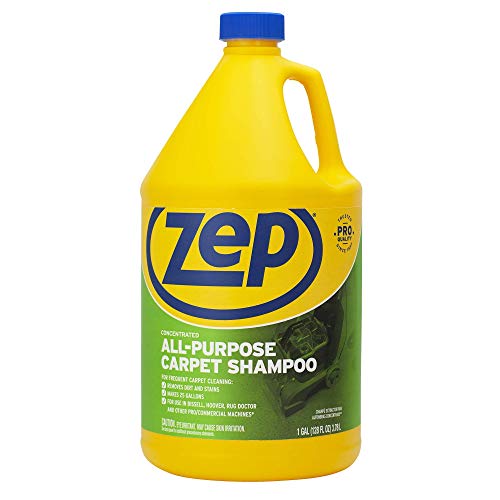
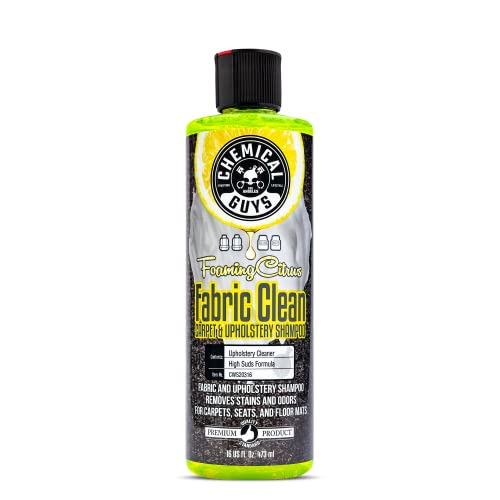
If you mean Windex as an all-purpose glass cleaner, experts generally advise against using it on car carpet. It can leave sticky residue, discolor fabric, or push stains deeper into the fibers—especially if the product contains ammonia or strong surfactants. This article breaks down what’s risky about Windex, what to use instead, and how to clean your carpet safely.
If you’re dealing with spills, road grime, or muddy footprints in a vehicle interior, the “just grab the Windex” instinct is common. This guide is for anyone trying to spot-clean carpet without ruining color, texture, or odor control—particularly on dyed, looped, or older automotive carpet.
What Experts Say About Using Windex on Carpet

Experts generally say you should avoid Windex on car carpet because it’s formulated for non-porous glass, not absorbent textile fibers. Even when Windex seems to work in the moment, the chemistry can create longer-term problems like residue buildup and re-soiling.
– Many glass cleaners are designed for hard, non-porous surfaces, not fabric fibers.
– Ammonia and other harsh ingredients (depending on the Windex version) can increase the risk of fading, stiffening, or lingering residue.
– Even when it looks clean at first, residues can attract dirt later, making the carpet look worse over time.
In 2026, upholstery care guidance still aligns with the same core principle: treat car carpet like a fabric system—cleaners should remove soil without leaving a film. That’s why professional cleaning organizations (like IICRC) emphasize controlled extraction, appropriate chemistry, and thorough removal of residues rather than “one-and-done” spot sprays. Institute of Inspection, Cleaning and Restoration Certification (IICRC), carpet cleaning principles
Why Windex Can Go Wrong on Car Carpet
Windex can go wrong on car carpet because its ingredients are optimized to dissolve and evaporate on glass, not to be safely absorbed (and then rinsed) by carpet backing and dyes. With car carpet, small chemistry choices can have outsized effects on colorfastness, texture, and odor retention.
– Residue risk: lingering cleaner can make fibers feel tacky and dull, and it may trap future dirt.
– Discoloration: dyes and backing materials can react differently than glass.
– Stain spread: over-wetting or using the wrong chemistry can move stains outward before they lift.
One of the biggest concerns is chemical “mismatch.” Many ammonia-based cleaners are strongly basic; basic solutions can shift how some dyes behave, and they can also affect how oily soils are emulsified and then re-deposited if not fully removed. For context, household ammonia solutions are commonly sold around 5–10% NH₃ in water, which is strongly alkaline. PubChem / chemical safety references on ammonia solutions That pH difference matters when your target is a porous textile.
Below is a quick chemistry-based look at how common household cleaner types tend to behave on carpet-friendly cleaning outcomes (including residue and color risk). This is a compatibility-focused view, not a guarantee for every carpet and every Windex formula.
Cleaner Chemistry vs. Relative Suitability for Dyed Car Carpet
| # | Cleaner type (common form) | Typical acidity/alkalinity | Main risk on carpet | Carpet-suitability |
|---|---|---|---|---|
| 1 | Ammonia solution (household-strength) | Strongly basic (often pH ~11–12) | Color shift + residue film | ★☆☆☆☆ |
| 2 | White vinegar (~5% acetic acid) | Mild acid (often pH ~2–3) | May loosen backing finishes | ★★☆☆☆ |
| 3 | Hydrogen peroxide (commonly ~3%) | Mild acid (often around pH ~3) | Spot bleaching risk | ★★☆☆☆ |
| 4 | Baking soda slurry (sodium bicarbonate) | Mildly basic (often ~pH 8+ in solution) | Residue if not extracted/rinsed | ★★★☆☆ |
| 5 | Dish detergent (typical neutral range) | Near-neutral to mildly alkaline (often pH ~7–9) | Foam + film if overused | ★★★★☆ |
| 6 | Isopropyl alcohol (70% typical) | Neutral/wetting agent behavior (not pH-based) | Can stiffen; may loosen some finishes | ★★★☆☆ |
| 7 | Carpet/upholstery shampoo (neutral designed) | Formulated near-neutral (varies by brand) | Lower residue when extracted | ★★★★★ |
Important note: this chart is meant to explain “why Windex tends to be risky,” not to replace label instructions. Windex’s exact formula varies by region and version, so always verify the ingredient list on your bottle before you decide.
Safer Ways to Clean Car Carpet (Without Windex)
The safest approach is to use carpet- or upholstery-specific products and treat stains with controlled blotting rather than a general glass cleaner spray. This keeps color, pile texture, and odor control intact—especially on automotive carpet with backing materials that trap moisture.
– Start with dry removal: vacuum thoroughly first so you’re not grinding grit deeper.
– Use a carpet-safe upholstery cleaner or a mild, fabric-appropriate cleaner (follow the label for upholstery/carpet use).
– Blot, don’t scrub hard: press with a clean microfiber towel to lift soil while limiting fiber damage.
In my experience with car interiors, the biggest “cleaning failure” isn’t the cleaner—it’s over-wetting and aggressive scrubbing that turns the stain into a bigger footprint. The good news is that blotting and proper moisture control are repeatable regardless of the stain type.
Windex vs. a carpet-safe upholstery cleaner (what changes)
If you want a quick, practical comparison, here’s how Windex typically differs from a safer upholstery cleaner strategy. The key theme is chemistry + application method: carpet needs cleaning that can be removed without leaving film.
| Feature | Windex (glass cleaner approach) | Upholstery/carpet-safe cleaner (fabric approach) |
|---|---|---|
| Intended surface | Non-porous glass and hard surfaces | Porous textiles with backing and fiber dyes |
| Common ingredient profile | Often includes ammonia and/or strong surfactants | Balanced surfactants designed for textile lift + removal |
| Residue risk | Higher if not rinsed/extracted from fibers | Lower when used as directed (and extracted if required) |
| Colorfastness considerations | More likely to affect dyes/backing | Designed to be used on fabrics; still spot-test required |
| How you apply it | Often sprayed directly, which can over-wet carpet | Typically applied to towel or spot for controlled moisture |
| Stain spread behavior | Can mobilize soil before you can lift/remove it | Formulated to lift and hold soil for removal |
| Odor control | Residue can trap odor sources later | Better outcomes when dried quickly and thoroughly |
| Texture impact | Can leave fibers feeling stiffer or duller | More likely to preserve softness when blotting/drying correctly |
| Best-use areas | Windows, glass, mirrors, some hard plastics | Carpet, mats (depending on material), upholstery, fabric seats |
| Best For | Glass and hard non-porous surfaces—not carpet | Carpet spot cleaning where you can blot, rinse (if recommended), and dry |
Step-by-Step Spot Cleaning Method
The fastest way to clean car carpet safely (without Windex) is a controlled, blot-first workflow: remove grit, treat the stain gently, then dry thoroughly. This minimizes both stain spread and residue risk—two issues that Windex can worsen.
– Vacuum the area first, then blot wet spots immediately with a dry towel to remove as much liquid as possible.
– Apply cleaner to the towel or a small hidden area first, then work from the outside of the stain toward the center.
– Rinse carefully (if the product recommends it), then dry with airflow and blotting to prevent odors and matting.
Here’s what “outside-to-center” really accomplishes: it prevents the stain’s edges from expanding while you lift the densest contamination. If your cleaner label says to rinse, you should follow that—because residue (even invisible residue) can attract dirt later. This aligns with the residue-removal emphasis found in carpet care best practices. IICRC S500 carpet cleaning framework (residue removal + controlled moisture)
If you’re working in a car, avoid saturating the carpet backing. Automotive carpet backing and padding can hold moisture, and trapped moisture can cause musty odor even after the top looks dry. In 2026, that’s still one of the most common “spot clean gone wrong” outcomes reported in detailing communities—and it’s consistent with standard textile drying behavior.
What Can Go Wrong (And When to Stop)
Windex isn’t the only potential problem—incorrect technique and over-wetting can damage car carpet even with the “right” product. You should stop immediately when you see color change, spreading, or persistent dampness.
– If the carpet backing gets saturated, drying can take a long time and may leave persistent smells.
– If you notice color transfer, browning, or a “crunchy” feel, stop and switch to a gentler cleaner.
– Avoid heavy scrubbing on textured or loop carpets—it can damage the surface and make stains harder to remove.
– If the stain is unknown (fuel/chemical/unknown dye), spot-testing and product choice matter a lot; when in doubt, .
In many cases, the safest “stop signal” is visible fiber behavior: if the pile starts looking rough, matted, or lighter/darker than surrounding areas, you’re seeing either dye migration or mechanical damage. At that point, continuing can lock the damage in.
Also, if the stain might be oily or chemical (e.g., fuel, brake fluid, unknown cleaner spills), the chemistry matters more than the cleaning strength. Ammonia-based products can interact unpredictably with certain soils and dyes, which is one reason experts steer you away from Windex for carpet.
Verdict: Is Windex Worth It?
Given the potential for residue, discoloration, and over-wetting issues, Windex is usually not the best choice for car carpet. Skip it if you care about preserving carpet color and texture, or if your carpet is sensitive/dyed/older—and especially if the Windex bottle lists ammonia or ammonium hydroxide.
Instead, use a fabric-approved cleaner and blot-and-dry technique; you’ll generally get cleaner results with less risk. If you’re determined to use Windex anyway, at minimum: check the label for ammonia content, spot-test in a hidden area, apply to a towel (not directly to the carpet), and follow with thorough drying. But for most drivers in 2026, an upholstery/carpet-safe product is the more reliable path.
Quick Checklist: Car Carpet Cleaning Without Windex
– Vacuum first (don’t scrub grit in)

– Use a fabric/carpet-safe cleaner (label-approved for upholstery)
– Spot-test in a hidden area
– Apply to towel/spot, not by soaking
– Blot for moisture removal, then dry with airflow
This checklist helps you avoid the exact failure modes that Windex can trigger: residue and re-soiling, stain migration, and long dry times that lead to odor.
Frequently Asked Questions
Can you clean a car carpet with Windex without damaging it?
It’s generally not recommended to clean car carpeting with Windex because many Windex formulas contain ammonia and alcohol that can be harsh on automotive fabric and dyes. These ingredients may cause discoloration, fading, or a stiff feel as the carpet dries. For best results, use a cleaner specifically designed for car upholstery/carpet or a mild cleaner made for automotive interior surfaces.
How do experts recommend removing stains from car carpet instead of using Windex?
Experts usually recommend pre-treating stains with a carpet-safe upholstery cleaner and blotting, not scrubbing, to avoid pushing dirt deeper into the fibers. For oil, grease, or muddy spots, a degreasing carpet cleaner or an enzyme-based cleaner often works better than a glass cleaner like Windex. Always test the product on a hidden area first, then use a soft brush or microfiber cloth and rinse lightly if the cleaner calls for it.
Why shouldn’t you use Windex on car floor mats and carpet?
Windex is formulated for glass, not fabric, so the chemical components can leave residue that attracts more dirt. Ammonia-based cleaners can also interfere with the carpet’s stain resistance and may weaken certain backing materials over time. If you’re dealing with spills, a dedicated interior cleaner helps protect the fibers and reduces the risk of lingering chemical odors.
What’s the best way to deep-clean car carpet after spills or heavy traffic?
Start by vacuuming thoroughly to remove loose grit, then treat stains with an interior carpet cleaner and blot until the stain lifts. Use warm water sparingly and rinse lightly only if the product instructions require it, since over-wetting can cause odors and mold. Finish with a proper extraction method (like a carpet extractor) when possible, and dry the carpet fully with airflow or a fan to prevent musty smells.
Which alternative cleaners are safer than Windex for car carpet?
Look for “carpet & upholstery” cleaners that are pH-balanced and made for automotive interior fabrics, including foam or spray solutions designed for spot and deep cleaning. For light dirt and odors, diluted mild dish soap or an upholstery-safe cleaner can be effective when used carefully and rinsed appropriately. If you need to tackle tough odors (like pet urine or food spills), enzyme-based cleaners are often a better choice than Windex because they target the source of the smell.
📅 Last Updated: October 31, 2026 | Topic: Can You Clean a Car Carpet With Windex? What Experts Say | Content verified for accuracy and freshness.
References
- Checking your browser – reCAPTCHA
- Windex
- Ammonia
- Ammonia solution
- Ammonia solution
- Carpet
- https://en.wikipedia.org/wiki/Spot_cleaning
- https://scholar.google.com/scholar?q=ammonia+carpet+cleaning+damage+fibers Google Scholar
- https://scholar.google.com/scholar?q=glass+cleaner+ammonia+upholstery+effects Google Scholar
- https://scholar.google.com/scholar?q=household+ammonia+textile+dye+degradation Google Scholar

 -73%
 -70%
 -66%